
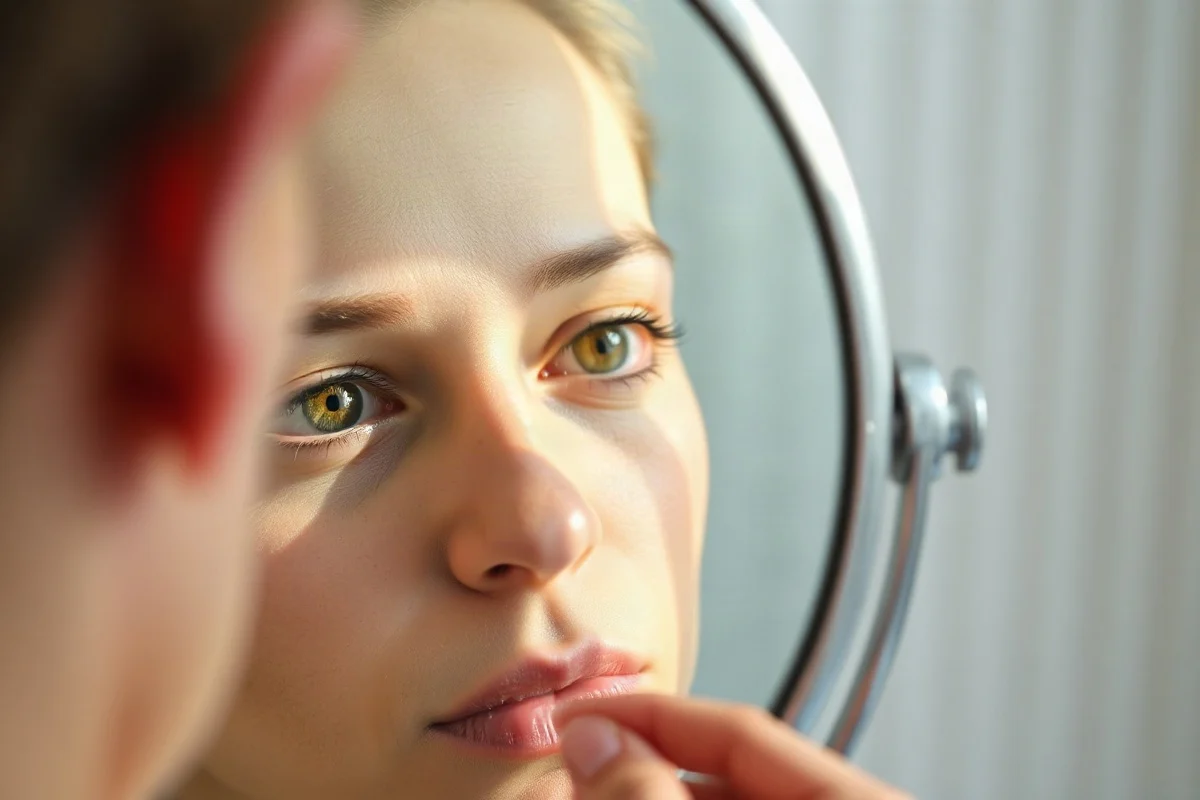
Yes, dark circles can be genetic, but they are not always caused by one inherited trait. Family characteristics such as thinner under-eye skin, naturally deeper tear troughs, pigmentation patterns, visible blood vessels, and a tendency toward allergies can all make the area look darker. Sleep, sun exposure, rubbing, dehydration, irritation, and age may also affect the appearance. Understanding which factors may be involved can help you choose realistic cosmetic care without assuming that every dark circle can be changed with an eye cream.
How genetics can influence dark circles
“Dark circles” describes a visible appearance rather than one single skin concern. Under-eye darkness may look brown, gray, blue, purple, or shadowed, and different people can have different reasons for that appearance. Genetics can influence several of the underlying visual features.
Inherited pigmentation
Some people naturally produce more pigment around the eyes or develop uneven pigmentation more easily after sun exposure or irritation. This tendency can run in families. In these cases, the color may appear brown or deep tan and may remain visible even after a good night’s sleep.
Skin tone and the way an individual’s skin responds to ultraviolet exposure can also affect how noticeable pigmentation looks. This does not mean that one complexion is more likely to have dark circles than another. It means that inherited pigment patterns and contrast between the under-eye area and surrounding skin can change the way darkness is perceived.
Thin skin and visible blood vessels
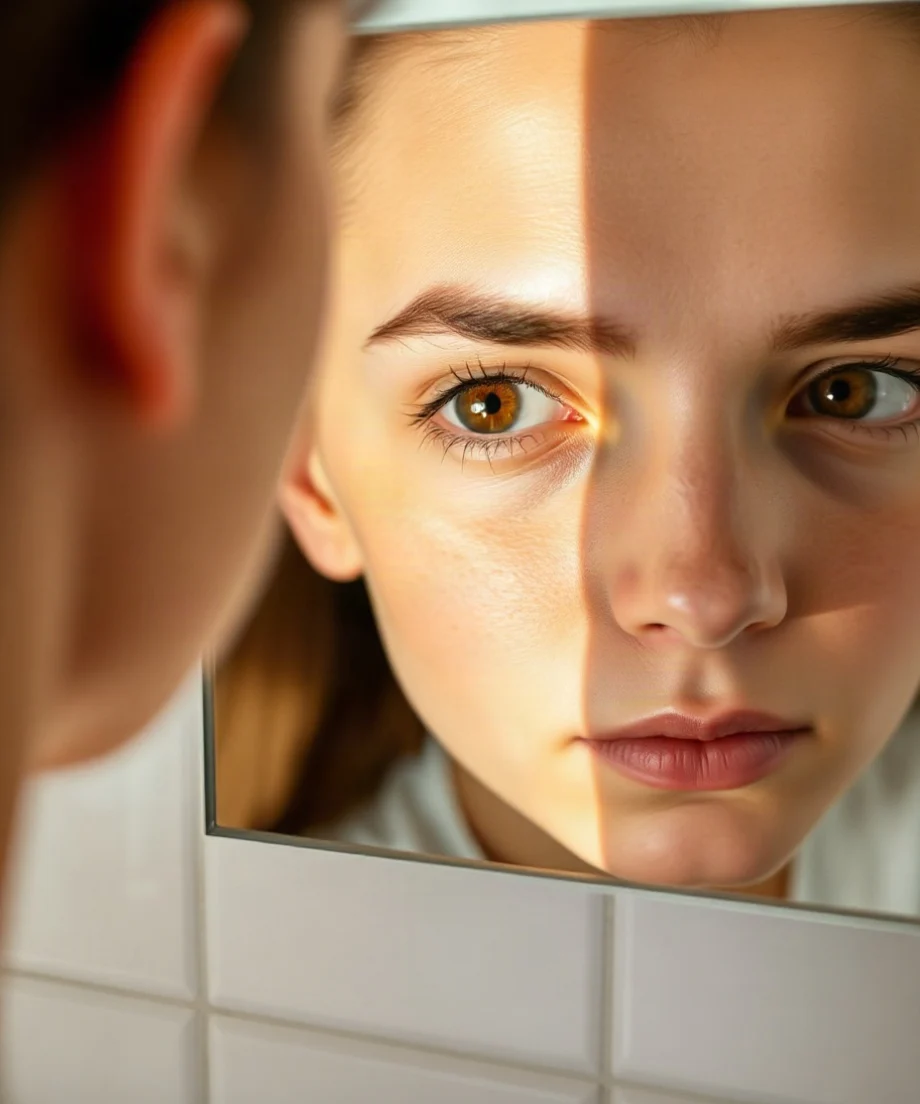
The skin beneath the eyes is delicate, and its thickness varies from person to person. If the skin is naturally thin, blood vessels beneath the surface may be easier to see. This can create a bluish, purple, or reddish cast, especially when the area is dry, irritated, or temporarily congested.
Skin thickness, vascular visibility, and the structure of the tissue beneath the eyes are partly influenced by genetics. These features are not necessarily signs of a medical problem. They can simply contribute to a naturally darker-looking under-eye area.
Facial structure and shadows
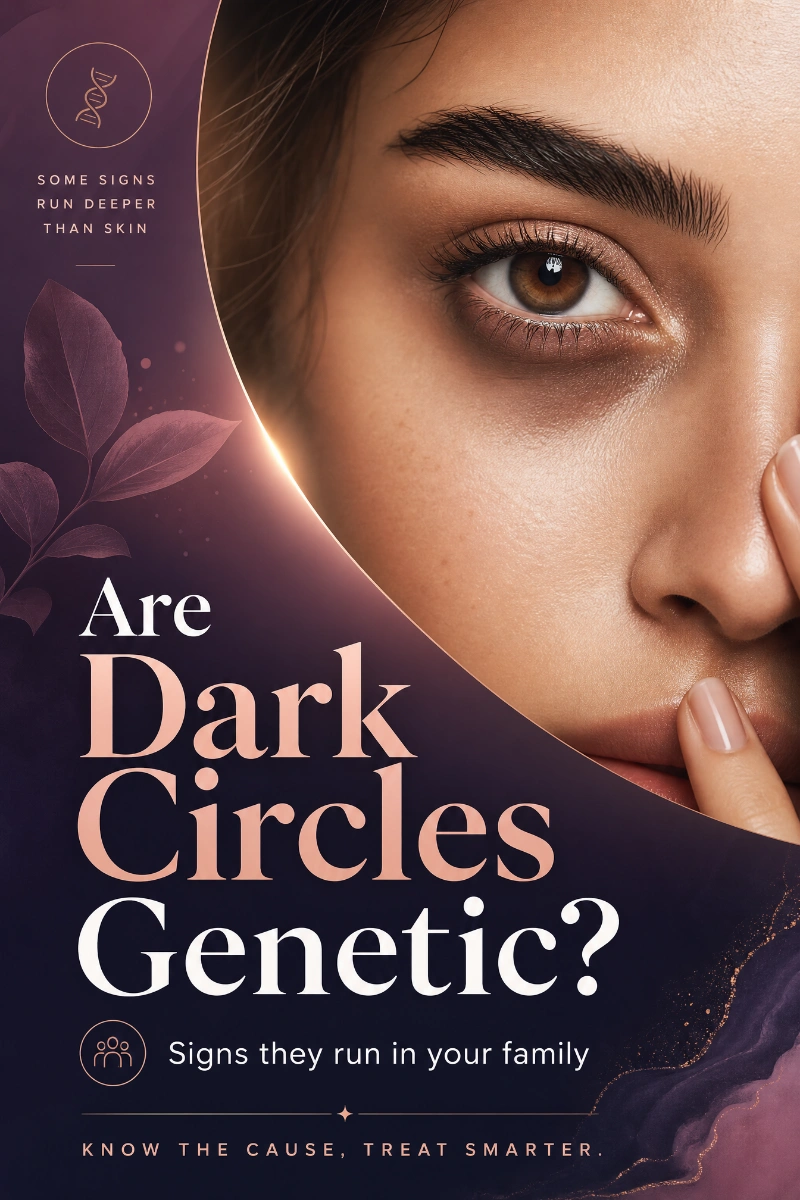
The shape of the eye socket, brow, cheeks, and tear trough can create shadows that resemble discoloration. A deeper tear trough or less fullness beneath the eye may make a shadow appear more pronounced under certain lighting. This is sometimes described as structural or anatomical darkness.
Because the effect comes partly from light and contour, a topical product may have limited influence on it. Hydration can improve the look of dryness, and makeup or changes in lighting can soften the appearance, but skincare cannot be expected to reshape facial anatomy.
Inherited allergies or rubbing habits
A family tendency toward allergies or nasal congestion may indirectly contribute to a tired-looking under-eye area. Itching can also lead to frequent rubbing, which may increase irritation and make discoloration appear more noticeable over time. This does not mean that dark circles diagnose an allergy, and under-eye color alone cannot identify the cause of congestion or itching.
How to tell whether dark circles may be genetic
No simple home test can prove that dark circles are genetic. However, a few observations may help you understand the pattern:
- They appear in childhood or adolescence: Darkness that has been present for many years may reflect inherited pigmentation, skin thickness, or facial structure.
- Close relatives have a similar appearance: Shared traits can provide a clue, although family members may also share sun exposure, allergies, or lifestyle patterns.
- The appearance changes very little with rest: Persistent darkness may be more related to pigmentation, visible vessels, or shadows than to occasional fatigue.
- The color changes with lighting: If darkness is stronger from above or from one direction, shadow from facial contours may be part of the effect.
- The area becomes darker after rubbing or irritation: This can point to a sensitivity or irritation component in addition to any inherited tendency.
These clues are not a diagnosis. Dark circles can have several overlapping causes, and the dominant factor may change over time.
Genetic dark circles versus lifestyle-related changes
Inherited features and daily factors often work together. Someone with naturally thin skin may notice more visible vessels after irritation. Someone with a family tendency toward pigmentation may see more contrast after sun exposure. A person with deep tear troughs may look more shadowed when the skin is dry or when overhead lighting is harsh.
Sleep loss can make the face look less refreshed, but it is not the only explanation for under-eye darkness. Stress, dehydration, seasonal allergies, eye rubbing, smoking, and prolonged sun exposure may influence the appearance for some people. Aging can also bring changes in collagen, skin thickness, volume, and laxity, which may make inherited shadows or lines more noticeable.
For a broader look at possible contributors, you can explore the site’s dark circles guide. It is useful to separate a temporary change in appearance from a long-standing feature that has been present for years.
Can eye cream change genetic dark circles?
An eye cream may improve the cosmetic appearance of some contributing factors, but it cannot be expected to remove an inherited trait. A well-formulated moisturizer can make dry, crepey skin look smoother and more comfortable. Other products may temporarily make the area appear brighter, more hydrated, or less dull. Results depend on the formula, the type of darkness, skin sensitivity, and consistent use.
Ingredient categories that people often consider include:
- Humectants and moisturizers: Ingredients such as glycerin, hyaluronic acid, and other hydrating agents can help the skin hold water and may soften the look of dryness.
- Antioxidant ingredients: Vitamin C and other antioxidants are commonly used in cosmetic formulas intended to support a brighter-looking complexion. Different forms can vary in stability and tolerability.
- Caffeine: Caffeine is used in some eye products designed for a temporarily more awake-looking appearance, particularly when puffiness contributes to a tired look. It should not be treated as a permanent solution.
- Retinoid ingredients: Retinol and related ingredients are often chosen for concerns involving texture and the appearance of fine lines. The eye area can be sensitive, so gradual use and careful label directions matter.
- Soothing ingredients: Ingredients such as panthenol, allantoin, or certain barrier-supporting moisturizers may be helpful when dryness or mild irritation makes the area look worse.
These categories do not work identically for everyone, and an ingredient that helps one type of under-eye concern may have little effect on another. For product research, use the eye cream ingredient guide and check the current product label. Formulas can change, so the packaging or manufacturer’s current ingredient list is the best source for product-specific details.
How to choose a routine when dark circles run in your family
Start with gentle basics
Apply a fragrance-free or otherwise well-tolerated moisturizer around the orbital area if the product is labeled for that use. Use a small amount and avoid placing it directly into the eyes. If your skin is sensitive, introduce one new product at a time so it is easier to identify a possible trigger.
Daily sun protection is also important for limiting additional sun-related darkening. Use a sunscreen suitable for the surrounding face and follow its directions, taking care to avoid direct contact with the eyes. Sunglasses and shade can add practical protection outdoors.
Choose actives cautiously
Potentially irritating ingredients, including retinol and some brightening acids, should be used only as directed on the product label. Avoid applying more than recommended, and consider starting less frequently if the label allows. Patch testing can be helpful, although it cannot guarantee that the eye area will tolerate a product.
Stop using a product if it causes burning, marked redness, swelling, rash, or persistent discomfort. Keep active products away from the eye itself. If you have a history of eczema, significant sensitivity, or eye-area reactions, a medical professional can help you decide what is appropriate.
Address the appearance you actually have
If the main concern is dryness, focus on barrier-friendly hydration. If puffiness is more prominent, cooling and gentle morning care may make the area look temporarily less swollen. If shadows are the main issue, concealer, color correction, and lighting may create a more noticeable cosmetic difference than a topical product. For personalized routine planning, the under-eye routine builder can help organize choices by concern and skin needs.
When to seek medical advice
Genetic-looking dark circles are usually a cosmetic concern, but a new or unusual change deserves attention. Consider contacting a qualified medical professional if darkness appears suddenly, affects only one side, comes with significant swelling, pain, itching, a rash, vision changes, or other symptoms, or does not improve after an obvious irritation has stopped.
A medical professional can evaluate symptoms and determine whether another issue may be involved. An eye cream is a cosmetic product and should not be used to diagnose or treat an eye condition, allergy, anemia, or any other health problem.
What to expect realistically
If your dark circles are strongly influenced by inherited pigmentation, facial structure, or naturally thin skin, skincare may soften the overall appearance without making it disappear. Improvements are often subtle and may depend on regular use, sun protection, hydration, and avoiding irritation. Some changes, such as reduced dryness or temporary puffiness, may be easier to notice than changes in long-standing pigmentation or shadows.
The most useful approach is to identify the visible pattern, protect the area from avoidable irritation, and choose products that match your tolerance and priorities. Genetic dark circles are common, and having them does not mean your routine is failing. The goal is realistic cosmetic improvement and comfortable skin—not a promise to erase a feature that may be part of your natural anatomy.

Comments
0No comments yet. Be the first to share a helpful note or question.
Leave a Comment
Your email address will not be published. Comments are reviewed before appearing on the site.