
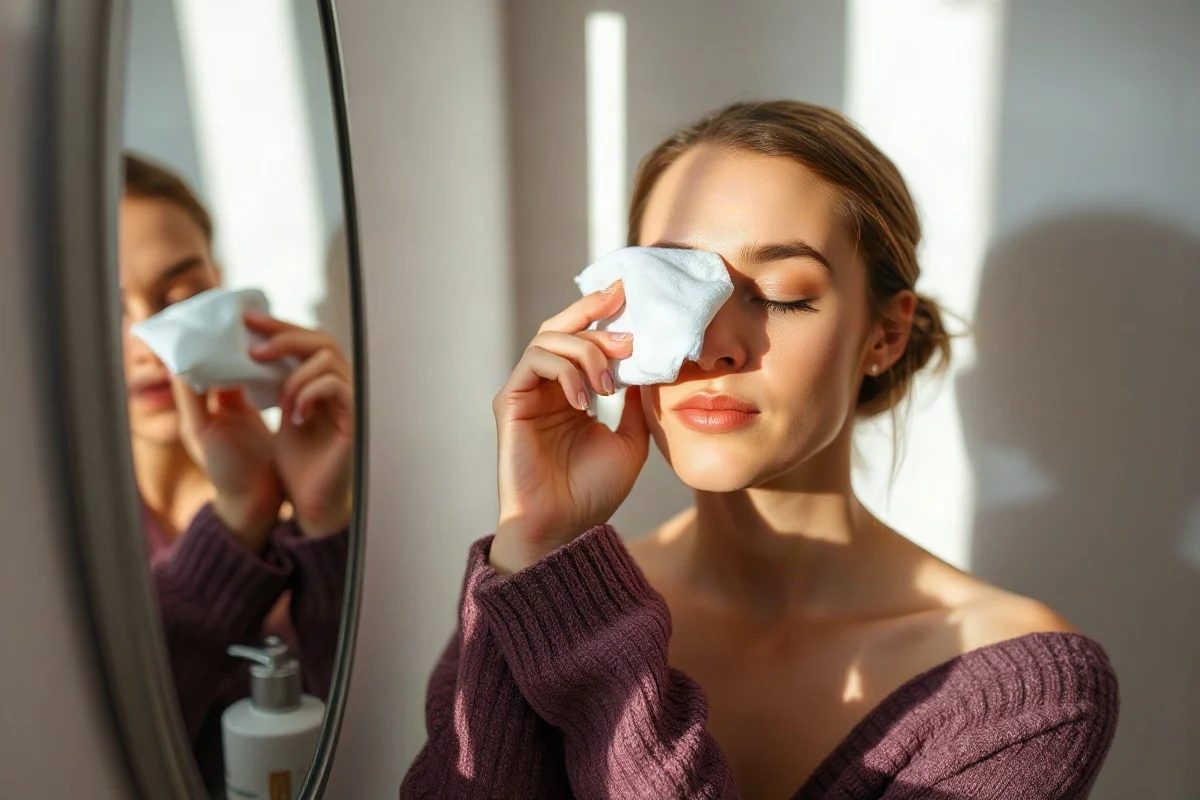
Puffiness & Eye Bags
Why Are My Eyes Puffy in the Morning?
Morning eye puffiness is often linked to overnight fluid retention, sleep habits, allergies, irritation, or genetics. Learn what may help and when to seek medical advice.
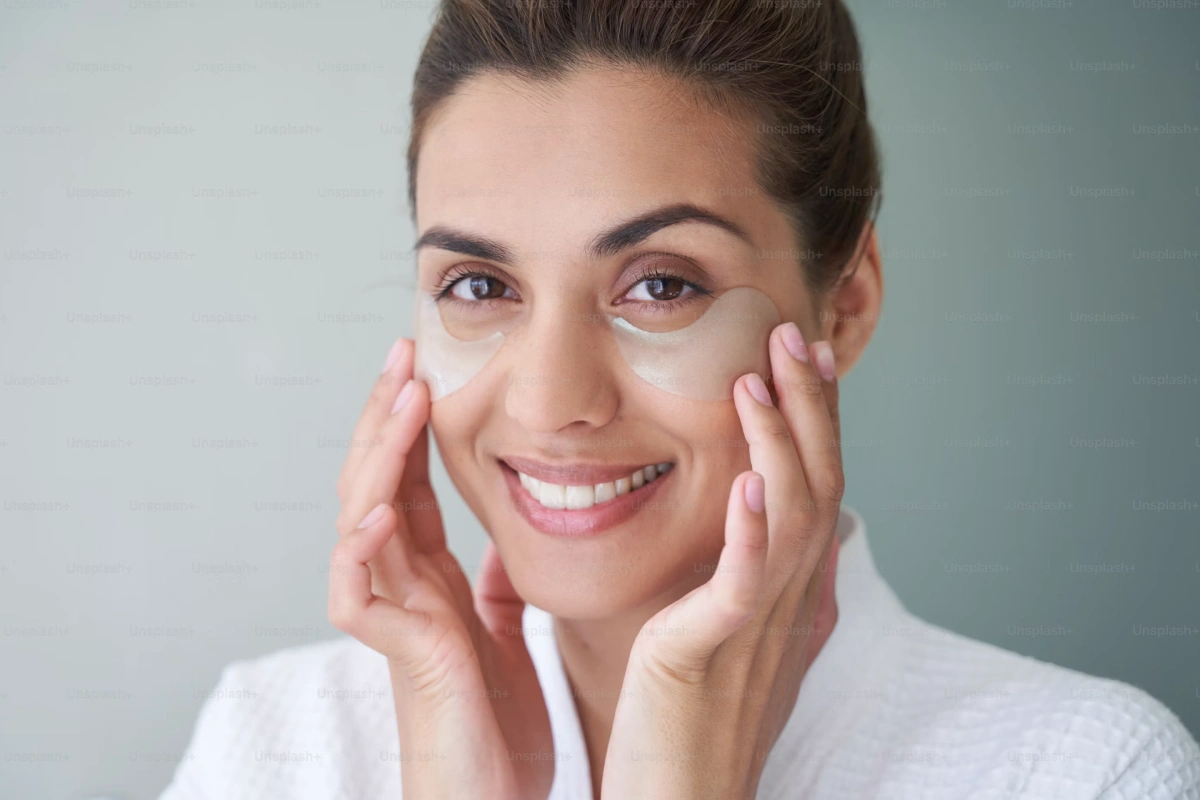
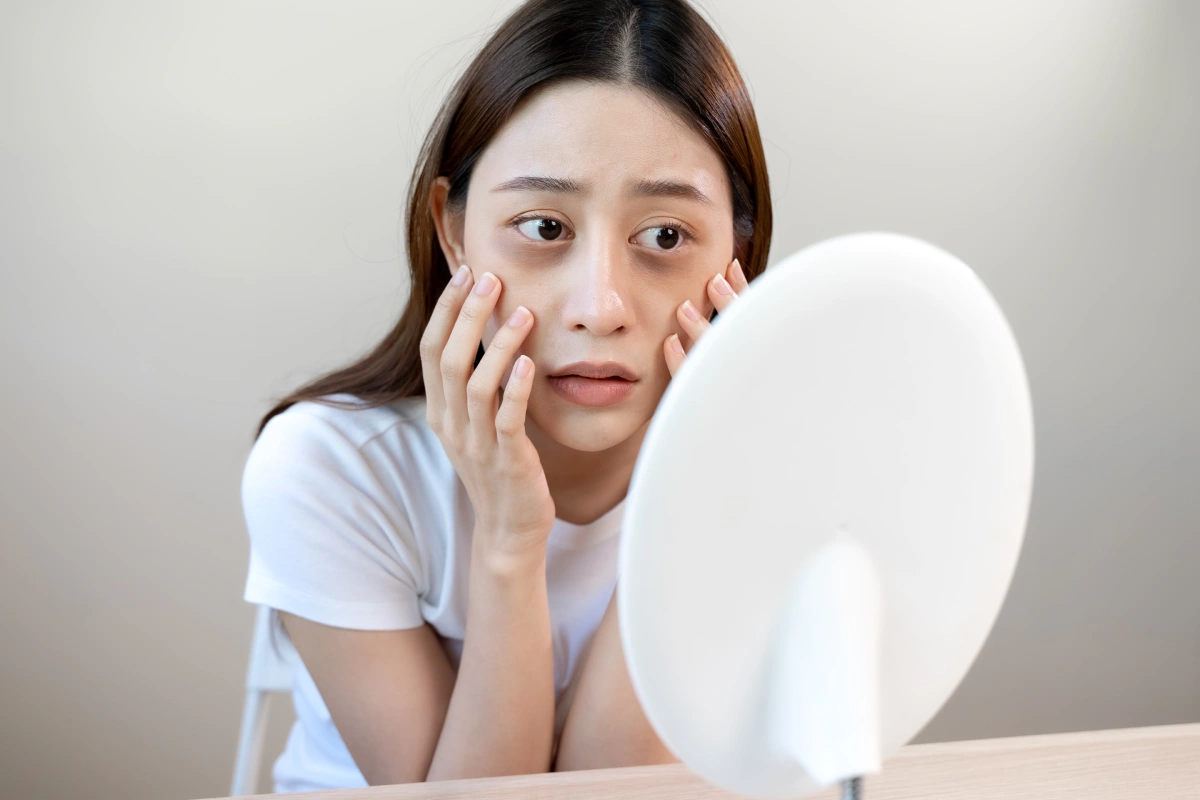
Under-eye puffiness and eye bags can make the eye area look tired, swollen, or less even, and many people explore eye creams as part of a simple cosmetic skincare routine. This category offers clear, evidence-informed guidance for understanding why puffiness may appear and how to evaluate products without relying on exaggerated promises. The focus is on practical education, ingredient literacy, and realistic expectations for the delicate skin around the eyes.
Eye bags and temporary puffiness can have different visible patterns. Some changes may be more noticeable after waking, following poor sleep, or after exposure to factors that make the eyes feel irritated. Genetics, the natural aging process, facial structure, fluid retention, and everyday habits can also affect how the under-eye area looks. Because appearance can vary from person to person, a product that feels comfortable and helpful in one routine may not produce the same cosmetic result for someone else.
Type an ingredient, product type, skin concern or question. Results stay inside this category.
Morning eye puffiness is often linked to overnight fluid retention, sleep habits, allergies, irritation, or genetics. Learn what may help and when to seek medical advice.
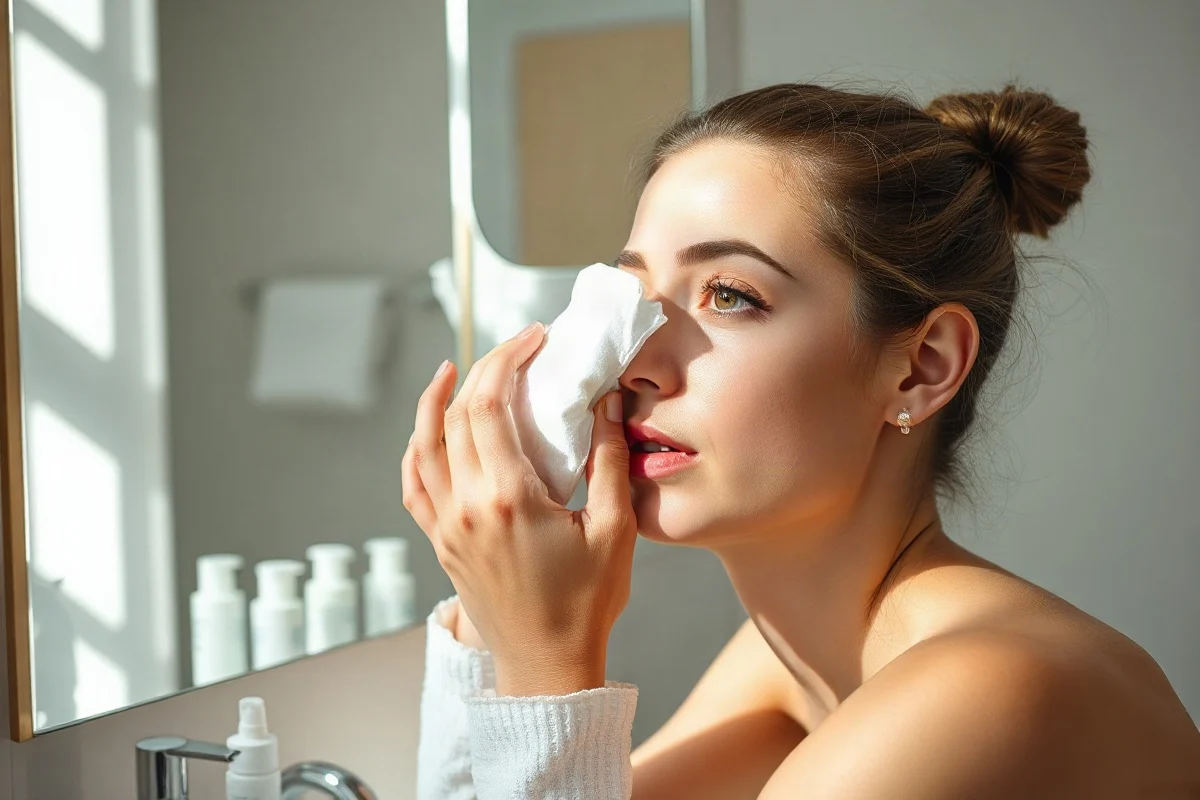
Under-eye bags can result from aging, genetics, fluid retention, allergies, sleep changes, and lifestyle factors. Learn what may make them more noticeable and which skin-care choices can help improve their appearance.
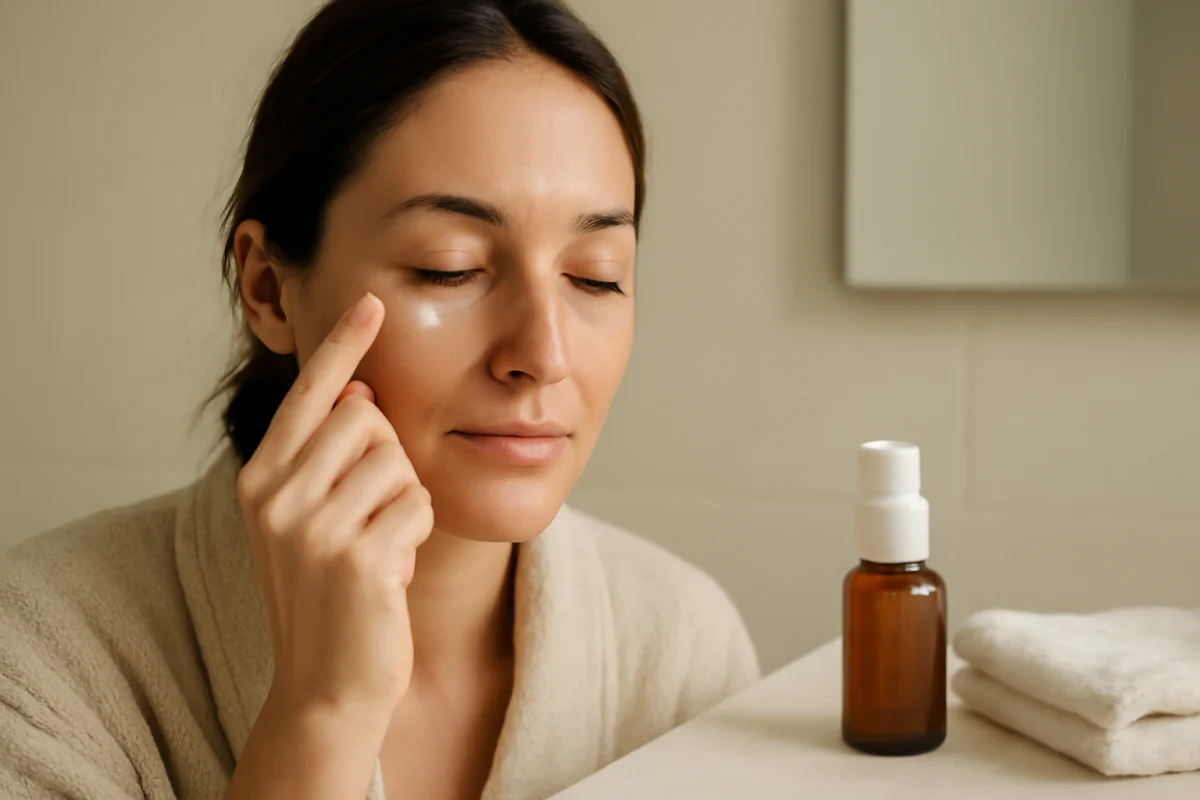
Vitamins may support overall skin health, but they cannot reliably eliminate chronic under-eye bags. Learn which vitamin-based ingredients may improve the look of the eye area and when persistent puffiness deserves medical attention.
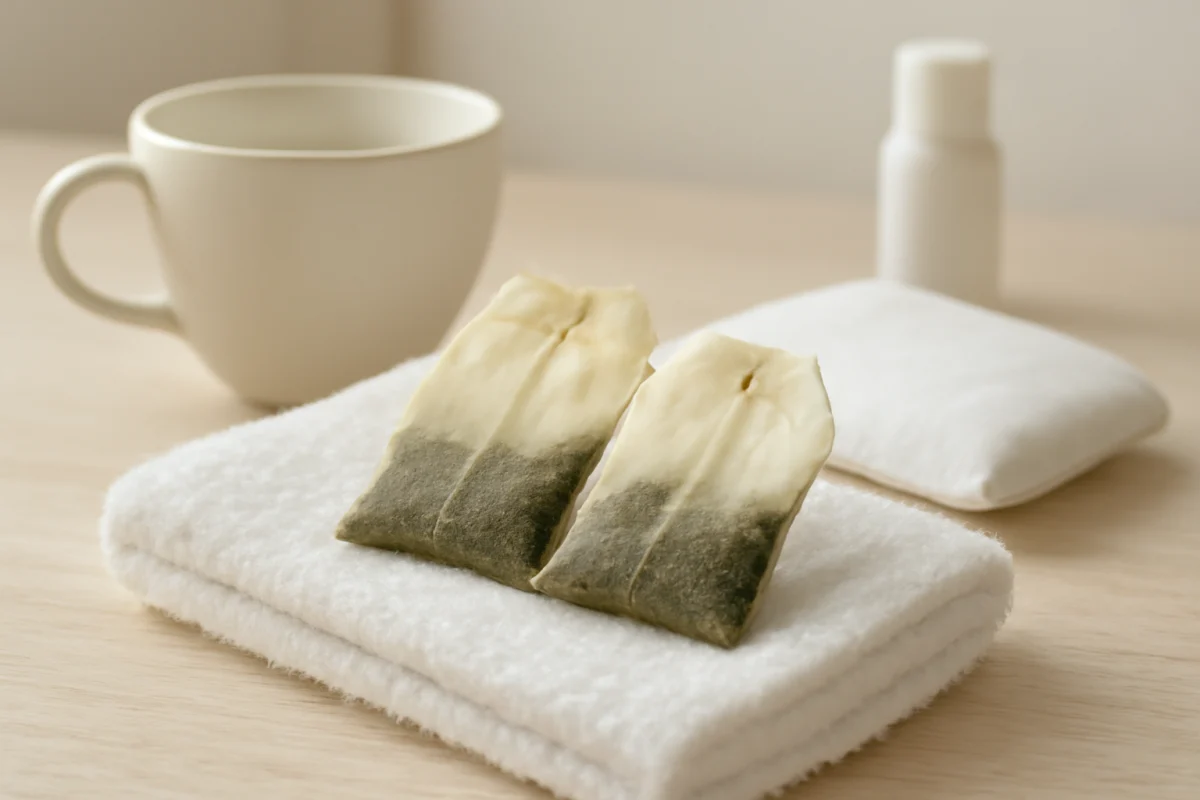
Chilled green tea bags may make puffy under-eyes look less noticeable for a short time. Learn how to use them safely, what they can and cannot do, and when to choose an eye cream instead.
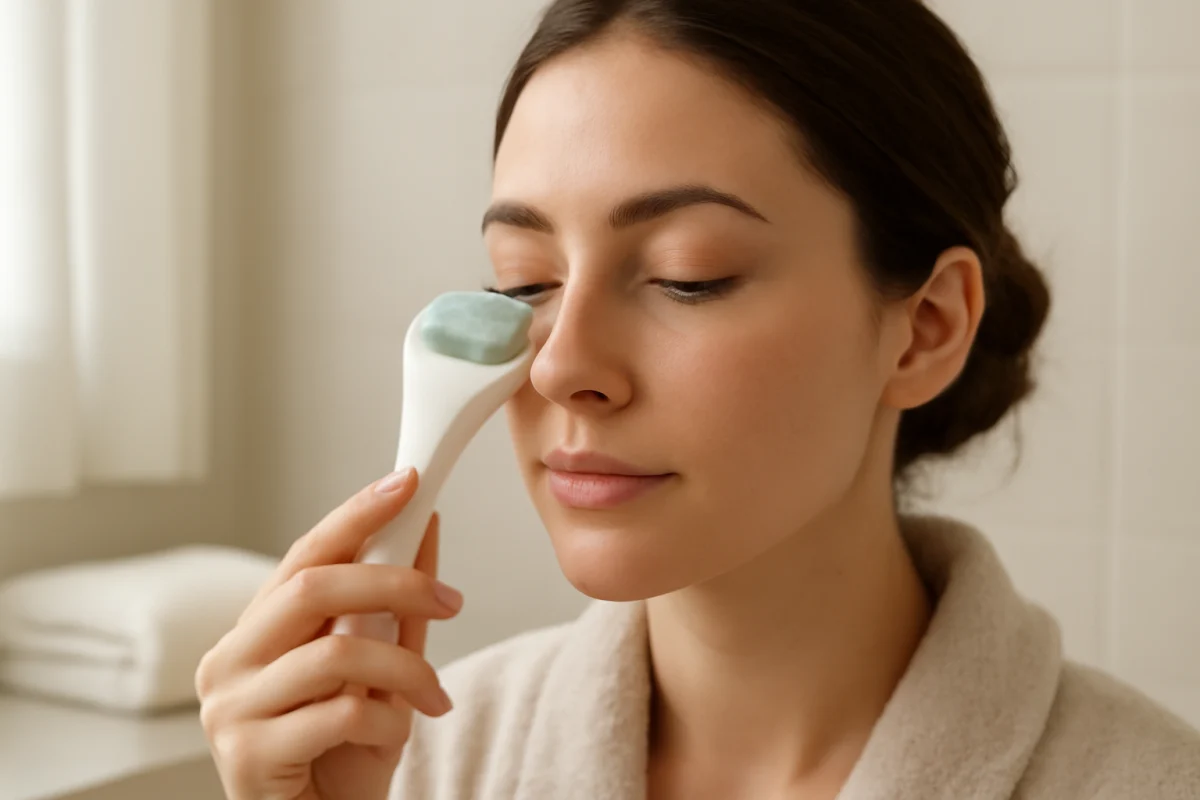
Learn how to use an ice roller around the eyes safely and effectively, including cooling time, massage direction, product choices, and realistic limits.
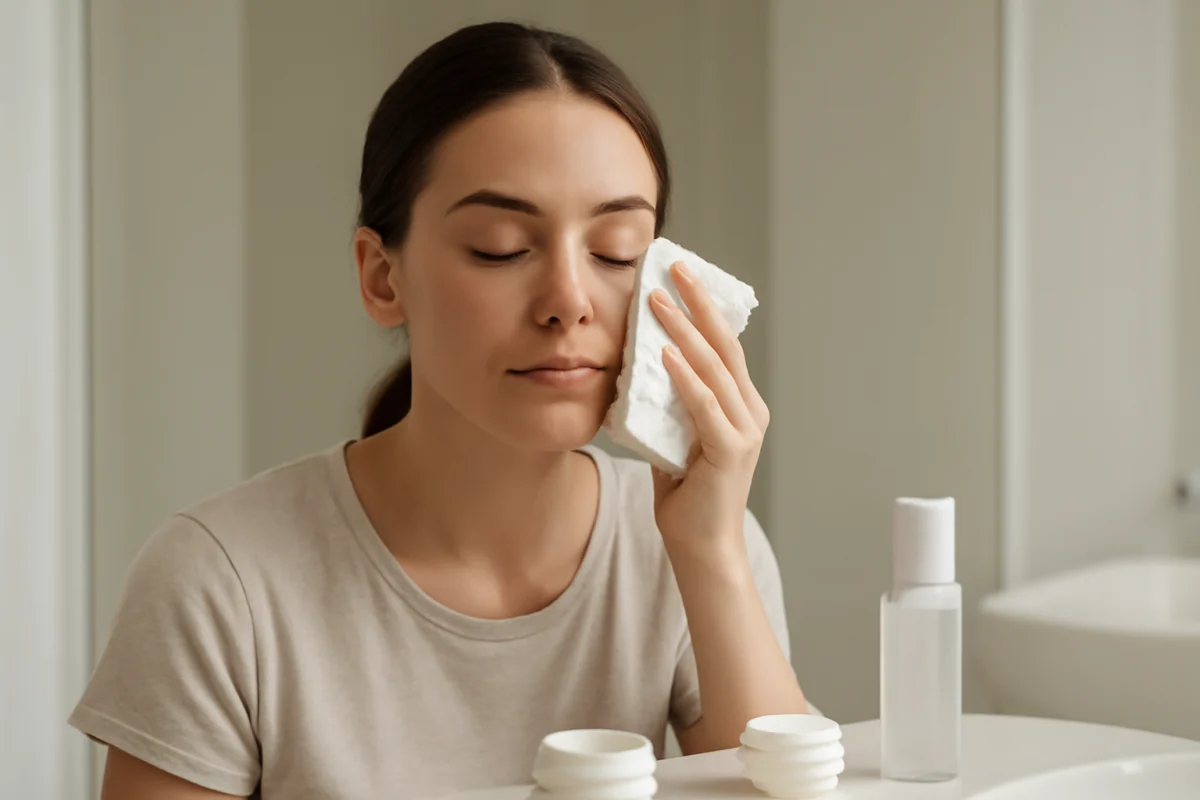
A cold compress, gentle application, and a few quick cosmetic adjustments can make under-eye bags look less noticeable in about five minutes.
Poor sleep can make under-eye bags look more noticeable by increasing fluid retention, dulling the complexion, and emphasizing shadows. Here’s what may help.
A salty meal can make the under-eye area look swollen because sodium influences fluid balance. Learn why it happens, what may help, and when puffiness needs medical attention.
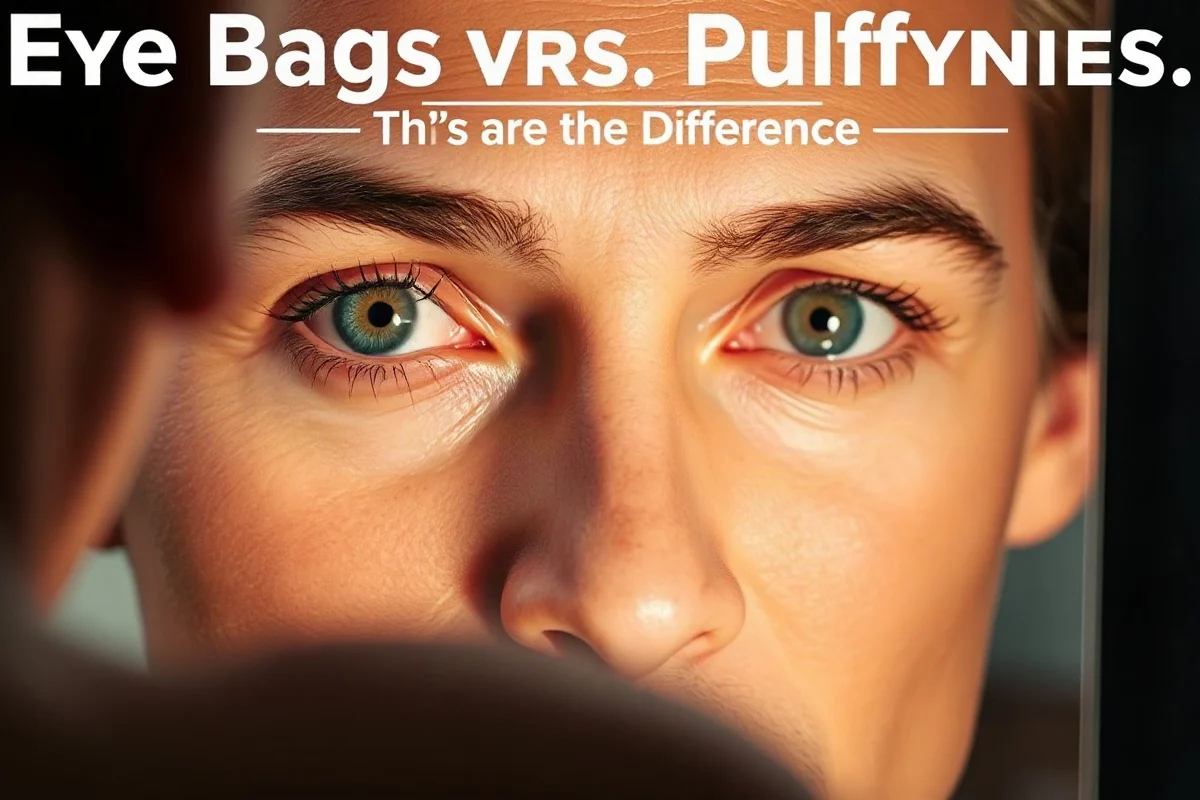
Eye bags and under-eye puffiness can look similar, but they often have different causes and respond to different cosmetic care strategies. Learn how to tell them apart.
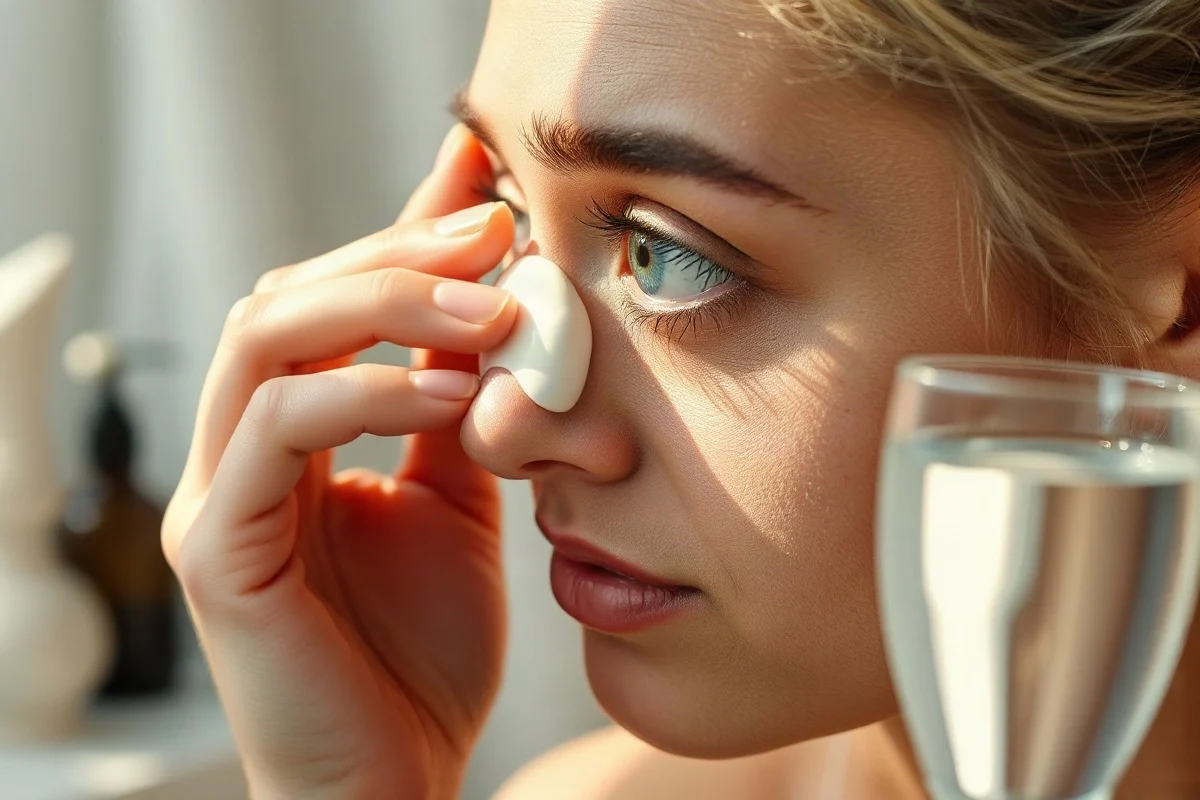
Dehydration can make the under-eye area look duller, drier, and more creased, which may draw attention to existing bags. Learn what hydration can and cannot change.
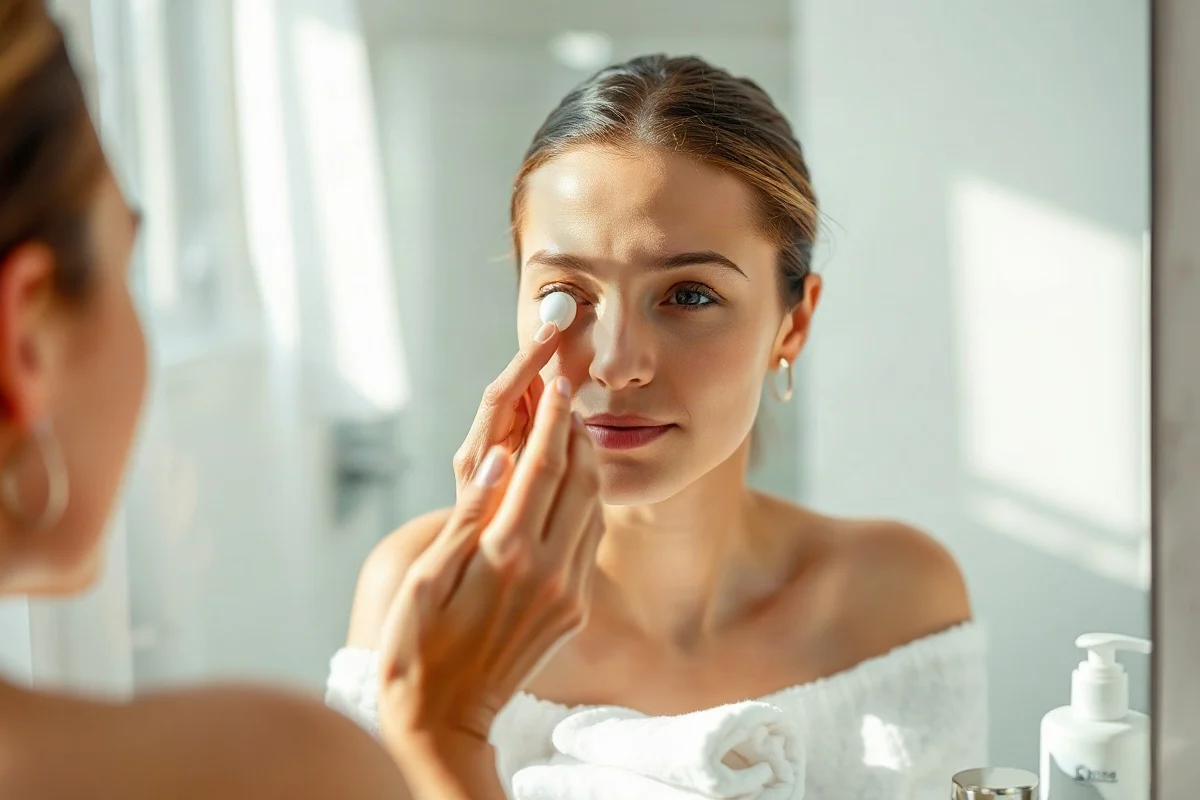
Caffeine may temporarily make puffy under-eyes look less noticeable, but its effects are usually modest and cosmetic. Learn how it works, how to use it, and when to choose another approach.
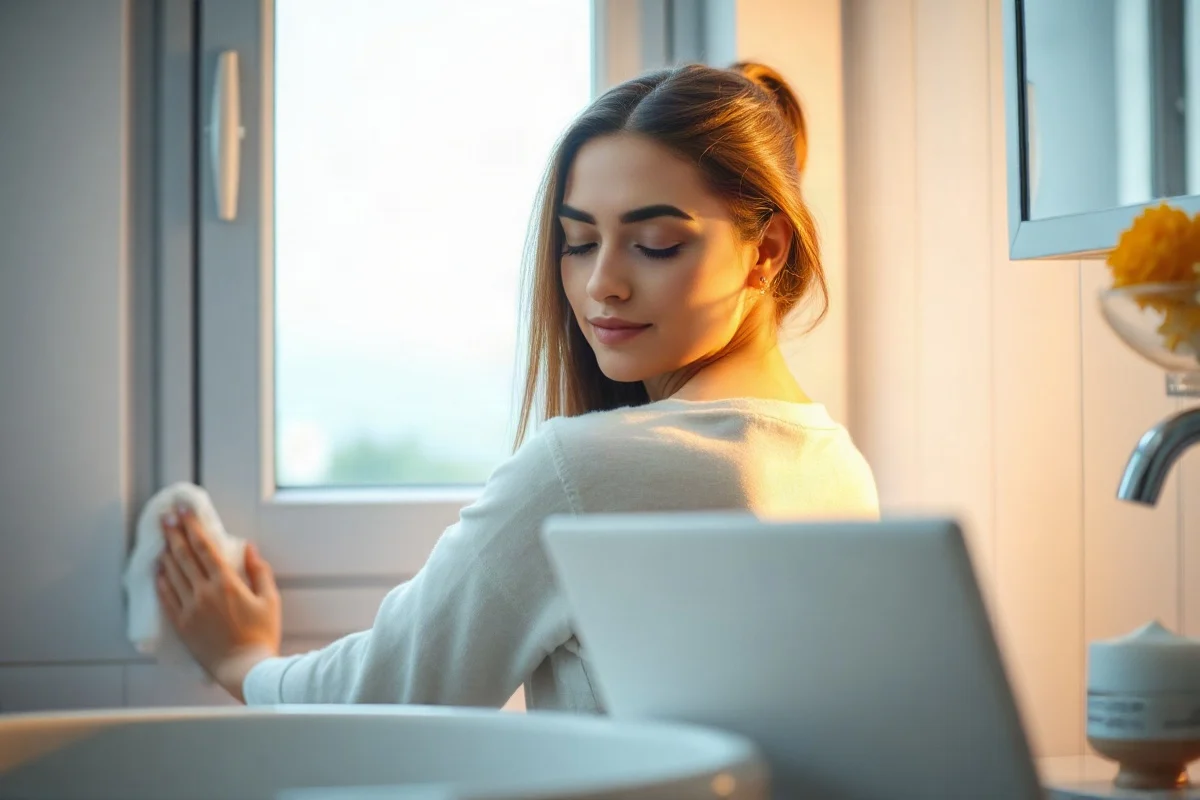
A cold compress may temporarily make puffy eyes look less swollen. Learn how to use one safely, what it can and cannot do, and when puffiness may need medical attention.
Choosing an eye cream for puffiness starts with understanding the product’s intended use, texture, and ingredients. Articles in this category explore questions about ingredients commonly discussed for the look of a puffy eye area, along with considerations such as fragrance, sensitivity, layering, and application technique. Gentle handling matters because rubbing or pulling the skin can make an already delicate area feel uncomfortable. A small amount applied as directed is generally more practical than assuming that more product will create a better result.
The surrounding context can matter as much as the product itself. Screen time, seasonal allergies, sleep patterns, dehydration, and other everyday influences may affect how rested or swollen the eyes appear, although cosmetic skincare cannot address every underlying cause. Guidance here is designed to help readers separate temporary appearance changes from concerns that may deserve professional attention. Sudden, persistent, painful, or one-sided changes should not be treated as an ordinary skincare issue, especially when other symptoms are present.
Use these guides to compare ideas, build a more informed eye-care routine, and set sensible expectations for eye creams marketed for puffiness and eye bags. Reviews and educational articles can help you assess what a formula is designed to do, how it may fit into your routine, and which questions to consider before use. The goal is not to promise a permanent fix, but to support thoughtful decisions about caring for the under-eye area and evaluating cosmetic results over time.
Eye cream labels can be hard to compare. We explain common ingredients, make product claims easier to understand, and set realistic expectations for concerns like dryness, puffiness, and dark circles.
How we create our guidesIngredient explainers in plain English
Practical comparisons and routines
Realistic expectations for eye care