
Dark Circles
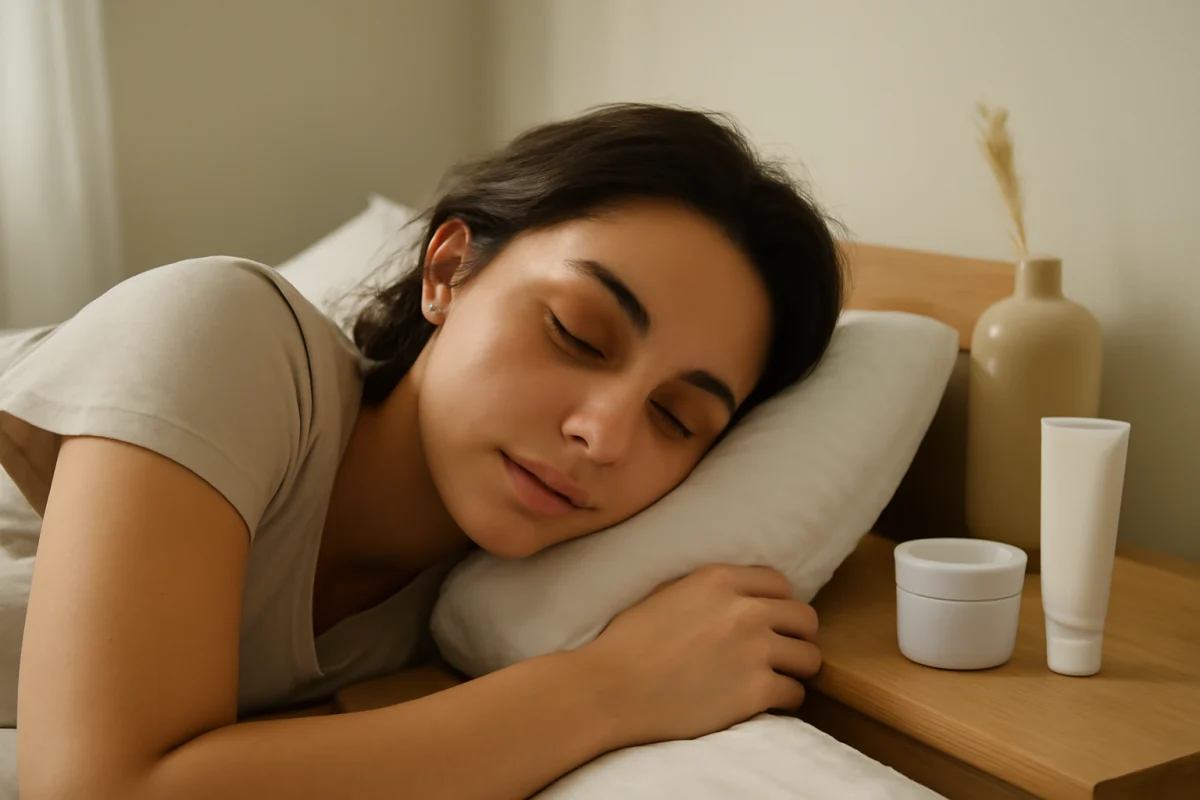
Why Sleeping Positions Might Be Making Your Dark Circles Worse
Your sleep position may temporarily affect morning puffiness, fluid distribution, and under-eye shadows. Learn what changing positions can—and cannot—do for dark circles.
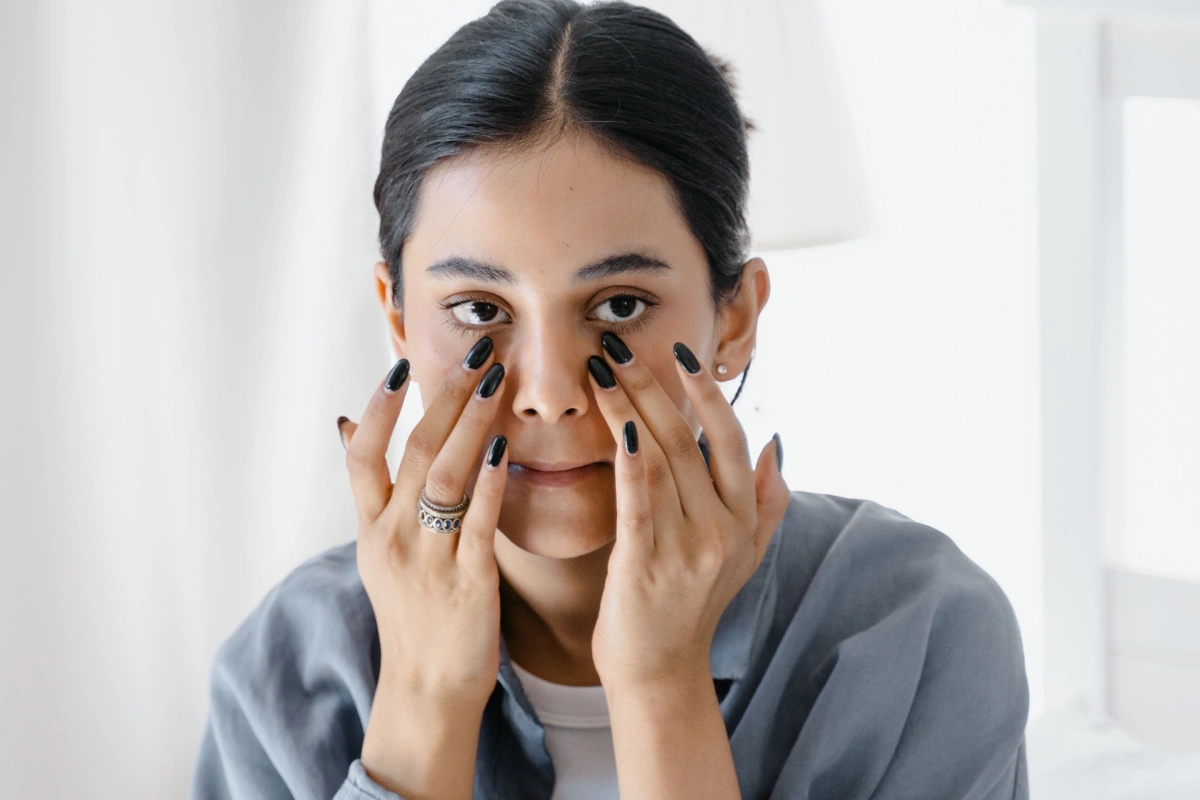

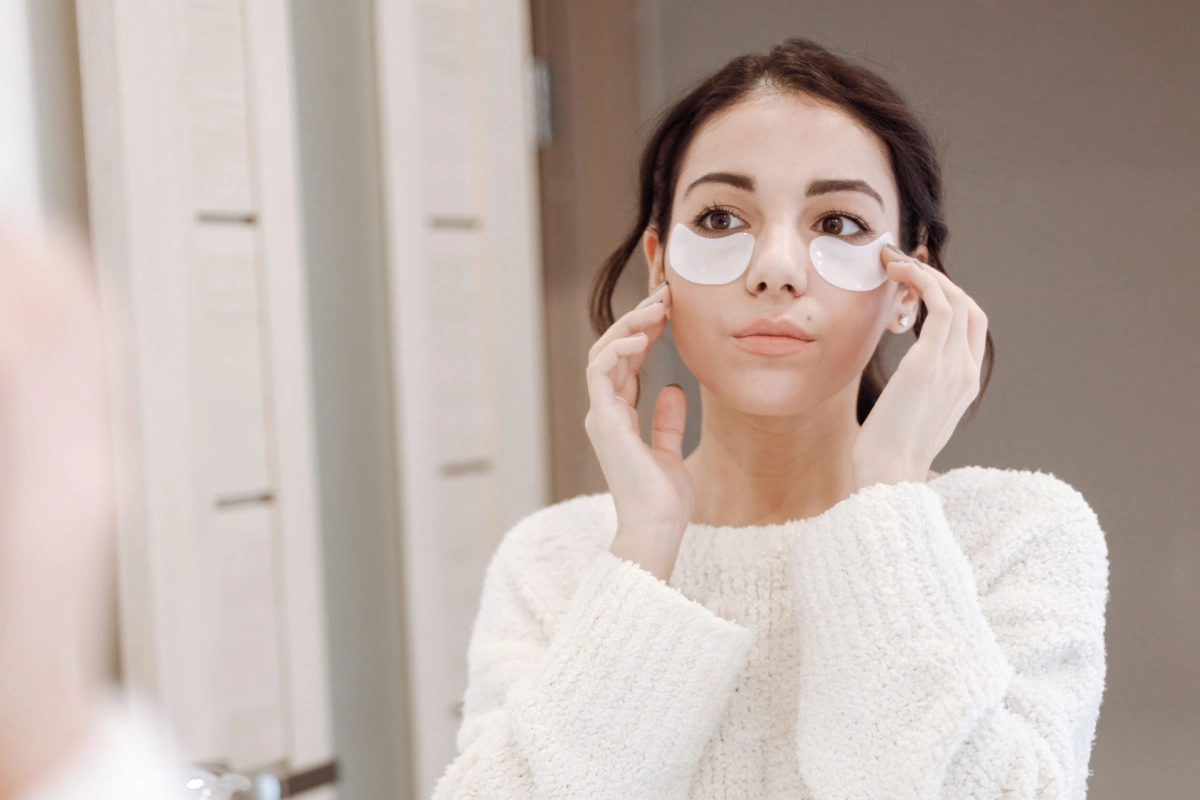
Dark circles can make the under-eye area look more shaded, tired, or uneven, but their appearance is not always caused by a lack of sleep. Factors such as naturally thin under-eye skin, visible blood vessels, pigmentation, facial structure, genetics, dryness, and nearby shadows can all influence how the area looks. Understanding these differences can make it easier to choose an eye cream and daily routine that match your personal concerns.
Some dark circles are more noticeable because the skin beneath the eyes is delicate and translucent. Others may appear brown, blue, purple, or gray depending on skin tone, lighting, and the way shadows fall around the eyes. Family traits can also play a role, which means dark circles may remain visible even when your sleep habits are consistent. Looking closely at color, texture, and the surrounding contours can help you distinguish pigmentation from simple under-eye shadows.
Type an ingredient, product type, skin concern or question. Results stay inside this category.
Your sleep position may temporarily affect morning puffiness, fluid distribution, and under-eye shadows. Learn what changing positions can—and cannot—do for dark circles.
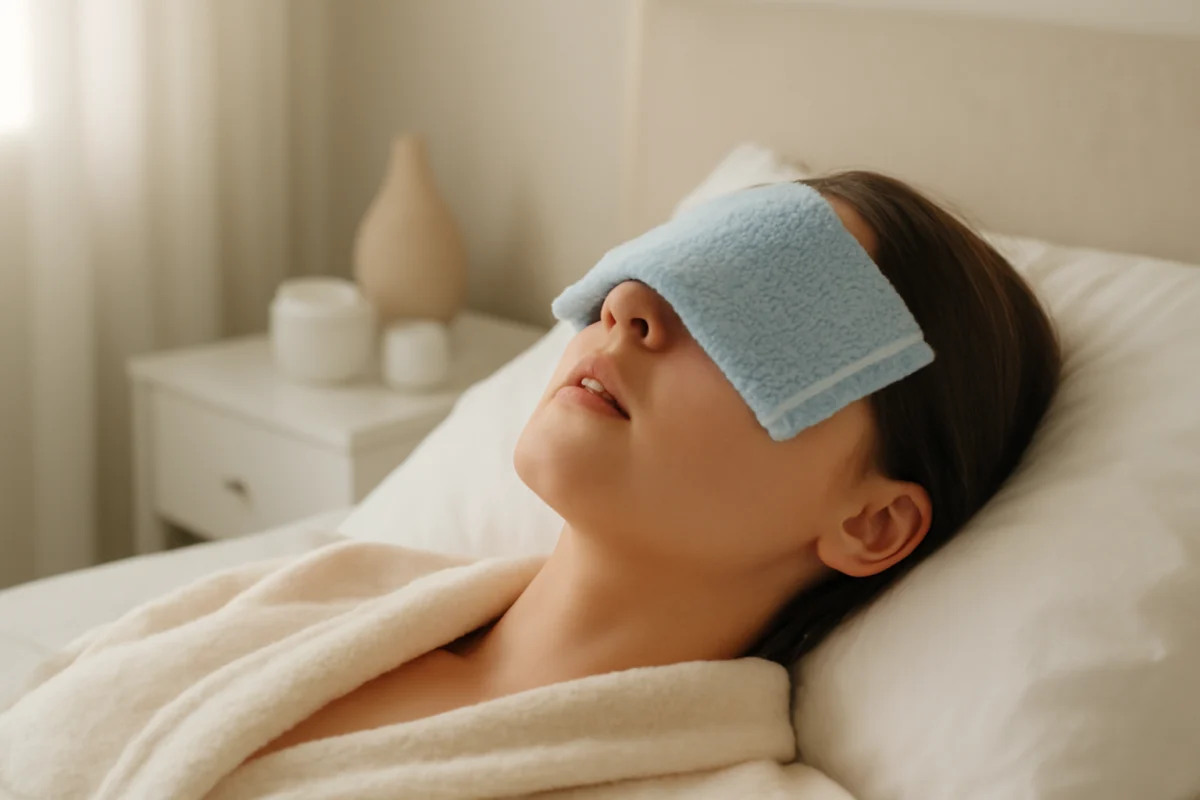
A cold compress may temporarily reduce the look of under-eye puffiness, but it has clear limits. Learn when it helps, how to use one safely, and why dark circles may remain.
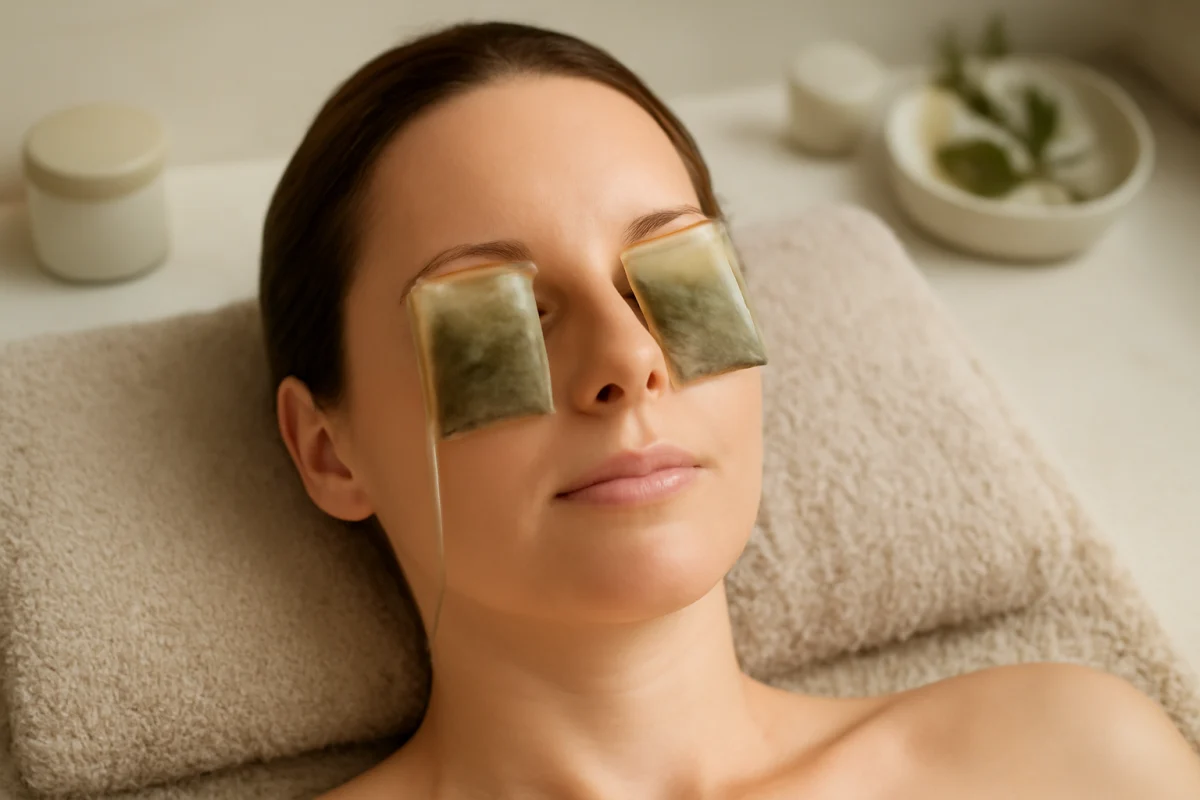
Chilled green tea bags may temporarily refresh the look of puffy, tired under-eyes. Learn how to use them safely, what they can realistically do, and when to choose an eye cream instead.
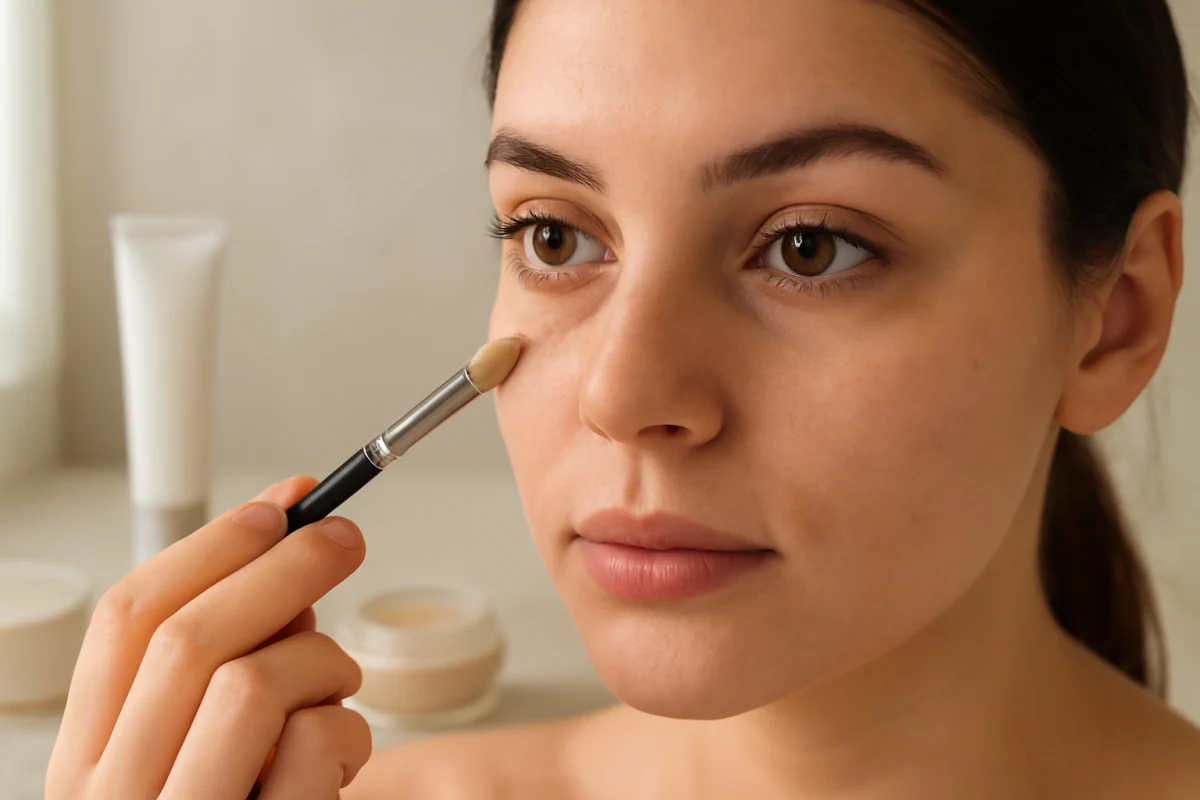
Learn how to layer color corrector, concealer, powder, and light strategically to make severe dark circles look less noticeable without a heavy, creased finish.
Hormonal shifts can make under-eye darkness appear more noticeable by affecting pigmentation, blood vessels, fluid balance, skin thickness, and sleep. Here’s what may help.
Long hours on screens may make the under-eye area look darker, puffier, or more tired, but digital eye strain is only one possible factor.
Staying hydrated may make some under-eye shadows look less noticeable, especially when dryness or fatigue is involved. Learn what hydration can and cannot change.
A simple morning routine can make tired-looking under-eyes appear fresher: use cool compression, gentle hydration, targeted ingredients, sunscreen, and careful makeup application.
Natural oils may soften dryness and make the under-eye area look smoother, but they cannot quickly erase every type of dark circle. Learn which oils are worth considering, how to use them safely, and what results are realistic.
You may be able to make dark circles look less noticeable overnight, but no natural remedy can reliably remove every type of under-eye darkness in a single night.
Adequate sleep does not always prevent dark circles. Learn how genetics, pigmentation, visible blood vessels, shadows, irritation, and aging can affect the under-eye area.
Dehydration may make under-eye shadows look more noticeable by emphasizing dryness, dullness, and fine lines. Learn what hydration can and cannot change.
Choosing products for dark circles starts with realistic expectations and a clear look at ingredients. Eye creams may be formulated with moisturizing ingredients, brightening-focused ingredients, antioxidants, or components selected to support the look of smoother, more hydrated skin. Since the eye area can be sensitive, product texture, fragrance, layering, and personal tolerance are important considerations. A simple routine and consistent use may be more practical than switching between many products at once.
This category brings together educational guides and reviews to help you explore the causes and appearance of dark circles without relying on one-size-fits-all advice. You can learn why under-eye skin may make discoloration more visible, how genetics and sleep relate to appearance, and why concealer does not always create an even-looking finish. The goal is to provide useful context for comparing eye creams and building informed skincare habits while keeping cosmetic expectations realistic.
As you explore options, consider whether your main concern is visible color, dryness, texture, puffiness, or shadowing. Read ingredient information carefully, introduce new products thoughtfully, and pay attention to how your skin responds. The most suitable approach can depend on your skin tone, sensitivity, routine, and the specific way your dark circles appear. These guides are designed to help you ask better questions and make more confident cosmetic skincare decisions.
Eye cream labels can be hard to compare. We explain common ingredients, make product claims easier to understand, and set realistic expectations for concerns like dryness, puffiness, and dark circles.
How we create our guidesIngredient explainers in plain English
Practical comparisons and routines
Realistic expectations for eye care