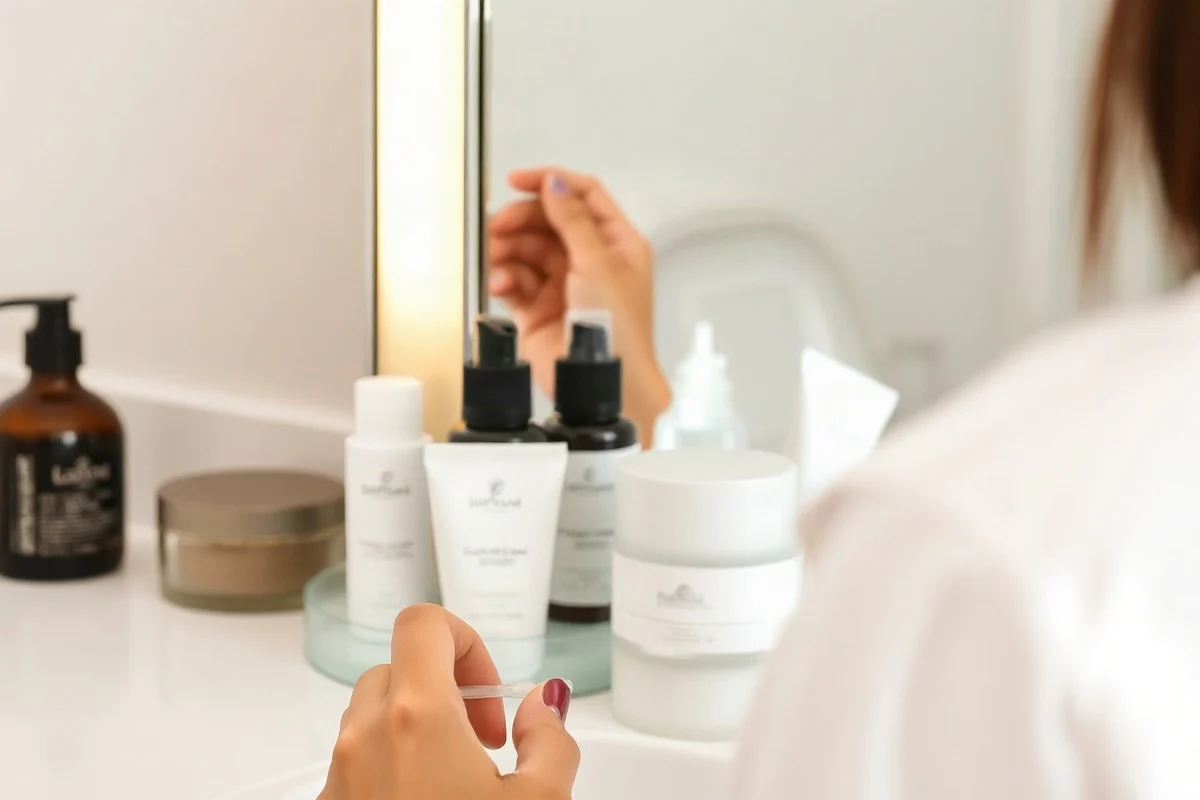
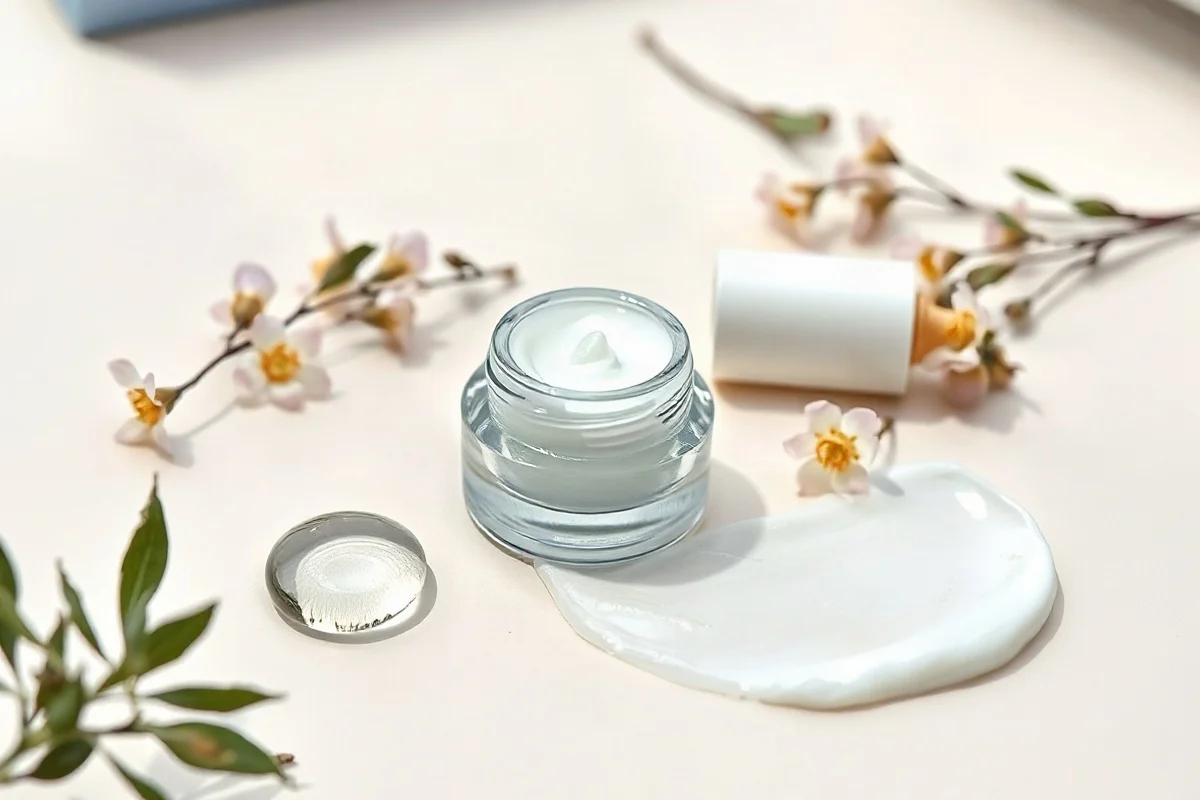
Understanding the ingredients in an eye cream can make it easier to choose products that fit your personal preferences and under-eye concerns. This category offers clear, evidence-informed guidance on commonly discussed cosmetic ingredients, including caffeine, vitamin C, licorice root, humectants, emollients, and occlusives. The goal is to explain what these ingredients are generally used for in skincare and how they may affect the look and feel of the delicate eye area, without relying on exaggerated marketing language.
Ingredient guides can also help you read an eye cream label with greater confidence. Product formulas often combine several types of ingredients, and each one may serve a different purpose. Humectants help attract moisture, while emollients can contribute to a softer, smoother feel. Occlusives may help reduce moisture loss by forming a protective layer on the skin’s surface. Learning these basic roles can make unfamiliar ingredient lists easier to understand and can help you compare formulas more thoughtfully.
FIND THE RIGHT GUIDE
Search Ingredients guides
Type an ingredient, product type, skin concern or question. Results stay inside this category.
Peptides may support a smoother, more hydrated-looking eye area, but they are not a guaranteed fix for dark circles, puffiness, or wrinkles. Here is how to choose and use them realistically.
Ceramides can help support the delicate skin barrier around the eyes, improving the look and feel of dryness without promising to erase dark circles or wrinkles.
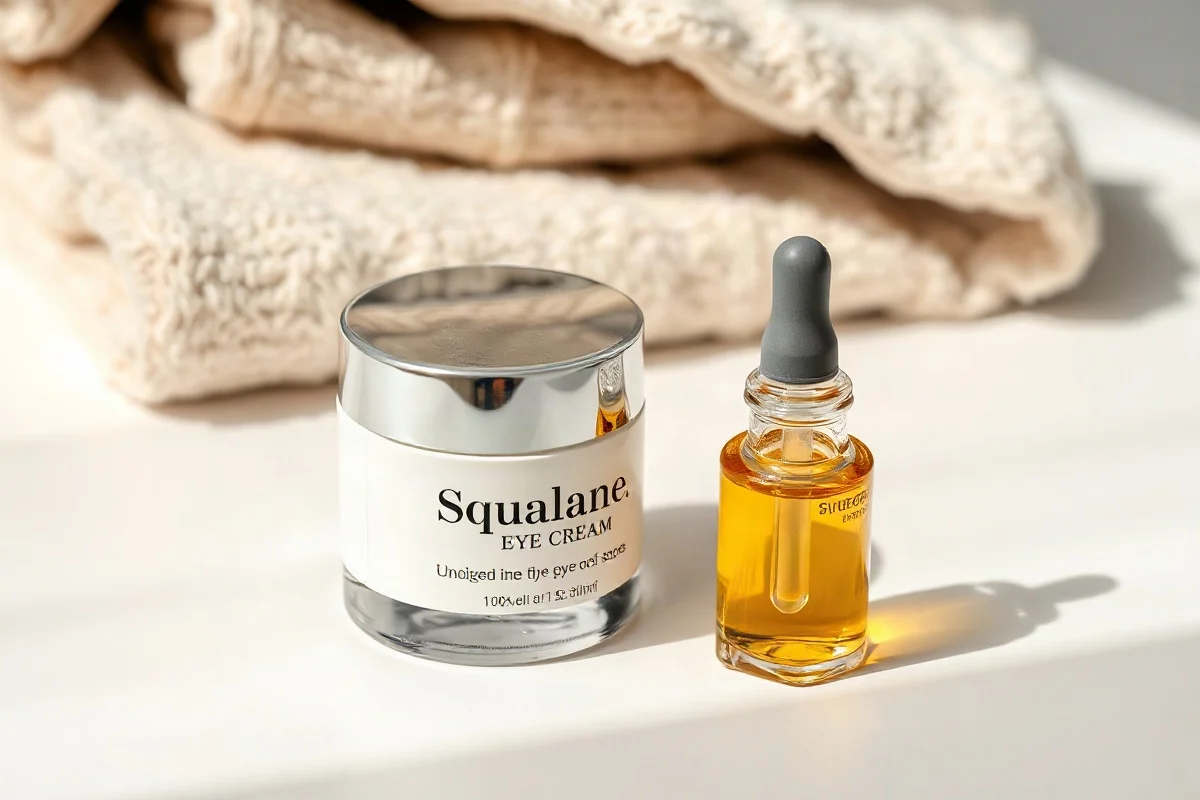
Squalane can help soften and moisturize dry-looking under-eye skin. Learn how it works, who may benefit, how to use it, and what it cannot do for dark circles.
Fragrance is not automatically harmful in an eye cream, but avoiding it may be the more comfortable choice if your under-eye skin is sensitive, dry, or prone to irritation.
Licorice root may help improve the appearance of some types of under-eye discoloration, but results depend on the cause, formula, consistency, and skin sensitivity.
Caffeine may temporarily make under-eye puffiness look less noticeable, but its effects depend on the cause of your dark circles and the rest of the formula.
Learn how to evaluate an eye cream ingredient list, identify useful ingredients, spot potential irritants, and match a formula to your under-eye concerns.
Learn which eye-area ingredients deserve extra caution when layered, how to simplify your routine, and when to stop using a product because of irritation.
Humectants, emollients, and occlusives support the under-eye area in different ways. Learn how each works, how to combine them, and what to look for in an eye cream.
Jul 20, 2026•9 min read
Some articles focus on ingredients frequently associated with the appearance of under-eye discoloration, dullness, puffiness, dryness, or visible texture. Topics include what caffeine does in an eye cream, how vitamin C is commonly used in cosmetic formulas, and why licorice root appears in some products. These discussions are intended as general skincare education rather than guarantees of results. The appearance of the under-eye area can vary widely, and an ingredient that suits one person’s routine may not be comfortable or appealing to someone else.
Because the skin around the eyes can be sensitive, ingredient compatibility matters as much as a product’s marketing appeal. Guidance on ingredients that may be worth using cautiously, along with practical ways to evaluate a formula, can help you build a simpler and more informed routine. Pay attention to the full ingredient list, the product’s texture, your existing skincare habits, and how your skin responds over time. Avoiding unnecessary combinations may also make it easier to identify what works well for your preferences.
Whether you are comparing eye creams or learning basic skincare terminology, these ingredient resources are designed to support more careful decisions. Explore explanations of individual ingredients, label-reading tips, and formulation basics to better understand what an eye cream contains and why those components may be included. Use the information as a starting point for your own research, and consider your comfort, routine, and personal sensitivities when evaluating any cosmetic product.
FROM THE EDITORIAL DESK
Eye cream advice, without the overpromises.
Eye cream labels can be hard to compare. We explain common ingredients, make product claims easier to understand, and set realistic expectations for concerns like dryness, puffiness, and dark circles.