
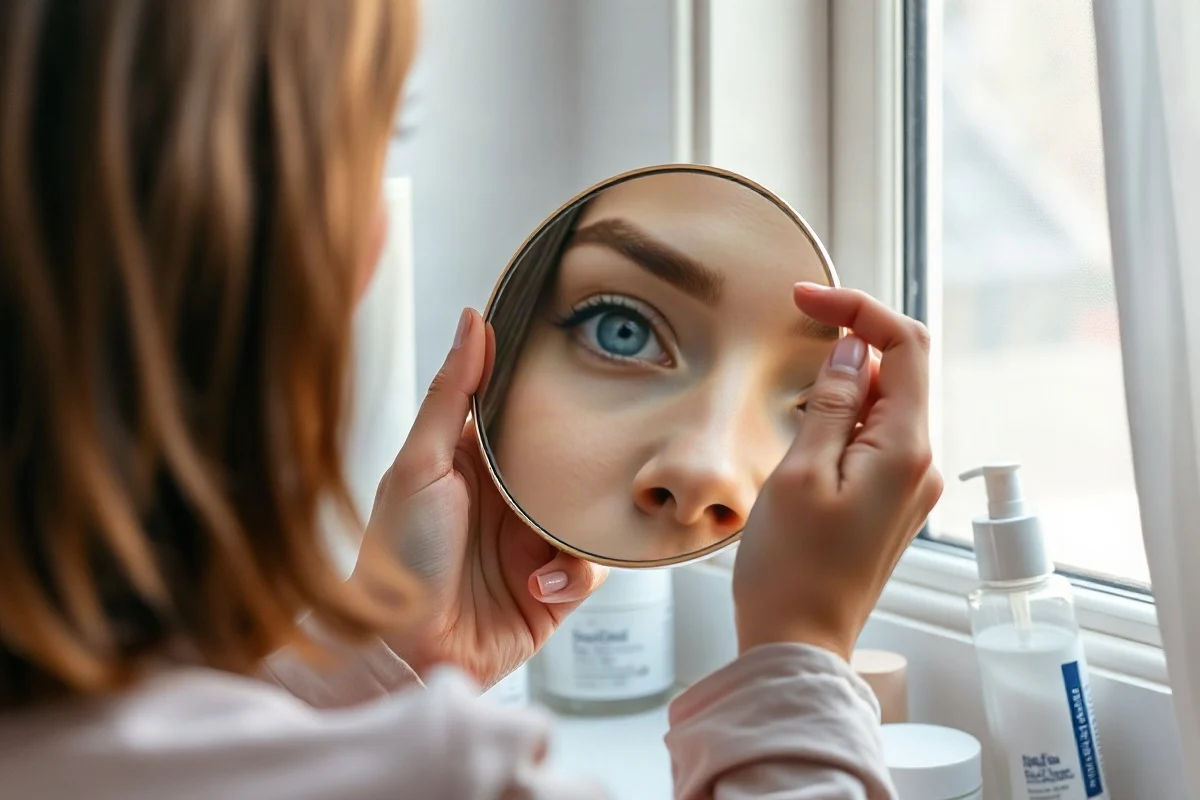
Brown dark circles usually look tan, brown, or gray-brown because extra pigment is visible in the skin. Blue or purple dark circles tend to look cooler in tone and may be linked to visible blood vessels, thinner under-eye skin, or shadows from the eye area’s structure. Many people have a combination of pigment, visible vessels, puffiness, and shadowing rather than one single type.
Knowing whether your circles look primarily brown or blue can help you choose more appropriate cosmetic care. It cannot diagnose the reason they appear, and an eye cream may improve the look of the skin without changing every factor that contributes to under-eye darkness.
What brown dark circles look like
Brown dark circles usually appear warm or neutral in tone. Depending on your skin tone and lighting, they may look tan, medium brown, deep brown, or gray-brown. The color often remains relatively noticeable in different lighting conditions, although shadows can make it appear more intense.
Visible pigmentation can be influenced by sun exposure, repeated rubbing, irritation, and individual differences in how the skin produces and retains pigment. Some people also notice more uneven color after inflammation or irritation around the eyes. The under-eye area is delicate, so rubbing, harsh cleansing, and poorly tolerated products may make the appearance of uneven tone more noticeable over time.
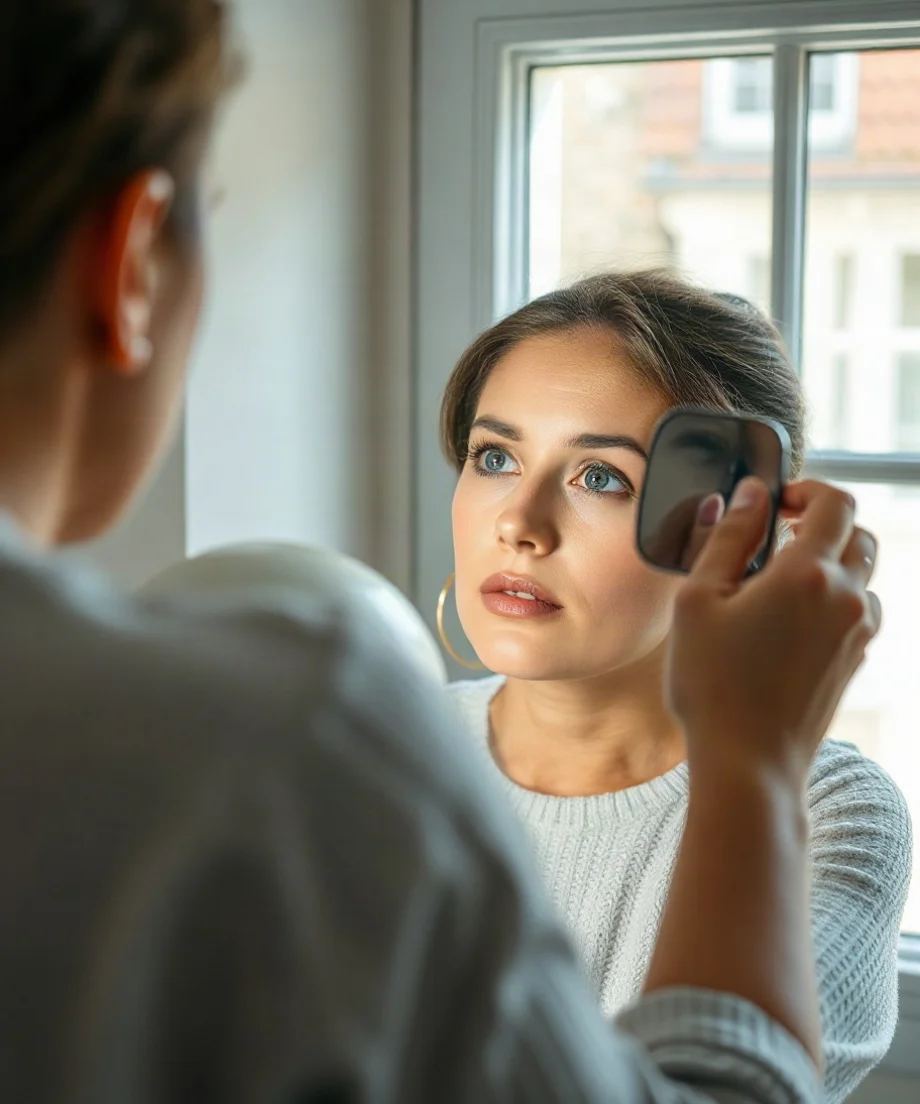
Brown discoloration is usually a surface-color concern rather than a sign that the skin is simply transparent. That means a routine focused on daily sun protection, gentle care, and well-tolerated brightening ingredients may be more relevant than a routine aimed only at temporary cooling or de-puffing.
What blue or purple dark circles look like
Blue, violet, or purple circles often have a cooler appearance. They may be more noticeable when the skin looks thin, dry, tired, or temporarily congested. In some people, the color comes from the way light interacts with visible vessels beneath the skin. In others, the blue appearance is partly caused by a hollow or shadow beneath the eye.
Under-eye skin is naturally thin, and its appearance varies from person to person. Genetics, age-related changes, skin transparency, and the shape of the eye socket can all affect how much color or shadow is visible. Poor sleep is not the only possible explanation, and getting more sleep may not completely change the appearance.
Blue circles can also look different throughout the day. Temporary puffiness may make shadows more pronounced in the morning, while dehydration, facial movement, or overhead lighting can change how the area looks later. A product that offers a cooling sensation may make the area feel refreshed, but that sensation should not be confused with a permanent change in color.
Brown versus blue dark circles at a glance
- Brown or gray-brown: Often appears warm or neutral and may remain visible across different types of lighting.
- Blue or purple: Usually has a cooler tone and may be more noticeable when the skin is thin or when shadows are present.
- Shadow-related darkness: May look different when you change the light source, facial angle, or expression.
- Mixed circles: Can include brown pigment, blue tones, puffiness, and structural shadows at the same time.
This comparison is a visual guide, not a diagnostic test. A mirror in natural daylight can provide a more useful starting point than a bathroom with strong overhead lighting, but even daylight cannot identify the precise underlying cause.
How to tell which type you may have
Look at the color in natural, indirect light
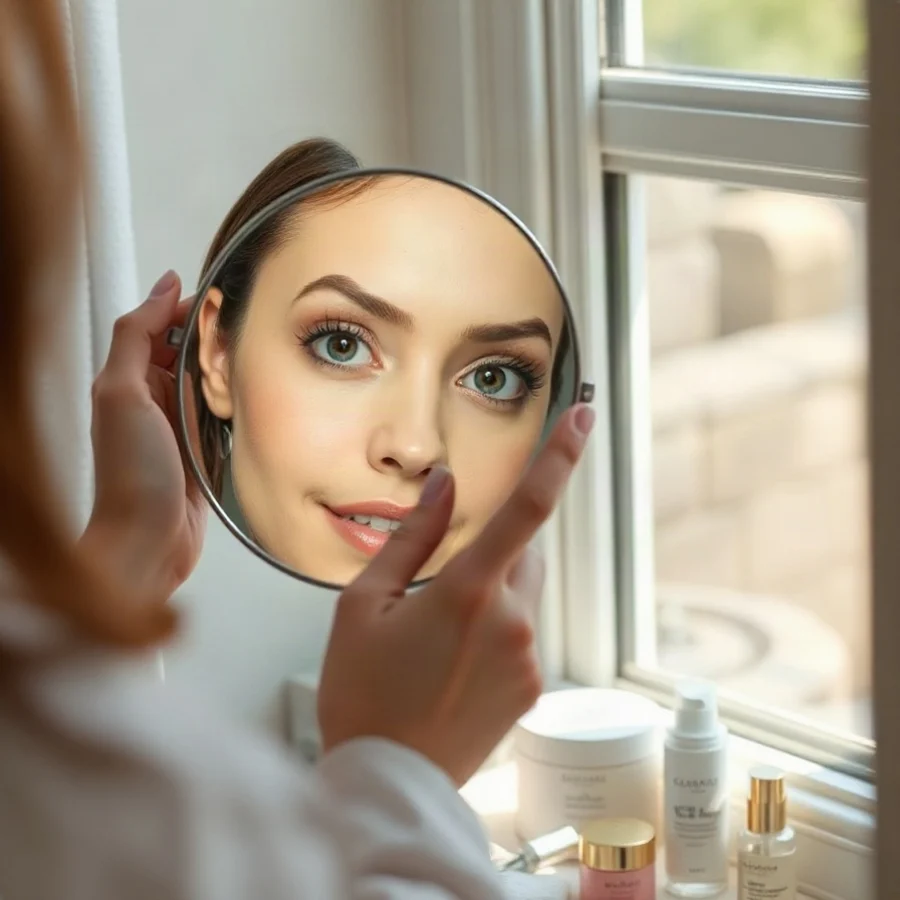
Stand near a window without placing your face in direct sunlight. Compare the under-eye area with the surrounding skin. If the darkness looks mostly tan, brown, or gray-brown, pigment may be a more noticeable part of the appearance. If it looks blue, violet, or purple, visible vessels or thin-looking skin may be contributing.
Change the angle of your face
Turn your face slightly toward and away from the light. If the darkness changes dramatically with the angle, shadowing from the eye socket, tear trough, or puffiness may be involved. Shadows can overlap with both brown and blue tones, so a change in appearance does not automatically identify one category.
Gently stretch the skin only as an observation
Some people compare the color with the skin gently flattened, but the under-eye area should never be pulled firmly. If the darkness looks less blue when the skin is lightly supported, transparency or shadow may be contributing. This simple observation is not a reliable way to determine the cause and should not involve pressure or repeated stretching.
Ingredients that may suit brown-looking circles
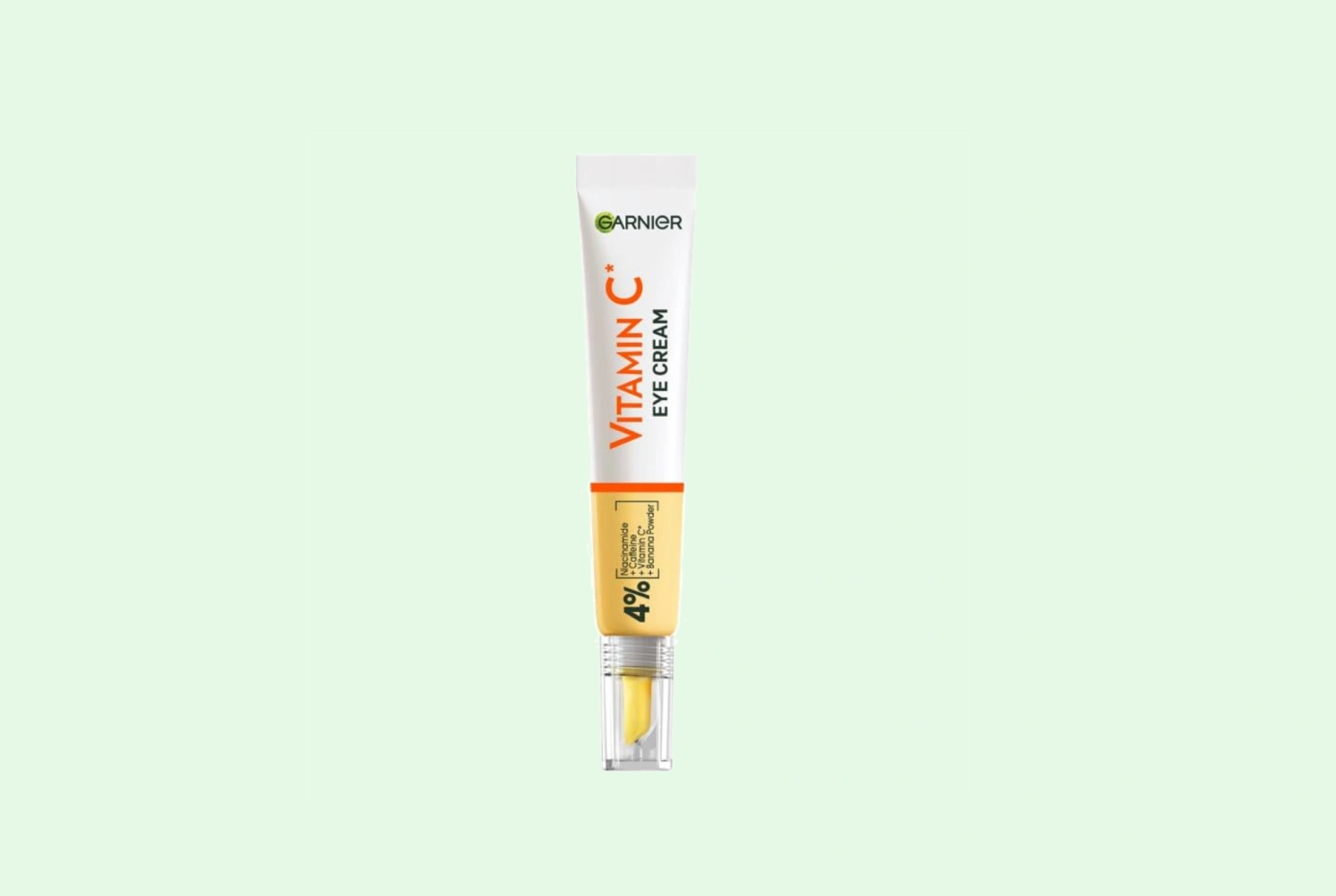
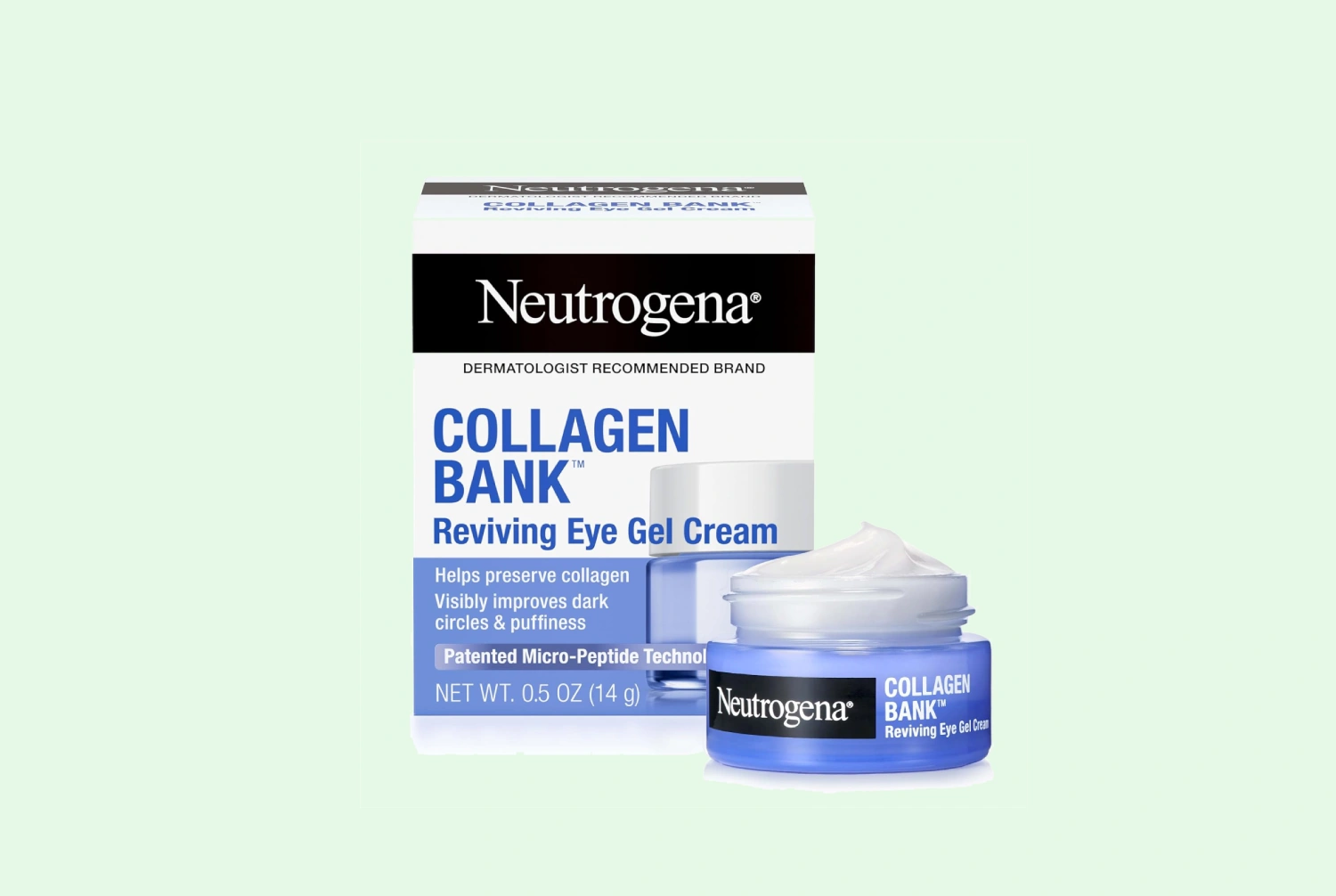
For brown-looking discoloration, shoppers often look for ingredients associated with more even-looking skin tone. Vitamin C derivatives, niacinamide, licorice-root extracts, and other brightening ingredients may appear in eye products, but formulas and tolerability vary. An ingredient’s presence does not guarantee a particular cosmetic result.
Daily broad-spectrum sunscreen around the eye area, when the product is labeled for that use and does not irritate you, can help limit additional visible sun-related color changes. Sunglasses and physical shade can also reduce direct sun exposure. Sunscreen should not be applied so close to the eye that it causes stinging, and product directions matter.
For a broader look at common ingredients and their roles, see this eye cream ingredient guide. Product formulas can change, so check the current packaging or the manufacturer’s ingredient list before buying or relying on a specific formula.
Ingredients and habits that may suit blue-looking circles
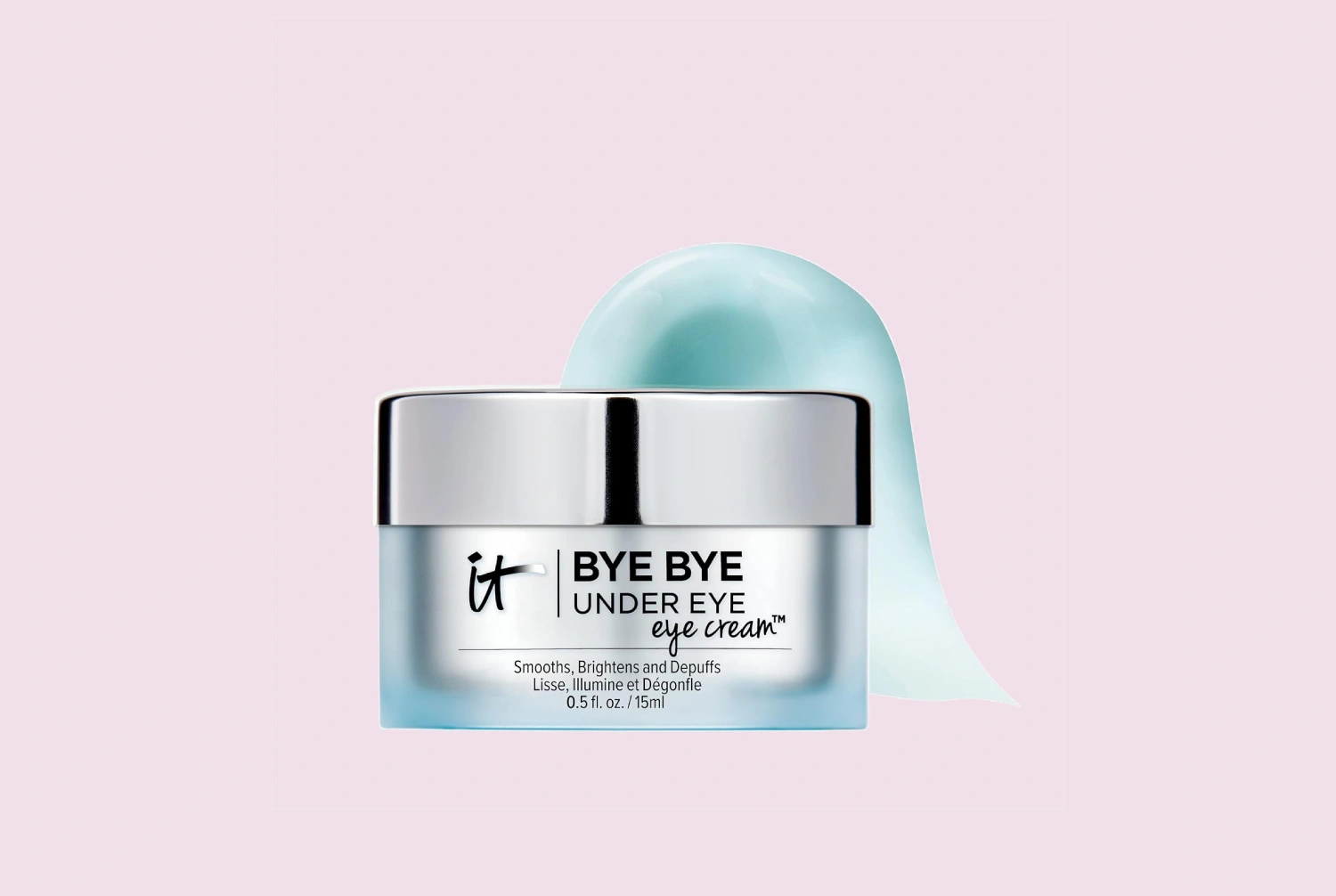
Blue-looking circles can be more difficult to change with topical skincare because visible vessels, skin thickness, and facial structure may play a role. Caffeine is commonly used in eye products designed for the appearance of puffiness, and some people prefer it for a temporarily more refreshed look. It should not be treated as a guaranteed solution for blue discoloration.
Hydrating ingredients and a gentle moisturizer may make dry, crepey-looking skin appear smoother, which can soften the overall look of the area. If puffiness is contributing to shadows, a cool compress used gently for a short period may feel soothing. Avoid placing ice directly on the skin.
Retinoids and retinol products are sometimes chosen for the appearance of fine lines and texture, but the eye area can be particularly sensitive. If you use a retinol product, follow its label, introduce it cautiously, avoid getting it into the eyes, and stop if you develop persistent burning, redness, swelling, or peeling. People with sensitive skin may prefer to review options in this sensitive-skin eye care guide before choosing an active formula.
How to choose an eye cream for your type of darkness
Start with the most visible concern rather than trying several strong products at once.
- If brown tone is your main concern: Consider a gentle, well-tolerated formula with a brightening ingredient, plus sun-protection habits during the day.
- If blue tone or shadow is more noticeable: Consider hydration, gentle application, and products marketed for the appearance of puffiness or tired-looking skin.
- If you have both: Use a simple moisturizing base first. Add only one targeted active at a time so you can better judge comfort and tolerance.
- If fine lines are also present: Choose a routine that does not leave the skin dry or irritated. Fine lines can make both pigment and shadow appear more pronounced.
Apply eye products with a light touch. Use a small amount as directed, keep it away from the lash line if the label advises that, and avoid rubbing. Patch testing can be useful when a product contains a potentially irritating active, although a small-area test does not guarantee that the product will be comfortable around the eyes.
Why one eye cream may not change the color completely
Dark circles are often multifactorial. Pigment may sit alongside visible vessels, hollowing, puffiness, dryness, fine lines, and naturally occurring shadows. A topical product may improve hydration or the look of surface tone while leaving structural shadowing unchanged.
Lighting, allergies, rubbing, and temporary congestion can also affect what you see from day to day. Cosmetic care is best judged over a reasonable period of consistent use rather than after one application. Even then, results can be subtle and individual.
Color-correcting makeup can provide a more immediate cosmetic change. Peach, salmon, or orange-based correctors may help balance some blue or purple tones, while a concealer matched to your skin can reduce the appearance of brown discoloration. The most flattering shade depends on your skin tone and the intensity of the darkness. Remove makeup gently at the end of the day to avoid unnecessary rubbing.
When to simplify your routine
If the under-eye area stings, burns, becomes persistently red, flakes, or swells after using a product, stop using it and allow the skin to settle. Avoid layering multiple exfoliating, retinoid, or brightening products near the eyes without a clear reason. Fragrance and essential oils can also be uncomfortable for some people, particularly around delicate skin.
If discoloration or swelling appears suddenly, affects only one side, causes pain or vision changes, or comes with other concerning symptoms, seek medical advice. A healthcare professional can evaluate changes that skincare products are not designed to diagnose or treat.
A practical way to build your routine
Keep the first step simple: cleanse gently, moisturize if needed, and protect the area from direct sun exposure. Then choose one targeted product based on whether brown tone, blue tone, puffiness, dryness, or shadowing is most noticeable. Give your skin time to adjust, follow the label, and stop if irritation develops.
For help organizing products by concern and skin needs, use the under-eye routine builder. The goal is not to force your circles into a single category. It is to select comfortable, realistic care for the features you can actually see and to keep expectations grounded.

I always thought dark circles were just dark circles. I didn’t know the color could offer clues about what’s causing them.
This explains the difference clearly without making it sound like there’s one quick fix for everyone.
The section about skin tone and lighting stood out to me. Under-eye discoloration can look so different from one person to another.
Makalenin her şeyi uyku eksikliğine bağlamak yerine, olası birkaç nedeni açıklaması hoşuma gitti.Bu mantıklı. Bazı sabahlar, hiçbir değişiklik yapmamış olmama rağmen göz altı morluklarım çok daha belirgin görünüyor…
I appreciate that the article focuses on possible causes instead of recommending a bunch of products.
This answered a question I’ve had for a while. A follow-up about when to ask a dermatologist would be useful.