

Sensitive Skin
Moisturizer for Dry Sensitive Skin
Learn how to choose a moisturizer for dry sensitive skin, including helpful ingredients, potential irritants, application tips, and realistic expectations for the under-eye area.

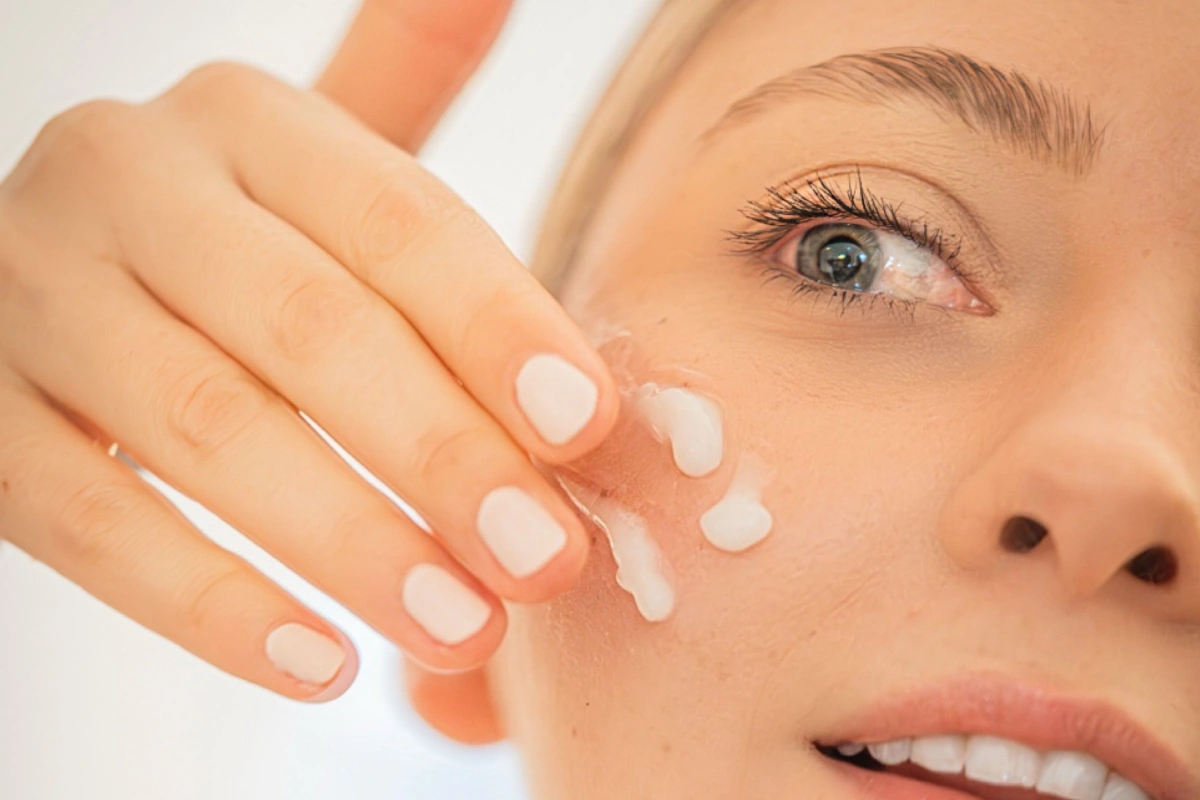
Choosing an eye cream for dark circles when your skin is sensitive calls for a thoughtful, low-pressure approach. The under-eye area may feel more delicate than the rest of the face, and visible darkness can have several contributing factors, including natural pigmentation, shadows, dryness, and the way the skin reflects light. An eye cream may support hydration and a smoother-looking surface, but no single formula works for everyone or addresses every reason the area looks darker. This category offers practical, evidence-informed guidance for comparing options while keeping expectations realistic and personal.
Learn how to read an eye cream label with greater confidence, especially when your skin is easily irritated or reactive. Articles here explore how to evaluate fragrance, essential oils, exfoliating ingredients, vitamin C, retinoids, brightening ingredients, and moisturizing components without assuming that an ingredient is universally good or bad. A shorter ingredient list can be easier to assess, but simplicity alone does not guarantee comfort. Pay attention to the formula as a whole, the product’s texture, and your own history with particular ingredients.
Type an ingredient, product type, skin concern or question. Results stay inside this category.
Learn how to choose a moisturizer for dry sensitive skin, including helpful ingredients, potential irritants, application tips, and realistic expectations for the under-eye area.
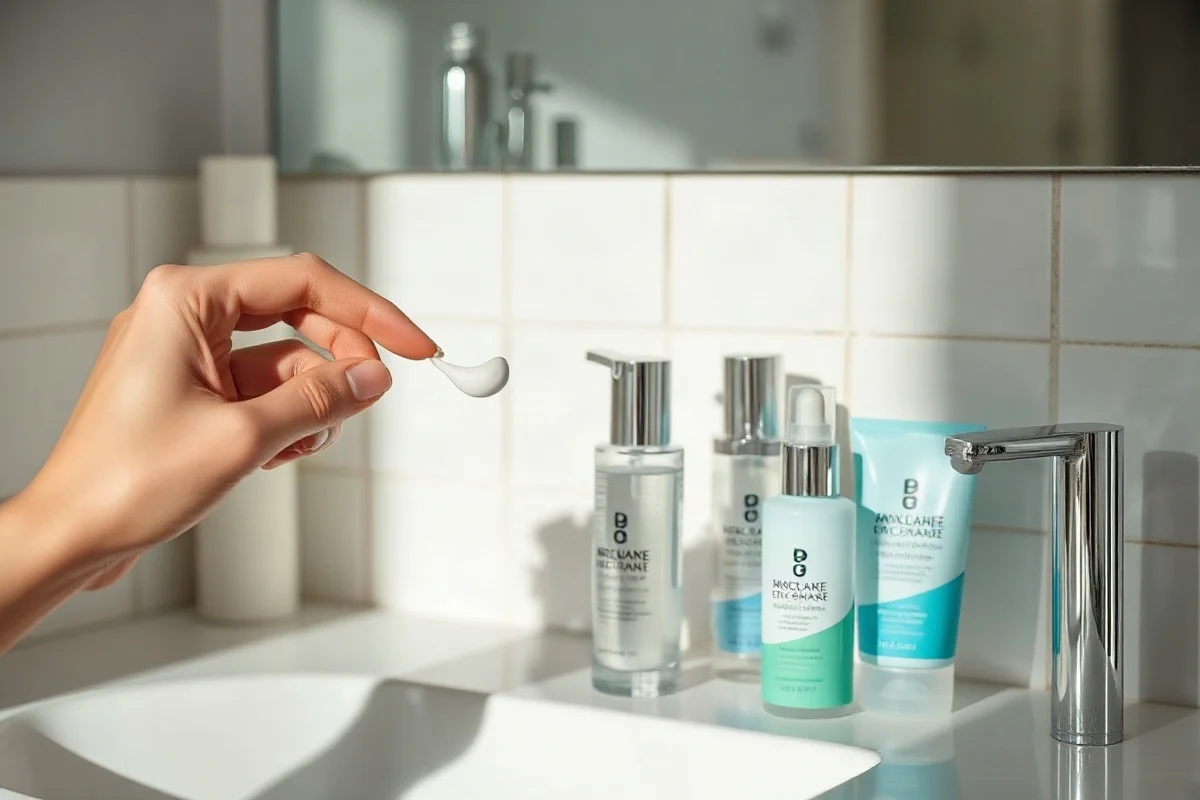
A gentle, step-by-step approach to adding eye cream to a sensitive-skin routine, including patch testing, ingredient choices, application tips, and signs to pause.
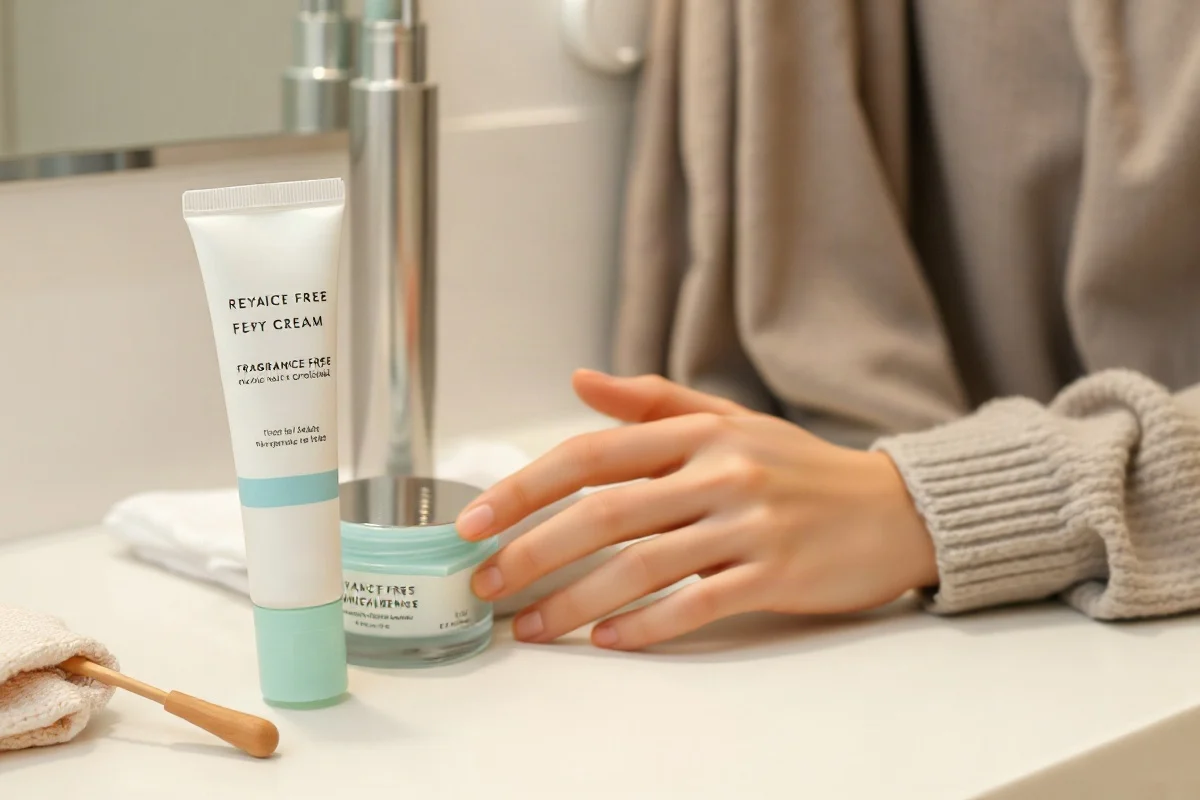
Learn how to choose an eye cream for reactive skin, including which ingredients to prioritize, which formulas to approach carefully, and how to introduce a new product.
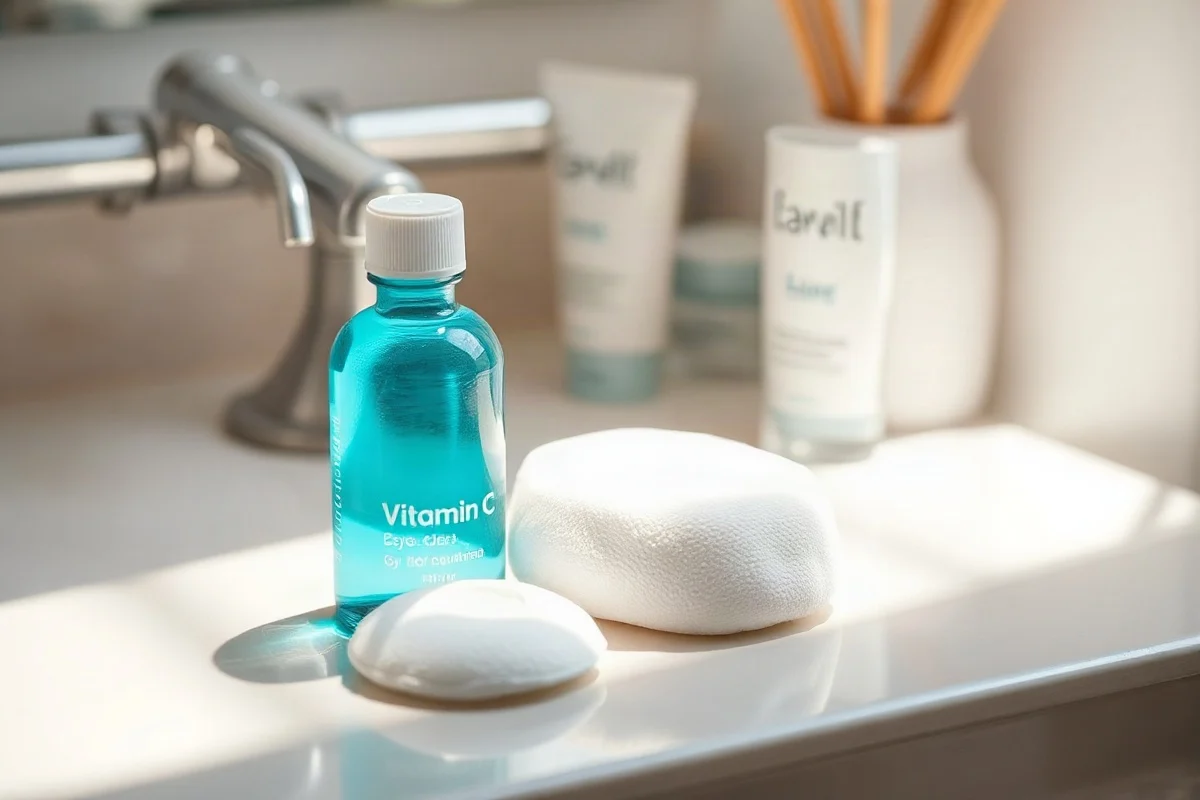
Vitamin C can irritate the under-eye area, especially when the formula, concentration, or application routine is not well suited to sensitive skin. Learn how to use it more cautiously.
Sensitive skin often benefits from a gradual, consistent approach rather than frequent product changes. Guidance in this category covers ways to keep an eye-area routine simple, introduce one new product at a time, and apply a small amount without rubbing or tugging. Applying eye cream to clean, dry skin and keeping it away from the eye itself may make the experience more comfortable, while a lightweight or richer texture can be chosen according to personal preference and the rest of your routine. A patch test may provide useful information, although it cannot predict every possible reaction around the eyes.
It is also helpful to separate realistic skin-care goals from marketing language. Hydrating ingredients may temporarily make the under-eye area look smoother and less crepey, while some formulas can make the appearance of darkness seem softer over time. Results depend on the cause and visibility of the concern, as well as regular use, sun protection, sleep, genetics, and other everyday factors. An eye cream is not a substitute for a broad facial sunscreen or sunglasses, and using more product will not necessarily produce better results.
If an eye cream causes persistent burning, swelling, significant redness, itching, or another concerning reaction, stop using it rather than continuing to test it. Seek advice from a qualified healthcare professional when irritation does not settle or when you have ongoing concerns about the skin around your eyes. You do not need the most expensive product or the most complicated routine to make a thoughtful choice. Explore these guides for clear explanations of ingredients, application habits, and eye cream considerations for sensitive skin, with information intended for general education rather than diagnosis or treatment.
Eye cream labels can be hard to compare. We explain common ingredients, make product claims easier to understand, and set realistic expectations for concerns like dryness, puffiness, and dark circles.
How we create our guidesIngredient explainers in plain English
Practical comparisons and routines
Realistic expectations for eye care