
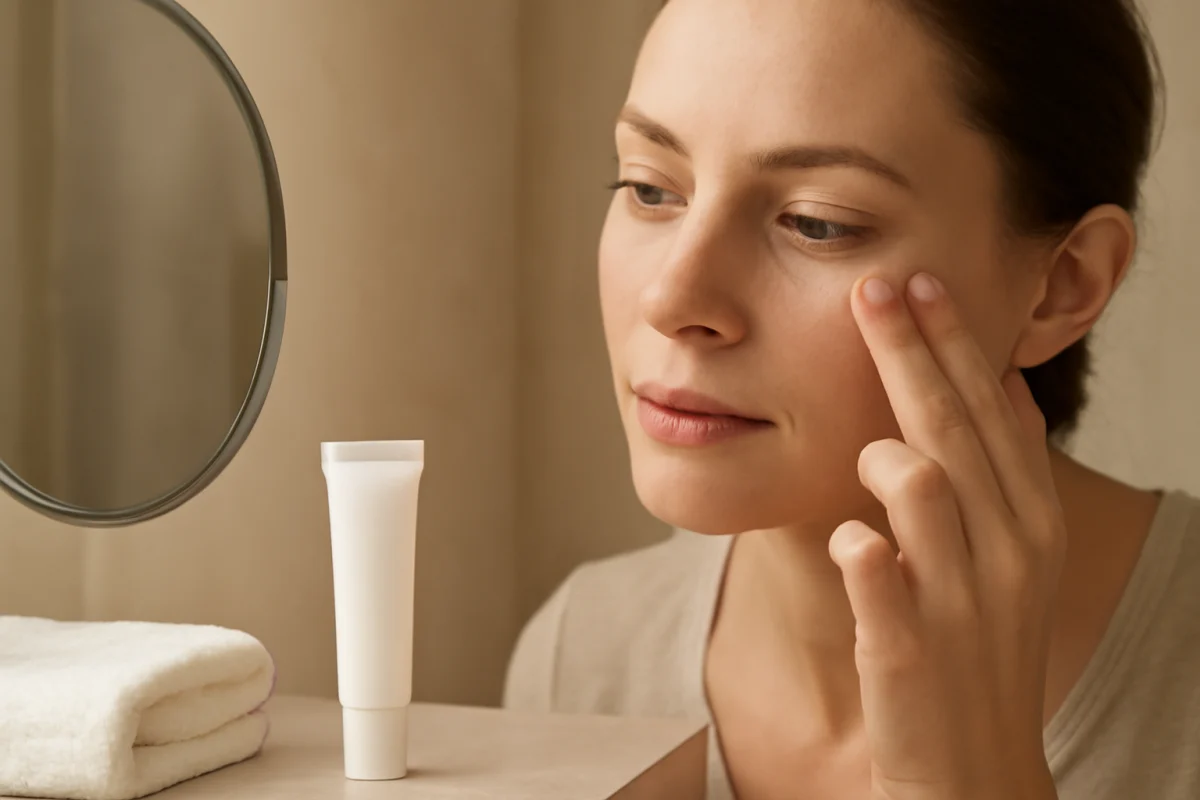
Vitamin C Eye Cream
Can Vitamin C Brighten Tired-Looking Under-Eyes?
Vitamin C may help under-eyes look brighter and more even over time, but results depend on the cause of darkness, the formula, and your skin’s tolerance.
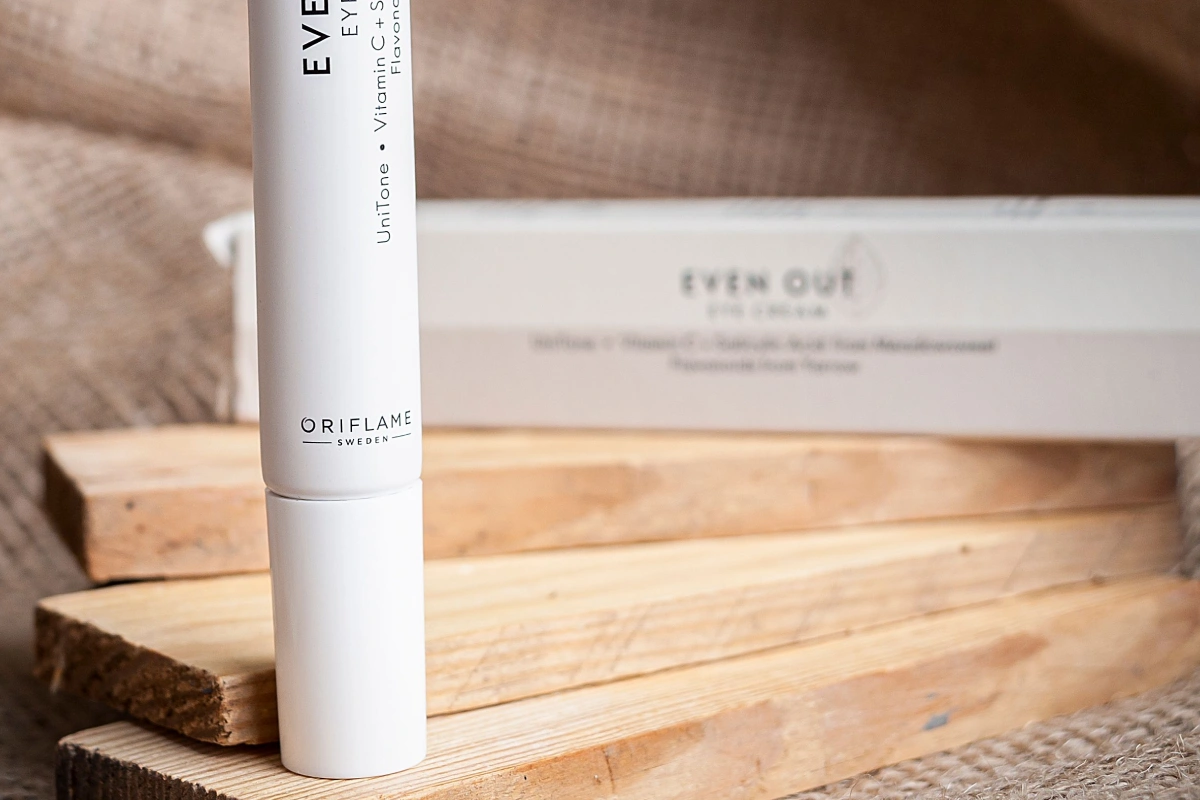

Vitamin C eye cream is formulated for the delicate-looking skin around the eyes, where many people want to improve the appearance of dullness, uneven tone, and visible signs of tiredness. Some formulas use pure vitamin C, while others rely on derivatives designed for different levels of stability, texture, or compatibility with the skin. Supporting ingredients may include humectants, emollients, antioxidants, and soothing agents that help create a comfortable, moisturized feel. Since the under-eye area can be more reactive than the rest of the face, the overall formula matters as much as the featured ingredient.
This category explains what to look for when comparing vitamin C eye creams, gels, balms, and lightweight lotions. You can learn how common forms of vitamin C differ, why concentration alone does not tell the whole story, and how a formula’s pH may be relevant for certain types of vitamin C. Packaging can also be worth considering: opaque containers, tightly closed jars, and airless pumps may help reduce unnecessary exposure to light and air. Color, scent, texture, and storage conditions can offer useful practical context, although they do not by themselves determine how well a product will suit your preferences.
Type an ingredient, product type, skin concern or question. Results stay inside this category.
Vitamin C may help under-eyes look brighter and more even over time, but results depend on the cause of darkness, the formula, and your skin’s tolerance.
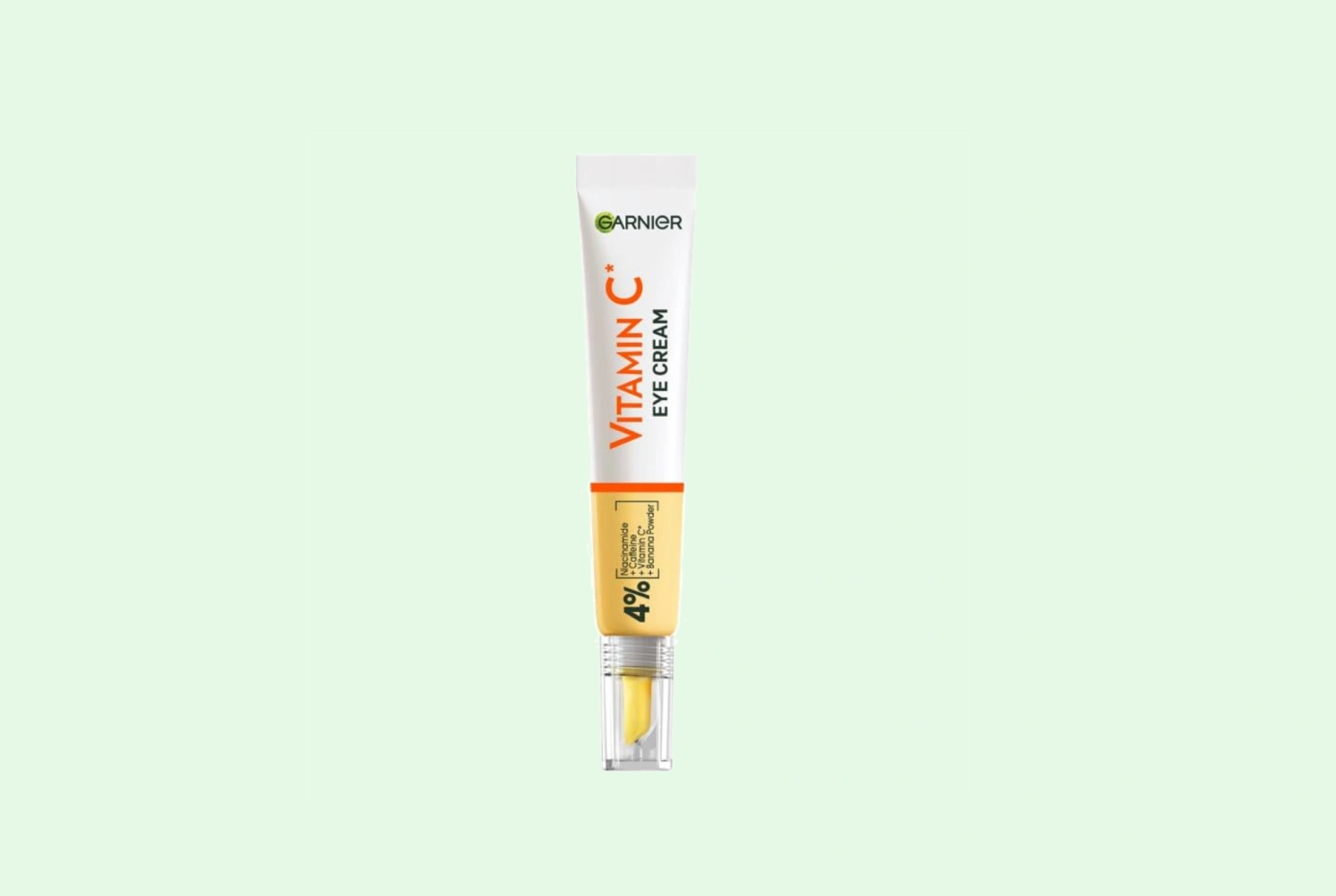
A practical review of Garnier Vitamin C Eye Cream with brightening guidance, dark-circle expectations, puffiness tips, and FAQs.
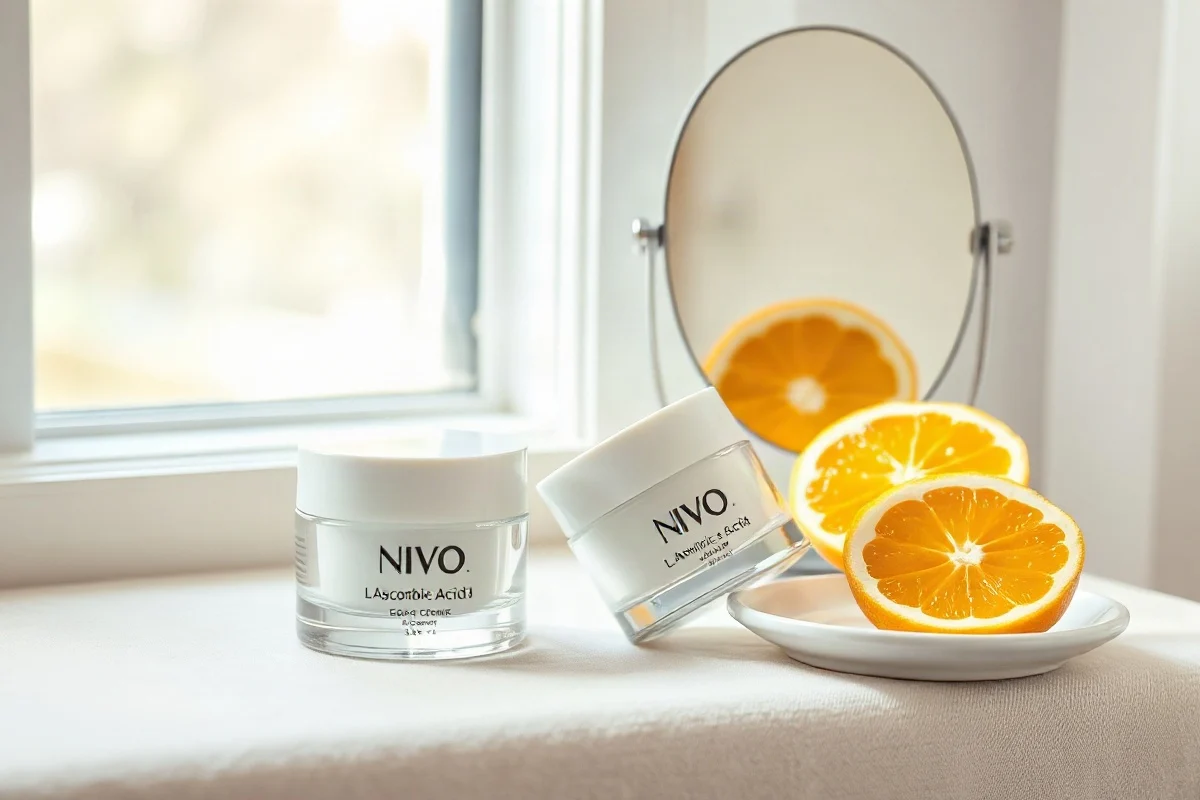
L-ascorbic acid is vitamin C in its direct form, while derivatives are designed for greater stability or gentler use. Learn how to compare them for the delicate under-eye area.

Vitamin C eye cream may sting because the under-eye area is thin and easily irritated. Learn what can cause discomfort, how to adjust your routine, and when to stop using it.

Learn where to keep vitamin C eye cream, how to recognize changes in the formula, and which storage habits can help protect its appearance and usability.
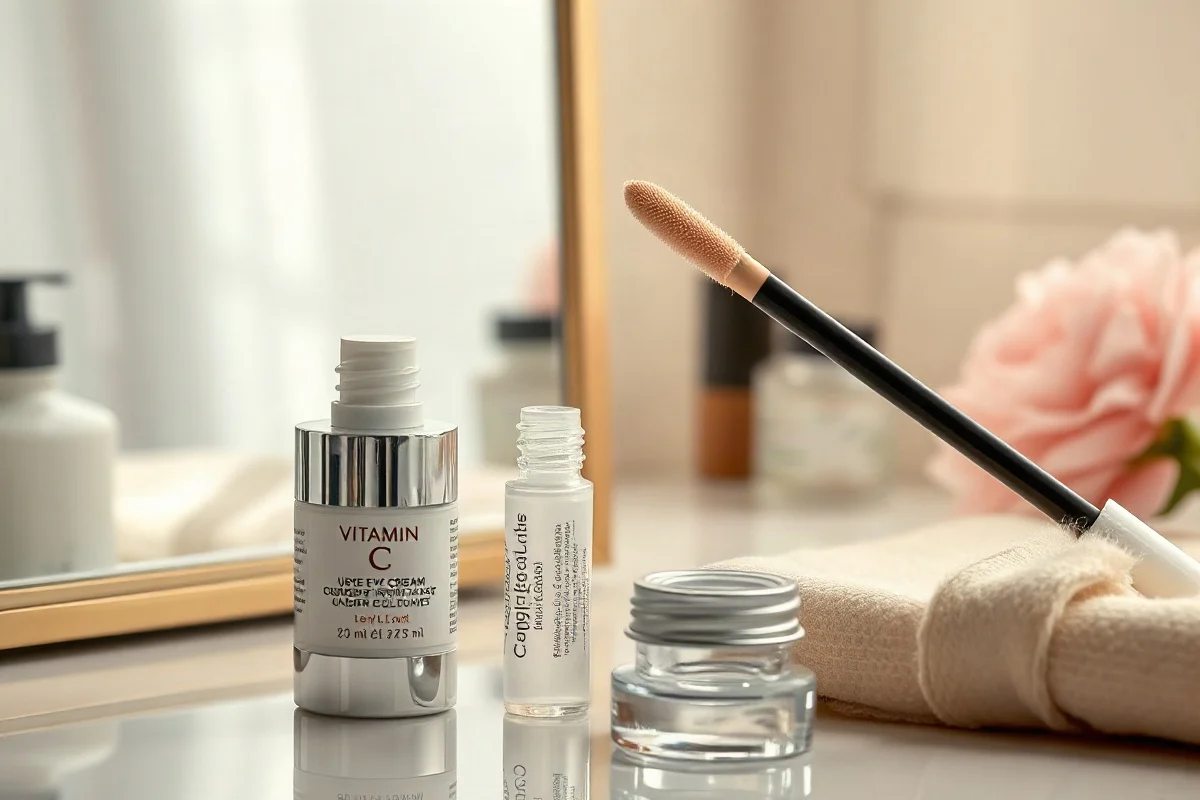
Vitamin C eye cream can fit under concealer when applied sparingly and given time to absorb. Learn how to layer it, reduce pilling, and set realistic expectations.

Vitamin C may support the skin’s collagen-forming processes and improve the look of uneven tone, but results around the eyes depend on the formula, consistency, and the cause of visible concerns.
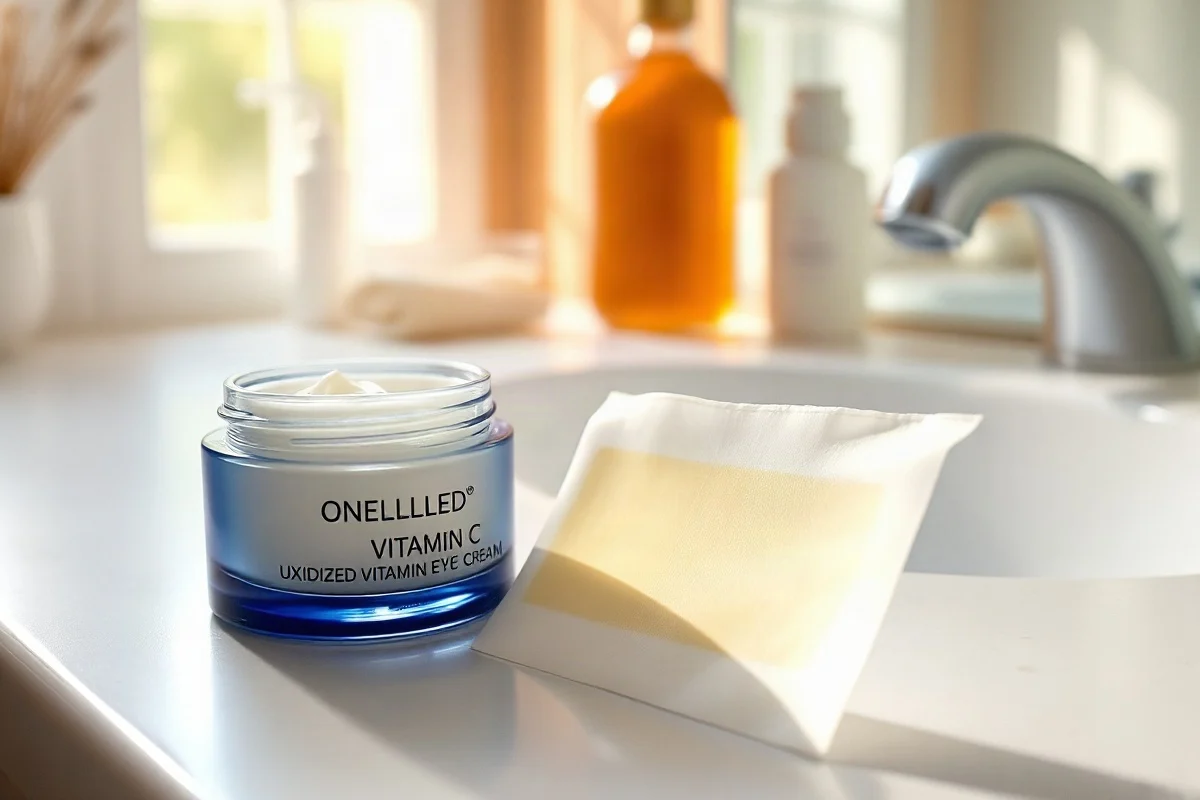
Learn how to recognize possible oxidation in vitamin C eye cream, what color and texture changes may mean, and when replacing the product is the safer choice.

Yes, niacinamide and vitamin C can generally be used around the eyes when the products are formulated for this delicate area. Learn how to combine them carefully, choose suitable formulas, and set realistic expectations.

If vitamin C eye cream causes burning, redness, itching, or swelling, stop using it, gently cleanse the area, and allow your skin to recover before reconsidering the product.
Learn which hydrating, barrier-supporting ingredients pair well with vitamin C for dry under-eye skin, how to layer them, and when to simplify your routine.
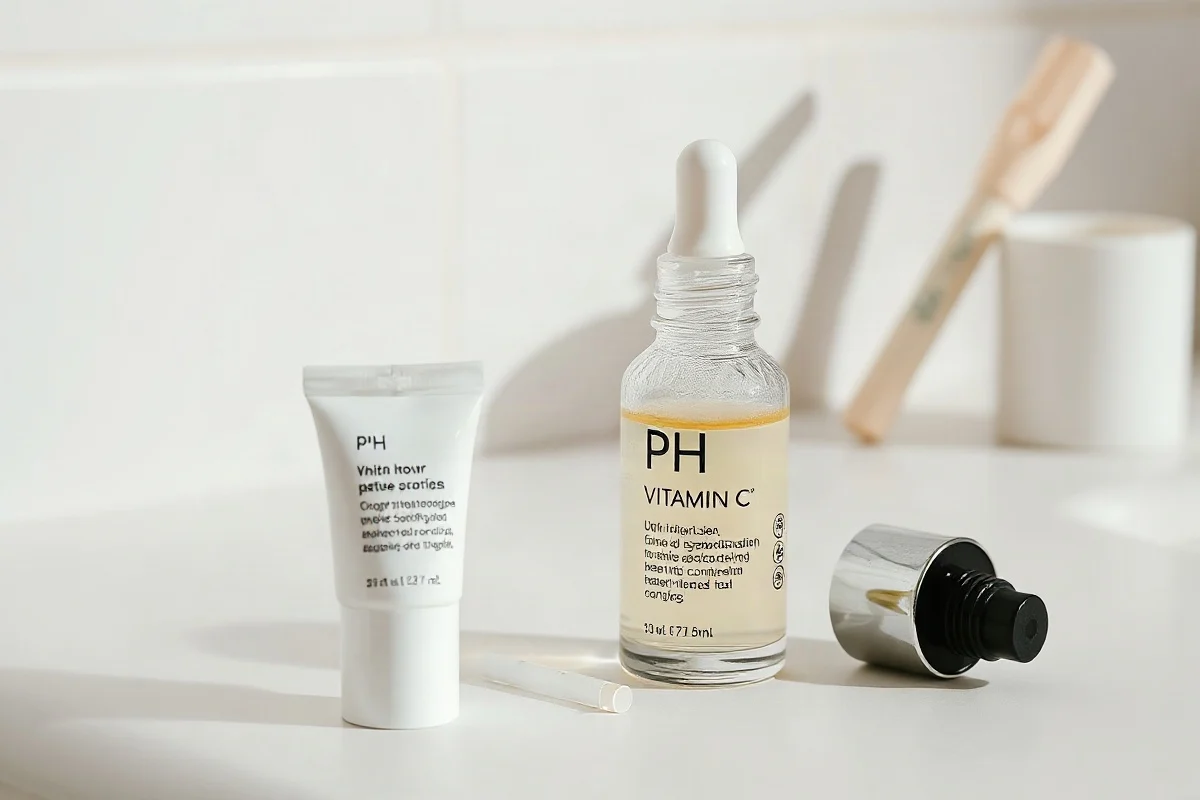
A formula’s pH can influence how certain vitamin C ingredients behave, how comfortable an eye product feels, and which skin types may prefer it.
Using vitamin C around the eyes calls for a gradual, thoughtful routine. Educational guidance in this category covers how much product to use, where to apply it, how often to begin, and why keeping eye cream out of the eyes themselves is important. It also discusses how to introduce a new formula without changing several products at once, making it easier to notice how your skin responds. If the area feels stinging, itchy, unusually dry, or otherwise uncomfortable, pausing use and simplifying your routine may be sensible. Persistent or concerning symptoms are best discussed with a qualified health professional.
Vitamin C eye cream may be used alongside moisturizers and daily sunscreen, which can help support a consistent cosmetic-care routine focused on the appearance of dark circles and uneven tone. Compatibility depends on the complete formula and your existing products, so compare ingredient lists rather than assuming that every vitamin C product works the same way. A lightweight texture may be preferable under makeup, while a richer cream may appeal to those who want a more cushioned, moisturized feel. Individual results and preferences vary, particularly around the sensitive eye area, and no cosmetic formula can address every reason the under-eye area may look darker.
When evaluating products, consider the vitamin C form, the full ingredient list, packaging, texture, fragrance, price, and how your skin responds with regular use. Reviews can help you understand practical details such as spreadability and finish, but personal experiences are not a substitute for broader ingredient information. Explore this category for clear, evidence-informed context on vitamin C eye cream ingredients, application, storage, routine pairing, and everyday use, so you can compare options with realistic expectations and choose a formula that feels comfortable for your skin.
Eye cream labels can be hard to compare. We explain common ingredients, make product claims easier to understand, and set realistic expectations for concerns like dryness, puffiness, and dark circles.
How we create our guidesIngredient explainers in plain English
Practical comparisons and routines
Realistic expectations for eye care