
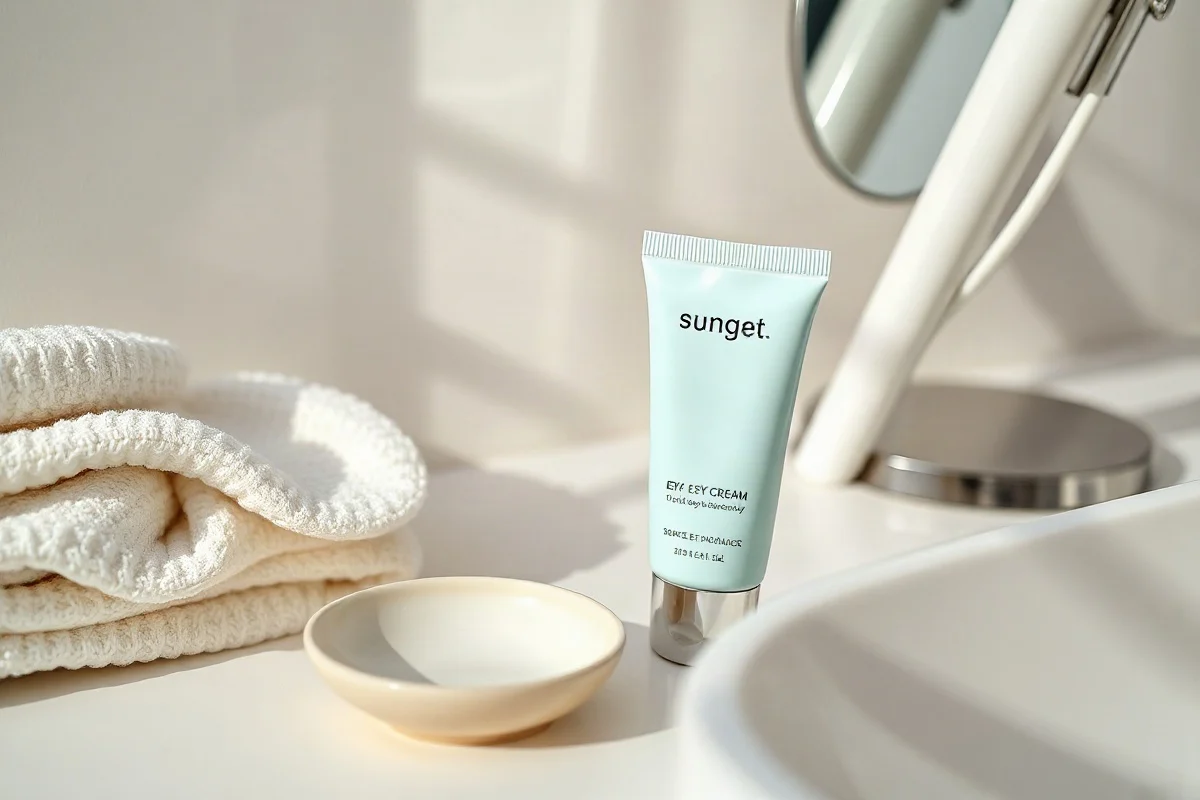
Drugstore Eye Creams
Budget Eye Creams for Dry Under-Eye Skin: What to Look For
Learn how to choose an affordable eye cream for dry under-eye skin, including which moisturizing ingredients to look for, what to avoid, and how to apply it.
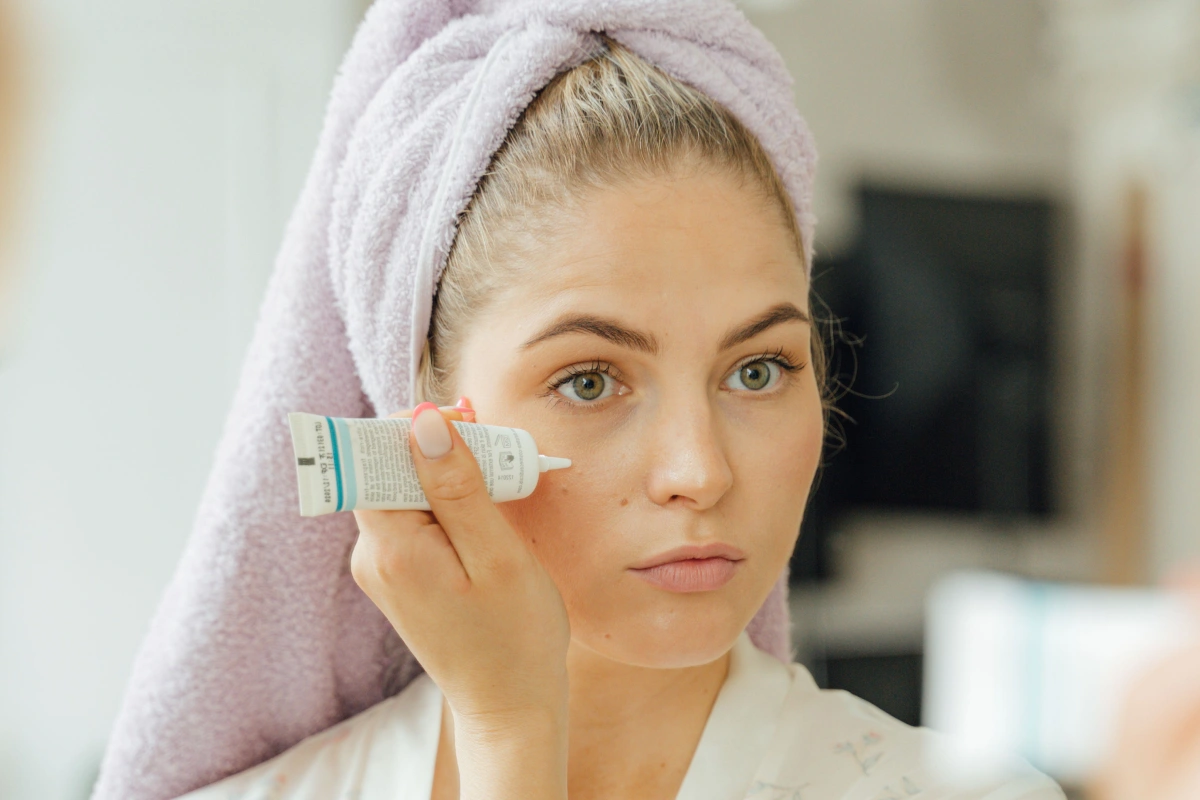
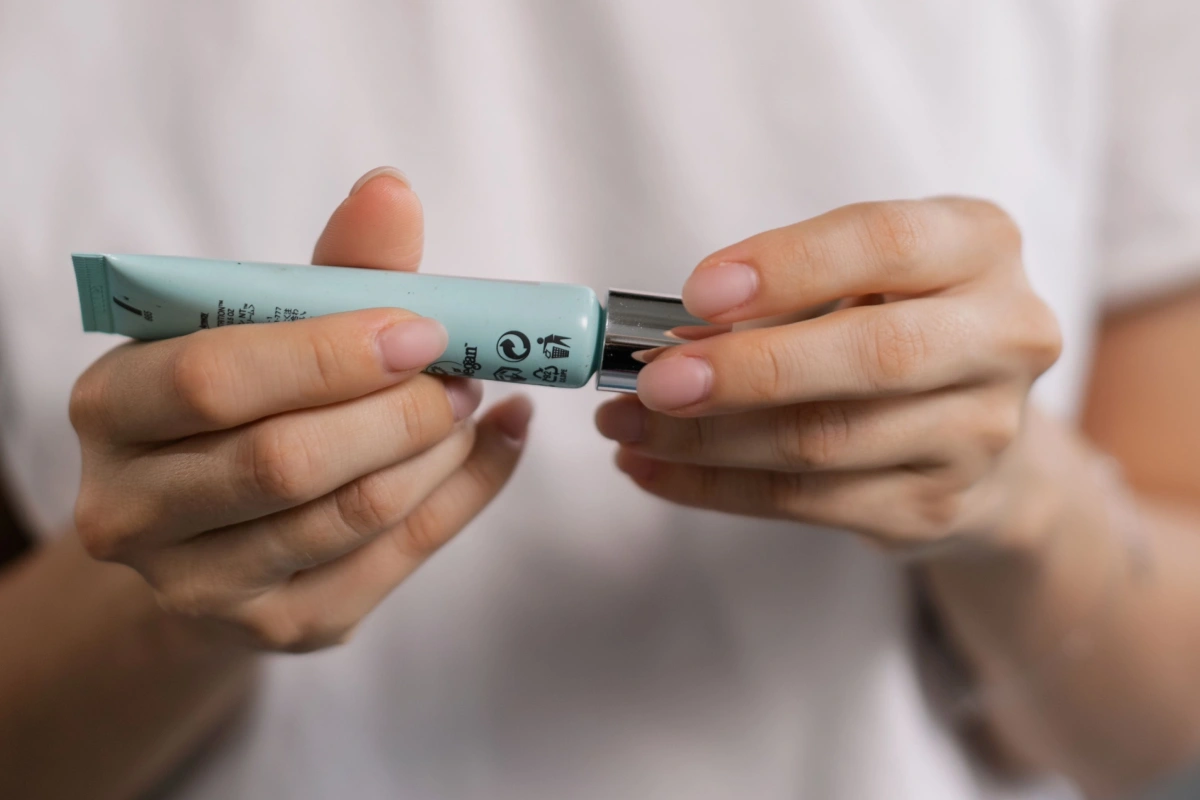
Drugstore eye creams can be a practical place to begin when you are comparing products for the appearance of dark circles and the delicate-looking skin around the eyes. With options ranging from simple moisturizers to formulas featuring ingredients such as caffeine, niacinamide, peptides, or vitamin C, the selection can feel surprisingly broad. This category provides clear, educational guidance for evaluating affordable eye creams by looking at ingredients, texture, packaging, price, and how each product may fit into your existing skincare routine.
Learn how to compare store-brand and name-brand eye creams without assuming that a higher price automatically means a better choice. Product labels and marketing terms can offer useful clues, but they do not tell the whole story. Articles in this category explain what to look for in an ingredient list, how commonly discussed ingredients may support the appearance of the under-eye area, and why a formula’s texture, fragrance, and finish can matter just as much as its headline claims. The goal is to make shopping more straightforward while keeping expectations realistic.
Type an ingredient, product type, skin concern or question. Results stay inside this category.
Learn how to choose an affordable eye cream for dry under-eye skin, including which moisturizing ingredients to look for, what to avoid, and how to apply it.
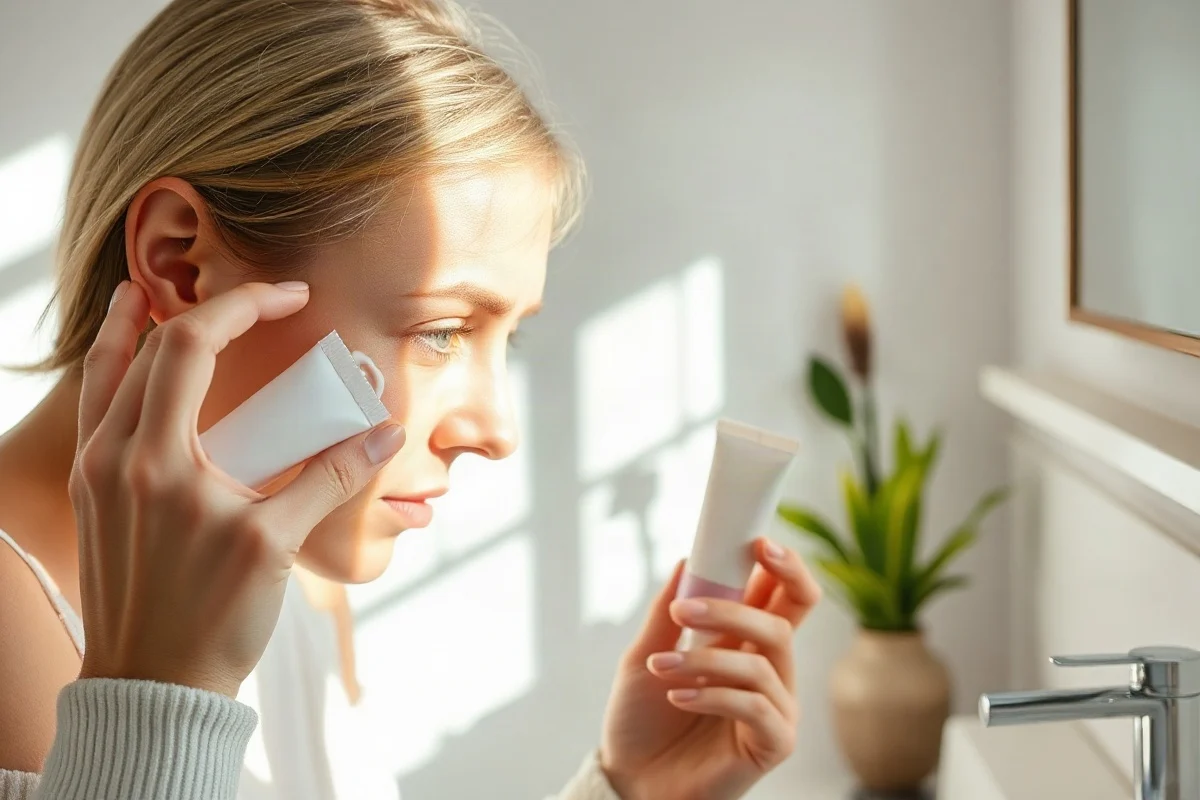
A drugstore eye cream may temporarily improve the look of under-eye puffiness, especially when it contains cooling, hydrating, or caffeine-based ingredients. Here is how to choose and use one realistically.
Learn which drugstore eye cream ingredients may help the look of dark circles, puffiness, dryness, and fine lines—and how to choose a formula without overpaying.
A practical guide to choosing an eye cream budget, comparing drugstore and premium formulas, and paying for ingredients and packaging that fit your needs.
Learn how to choose a fragrance-free drugstore eye cream for sensitive skin, which ingredients may support a comfortable under-eye routine, and what results to realistically expect.
Learn how to choose and introduce a drugstore retinol eye cream, what it may help improve cosmetically, and how to reduce the risk of irritation.

Shopping for eye cream at the drugstore can be confusing. Learn how to avoid common mistakes involving ingredients, expectations, packaging, skin type, and application.
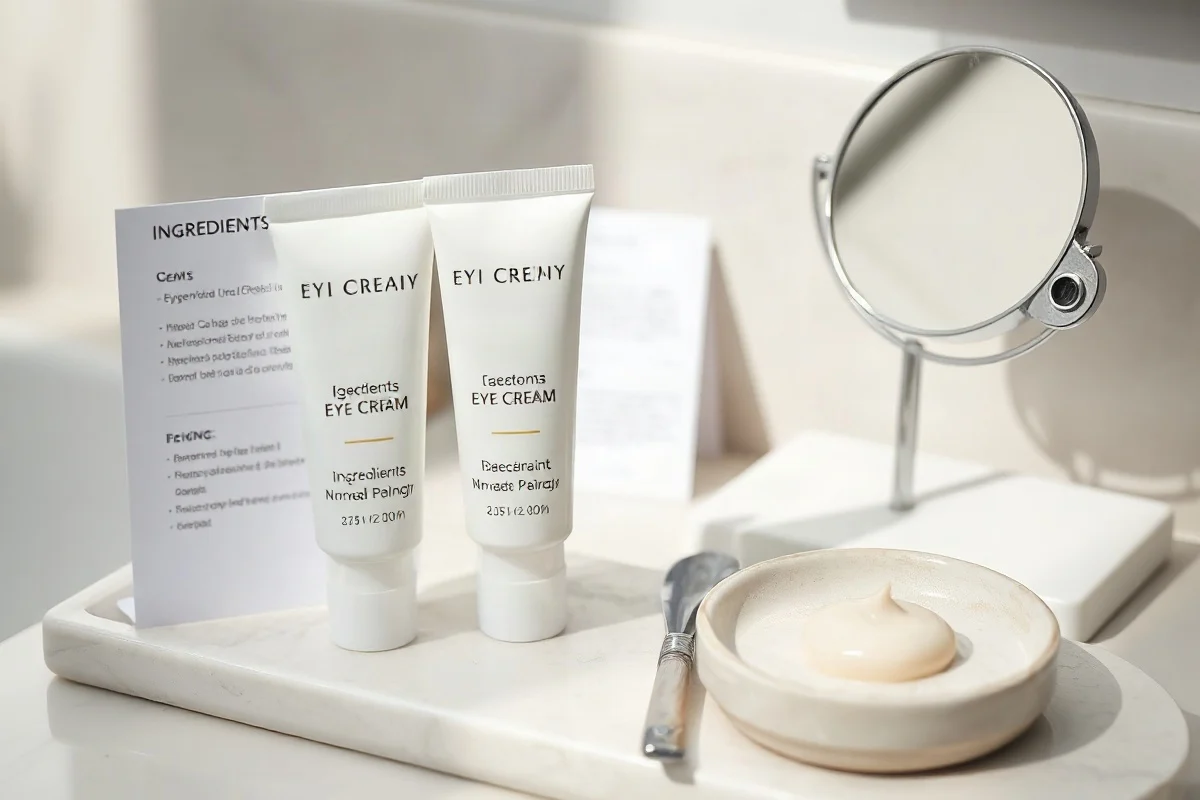
A practical way to compare drugstore eye creams by matching ingredients, texture, packaging, skin needs, and realistic expectations instead of relying on marketing claims.
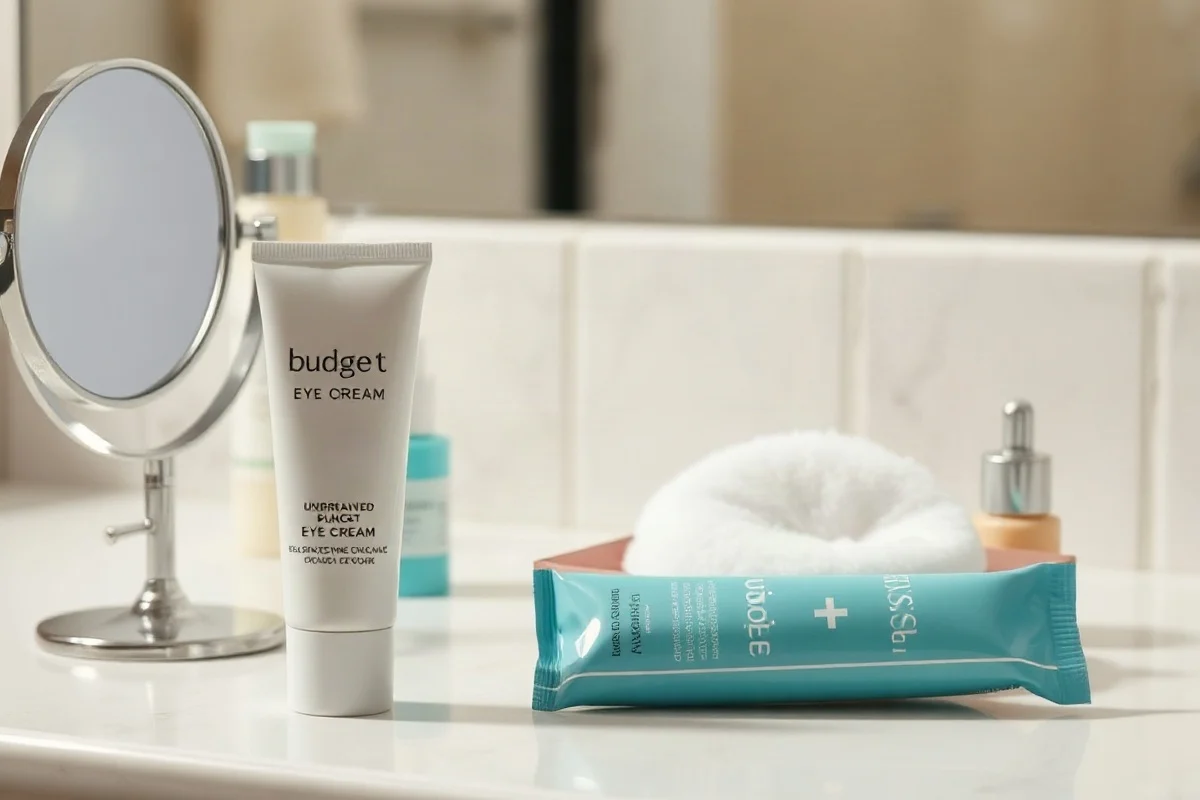
A budget eye cream can be a sensible choice when it supports hydration and fits your skin. Learn when drugstore formulas are enough—and when to spend more.
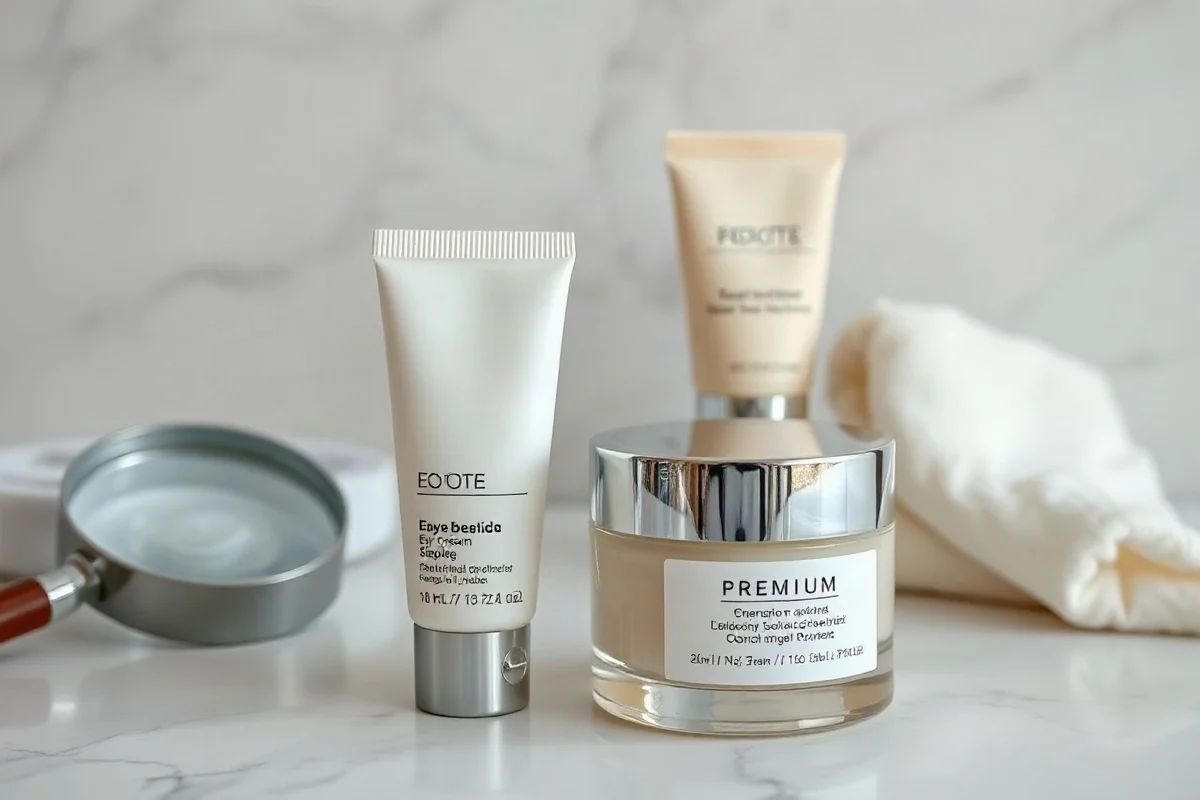
Store-brand eye creams can offer similar types of ingredients and textures as name-brand products, but the label, formula, packaging, and user experience matter more than the brand name alone.
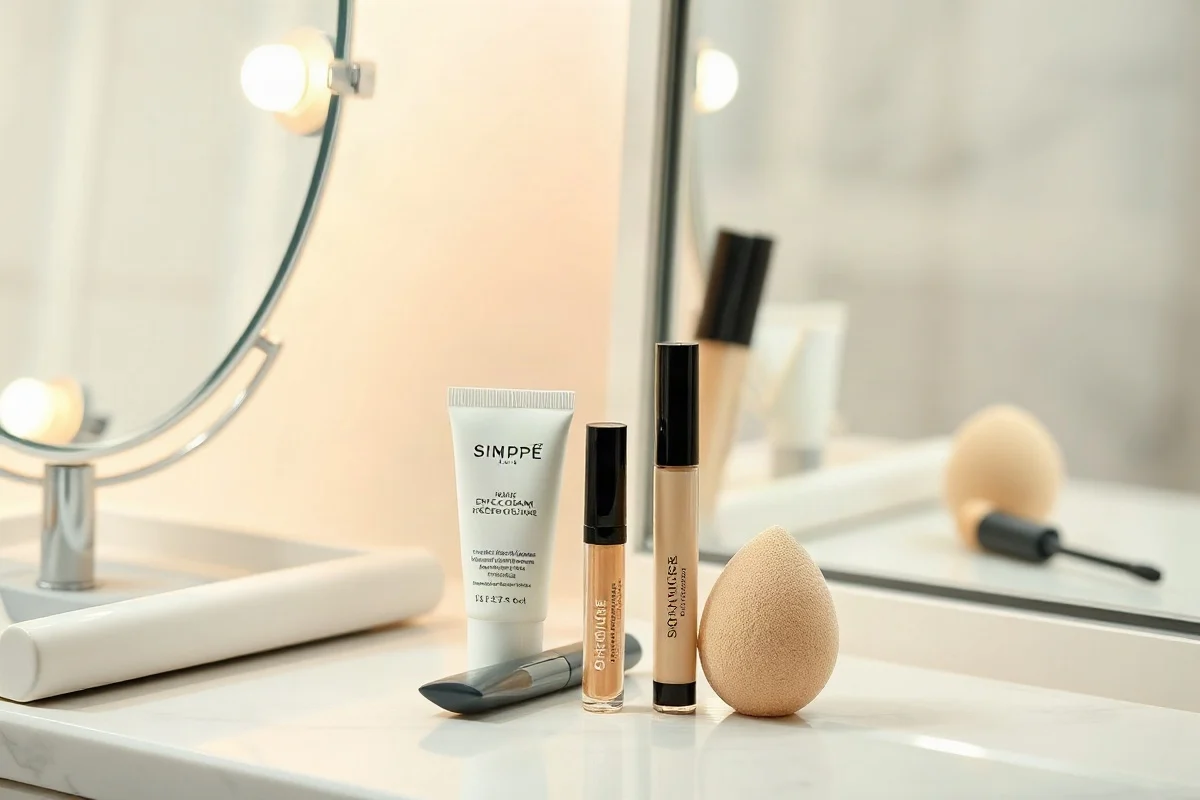
Learn how to choose an affordable eye cream that hydrates, layers smoothly, and helps makeup look more even without pilling, creasing, or feeling heavy.
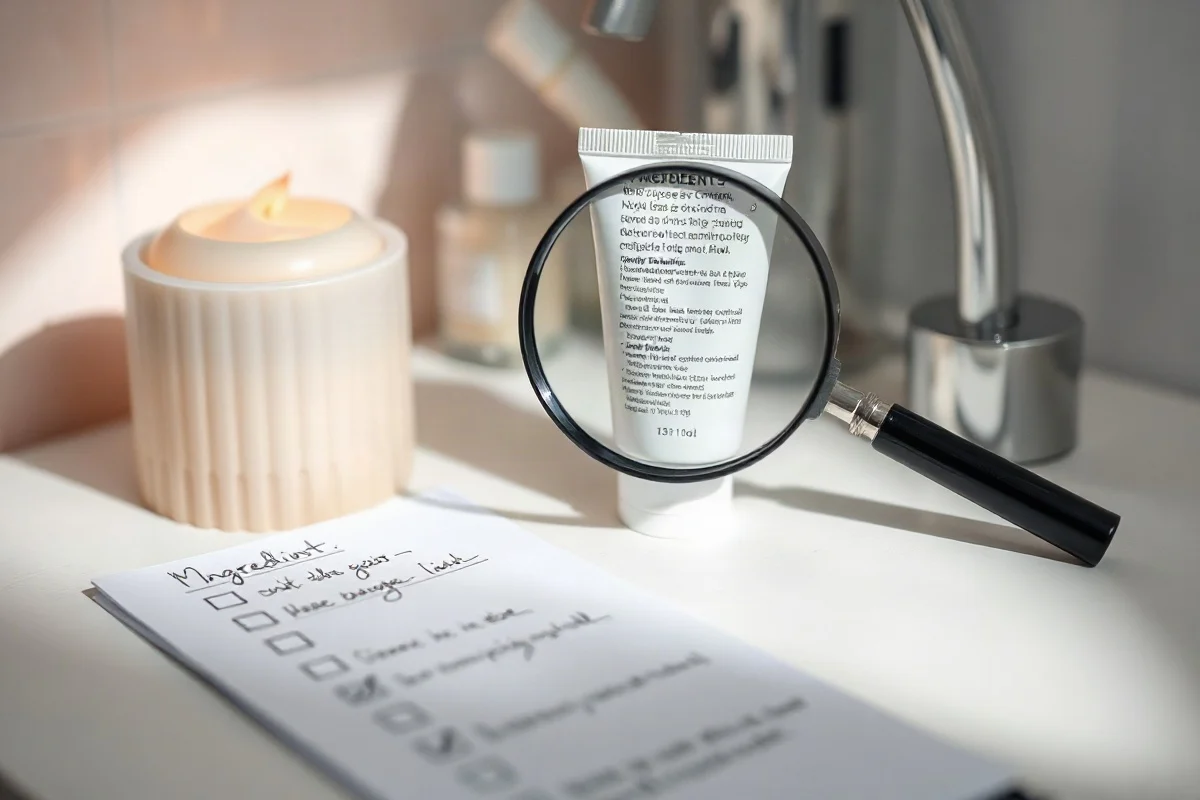
A practical guide to reading a budget eye cream label, from ingredients and packaging to fragrance, active ingredients, and realistic expectations for dark circles and puffiness.
The best option for your routine may depend on personal preference and how you plan to use it. A lightweight gel or lotion may layer comfortably beneath concealer, while a richer cream may feel more suitable for evening use or drier-looking skin. Some shoppers may prioritize fragrance-free formulas, simple ingredient lists, or packaging that helps limit repeated contact with the product. Others may focus on a specific ingredient, a smaller budget, or a formula that works well with the cleanser, moisturizer, and sunscreen they already use.
When choosing an eye cream for dark circles, it can help to consider what you are actually trying to improve in the product’s appearance. Under-eyes may look darker because of visible coloration, shadows, uneven tone, dryness, or the way light falls across the area, and different cosmetic formulas may be more appealing for different concerns. An eye cream is not a universal answer, and its results may be subtle. Consistent use as directed, careful application, and attention to how your skin responds can help you judge whether a product suits you.
These guides also cover practical shopping questions, including how to compare two eye creams side by side, avoid common label and marketing misunderstandings, choose a formula that sits well beneath makeup, and weigh budget-friendly options against familiar name brands. Whether you are buying your first eye cream or reconsidering a product you have used before, this resource is designed to help you review useful features, set sensible expectations, and make a more informed choice for your routine.
Eye cream labels can be hard to compare. We explain common ingredients, make product claims easier to understand, and set realistic expectations for concerns like dryness, puffiness, and dark circles.
How we create our guidesIngredient explainers in plain English
Practical comparisons and routines
Realistic expectations for eye care