

START WITH THE CONCERN
Dark Circles
Learn what can affect the look of dark circles and where eye cream may fit.
Understand common ingredients, compare products with realistic expectations, and build a routine that feels right for your skin.
Explore our guides
Learn what can affect the look of dark circles and where eye cream may fit.
Compare common eye cream ingredients, what they do and what to keep in mind.

Explore product reviews and comparisons with clear, realistic expectations.
Eye cream labels can be hard to compare. We explain common ingredients, make product claims easier to understand, and set realistic expectations for concerns like dryness, puffiness, and dark circles.
How we create our guidesIngredient explainers in plain English
Practical comparisons and routines
Realistic expectations for eye care

Vitamin C eye cream may help under-eyes look brighter, more even, and smoother, but its results depend on the type of dark circles, the formula, and consistent use.

Vitamin C eye cream may help under-eyes look brighter, more even, and smoother, but its results depend on the type of dark circles, the formula, and consistent use.
Vitamin C eye cream may make some under-eye discoloration look brighter, but its effect depends on the type of dark circles you have and the formula’s tolerability.
Learn how hydration, gentle application, sunscreen, and carefully chosen eye-care ingredients can help mature under-eye skin look smoother without overpromising results.

Daily use may be appropriate for some people, but the right frequency depends on the formula, your skin’s tolerance, and how you introduce the product.
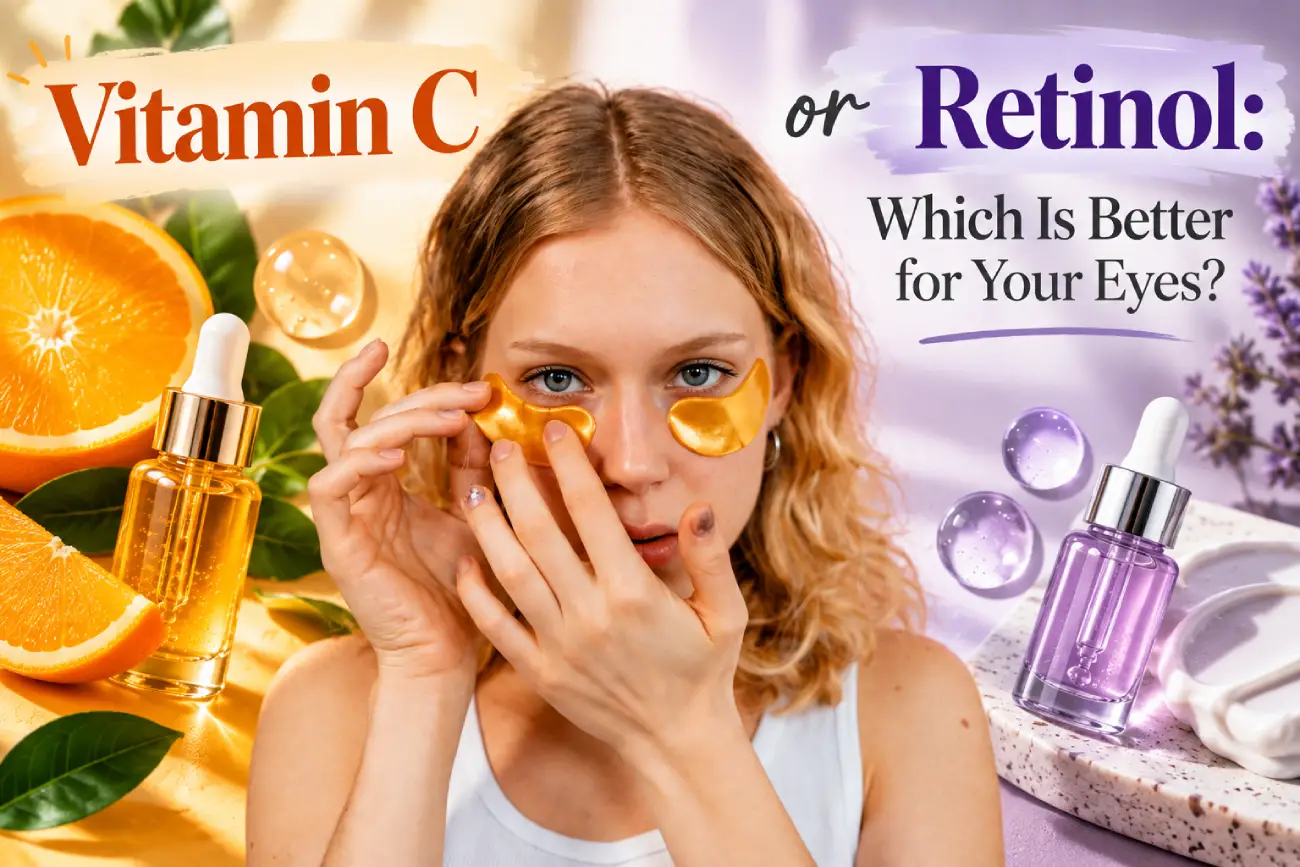
Vitamin C and retinol can support different under-eye goals. Learn which ingredient may better suit dark circles, fine lines, puffiness, sensitivity, and your daily routine.

Retinol eye cream may gradually improve the look of fine lines, uneven texture, and some types of under-eye discoloration, but it is not a universal fix for dark circles or puffiness.
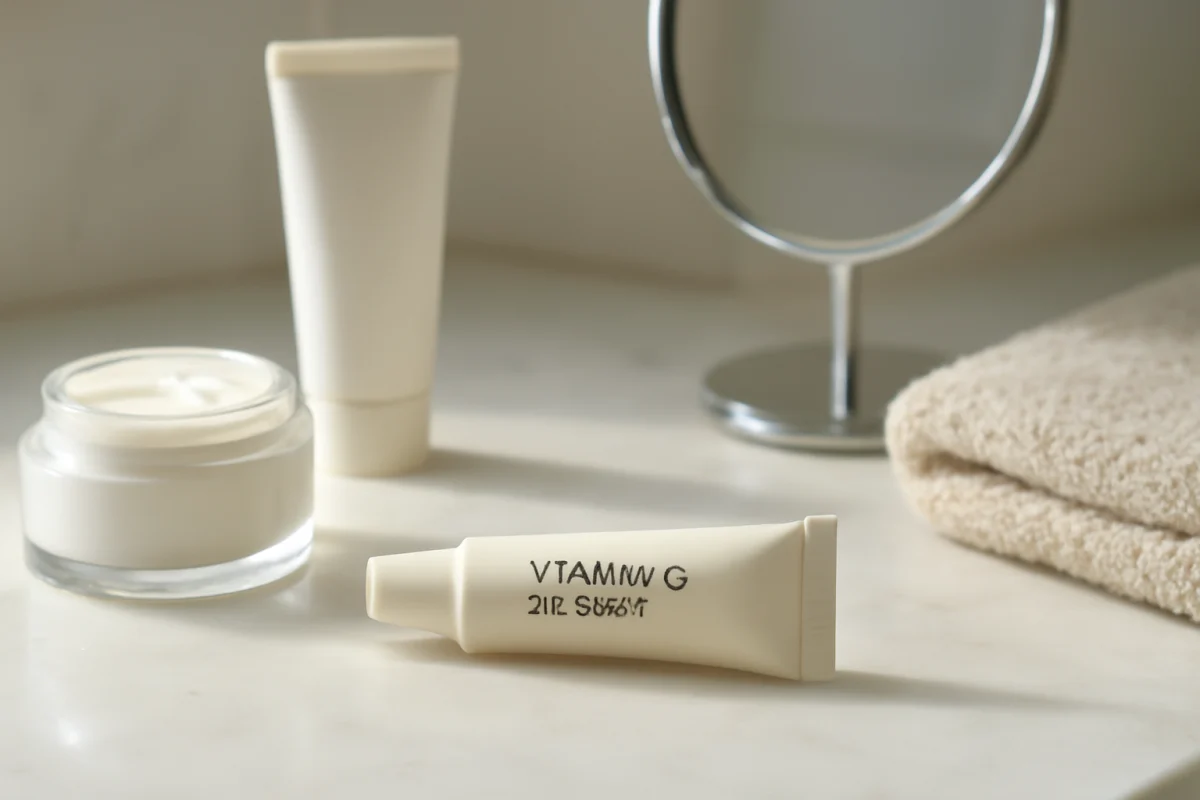
Morning is often the most practical time to use vitamin C eye cream, but the best schedule depends on the formula, your skin’s tolerance, and the rest of your routine.

A drugstore eye cream is worth buying when its ingredients, texture, packaging, and claims match your under-eye concerns and tolerance for active ingredients.

Retinol may help improve the look of fine lines and uneven texture around the eyes, but beginners should start slowly and use extra care with this delicate area.

Learn how to choose a drugstore eye cream based on the type of dark circles you notice, your skin’s needs, useful ingredients, and realistic expectations.
What Readers Are Saying
Thoughtful notes and questions shared on our guides.
Thank you for the useful information you provided.
On: Can Dehydration Make Dark Circles Look Worse? →Vermiş olduğunuz faydalı bilgilerden dolayı teşekkür ederim
On: Can Dehydration Make Dark Circles Look Worse? →This answered a question I’ve had for a while. A follow-up about when to ask a dermatologist would be useful.
On: Brown vs. Blue Dark Circles: What’s the Difference? →I appreciate that the article focuses on possible causes instead of recommending a bunch of products.
On: Brown vs. Blue Dark Circles: What’s the Difference? →Makalenin her şeyi uyku eksikliğine bağlamak yerine, olası birkaç nedeni açıklaması hoşuma gitti.Bu mantıklı. Bazı sabahlar, hiçbir değişiklik yapmamış olmama rağmen göz altı morluklarım çok daha belirgin görünüyor…
On: Brown vs. Blue Dark Circles: What’s the Difference? →