
Retinol Eye Cream
Retinol Eye Cream for Beginners: Where to Start
A practical beginner’s guide to choosing and using retinol eye cream, including how to start slowly, reduce irritation, and set realistic expectations.
Retinol eye cream is a popular choice for people who want to learn more about caring for the delicate-looking skin around the eyes. Retinol is a vitamin A derivative commonly used in cosmetic routines, but products made for the eye area can vary in texture, formulation, intended use, and overall feel. Choosing one thoughtfully starts with understanding what retinol eye products are designed to do, how they fit into a broader routine, and what to consider before applying them regularly.
This category explores the key questions shoppers often have before buying or using a retinol eye cream. You can learn what to look for on a product label, how to compare different options, and which routine factors may affect comfort. Topics include introducing retinol gradually, applying an appropriate amount, and considering how the eye area responds to other skincare products. These practical details can help you make more informed cosmetic choices without treating a single product as right for everyone.
Type an ingredient, product type, skin concern or question. Results stay inside this category.
A practical beginner’s guide to choosing and using retinol eye cream, including how to start slowly, reduce irritation, and set realistic expectations.

Learn how to introduce retinol around the eyes gradually, where to apply it, what to expect, and how to reduce the risk of dryness and irritation.
Retinol may leave the delicate under-eye area feeling dry because it can increase irritation and temporarily disrupt the skin barrier. Learn how to use it more comfortably.
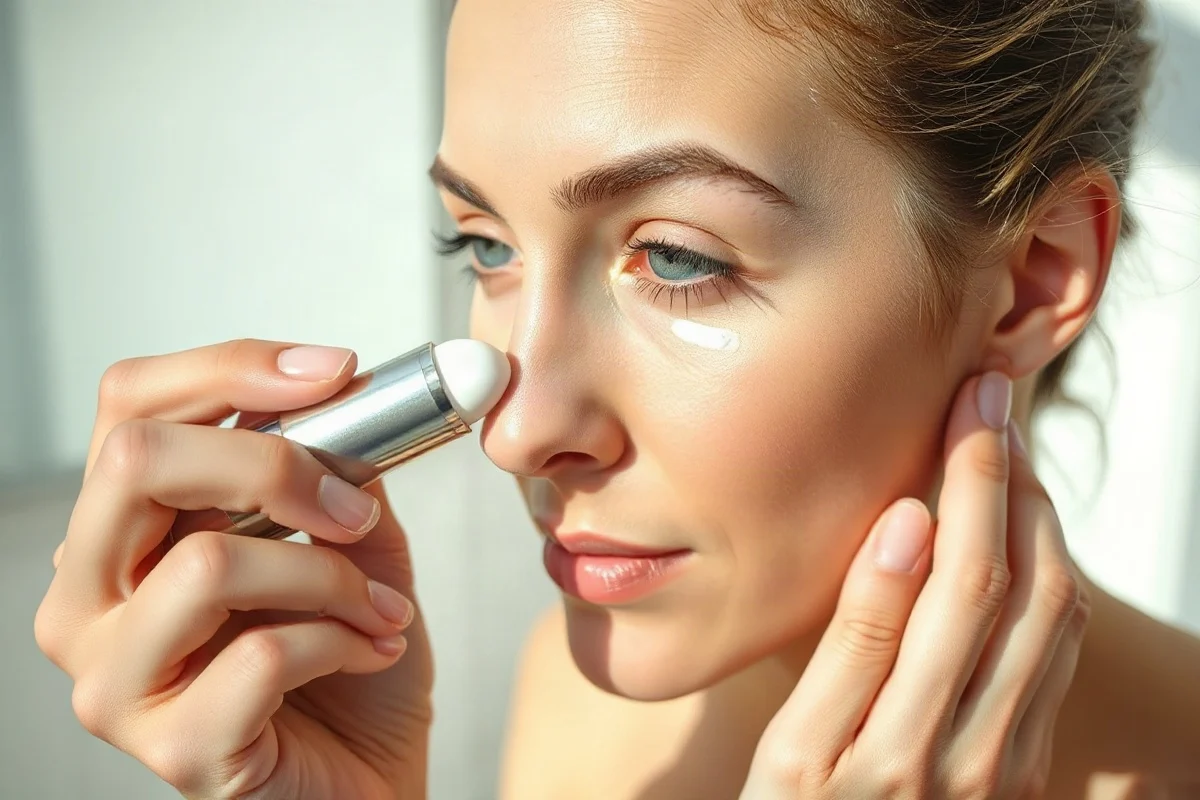
Retinol eye cream may make fine lines look less noticeable over time, but the delicate eye area needs a gradual routine, realistic expectations, and careful sun protection.
Learn how to choose a retinol strength for the delicate eye area, introduce it cautiously, and set realistic expectations for fine lines and uneven tone.
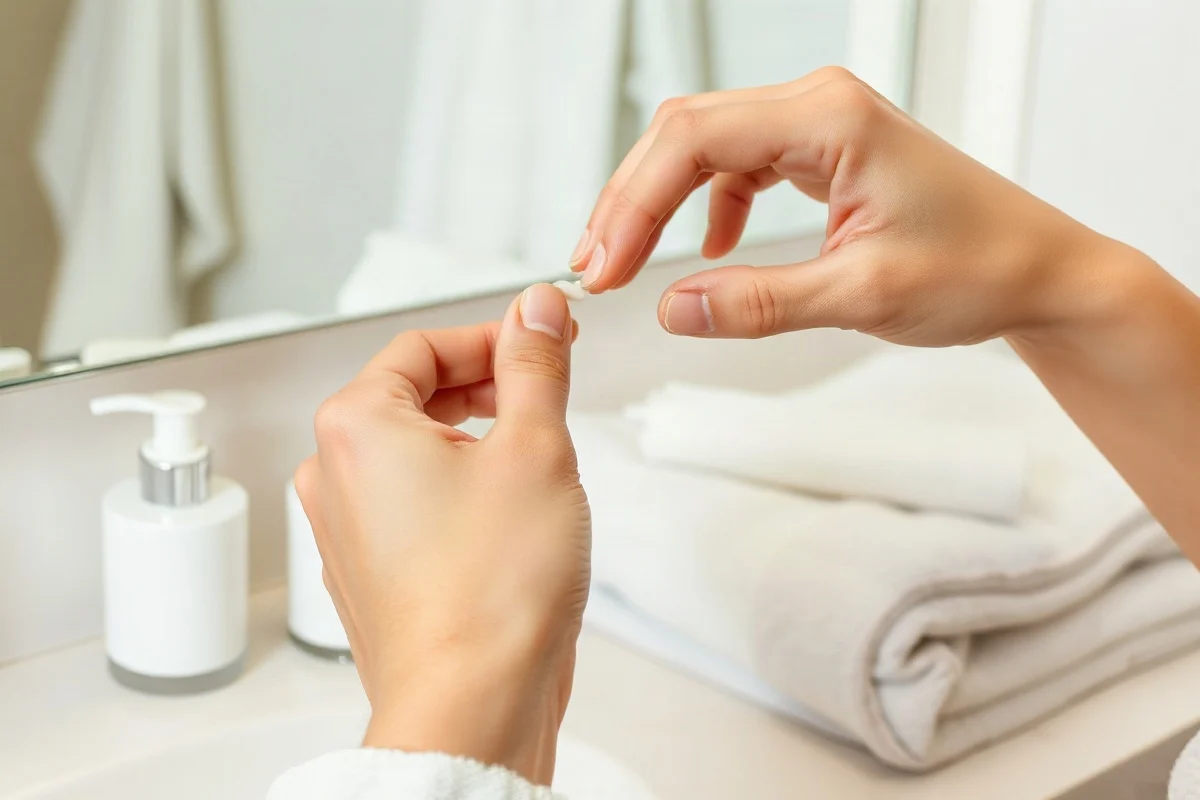
Learn how to ease retinol into an under-eye routine with a gradual schedule, careful application, supportive hydration, and realistic expectations.
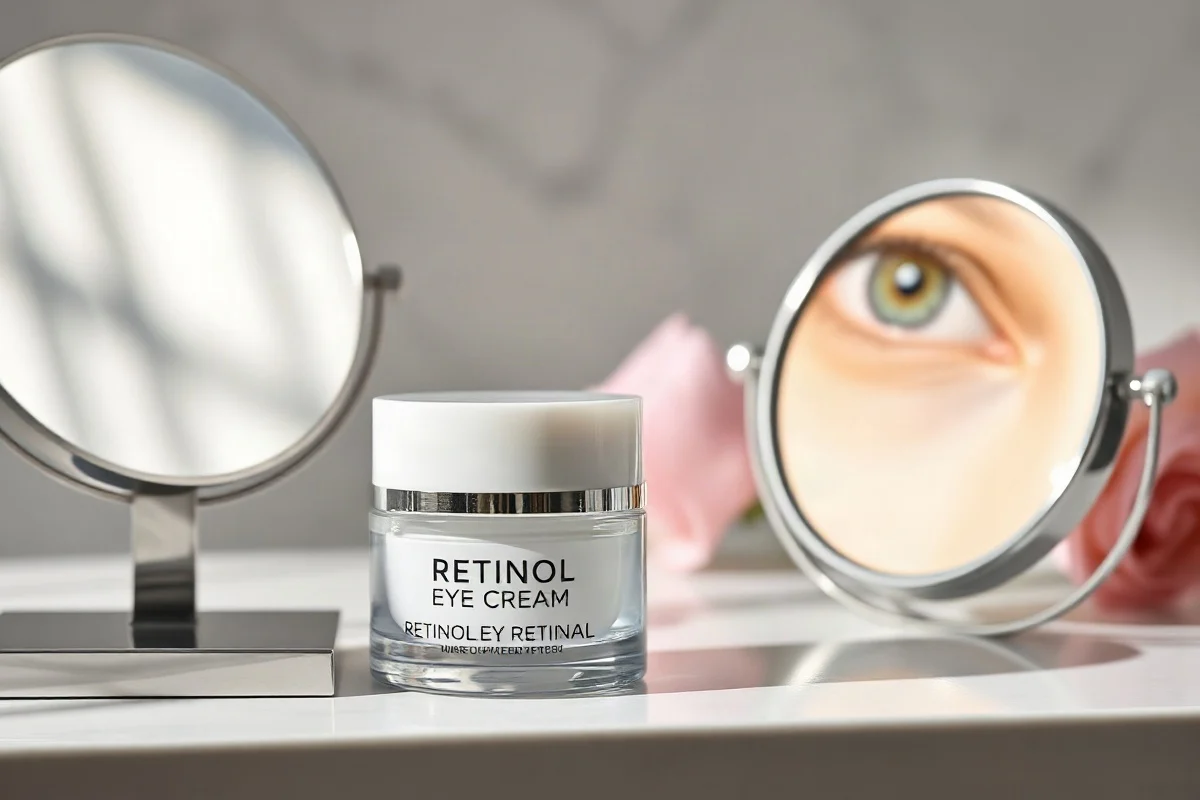
Retinol and retinal are related vitamin A ingredients, but they differ in conversion, potency, and irritation potential. Learn which may better fit your eye-care routine.
Retinol eye cream does not need to be used every night to be useful. Learn how to choose a schedule, reduce irritation, and set realistic expectations for the delicate under-eye area.
Before buying a retinol eye cream, compare the formula, packaging, supporting ingredients, irritation risk, and your specific under-eye concerns—not just the retinol label.
Retinol eye cream may take several weeks to show visible changes. Learn what to expect, how to use it carefully, and why results vary by concern and skin type.

Learn when to pause or stop a retinol eye product, how to recognize irritation, and what to do if your under-eye skin is not tolerating it.
Yes, retinol eye cream and vitamin C can be used in the same routine, but separating them may reduce irritation and make your regimen easier to tolerate.
Comfort and consistency are important parts of any retinol eye routine. The skin around the eyes may feel more sensitive than other areas, so guidance about stinging, burning, dryness, and product pairing deserves careful attention. Articles here also discuss how retinol may fit alongside ingredients such as vitamin C, as well as ways to keep a routine simple and comfortable. If an eye product causes persistent or concerning discomfort, stopping use and seeking advice from a qualified healthcare professional may be appropriate.
Expectations matter, too. Changes in the appearance of the eye area can take time, and results may differ based on the product, application habits, skin characteristics, and other parts of a daily routine. Rather than relying on exaggerated promises, use this resource to understand realistic considerations, common questions, and signs that a product may not suit your preferences. You will also find information about when it may make sense to pause use and reassess your routine.
Whether you are comparing your first retinol eye cream or reviewing an existing product, these guides are intended to support careful, informed decision-making. Explore ingredient-focused explanations, routine tips, and product considerations to find an approach that matches your comfort level and cosmetic goals. Always follow the product’s directions, avoid applying it where the label does not recommend use, and consider professional guidance when you have specific concerns about the skin around your eyes.
Eye cream labels can be hard to compare. We explain common ingredients, make product claims easier to understand, and set realistic expectations for concerns like dryness, puffiness, and dark circles.
How we create our guidesIngredient explainers in plain English
Practical comparisons and routines
Realistic expectations for eye care