
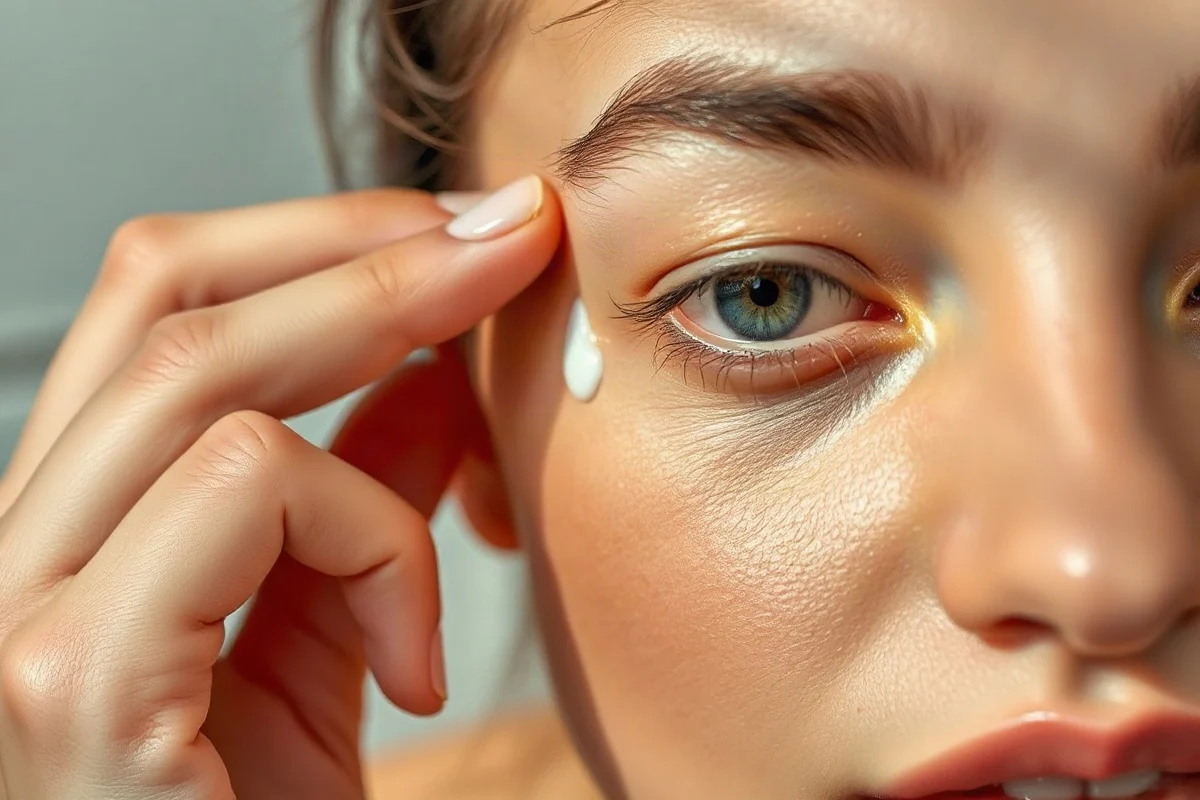
Dry Skin
Why Is the Skin Under My Eyes So Dry?
Dry under-eye skin can result from a weakened moisture barrier, irritating products, weather, or everyday habits. Learn how to soothe it and choose a gentler routine.


Dry skin around the eyes can feel tight, rough, flaky, or uncomfortable, and it may make makeup harder to apply smoothly. Because the under-eye area is delicate, choosing an eye cream for dry skin involves more than looking for the richest texture available. A thoughtful routine considers hydration, comfort, ingredient preferences, and how the product fits with the rest of your skincare. This category offers practical, evidence-informed guidance for understanding and caring for dry under-eye skin.
Learn how common moisturizing ingredients work and how to compare humectants, emollients, and richer occlusive textures. Humectants help attract water to the skin’s surface, while emollients help soften and smooth the feel of dry areas. Occlusive ingredients can help reduce moisture loss by forming a protective layer. These ingredient groups may appear together, but each contributes a different kind of support. Understanding their roles can make product labels easier to evaluate without relying on complicated marketing language.
Type an ingredient, product type, skin concern or question. Results stay inside this category.
Dry under-eye skin can result from a weakened moisture barrier, irritating products, weather, or everyday habits. Learn how to soothe it and choose a gentler routine.
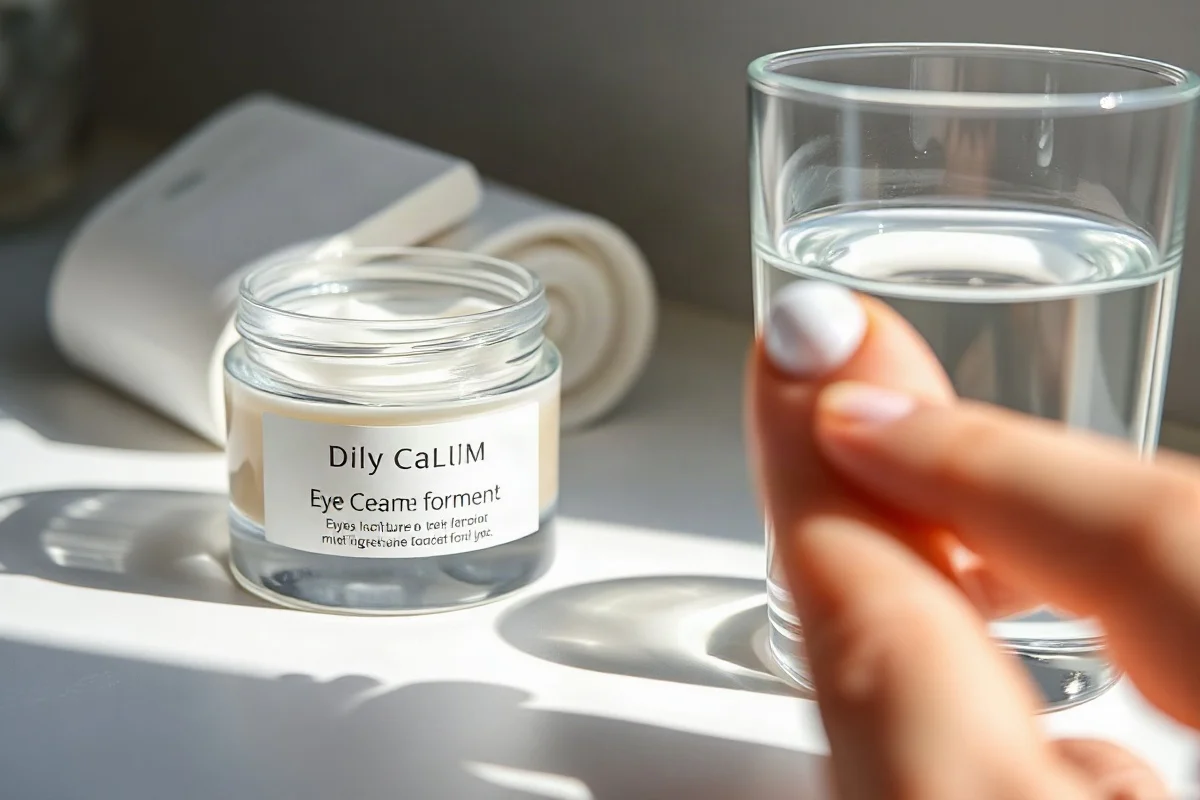
Learn which moisturizing and barrier-supporting ingredients can make dry under-eye skin look smoother, and how to choose and use them gently.

Learn how to choose a moisturizer for dry sensitive skin, including helpful ingredients, potential irritants, application tips, and realistic expectations for the under-eye area.

Learn why the skin under your eyes may look dry and scaly, how to simplify your routine, which ingredients may help, and when to seek medical advice.
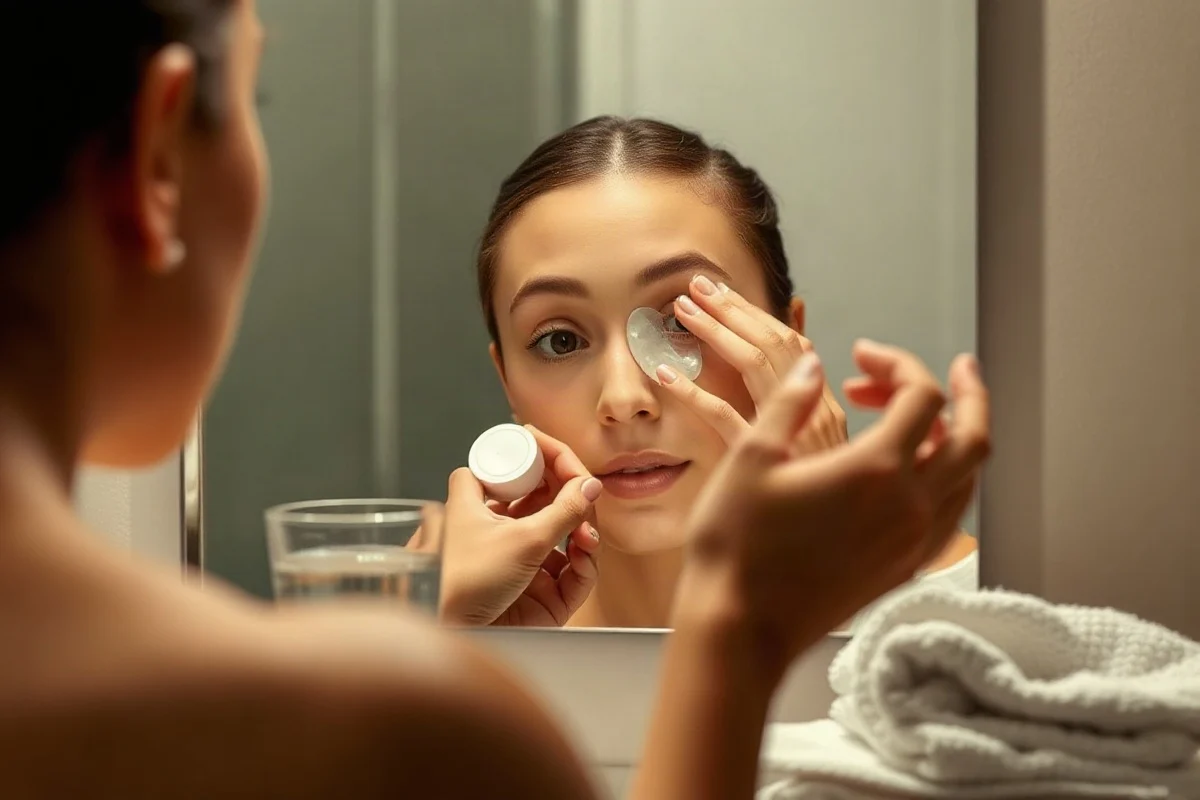
Hyaluronic acid can temporarily improve the look and feel of dry under-eye skin by attracting water, but it works best with a gentle moisturizer and realistic expectations.
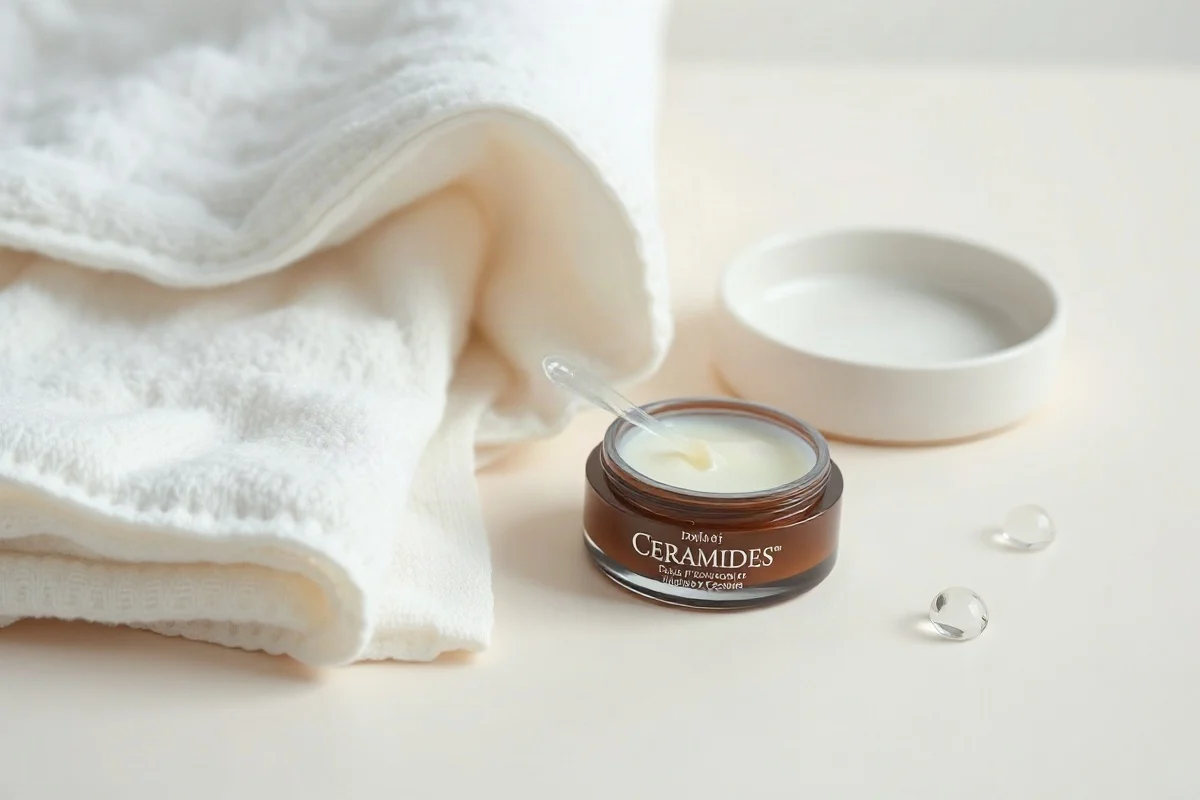
Ceramides can help support the under-eye skin barrier, reduce moisture loss, and make dryness-related lines look less noticeable. Here is what they can and cannot do.
Eye cream can leave the under-eye area dry when its formula, application, or surrounding routine does not support the skin barrier. Learn what to change.
Learn how to layer eye cream on very dry skin without overloading the delicate under-eye area, including product order, ingredient choices, application tips, and common mistakes.

Dryness and dehydration can look similar around the eyes, but they describe different skin concerns. Learn how to tell them apart and choose a gentler routine.
Flaky skin around the eyes is often linked to dryness, irritation, allergies, or a disrupted skin barrier. Learn how to narrow down likely triggers and build a gentler routine.
The best eye cream for dry, sensitive skin should support the moisture barrier with a simple, fragrance-conscious formula while avoiding unnecessary irritants. Learn which ingredients to look for, what to skip, and how to apply eye products gently.

Tight-feeling under-eye skin often needs a gentler routine, not more aggressive products. Learn what to avoid and how to choose supportive, low-irritation care.
The articles here also explore how to choose an eye cream when dry skin is accompanied by sensitivity or a feeling of tightness. Texture, fragrance preferences, layering habits, and the amount applied can all affect how a product feels around the eyes. Guidance covers what to consider before adding potentially drying or irritating ingredients, including retinol, as well as when a richer evening product may be more comfortable than a lightweight daytime formula. The goal is to help you make informed comparisons based on your own skin’s needs.
Daily habits can influence how dry under-eye skin looks and feels. Cold, dry weather may increase discomfort, while rubbing, over-cleansing, or applying too many products can make a routine feel less forgiving. Makeup application matters as well: concealer may settle unevenly or look patchy when the surface is lacking moisture. Preparing the area with gentle, consistent skincare can help create a smoother-feeling base, though results can vary from person to person.
Use these dry skin guides to build a simple, realistic approach to under-eye care. You’ll find ingredient education, product-selection considerations, and routine tips designed for cosmetic and skincare learning rather than diagnosis or treatment. If persistent irritation, cracking, swelling, or significant discomfort concerns you, consider seeking advice from a qualified healthcare professional. Start with a small amount, introduce changes gradually, and pay attention to how your skin responds over time.
Eye cream labels can be hard to compare. We explain common ingredients, make product claims easier to understand, and set realistic expectations for concerns like dryness, puffiness, and dark circles.
How we create our guidesIngredient explainers in plain English
Practical comparisons and routines
Realistic expectations for eye care