
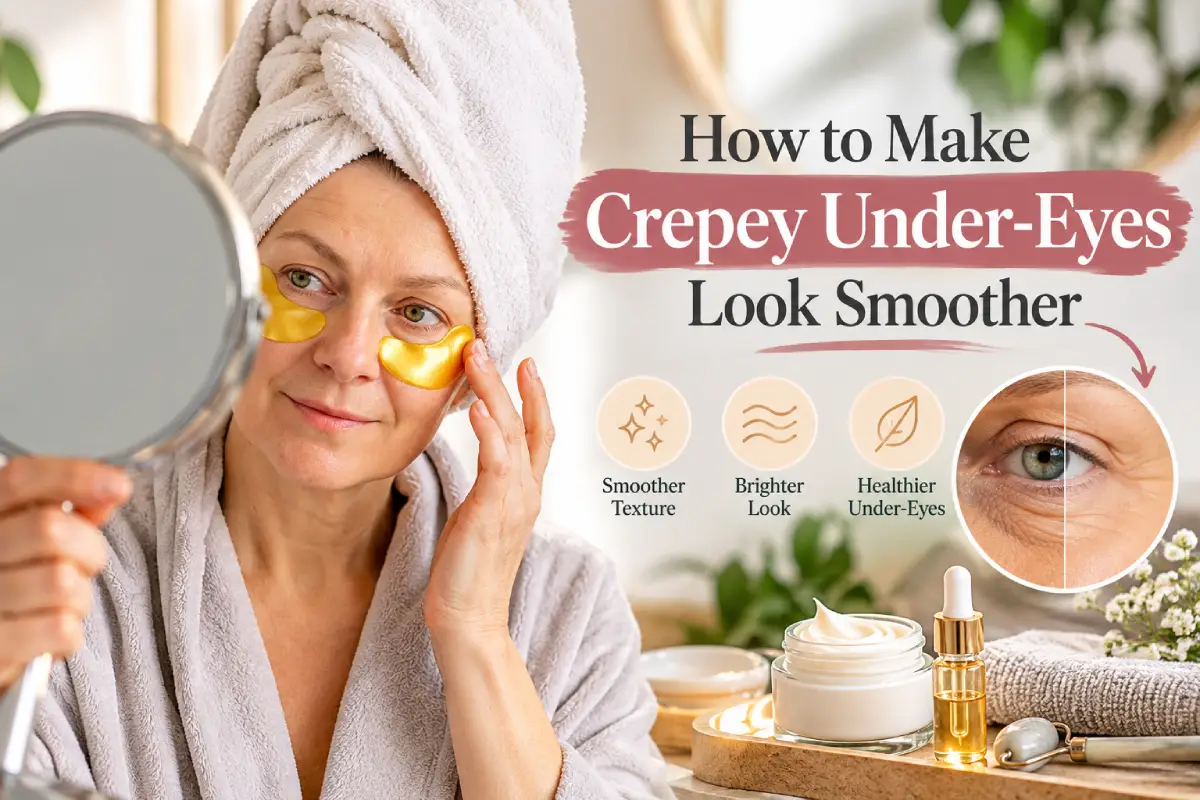
To make mature under-eye skin look smoother, focus on consistent hydration, gentle cleansing, daily sun protection, and products that support the skin’s appearance without overloading this delicate area. A well-applied moisturizer or eye cream can temporarily make fine lines look less noticeable, while ingredients such as retinoids, peptides, humectants, and antioxidants may support a more refined-looking texture over time. The most important habits are using a light touch, avoiding irritation, and choosing formulas that match your skin’s sensitivity and dryness.
Mature under-eye skin can look crepey, dry, lined, or uneven for several reasons. Natural changes in skin structure, repeated facial movement, dehydration, sun exposure, and reduced tolerance for harsh products may all affect its appearance. Skincare cannot completely stop these changes, and no topical product can guarantee that lines or texture will disappear. However, a practical routine can improve comfort and help the area look softer, smoother, and more refreshed.
Start with hydration and barrier support
Dryness often makes under-eye texture appear more pronounced. When the surface lacks water and supportive emollients, tiny lines may catch the light and create a crinkled appearance. Hydrating products can temporarily plump the outermost layer of skin, making fine lines look less emphasized. This is a cosmetic effect, not a permanent change to the underlying structure of the skin.
Look for a fragrance-free or low-irritant moisturizer containing a combination of humectants, emollients, and occlusive ingredients. Humectants, such as glycerin or hyaluronic acid, help attract water to the skin’s surface. Emollients help soften rough-feeling areas, while occlusives help reduce moisture loss. The exact formula matters more than the presence of a single trendy ingredient, so check the current packaging or manufacturer’s ingredient list before buying. Formulas can change.
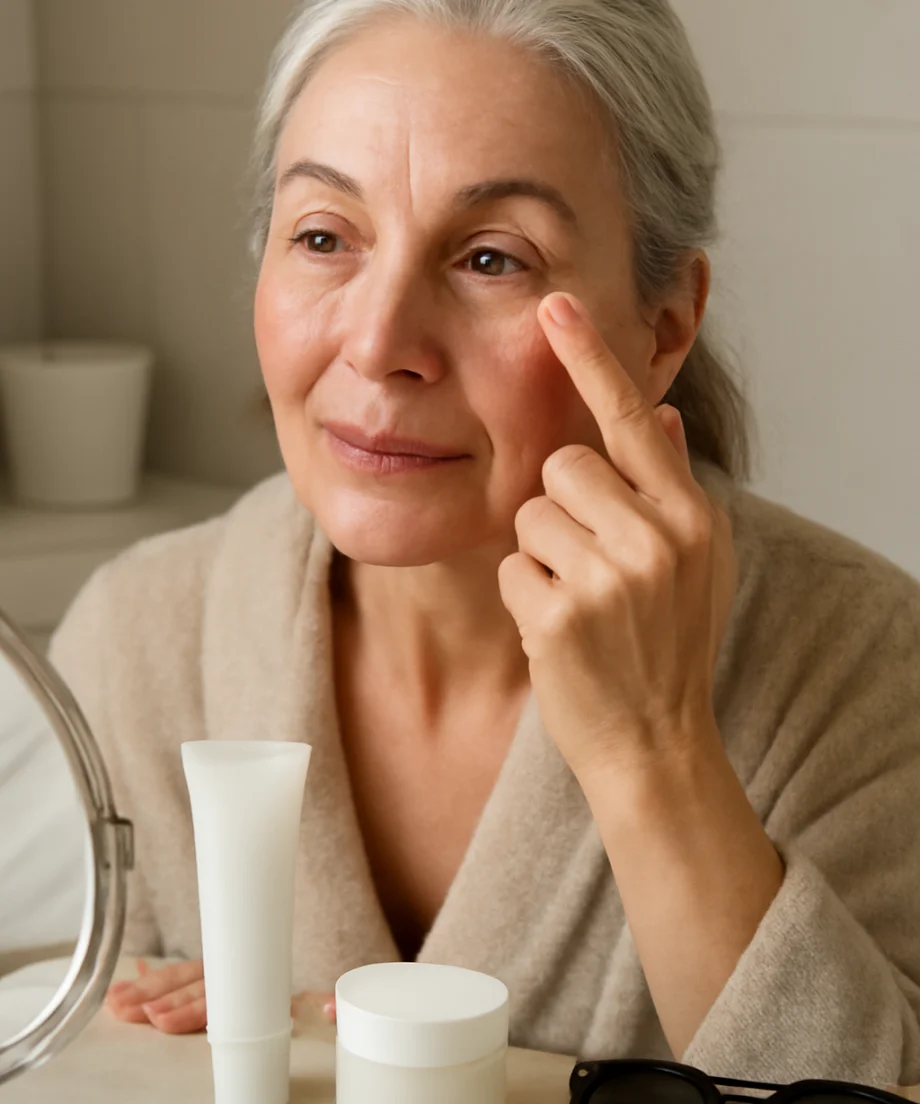
If your under-eye area feels tight after cleansing, apply moisturizer while the skin is slightly damp. Use only a small amount and spread it carefully over the orbital area rather than placing a large quantity directly against the lash line. Too much product can migrate into the eyes and cause watering or irritation.
For more ingredient background, see our eye cream ingredient guide. It can help you compare the roles of moisturizing, soothing, and texture-focused ingredients without treating any one ingredient as a guaranteed solution.
Choose active ingredients slowly
Some active ingredients may help mature skin look more even or refined, but the under-eye area is easily irritated. Introduce one new active at a time, follow the product label, and avoid applying it too close to the eyes unless the product is specifically made for that area.
Retinoids
Retinoids are commonly used in skincare routines focused on the appearance of fine lines and uneven texture. Eye-area products may use a retinoid designed for that region, but strength and formulation vary by product. A retinoid eye cream is not automatically appropriate for everyone, especially if you have a history of sensitivity, eczema-like symptoms, or frequent eye irritation.
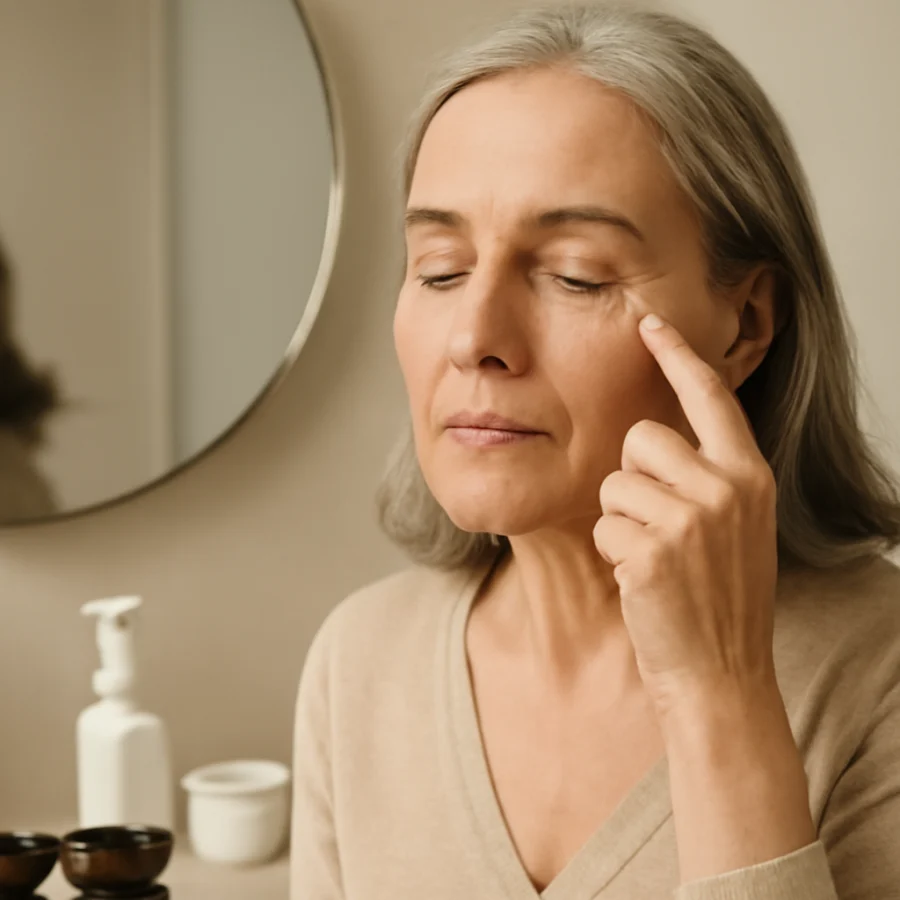
Use the smallest amount directed on the label, begin gradually if the instructions allow, and apply it only to clean, dry skin. Avoid combining several potentially irritating actives around the eyes at the same time. If you develop persistent stinging, redness, swelling, peeling, or discomfort, stop using the product. People who are pregnant, trying to become pregnant, or nursing should ask a qualified health professional about retinoid use rather than relying on general skincare advice.
Peptides
Peptides appear in many products marketed for mature skin and fine lines. They are generally used to support a smoother-looking, more conditioned appearance, but products differ widely and evidence cannot be assumed for every peptide blend. Consider peptides an optional part of a consistent routine, not a substitute for moisturizer, sun protection, or realistic expectations.
Antioxidants
Antioxidants, including certain forms of vitamin C, are used in products intended to support a brighter, more even-looking complexion. The eye area can be more reactive than the rest of the face, so a formula that feels comfortable on the cheeks may not feel comfortable under the eyes. Check the label for directions and stop if irritation develops. You can explore our guide to vitamin C eye creams for more product-category context.
Use sunscreen every morning
Daily sun protection is one of the most useful long-term habits for maintaining a smoother-looking appearance. Ultraviolet exposure can contribute to visible changes in texture and uneven tone over time. Apply a broad-spectrum sunscreen according to its label, taking care to avoid getting it directly in the eyes. Sunglasses, a hat, and shade can provide additional protection.
Some sunscreens sting around the eyes, especially when sweating. If that happens, experiment cautiously with a different eye-area-compatible formula, use physical barriers such as sunglasses, and avoid applying product so close to the lash line that it migrates into the eye. “Mineral” or “chemical” on its own does not guarantee comfort; individual formulas and personal sensitivity matter.
Apply products without pulling the skin
Application technique can affect how the area looks immediately. Use your ring finger or another finger that allows a light touch, and gently tap rather than rub. Move from the inner under-eye area toward the outer corner without dragging the skin. This will not erase wrinkles, but it can reduce unnecessary friction and help prevent a moisturizer or concealer from collecting unevenly.
Give skincare a moment to settle before applying makeup. If concealer tends to emphasize lines, use a thin layer only where you want coverage and remove excess product from the creases with a clean fingertip or small brush. A heavy layer of powder may make dryness and texture more visible, so use it sparingly if you use it at all.
Adjust the routine for dry or sensitive skin
Mature skin is not automatically dry or sensitive, but many people notice that their skin becomes less tolerant of frequent exfoliation, fragrance, or strong active ingredients over time. If your under-eye area is dry, start with a gentle cleanser and a straightforward moisturizer before adding targeted products. Avoid facial scrubs, aggressive rubbing, and applying acids close to the eyes unless the product is specifically labeled for that use.
For sensitive skin, choose a short routine with fewer products. Patch testing can help identify obvious reactions, although it cannot guarantee that a product will be comfortable around the eyes. Follow the product’s instructions, and discontinue use if you experience burning, persistent redness, swelling, itching, or other concerning symptoms. Our sensitive-skin eye-care guide offers additional considerations for choosing gentler products.
Do not apply a new product over already irritated skin. Wait until the area feels calm, and consider speaking with a medical professional if discomfort continues or returns repeatedly.
Be realistic about dark circles and puffiness
Smoother-looking skin and lighter-looking dark circles are related but different goals. Under-eye darkness can be influenced by visible blood vessels, shadows from facial structure, pigmentation, thin-looking skin, or temporary factors such as fatigue. A moisturizing product may soften the look of dryness, but it cannot address every reason the area appears dark.
Puffiness also has multiple possible contributors. A cool compress may temporarily make the area feel and look calmer, but it is not a treatment for an underlying medical condition. Avoid rubbing swollen skin, and be cautious with products that contain strong fragrance or ingredients that cause watering. If swelling is sudden, one-sided, painful, associated with vision changes, or persistent, seek appropriate medical advice instead of treating it only as a cosmetic concern.
A simple routine for smoother-looking under-eyes
Morning
- Cleanse gently, or rinse with lukewarm water if cleansing is not needed.
- Apply a lightweight hydrating product to the orbital area.
- Use moisturizer if the skin still feels dry.
- Apply broad-spectrum sunscreen carefully and use sunglasses or a hat outdoors.
Evening
- Remove makeup and sunscreen without scrubbing.
- Apply a basic moisturizer or eye cream suited to your skin.
- If using a retinoid or another active, follow its label and introduce it gradually.
- Do not add multiple new products at once.
This routine can be adapted with our under-eye routine builder. Keep the routine consistent long enough to judge comfort and appearance, but do not continue a product that causes irritation just to reach a hoped-for result.
How to choose an eye cream for mature skin
Choose based on your main cosmetic concern, your tolerance, and the product’s directions. For dryness and crepey-looking texture, prioritize a comfortable moisturizing formula. For fine lines, you may consider a product containing peptides or a carefully introduced retinoid intended for the eye area. For a tired-looking appearance, a lightweight formula may layer more easily under makeup than a rich balm.
Read the full current ingredient list rather than relying only on front-label claims. Look for packaging that protects the formula when relevant, and confirm that the product is intended for use around the eyes. Avoid assuming that a higher number of active ingredients means better results. More ingredients can also mean more opportunities for irritation, particularly for sensitive skin.
Finally, remember that “smoother” does not mean completely line-free. The realistic goal is a comfortable, hydrated, well-protected eye area that looks more even and less emphasized by dryness. Consistency, gentle handling, and sensible product selection usually matter more than an elaborate routine or a single heavily marketed ingredient.




Comments
0No comments yet. Be the first to share a helpful note or question.
Leave a Comment
Your email address will not be published. Comments are reviewed before appearing on the site.