
Fine Lines & Wrinkles
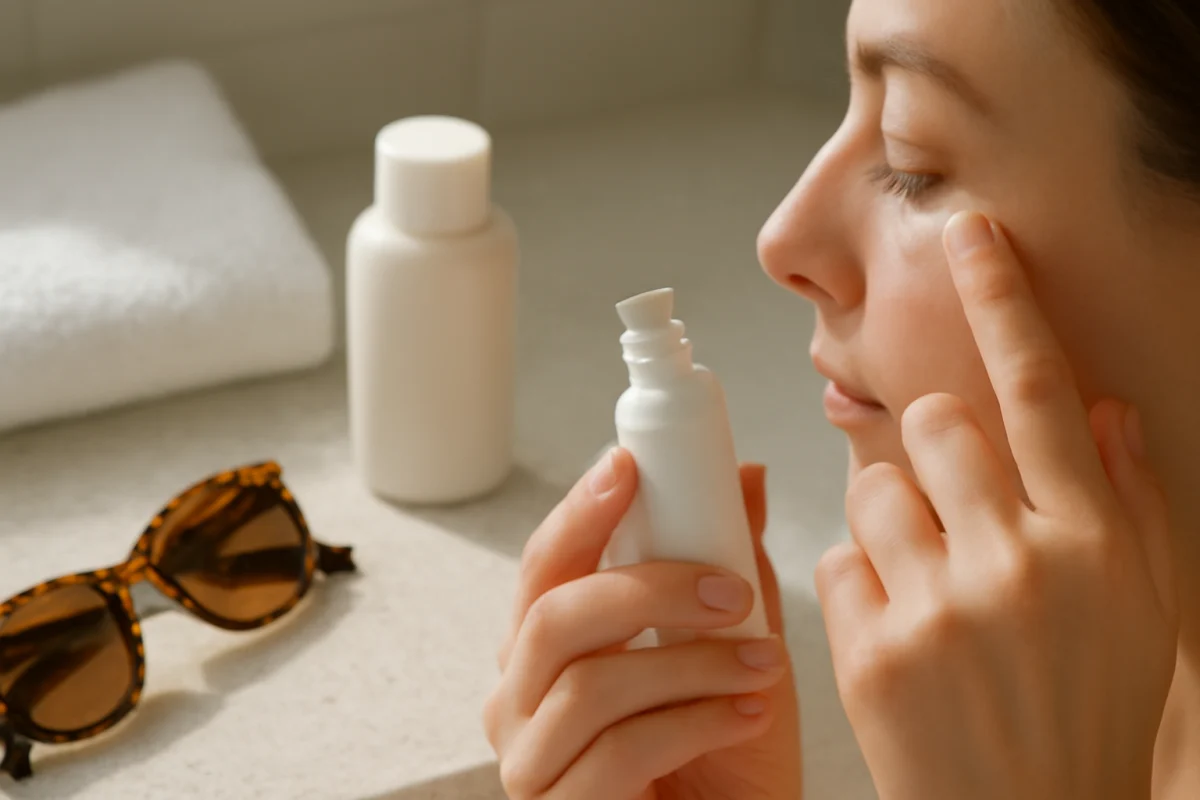
The Ultimate Morning Routine to Prevent Fine Lines
A practical morning routine for making under-eye fine lines look less noticeable, with guidance on sunscreen, hydration, gentle application, and realistic product choices.
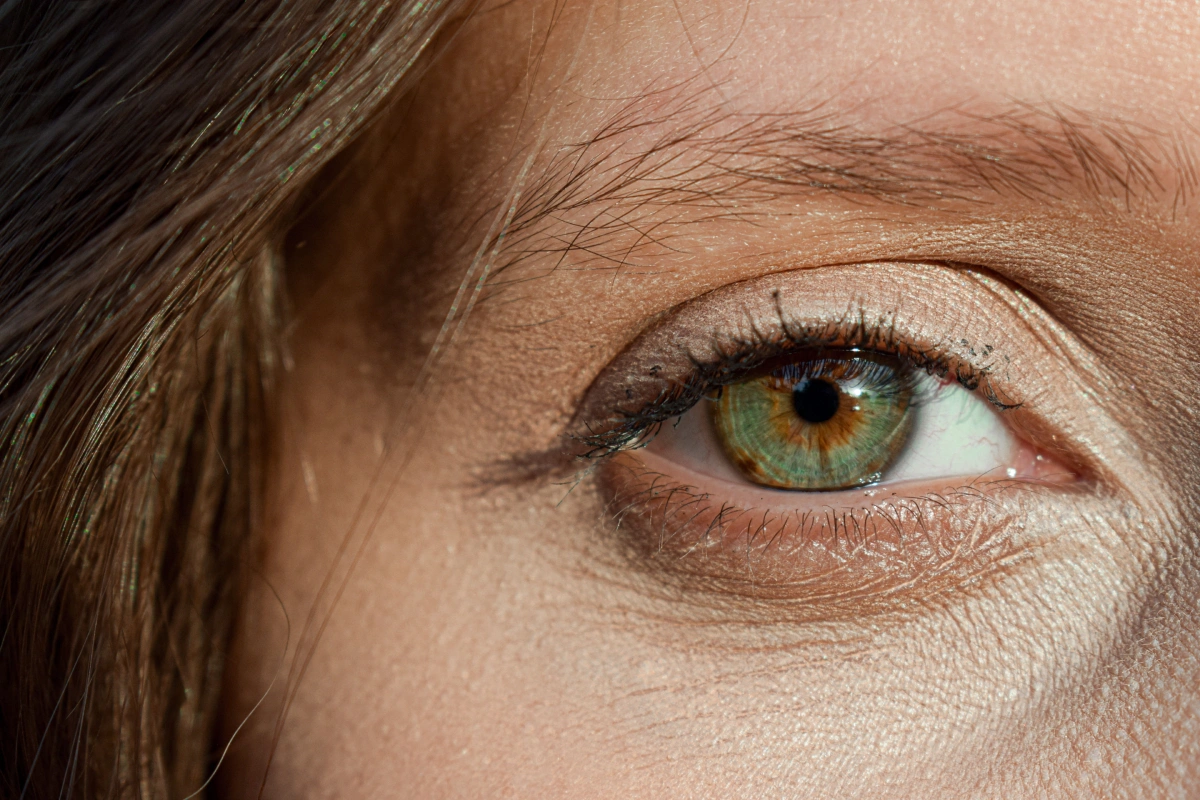
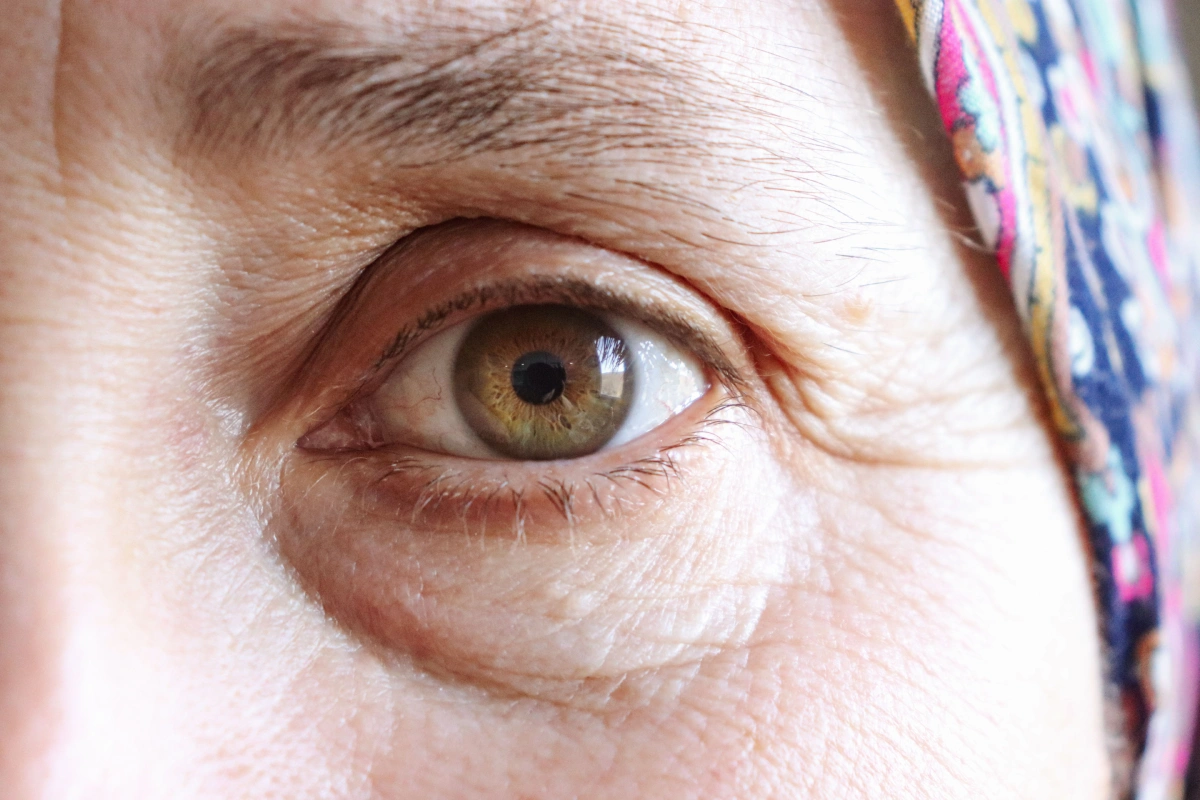
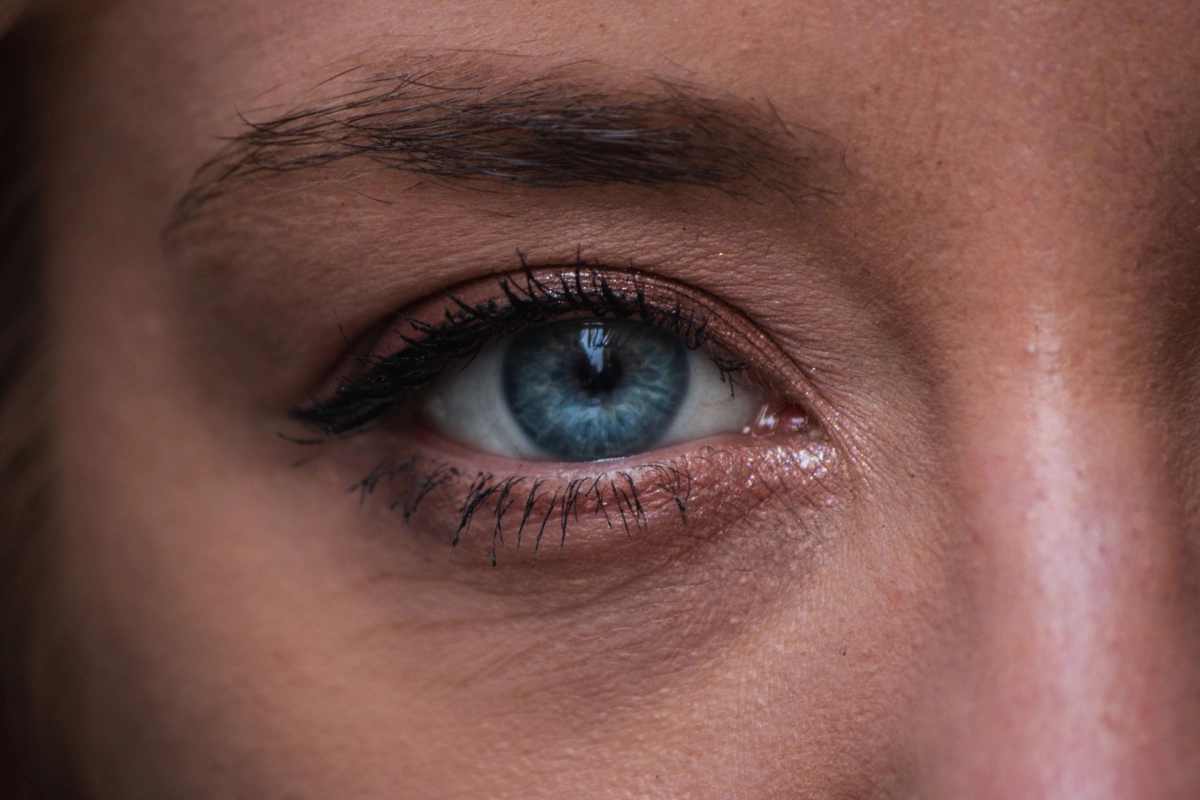
Fine lines and wrinkles around the eyes can become more noticeable with age, repeated facial movement, dryness, sun exposure, and everyday habits. Because the eye area has delicate skin and is constantly involved in facial expression, it may show changes sooner than other parts of the face. This category provides practical, evidence-informed guidance for comparing eye creams and building a comfortable routine for under-eye fine lines, while also recognizing that dark circles, puffiness, texture, and wrinkles can have different visible causes. The focus is on realistic cosmetic care rather than exaggerated promises or one-size-fits-all solutions.
Explore what to consider when choosing an eye cream for fine lines, including moisturizing ingredients, skin-smoothing formulas, and products designed for mature-looking skin. Hydration can temporarily make dry, creased areas look softer and more refreshed, while a comfortable texture may make consistent use easier. Ingredient names and marketing terms can be confusing, so these resources explain common categories in clear language and help you distinguish hydration-focused benefits from broader anti-aging claims. They also address why a product that feels effective for one person may not suit another, especially around the eyes.
Type an ingredient, product type, skin concern or question. Results stay inside this category.
A practical morning routine for making under-eye fine lines look less noticeable, with guidance on sunscreen, hydration, gentle application, and realistic product choices.
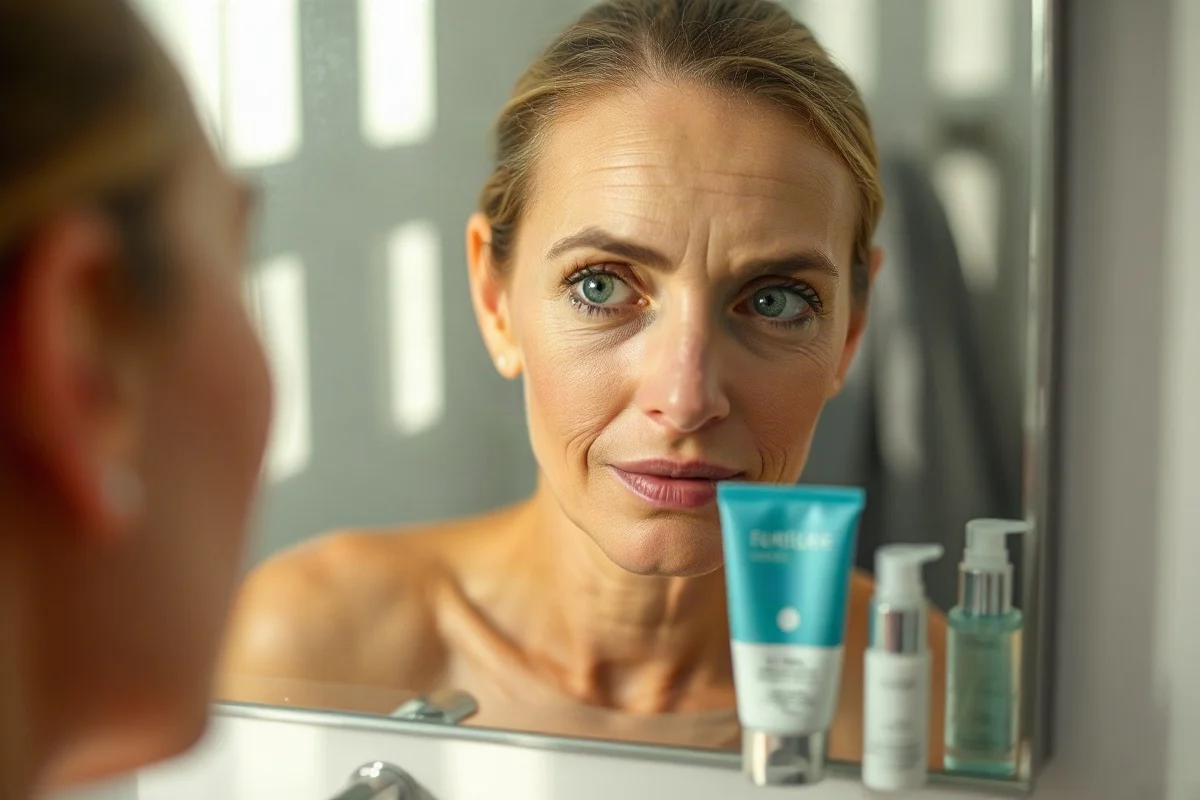
Fine lines around the eyes develop as skin loses flexibility and moisture, while repeated facial movement, sun exposure, dryness, and lifestyle factors can make them more noticeable.

Crow’s feet and under-eye wrinkles are related but distinct patterns of expression lines. Learn where they appear, what can make them more noticeable, and how to choose a realistic eye-area routine.
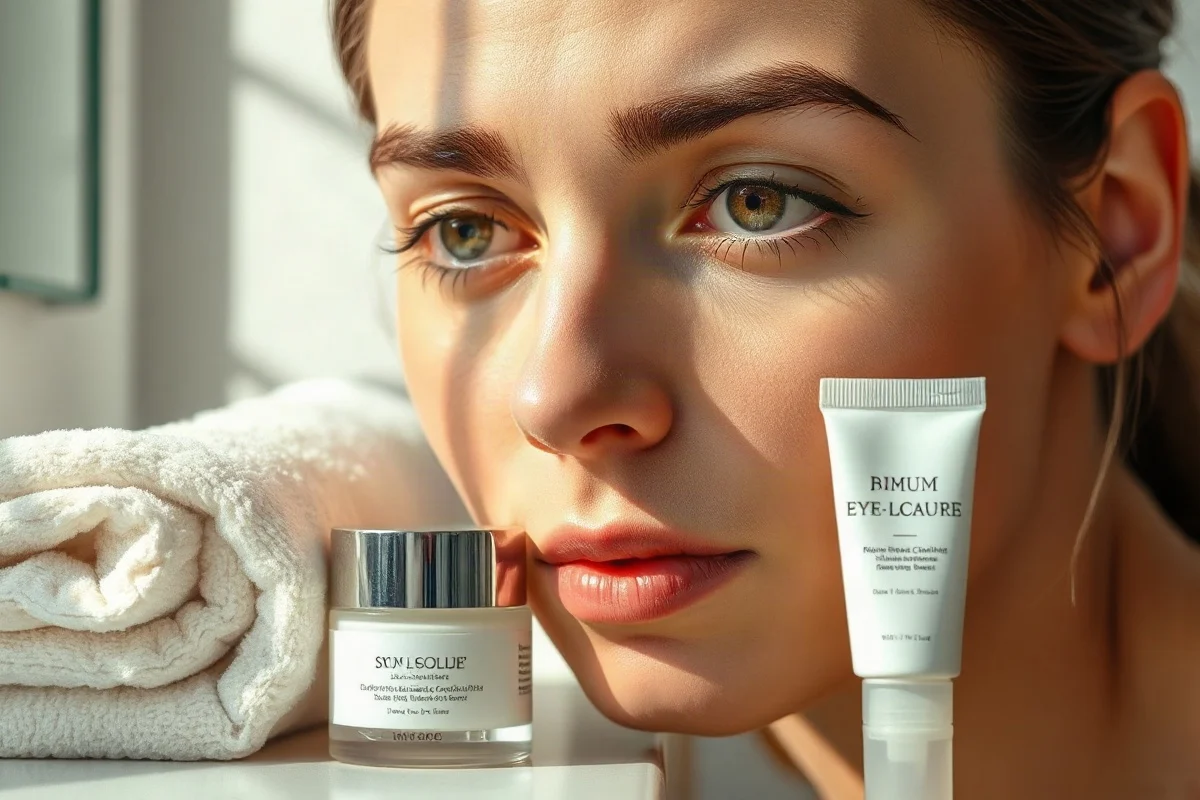
Dryness can make fine lines look more noticeable by reducing the skin’s smooth, flexible appearance. Learn why this happens and how to build a gentle, hydrating eye-area routine.
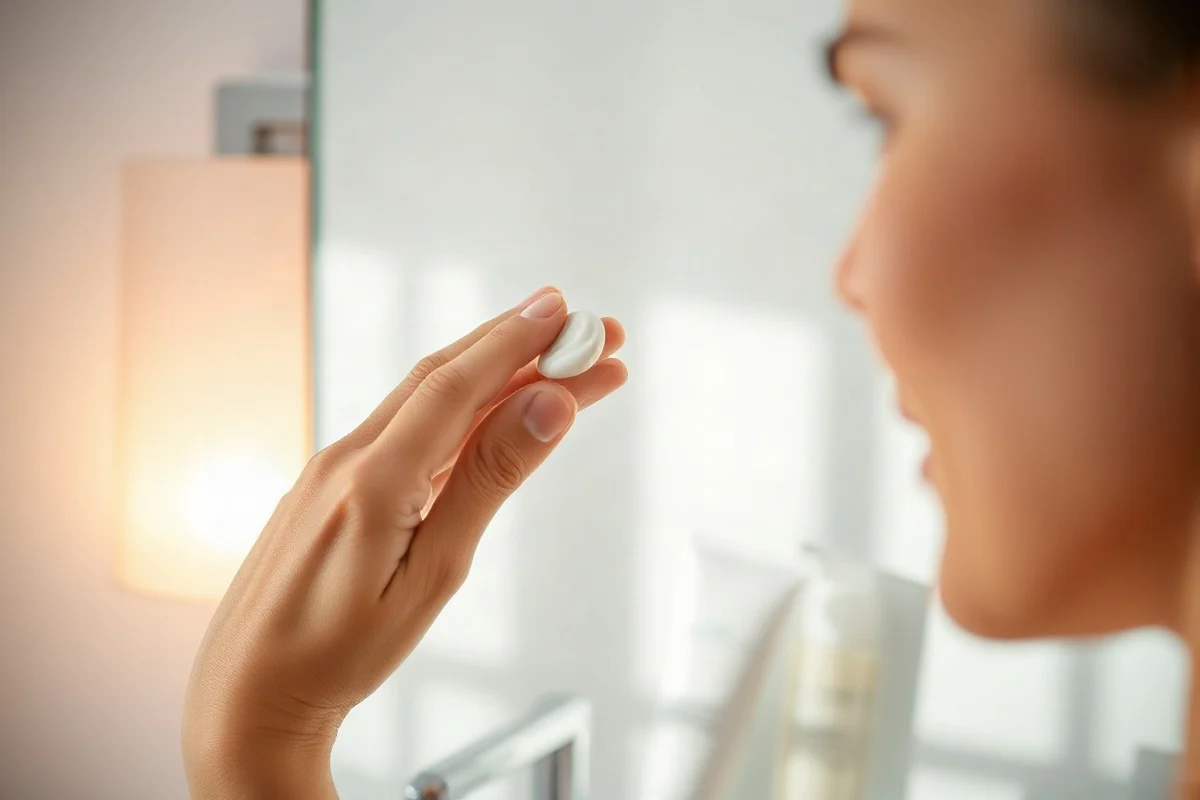
Retinol may help soften the appearance of under-eye fine lines, but the eye area needs a slower, gentler routine. Learn how to choose and use it carefully.
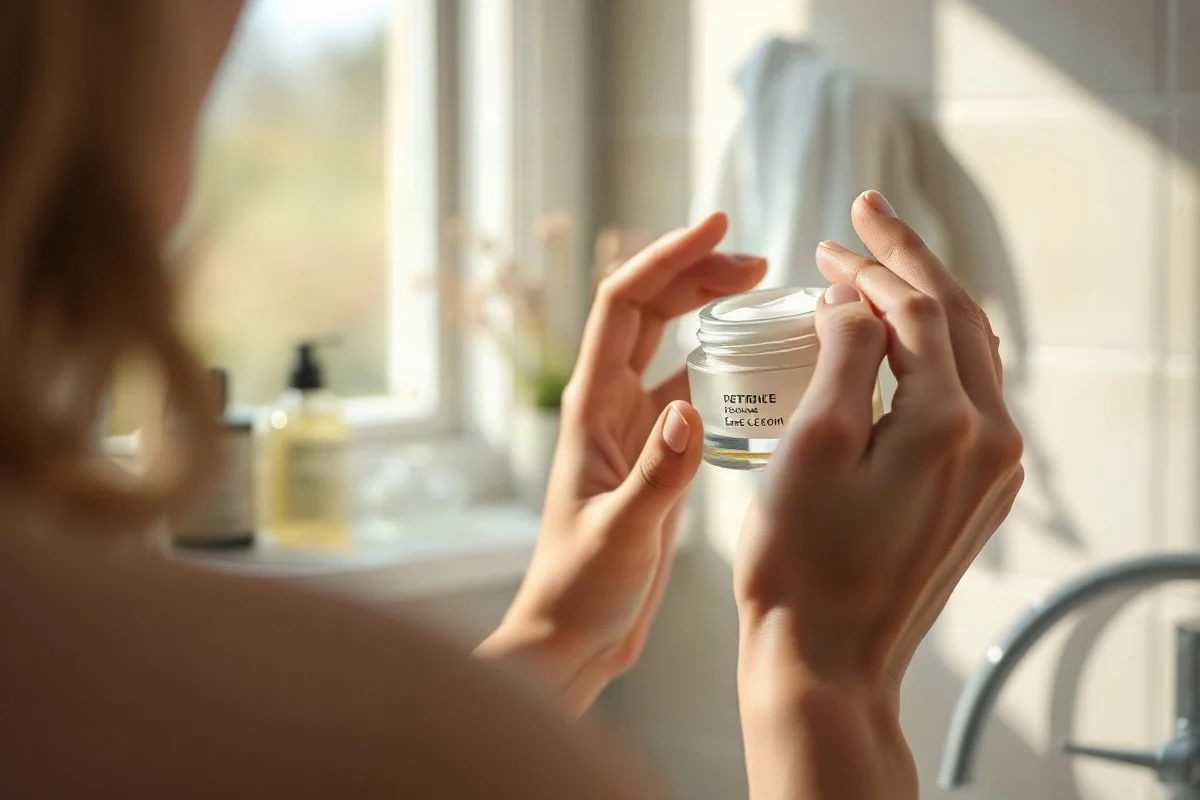
Peptides may help support a smoother-looking under-eye area, but results depend on the formula, consistent use, and the type of wrinkle you want to address.
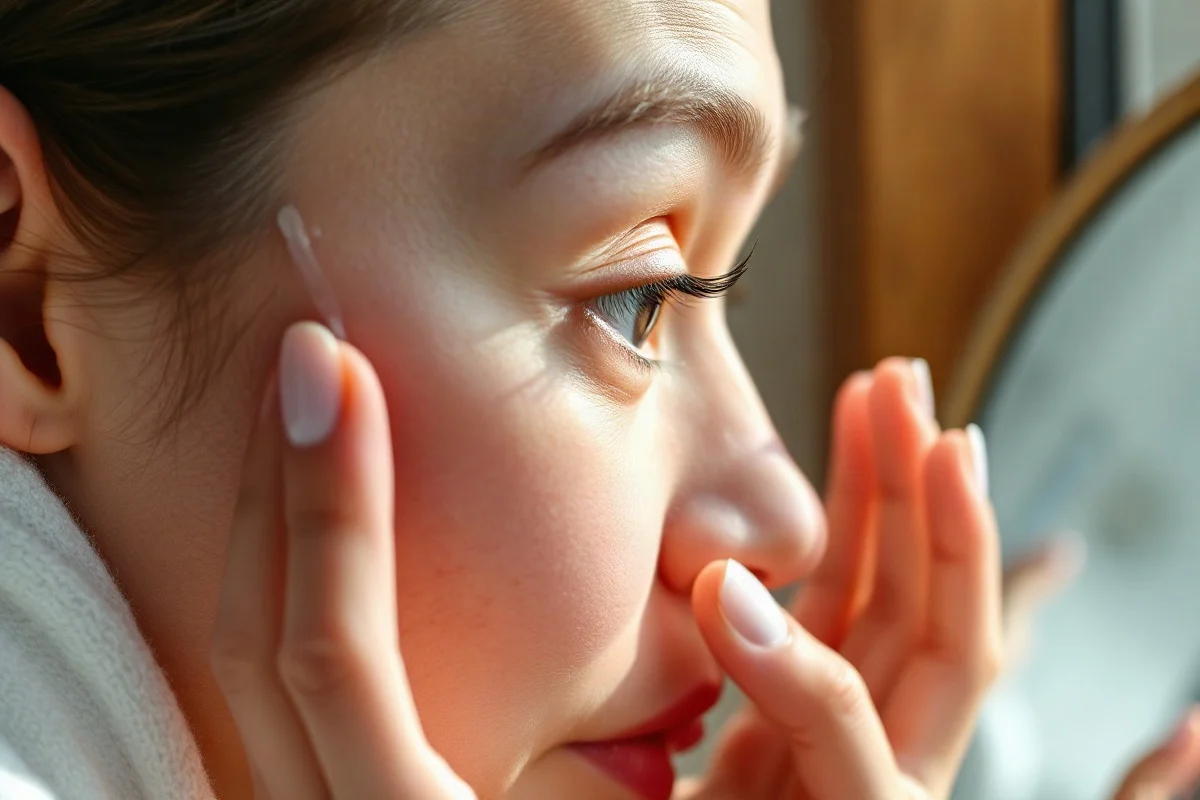
The eye area often shows fine lines before other parts of the face because its skin is delicate, highly mobile, and more exposed to environmental stress.
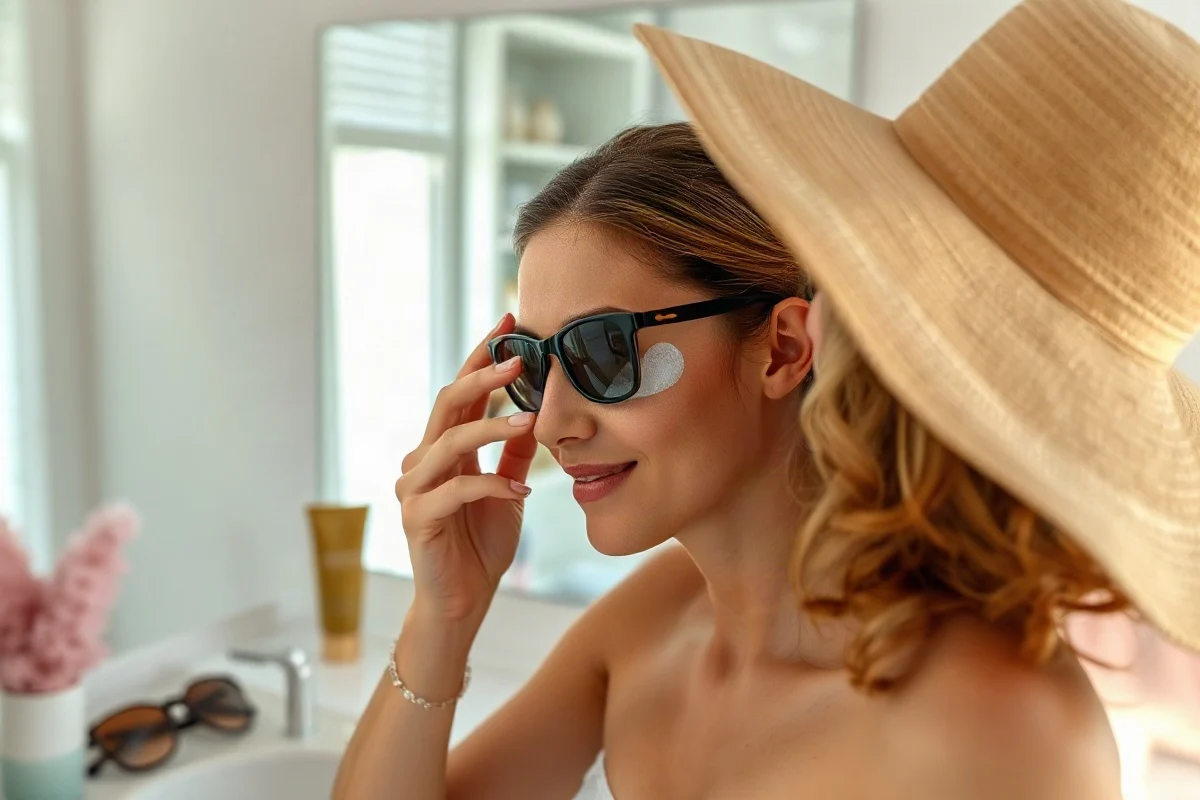
Sunscreen can help reduce UV-related skin damage that contributes to visible eye wrinkles, but application, comfort, and daily consistency matter.
Hyaluronic acid can make under-eye fine lines look softer by increasing surface hydration, but its effects are temporary and depend on consistent, gentle skin care.
Concealer settles into under-eye lines when product, skin texture, movement, and application work against a smooth finish. Learn how to reduce creasing without overloading delicate skin.
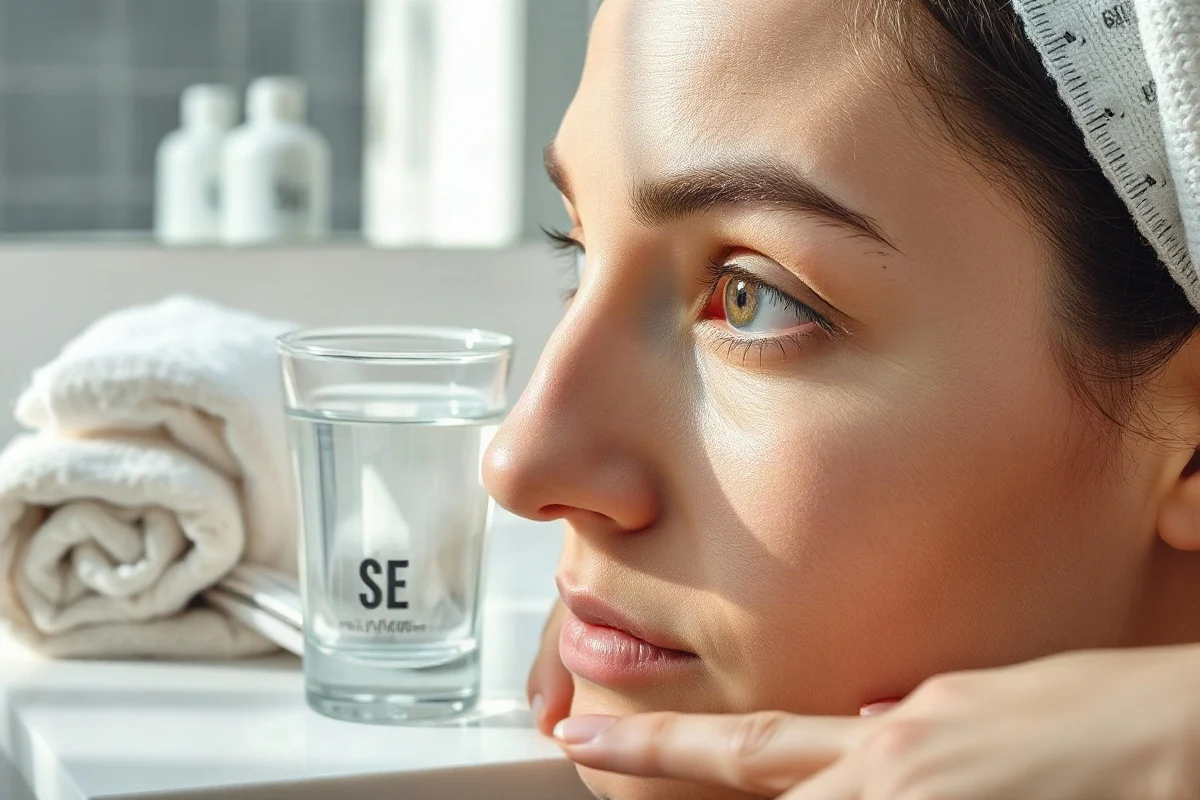
Dehydration can temporarily make under-eye wrinkles look more pronounced. Learn why it happens, what skincare can realistically do, and when to seek medical advice.
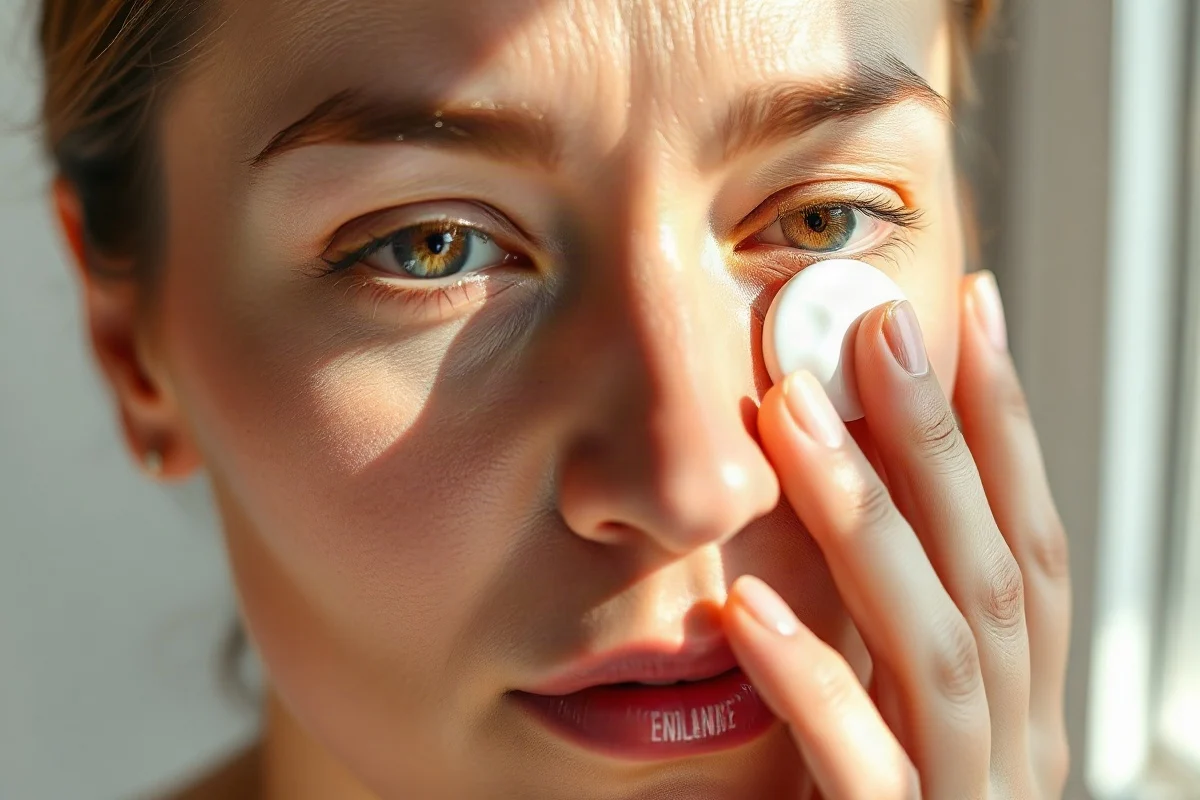
Under-eye lines can reflect both natural aging and temporary dehydration. Learn how to tell the difference, choose practical ingredients, and build a gentle routine.
The appearance of under-eye lines can shift throughout the day. Dry air, long periods of screen use, limited sleep, facial movement, and rubbing the eyes may make the area look temporarily more creased or tired. Gentle application matters because tugging or dragging can feel irritating on delicate skin. Using a small amount, following the product’s directions, and allowing it to settle before applying makeup can help support a more comfortable routine. If a formula causes stinging or persistent discomfort, it may not be the right fit for your skin.
Sun protection is also an important part of caring for visible signs of skin aging. Regular use of broad-spectrum sunscreen, along with habits such as wearing sunglasses and avoiding unnecessary eye rubbing, can complement an eye-care routine. The area around the eyes may be sensitive to fragrance and certain active ingredients, so personal tolerance, formulation, and frequency of use are worth considering. Not every eye cream is necessary for every routine, and a well-chosen facial moisturizer may be suitable for some people if it feels comfortable near the eyes.
Whether you are researching when to start using an eye cream for wrinkles, comparing options for dark circles and fine lines, or looking for a simpler approach to mature-looking skin, the articles in this category offer a useful starting point. You can learn how to read ingredient lists, set reasonable expectations, and choose products based on hydration, texture, sensitivity, and everyday preferences. These resources are for general education and cosmetic product research, not diagnosis or treatment. The goal is to make under-eye skincare easier to understand and help you create a consistent routine that feels appropriate for your skin and priorities.
Eye cream labels can be hard to compare. We explain common ingredients, make product claims easier to understand, and set realistic expectations for concerns like dryness, puffiness, and dark circles.
How we create our guidesIngredient explainers in plain English
Practical comparisons and routines
Realistic expectations for eye care