
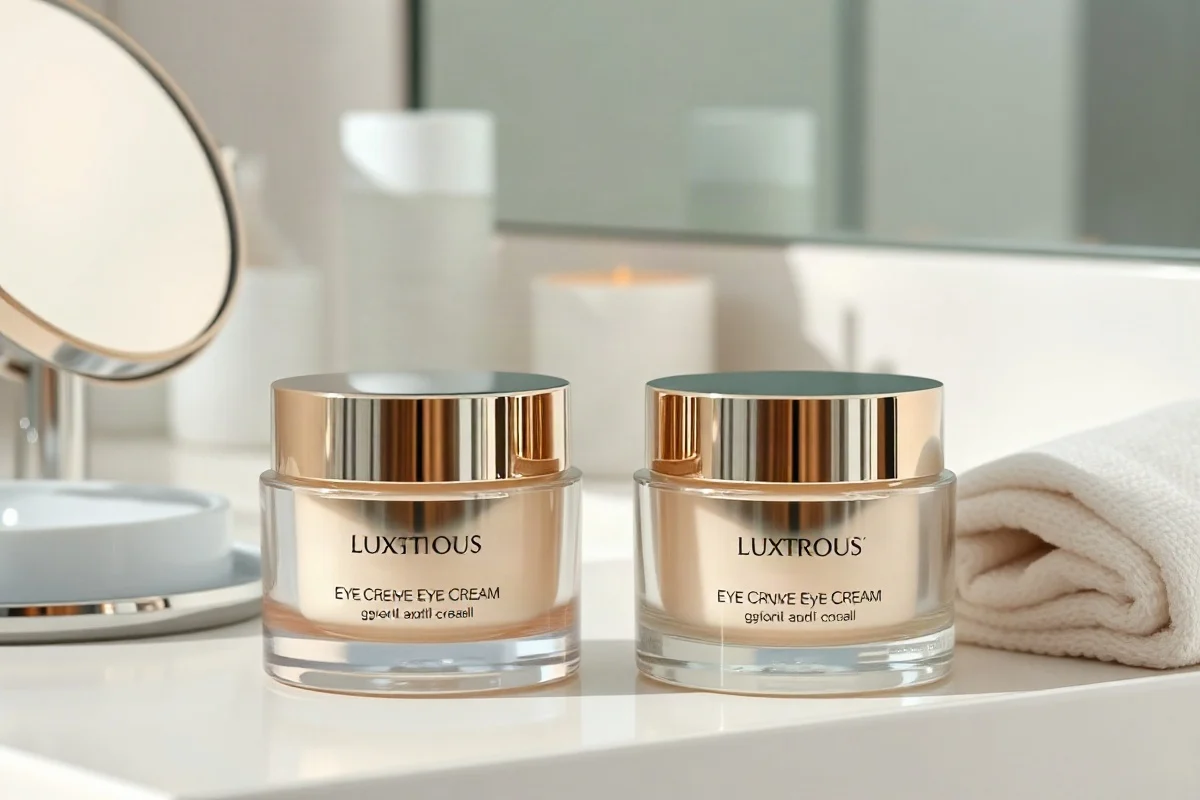
No—expensive eye creams are not automatically better than budget options. A higher price may reflect packaging, branding, texture, or a more elaborate formula, but it does not guarantee better-looking under-eyes or a more effective product. The most useful comparison is between the formula, your specific concern, your skin’s tolerance, and whether you can use the product consistently.
Eye creams can improve the appearance of dryness, temporary puffiness, dullness, and fine lines caused or emphasized by dehydration. They cannot reliably change every type of dark circle, and cosmetic products should not be treated as a diagnosis or medical treatment. Before comparing price tags, identify what you want the product to do and which ingredients and textures make sense for that goal.
What you are really paying for
The cost of an eye cream can reflect several factors that are not directly related to visible results. Brand positioning, container design, advertising, retail margins, specialized dispensing systems, and the amount of research used during development can all affect the final price. Some shoppers may consider a luxurious texture or elegant package worthwhile, but those features are personal preferences rather than proof of superior performance.
More expensive products may also combine several categories of ingredients, such as moisturizers, emollients, antioxidants, and cosmetic skin-conditioning agents. However, a simple budget formula may provide the same basic benefit if your main need is hydration and barrier support. Ingredient lists should be read as a whole rather than judged by one fashionable ingredient near the front of the package.
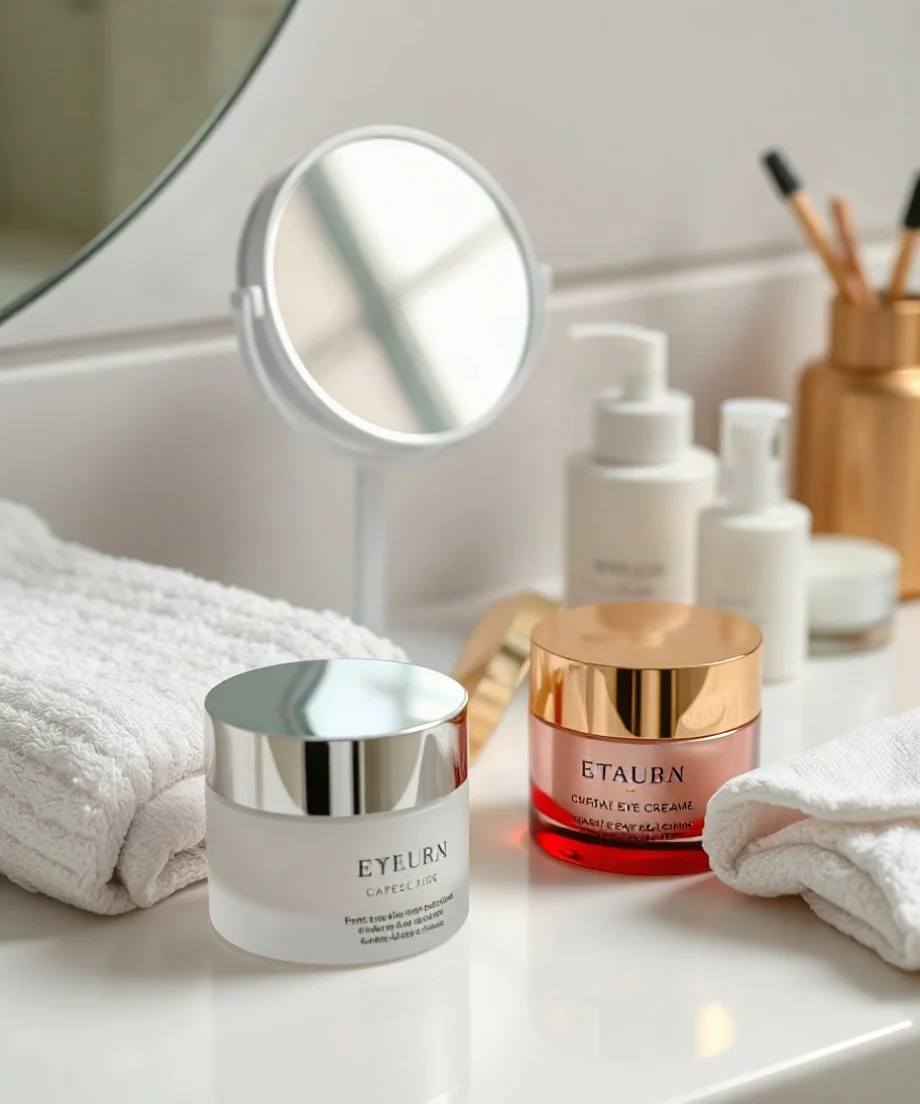
Packaging deserves attention, too. A pump or other controlled dispenser may help limit repeated exposure to air and fingers, while a jar can be less convenient for some users. Still, packaging alone does not tell you how the product will feel or perform on your skin. Product formulas can change, so check the current package and the manufacturer’s ingredient list when a specific formula matters.
Match the formula to your under-eye concern
For dryness and a crepey appearance
When the under-eye area feels tight or looks rough, a moisturizing formula may offer the most noticeable cosmetic improvement. Look for a combination of humectants, emollients, and occlusive ingredients. Humectants help attract water to the skin, while emollients and occlusives help soften the surface and reduce moisture loss.
This type of product may temporarily make fine lines look less prominent by improving hydration and smoothing the skin’s surface. That is different from permanently removing wrinkles. If you already use a gentle, fragrance-free moisturizer that suits your face, an additional eye cream may not be essential unless you prefer its texture or need a product designed for more careful application around the eyes.
For temporary puffiness
Puffiness can vary with sleep, allergies, crying, salt intake, fluid retention, and the way you are positioned during sleep. A cosmetic eye cream may make the area feel hydrated or refreshed, but it should not be expected to permanently change bags or correct an underlying health issue.
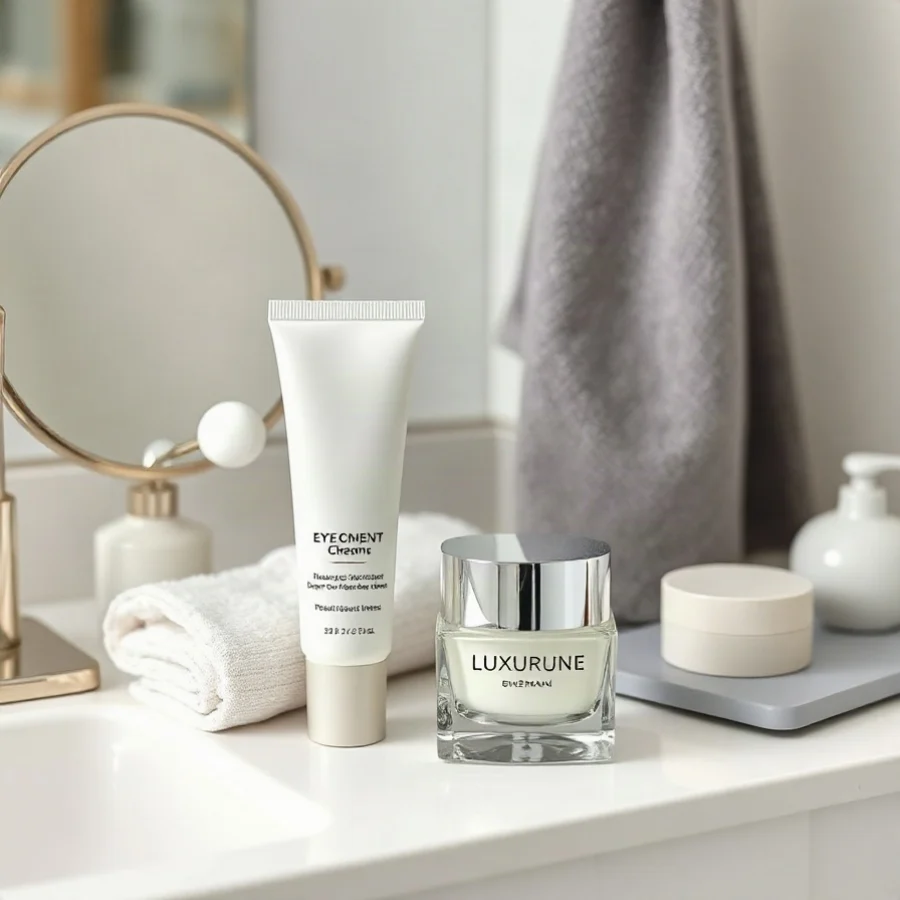
Caffeine is commonly used in products marketed for the appearance of puffiness. It may provide a temporarily more awake-looking appearance for some people, but results are not guaranteed and can depend on the formula and the reason for the puffiness. You can explore the basics in this guide to caffeine eye creams.
For dark circles
“Dark circles” describes several different visible patterns. The area may look darker because of brown or grayish pigmentation, visible blood vessels beneath thin skin, shadows created by hollows, or a combination of factors. A cream may improve hydration, add a temporary brightening effect, or support a more even-looking surface, but it may not address the main reason the area appears dark.
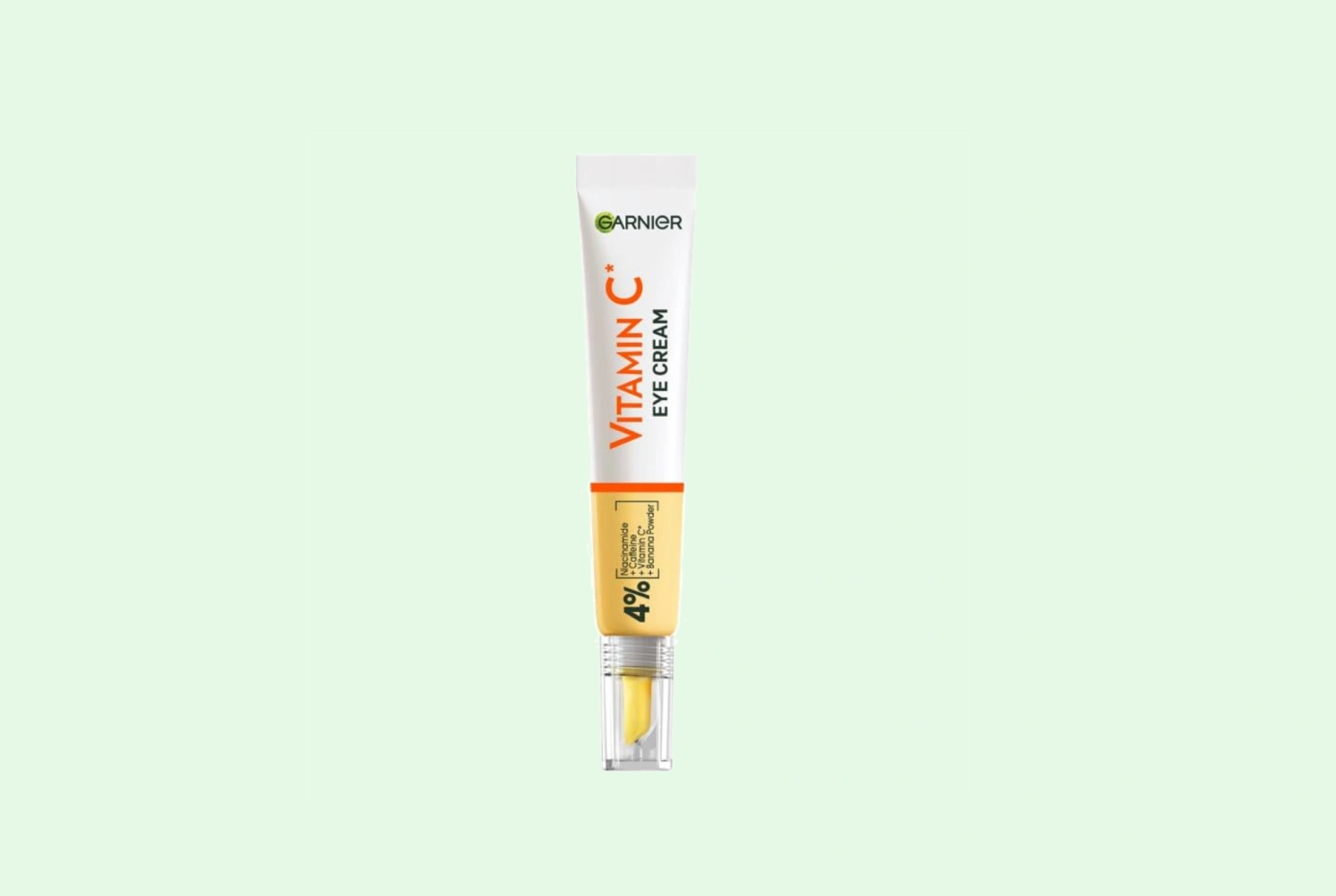
Ingredients used in brightening formulas include vitamin C derivatives, niacinamide, licorice-related extracts, and other cosmetic skin-conditioning ingredients. The suitability and strength of these ingredients vary by product. Avoid assuming that a higher price means a stronger or more appropriate brightening formula. For more background, see the site’s guide to dark circles.
For fine lines
Moisturizers can soften the look of fine lines caused by dryness. Some products also use retinoid ingredients or other active compounds intended to support a smoother-looking appearance over time. These products may be more demanding to use because the skin around the eyes can be sensitive.
If you choose a product with a potentially irritating active, follow the label carefully, introduce it gradually if the instructions allow, and avoid applying it too close to the eye itself. A patch test can help you identify obvious sensitivity, although it cannot guarantee that irritation will not occur. Stop using the product if you develop persistent burning, swelling, rash, or significant discomfort, and seek medical advice for concerning symptoms.
Why a budget eye cream may be the better choice
A less expensive eye cream can be a sensible option when it offers a comfortable texture, suitable ingredients, and packaging you will use correctly. Consistency often matters more than luxury positioning. A moderately priced moisturizer used regularly may be more useful than a costly product that feels heavy, stings, pills under makeup, or is reserved for occasional use.
Budget formulas can also make it easier to test a routine without committing to a large purchase. That can be helpful if your skin is sensitive or if you are unsure whether you prefer a gel, lotion, balm, or richer cream. It is still important to review the full ingredient list, especially if you avoid fragrance, essential oils, or specific preservatives.
Drugstore products are not automatically simple, ineffective, or interchangeable. As with luxury products, their quality and suitability vary. Compare products by their stated purpose, formula, directions, and your own tolerance instead of using price as a shortcut.
When a more expensive product might be worth considering
A higher-priced product may be worthwhile if you value its sensory experience, need a particular texture, or prefer its packaging and application method. Some shoppers also look for formulas that combine hydration with cosmetic brightening or smoothing ingredients. Those preferences can make a product feel more useful, even when a less expensive alternative offers similar basic moisturization.
The key is to separate personal value from guaranteed performance. Paying more may improve your enjoyment of a routine, but it does not ensure that dark circles will disappear, puffiness will stay away, or wrinkles will be erased. If a premium product makes claims that sound absolute, treat those claims cautiously and look for clear, current product information rather than relying on marketing language.
How to compare two eye creams fairly
- Define the main goal. Decide whether you are prioritizing hydration, temporary depuffing, a brighter-looking appearance, or smoother-looking texture.
- Compare the full ingredient lists. Look for moisturizing ingredients and active ingredients that fit your goal. Do not judge a formula solely by its front-label claims.
- Consider sensitivity. Fragrance, essential oils, retinoids, exfoliating acids, and some brightening ingredients may not suit every under-eye area. “Natural” does not automatically mean non-irritating.
- Check the directions. A product intended for nighttime use or gradual introduction may not fit the routine you want. Follow the manufacturer’s instructions.
- Evaluate texture and makeup compatibility. A formula that rolls, feels greasy, or leaves the area tight may be difficult to use consistently, regardless of price.
- Review the current packaging. Confirm the ingredients, size, directions, and warnings on the package or manufacturer’s website because formulas and packaging can change.
- Give realistic expectations. Look for gradual, cosmetic improvements in hydration or overall appearance rather than permanent correction.
How to use any eye cream more effectively
Apply a small amount to clean skin according to the product directions. Use your ring finger or another gentle approach if that helps you avoid pulling the area, and keep the product out of the eye itself. More product is not necessarily better; excess can migrate into the eyes or interfere with makeup.
Introduce one new product at a time so you can more easily identify the source of a reaction. If the area becomes irritated, stop using the product rather than trying to push through the discomfort. During the day, broad-spectrum sunscreen and sunglasses can help limit sun exposure that contributes to visible uneven tone and premature-looking skin changes. Sunscreen should be applied as directed and kept out of the eyes.
A practical routine does not need to contain multiple eye products. A gentle cleanser, a suitable moisturizer, and daytime sun protection may be enough for some people. If you want help organizing products around a specific concern, the under-eye routine builder can help you think through texture, skin type, and ingredient choices.
What eye cream cannot reliably do
No price category can guarantee that an eye cream will correct hollows, remove genetic pigmentation, eliminate visible blood vessels, or permanently change the structure of under-eye bags. A cream also cannot diagnose why discoloration or swelling is present. Sudden changes, one-sided swelling, pain, vision changes, severe irritation, or symptoms that concern you deserve medical attention rather than experimentation with skincare.
For ordinary cosmetic concerns, the most realistic approach is to choose a tolerable formula, use it consistently, protect the area from sun exposure, and reassess your expectations. If a product causes irritation or does not suit your routine, its price does not make it a better choice.
The bottom line for your shopping decision
Expensive eye creams can be enjoyable and may contain thoughtfully designed formulas, but cost is not a reliable measure of quality or visible benefit. A budget option can be the better purchase when it provides the hydration, texture, and ingredient profile your under-eyes tolerate well. Compare the formula and the fit with your routine—not the prestige of the jar.
Before buying, identify your main concern, read the current ingredient list, follow the directions, and allow reasonable time for cosmetic changes in hydration or surface appearance. The best eye cream is usually the one you can use comfortably and consistently while keeping expectations realistic.

Comments
0No comments yet. Be the first to share a helpful note or question.
Leave a Comment
Your email address will not be published. Comments are reviewed before appearing on the site.