
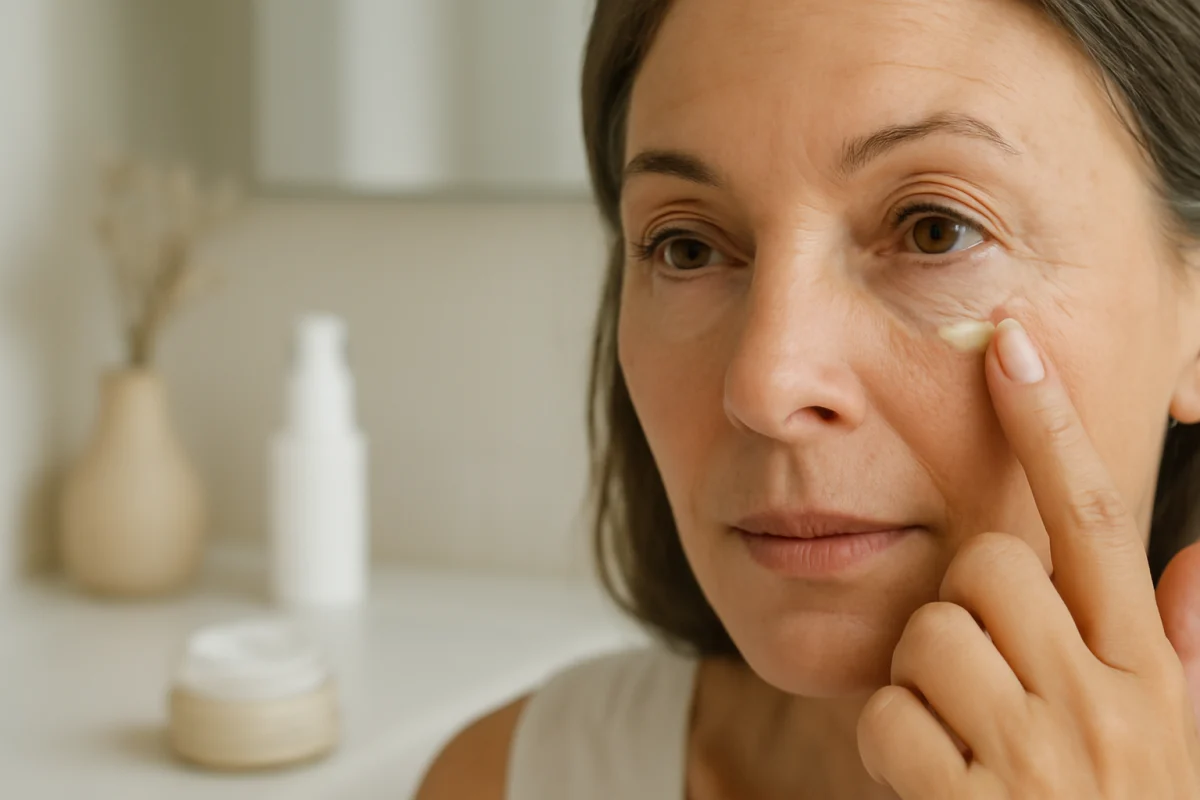
The best eye cream for wrinkles and fine lines is usually one that combines dependable moisturization with an ingredient suited to your skin’s tolerance, such as a retinoid, peptide, or antioxidant. A well-formulated moisturizer can temporarily make fine lines look less noticeable by reducing dryness, while a retinoid-focused product may be a more targeted choice for the appearance of lines over time. No eye cream can erase wrinkles permanently, and the delicate eye area may require a slower, simpler routine than the rest of the face.
Choosing well starts with identifying what makes your lines look more visible. Dehydration can emphasize tiny creases, repeated facial movement can make expression lines stand out, and gradual changes in collagen and elasticity can contribute to more persistent wrinkles. Your best option may therefore be a nourishing cream, a gentle active, or a combination of both. This guide focuses on cosmetic appearance and routine choices rather than diagnosing or treating a medical condition.
What to look for in an eye cream for wrinkles
Eye creams are not automatically more effective than facial moisturizers, but products made for the eye area are often designed with a lighter texture or a lower concentration of potentially irritating ingredients. The most useful formula depends on whether your main concern is dryness, visible lines, uneven tone, or sensitivity.
Moisturizing ingredients
Humectants such as glycerin and hyaluronic acid help attract water to the skin’s surface. Emollients and occlusive ingredients can help soften roughness and reduce moisture loss. These ingredients may give the under-eye area a smoother, more comfortable appearance, particularly when fine lines are emphasized by dryness.
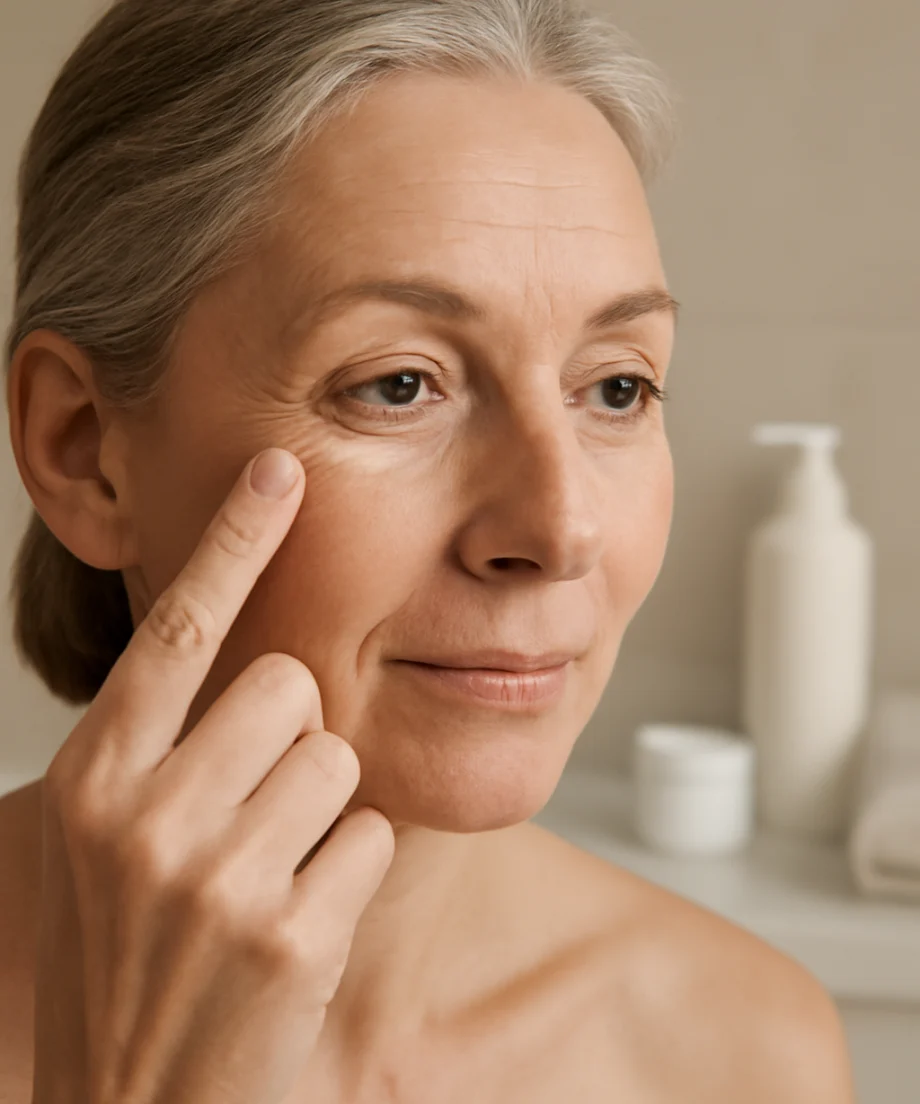
A moisturizing eye cream is often the most reasonable starting point for dry or sensitive skin. Look for a texture that provides enough comfort without causing milia-like bumps, heaviness, or eye migration. Because individual reactions vary, applying a small amount and observing how your skin responds is more useful than assuming a richer formula is always better.
Retinoids and retinol
Retinol and other retinoids are commonly used in skincare routines aimed at improving the appearance of fine lines and uneven texture. They can be effective-looking options for some people, but the eye area is thin and easily irritated. Products made specifically for the eye area may be preferable to applying a strong facial retinoid close to the eyes, although the label directions should always take priority.
Begin only as directed, use a small amount, and avoid applying the product too close to the lash line unless the instructions specifically allow it. If you already use other exfoliating or retinoid products, adding another active can increase the chance of dryness or irritation. Redness, burning, scaling, or persistent discomfort is a reason to stop and reassess the routine. People who are pregnant, trying to become pregnant, or nursing should ask a qualified clinician about retinoid use.
For more detail about this ingredient category, see our guide to retinol eye cream.
Peptides
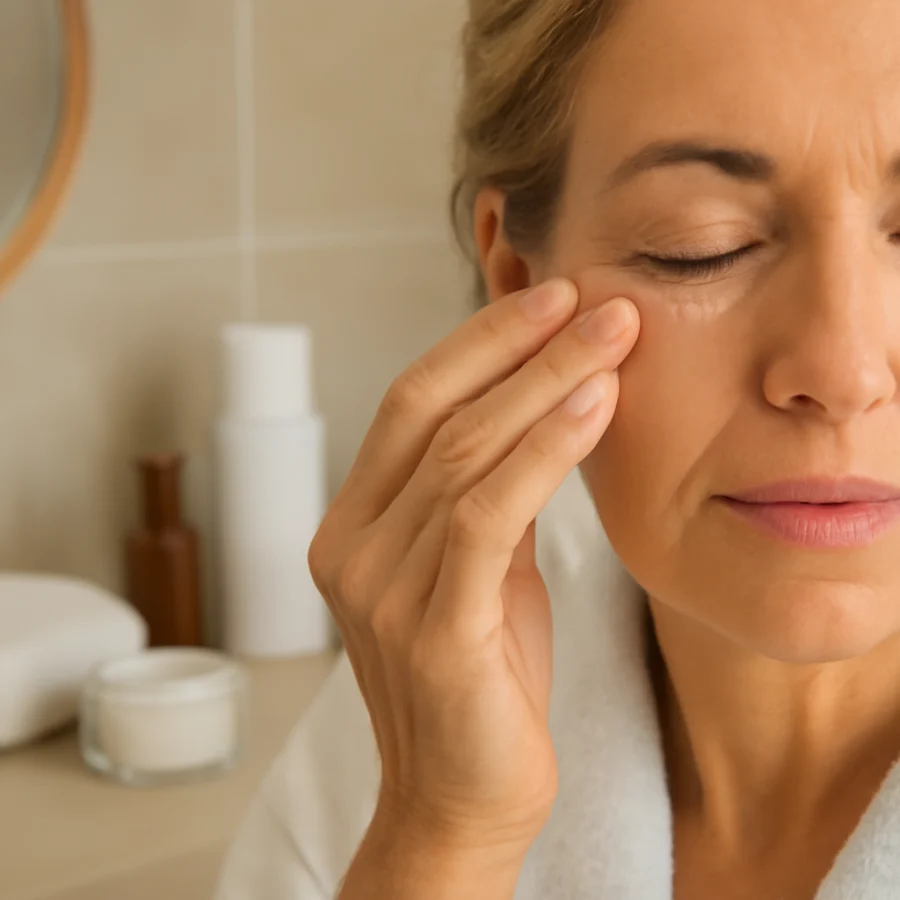
Peptides are included in many products marketed for mature skin and visible lines. They are generally used to support a smoother-looking, moisturized appearance, but peptide formulas vary widely and their presence alone does not guarantee a particular result. If you prefer a less active-feeling routine or find retinoids too irritating, a peptide eye cream may be a comfortable option to consider.
When comparing products, focus on the complete ingredient list, texture, packaging, and directions rather than a single highlighted ingredient. Manufacturers can change formulas, so check the current product packaging or the brand’s current ingredient list before buying or relying on a product-specific detail.
Antioxidants and vitamin C
Antioxidants are often used in skincare to help support the appearance of brighter, more even-looking skin. Vitamin C eye products may appeal to people whose under-eye area looks dull or uneven, although the form of vitamin C and the overall formula affect how tolerable it is. Some versions can sting, especially on dry or sensitive skin.
Vitamin C is not a guaranteed solution for wrinkles or dark circles. If you choose it, follow the label and introduce it gradually. Avoid getting the product directly into the eyes, and discontinue use if irritation develops. Our eye cream ingredient guide can help you compare common skincare ingredients without relying on marketing language alone.
Which eye cream is best for different skin needs?
For dry, mature skin
A cream with humectants, emollients, and barrier-supportive ingredients may be the most comfortable choice. Dryness can make fine lines appear sharper, so consistent moisturization may improve the look of the area even when the underlying lines remain. Apply the product gently and avoid rubbing, which can increase discomfort and make the area feel more sensitive.
If you want to add a retinoid, consider introducing it separately from other new actives. Use the moisturizer on the nights when your skin needs more comfort, and do not assume that a stronger or more heavily fragranced product will produce better results.
For sensitive skin
Choose a simple formula with minimal potential irritants and avoid adding several new products at once. Fragrance, essential oils, strong exfoliating acids, and some active ingredients may be uncomfortable around the eyes for certain people, though sensitivity is individual.
Patch testing can help you identify an obvious reaction, but it cannot predict every eye-area response. Follow the product label, keep the application away from the eye itself, and stop using the product if you experience burning, swelling, or a rash. For more routine ideas, visit our guide to eye creams for sensitive skin.
For combination or oily skin
A lightweight lotion, gel-cream, or serum-like texture may feel more comfortable than a rich balm. However, lighter textures can still contain useful moisturizing ingredients. The goal is not to choose the thinnest product possible, but to find one that hydrates without leaving the area greasy, congested, or prone to product migration.
For wrinkles with puffiness or dark circles
Wrinkles are only one possible reason the eye area looks tired. Puffiness may be more noticeable in the morning, while dark circles can have different visible contributors, including shadowing, pigmentation, and the appearance of blood vessels. An eye cream formulated for lines may not address every concern at the same time.
Caffeine is commonly used in products intended to make the eye area look temporarily more awake, but it should not be treated as a permanent fix for puffiness or dark circles. If discoloration is your main concern, read our guide to dark circles before choosing a wrinkle-focused product.
How to apply eye cream for fine lines
- Start with clean, dry skin unless the product label gives different directions.
- Use only the amount recommended on the packaging. More product is not automatically more effective.
- Dot the cream around the orbital area rather than placing it directly on the eyelids or lash line, unless the product specifically instructs otherwise.
- Pat gently with a clean fingertip instead of pulling or rubbing the skin.
- Give the product time to settle before applying makeup or another skincare layer.
Consistency matters more than applying a large amount occasionally. If the product contains a potentially irritating active, use it only as often as directed and consider starting less frequently if the label permits. Keep sunscreen in your daytime routine because ultraviolet exposure can contribute to visible signs of skin aging. Do not apply sunscreen or skincare products into the eyes, and follow the product’s safety instructions.
What results can you realistically expect?
Moisturizing ingredients may make the skin look smoother relatively quickly, especially when dryness is making fine lines more noticeable. Other products require regular use before you can judge whether they improve the appearance of texture. Results vary according to age, skin type, genetics, sun exposure, facial movement, product tolerance, and how consistently the routine is followed.
Even a suitable eye cream will not remove deep expression lines, change facial anatomy, or permanently restore lost elasticity. It also cannot be expected to correct every cause of under-eye shadowing or puffiness. A product that improves comfort and makes lines look softer may still be a worthwhile choice, even when the change is subtle.
How to compare eye creams before buying
- Start with your main concern: Decide whether dryness, fine lines, texture, puffiness, or uneven tone is most important.
- Review the full ingredient list: Do not rely only on front-label claims or one featured ingredient.
- Consider your tolerance: Sensitive skin may do better with a simple moisturizer before adding a retinoid or exfoliating active.
- Check the packaging: Some ingredients are more vulnerable to air or light, and packaging can affect how well a formula stays usable.
- Verify current information: Formulas may change, so confirm the current ingredient list and directions from the package or manufacturer.
- Choose a realistic routine: A product you can use comfortably and consistently may be more useful than a stronger formula that causes irritation.
If you are comparing several formulas, our eye cream reviews section offers a place to organize product research by concern and ingredient focus.
When to seek professional advice
Persistent swelling, sudden changes around one eye, significant pain, vision changes, discharge, or a rash that does not improve with product removal should not be managed with eye cream alone. Seek appropriate medical advice for those symptoms. A qualified dermatologist or eye-care professional can help evaluate concerns that go beyond cosmetic skincare and can advise you about active ingredients if you have a skin condition, allergies, or ongoing irritation.
For most people, the best eye cream for wrinkles and fine lines is not the product with the boldest promise. It is a well-tolerated formula that matches the skin’s needs, is used according to its directions, and fits into a routine that also includes gentle cleansing, moisturization, and daytime sun protection.




Comments
0No comments yet. Be the first to share a helpful note or question.
Leave a Comment
Your email address will not be published. Comments are reviewed before appearing on the site.