
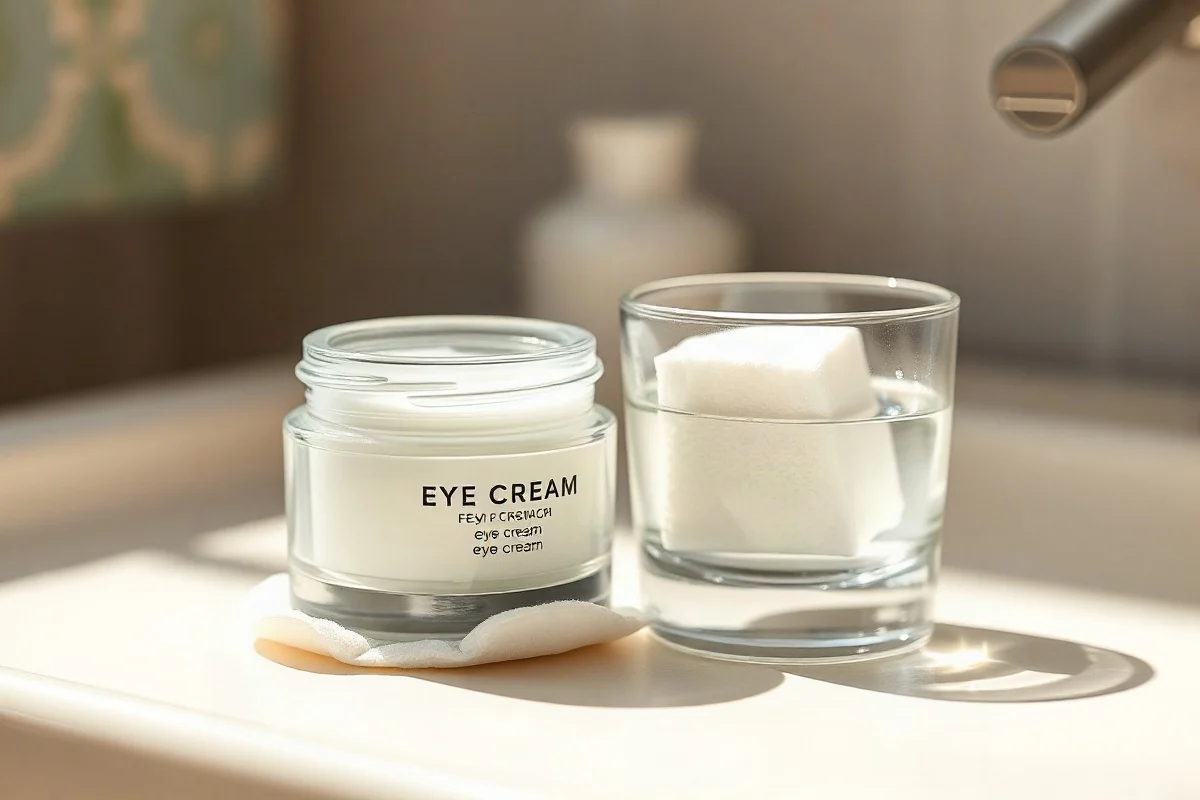
For sensitive under-eye skin, the best eye cream ingredients are usually gentle moisturizers and barrier-supporting ingredients such as glycerin, ceramides, squalane, hyaluronic acid, panthenol, and colloidal oatmeal. These ingredients can help the skin feel more comfortable and look smoother without relying on a strong active formula. If dark circles, puffiness, or fine lines are your main concern, choose one concern-focused ingredient at a time and favor a fragrance-free formula with a short, clearly labeled ingredient list.
The eye area is thin and easily exposed to rubbing, cleansing, makeup removal, sweat, and products that migrate from nearby skin. Sensitivity can also vary from person to person, so an ingredient that feels comfortable for one individual may cause stinging or redness for another. The goal is not to find the most powerful eye cream. It is to find a formula that supports consistent, comfortable use.
Start with barrier-supporting ingredients
When the skin around the eyes feels tight, dry, flaky, or easily irritated, hydration and barrier support are sensible priorities. These ingredients generally focus on improving the skin’s feel and appearance rather than changing the underlying cause of dark circles.
Glycerin
Glycerin is a humectant, meaning it helps attract water to the outer layers of the skin. In an eye cream, it may help the under-eye area feel less dry and look temporarily smoother. Because glycerin is common in many skincare products, it can be a practical ingredient to look for when you want basic hydration without a complicated active blend.
Hyaluronic acid
Hyaluronic acid is another humectant used to support surface hydration. It may make dehydrated-looking fine lines appear less noticeable for a time by helping the skin hold water. The ingredient itself does not permanently remove wrinkles or correct every type of dark circle. If a hyaluronic acid product feels tight or uncomfortable, the overall formula—not necessarily the ingredient alone—may not suit your skin.
Ceramides
Ceramides are lipids naturally found in the skin barrier. In topical skincare, they are used to help support the barrier and reduce the feeling of dryness. A ceramide-containing eye cream may be worth considering if your under-eye skin frequently feels rough or compromised, especially when paired with other uncomplicated moisturizing ingredients.
Squalane
Squalane is an emollient that helps soften the skin and reduce a dry, tight feeling. It can make the under-eye area feel more comfortable and may give the skin a smoother-looking finish. People who dislike heavy balms may prefer a lighter formula, while very dry skin may tolerate a richer cream better. Texture is important because applying too much product close to the eyes can increase the chance of migration and discomfort.
Panthenol and colloidal oatmeal
Panthenol is commonly included as a moisturizing and conditioning ingredient. Colloidal oatmeal can help soothe the feel of dry, uncomfortable skin for some people. Neither ingredient should be treated as a diagnosis or treatment for an eye-area condition, but both may fit a minimalist routine designed around comfort.
Ingredients to consider for specific concerns
Sensitive skin does not automatically mean you must avoid every active ingredient. It does mean that the strength, frequency, surrounding formula, and application area matter. Introduce only one new active at a time, follow the product label, and stop using the product if it causes persistent burning, swelling, rash, or worsening irritation.
Caffeine for a temporarily refreshed appearance
Caffeine is often used in eye products designed for the look of puffiness or morning fatigue. A caffeine eye cream may make the area appear more awake for a limited period, but it is not a guaranteed solution for eye bags or dark circles. Puffiness can have many possible contributors, and a topical product may not address all of them.
If you are prone to sensitivity, avoid assuming that a product is gentle simply because it contains caffeine. Check the complete ingredient list for fragrance, essential oils, exfoliating acids, or other ingredients you already know your skin dislikes. You can learn more about this category in our guide to caffeine eye creams.
Niacinamide for tone and barrier support
Niacinamide is a form of vitamin B3 used in skincare for several cosmetic purposes, including supporting the skin barrier and improving the look of uneven tone. Some sensitive skin types tolerate it well, while others experience tingling or irritation, particularly when it appears alongside multiple active ingredients.
For the eye area, a simple formula may be a better starting point than a product marketed around a large collection of brightening ingredients. Avoid applying a product directly to the lash line unless the label specifically provides directions for that area.
Vitamin C and its derivatives
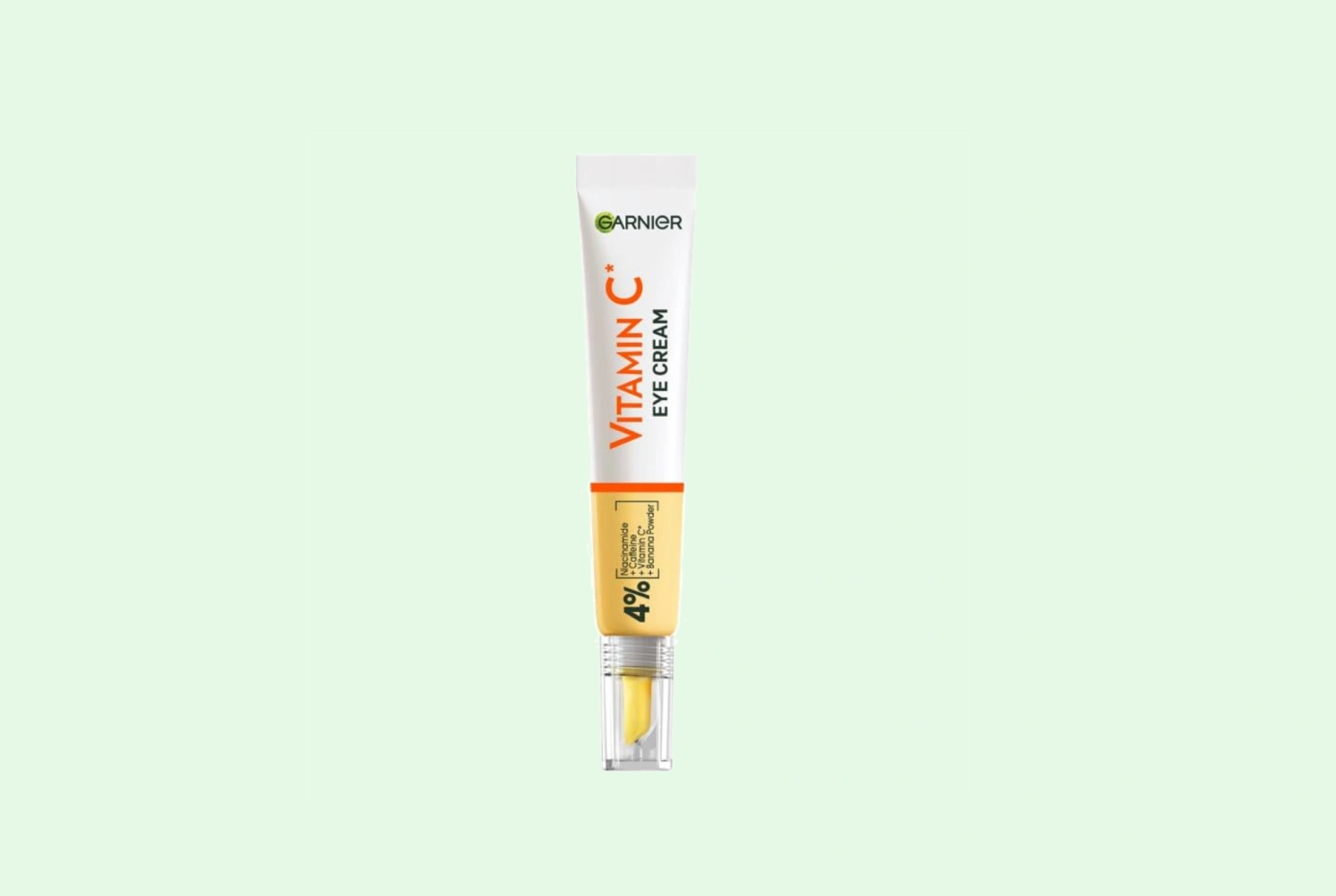
Vitamin C products are often chosen for the appearance of dullness and uneven tone. However, vitamin C formulas differ substantially. Some forms may feel more irritating than others, and additional ingredients in the formula can affect tolerance. If you want to try a vitamin C eye product, select one labeled for the eye area and introduce it gradually rather than adding it at the same time as retinoids or exfoliating acids.
Vitamin C cannot be expected to erase every type of dark circle. The appearance of under-eye darkness may relate to visible blood vessels, shadows from facial structure, surface discoloration, or naturally deeper pigmentation. A cosmetic product may improve the look of one contributing factor without changing the others. Our vitamin C eye cream guide provides more context on this category.
Retinoids for the appearance of fine lines
Retinol and related retinoids are commonly used in skincare aimed at the appearance of fine lines and uneven texture. They are also among the ingredients most likely to cause dryness, peeling, or irritation when introduced too quickly, making them a less obvious first choice for highly reactive skin.
If a product label directs you to use a retinoid around the eyes, begin cautiously and follow those directions closely. Use a small amount, avoid the immediate lash line, and consider using it less often than you would a basic moisturizer. Do not combine several potentially irritating actives at once. If your skin becomes persistently irritated, stop using the product and return to a simple moisturizing routine until it feels comfortable. See our overview of retinol eye creams for additional selection considerations.
Ingredients and formula features to approach carefully
There is no universal list of ingredients that every sensitive person must avoid. Still, certain formula features deserve extra attention when the under-eye area reacts easily.
- Fragrance: Added fragrance can be a problem for some sensitive users, especially near the eyes. A fragrance-free label may be a useful starting point, but it does not guarantee that irritation is impossible.
- Essential oils: Plant-derived does not automatically mean gentle. Essential oils can be irritating for some people and may be unnecessary in an eye-area product.
- Exfoliating acids: Ingredients such as glycolic, lactic, and salicylic acid may be too stimulating for some under-eye skin. Only use them near the eyes when the product is specifically intended for that area and the directions clearly permit it.
- Strong active combinations: A formula containing several brightening, exfoliating, or anti-aging ingredients may make it harder to identify what is causing a reaction.
- Heavy occlusive textures: Rich products can be helpful for dryness, but too much product may migrate into the eyes or feel uncomfortable. Start with a small amount.
How to choose a sensitive-skin eye cream
Read the full label, not just the front of the package
Marketing terms such as “soothing,” “clean,” or “hypoallergenic” do not tell you everything about a formula. Review the current ingredient list and look for a texture and ingredient profile that match your needs. Product formulas can change, so verify the packaging or the manufacturer’s current ingredient information before purchasing or using a product.
Choose one main objective
If your skin is easily irritated, start with the concern that matters most. For dryness, choose a barrier-focused moisturizer. For morning puffiness, you might consider a simple caffeine formula. For fine lines, you may eventually explore a retinoid, but only if your skin can tolerate it and the product is intended for the eye area. Focusing on one objective reduces the number of variables in your routine.
Patch test and introduce products slowly
Apply a small amount to a discreet area according to the product’s directions before using a new eye cream near both eyes. A patch test cannot guarantee that a product will not irritate the eye area, but it may help you identify obvious intolerance before full application. Introduce one new product at a time and avoid testing several new actives during the same week.
Use less than you think
The under-eye area needs only a small amount. Gently pat the product around the orbital area rather than rubbing it back and forth. Keep it away from the eye itself and the immediate lash line unless the label gives different instructions. Applying more product does not necessarily produce better cosmetic results and may increase the chance of migration or irritation.
A simple routine for reactive under-eye skin
A basic routine can be more useful than an aggressive one. In the morning, cleanse gently if needed, apply a small amount of a bland moisturizing eye product, and use broad-spectrum sunscreen on the surrounding face as directed by its label. Be careful to keep sunscreen out of the eyes. Sunglasses and physical shade can also help reduce squinting and protect the surrounding skin from everyday sun exposure.
At night, remove makeup without scrubbing, then apply a gentle moisturizer. If you decide to add an active ingredient, use it on a separate schedule from other potentially irritating products. Give your skin time to show whether it tolerates the change. Our under-eye routine builder can help organize product choices around your primary concern.
What sensitive-skin eye cream can and cannot do
A well-tolerated eye cream may improve the look of dryness, surface roughness, temporary dehydration lines, or mild morning puffiness. Hydration can make the skin appear smoother, while a comfortable texture may make daily use easier. These are cosmetic appearance benefits, not medical treatment.
Eye cream may have limited impact when darkness is mainly related to facial shadows, naturally deeper pigmentation, prominent blood vessels, allergies, or another health concern. It also cannot guarantee permanent removal of dark circles, bags, or wrinkles. If you have persistent swelling, significant redness, pain, vision changes, discharge, or a sudden change around one eye, seek advice from a qualified medical professional rather than relying on cosmetic skincare.
The most suitable sensitive-skin eye cream is usually the one you can use comfortably and consistently: a straightforward, fragrance-free formula with moisturizing ingredients, a realistic purpose, and directions you can follow. Keep the routine simple, introduce actives cautiously, and reassess any product that causes discomfort.

Comments
0No comments yet. Be the first to share a helpful note or question.
Leave a Comment
Your email address will not be published. Comments are reviewed before appearing on the site.