
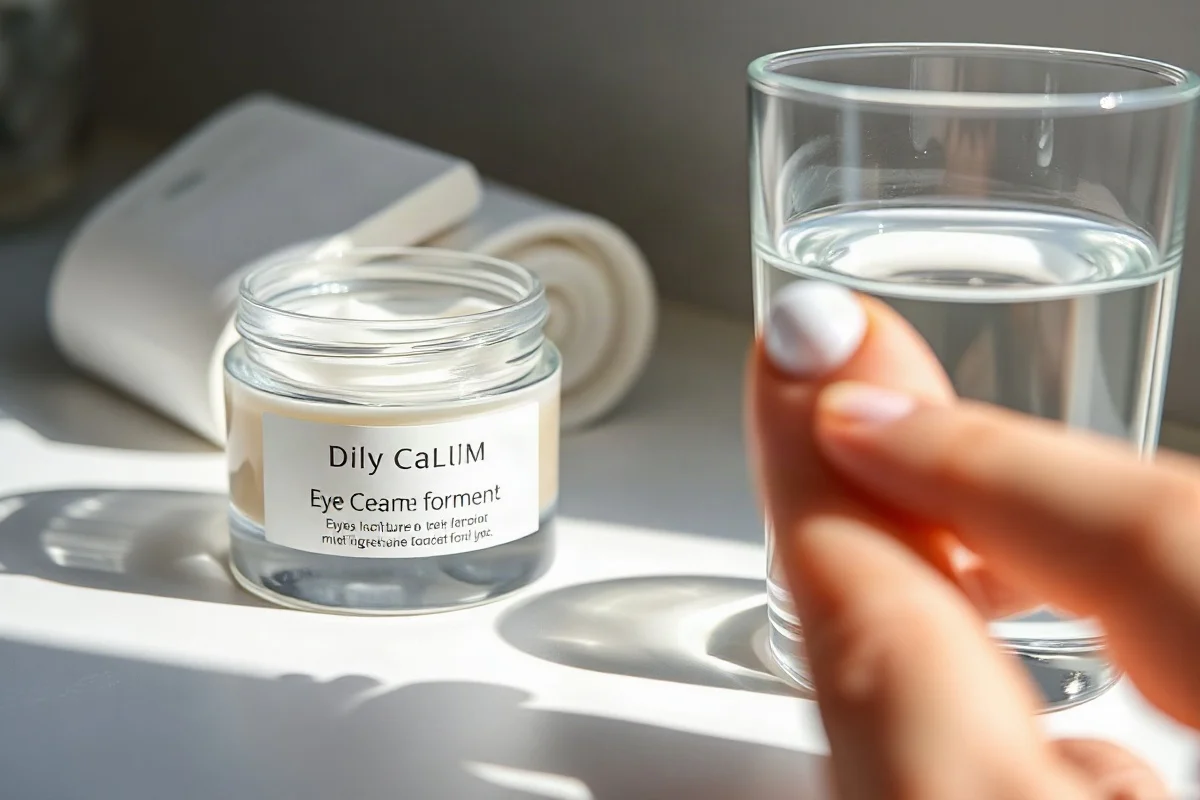
For dry under-eye skin, the most useful ingredients are humectants such as glycerin and hyaluronic acid, barrier-supporting ingredients such as ceramides and fatty acids, and emollients such as squalane. A simple eye product that combines several of these ingredients can help the under-eye area look more comfortable, supple, and temporarily smoother. The right choice depends on whether your main concern is tightness, flaking, sensitivity, fine lines that look more noticeable when skin is dehydrated, or a combination of these issues.
Dryness does not cause every type of dark circle, and moisturizing cannot address all of the reasons the area may look darker. Under-eye discoloration can be influenced by visible blood vessels, natural facial structure, shadowing, pigmentation, irritation, or other factors. The guidance below focuses on cosmetic support for dry-looking skin rather than diagnosing or treating a medical condition.
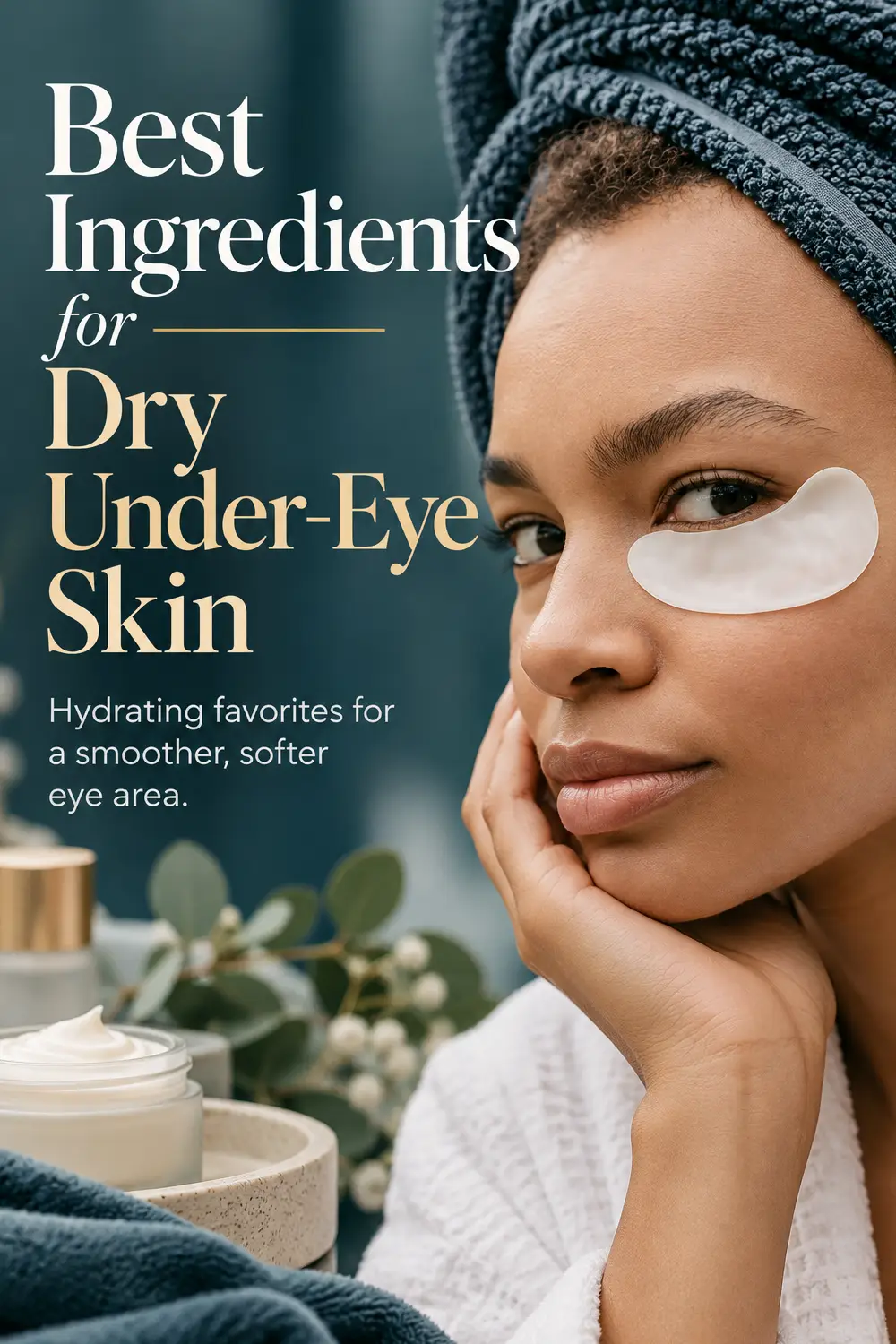
Why the under-eye area often feels dry
The skin around the eyes is delicate and has less surface area than most other parts of the face. It is also exposed to frequent movement from blinking and facial expressions. Cleansers, makeup removers, weather, indoor heating, air conditioning, and rubbing can all make tightness or flaking more noticeable.
When the skin surface lacks water or protective lipids, fine lines may look more pronounced. Concealer can settle into those lines, and the area may appear dull or crepey. These changes do not necessarily mean the skin has permanently aged. In some cases, improving hydration makes the surface look temporarily smoother, although it will not erase lines or permanently change the structure of the skin.
Best ingredients for dry under-eye skin
Glycerin
Glycerin is a humectant, meaning it helps attract and hold water in the outer layers of the skin. It is common in moisturizers because it can provide a comfortable, cushioned feel without necessarily making a formula heavy.
For the under-eye area, glycerin may be useful when the skin feels tight after cleansing or looks dull from surface dryness. It works well in a broader formula that also contains emollients or barrier-supporting ingredients. As with any product, the overall formula matters more than one ingredient viewed in isolation.
Hyaluronic acid and other humectants
Hyaluronic acid is another water-binding ingredient frequently used in eye creams and facial moisturizers. Products may include different forms of hyaluronic acid, but shoppers do not need to choose solely based on the ingredient's name or marketing language. A well-formulated product with glycerin, hyaluronic acid, or similar humectants can help the surface look plumper and more hydrated for a time.
Humectants are often most comfortable when used in a formula that also helps reduce water loss. If an eye product leaves the area feeling tight or sticky, try using less rather than automatically applying more. Follow the product directions, and keep the product out of the eye itself.
Ceramides
Ceramides are skin-identical lipids that help support the outer barrier. Dry skin may benefit from a moisturizer containing ceramides because barrier support can make the area feel less rough and reactive over time.
Ceramides are not a quick fix for dark circles, and they do not remove under-eye discoloration. Their role is more practical: they can support a smoother-feeling surface and help a moisturizer designed for dry skin feel more protective. Because formulas can change, check the current ingredient list on the package or the manufacturer's website before buying.
Squalane
Squalane is a lightweight emollient that helps soften the skin and reduce a dry, rough feel. It can be a useful option for people who want nourishment without the heavier sensation associated with some ointment-like products.
A squalane-containing eye cream may make dry texture look less obvious by improving surface slip and softness. It will not correct every cause of flaking, however. If the product stings, causes redness, or makes the area feel congested, discontinue it and choose a simpler formula.
Fatty acids and cholesterol
Fatty acids and cholesterol are components of the skin's natural barrier. In a moisturizer, they may be paired with ceramides and other lipids to create a more complete barrier-supporting formula.
These ingredients can be especially appealing when the under-eye area feels persistently rough or uncomfortable from environmental dryness. They are not required for every routine, but a balanced lipid-focused moisturizer may be more satisfying than a product built mainly around a cooling or tightening sensation.
Shea butter and other emollients
Shea butter, plant oils, and other emollients help soften the skin and fill in some of the unevenness between surface cells. They may be helpful for dry skin that needs a richer texture, particularly at night.
Richer ingredients are not automatically better. A thick product can migrate into the eyes, feel uncomfortable, or interfere with makeup. Apply a small amount and keep it on the orbital bone rather than directly along the lash line unless the label specifically directs otherwise.
Panthenol
Panthenol, also known as provitamin B5, is used in many skincare formulas as a conditioning and moisturizing ingredient. It can help a product feel soothing and comfortable, although “soothing” should not be interpreted as treatment for a diagnosed skin condition.
Panthenol may be a useful choice for dry skin that also feels easily irritated. Still, the complete ingredient list matters. Fragrance, essential oils, or other components may be more relevant to your comfort than the presence of one beneficial ingredient.
Colloidal oatmeal
Colloidal oatmeal can provide a comforting, protective feel in products intended for dry or sensitive skin. It is often chosen when the skin feels rough or easily bothered by environmental conditions.
People can react to almost any ingredient, and an eye product may contain additional ingredients that do not suit you. If you have known sensitivities, review the full label carefully and consider a patch test according to the product's instructions.
Ingredients to approach carefully when skin is very dry
Hydration should usually come before aggressive active ingredients when the under-eye area is flaky, stinging, or visibly irritated. Retinoids, exfoliating acids, and some forms of vitamin C can be useful in selected routines, but they may also cause dryness or irritation, especially near the eyes.
If you use a potentially irritating active, follow the product label and introduce it cautiously rather than combining several new actives at once. Avoid applying products too close to the eyes unless they are specifically designed and labeled for that area. Stop using a product if it causes persistent burning, swelling, redness, or worsening irritation.
Fragrance and essential oils are not automatically harmful for everyone, but they may be unnecessary in a product used on delicate skin. People with sensitivity may prefer a short ingredient list and a fragrance-free formula. “Natural” does not guarantee that a product will be gentle.
How to choose an eye cream for dryness
Look for a balanced formula
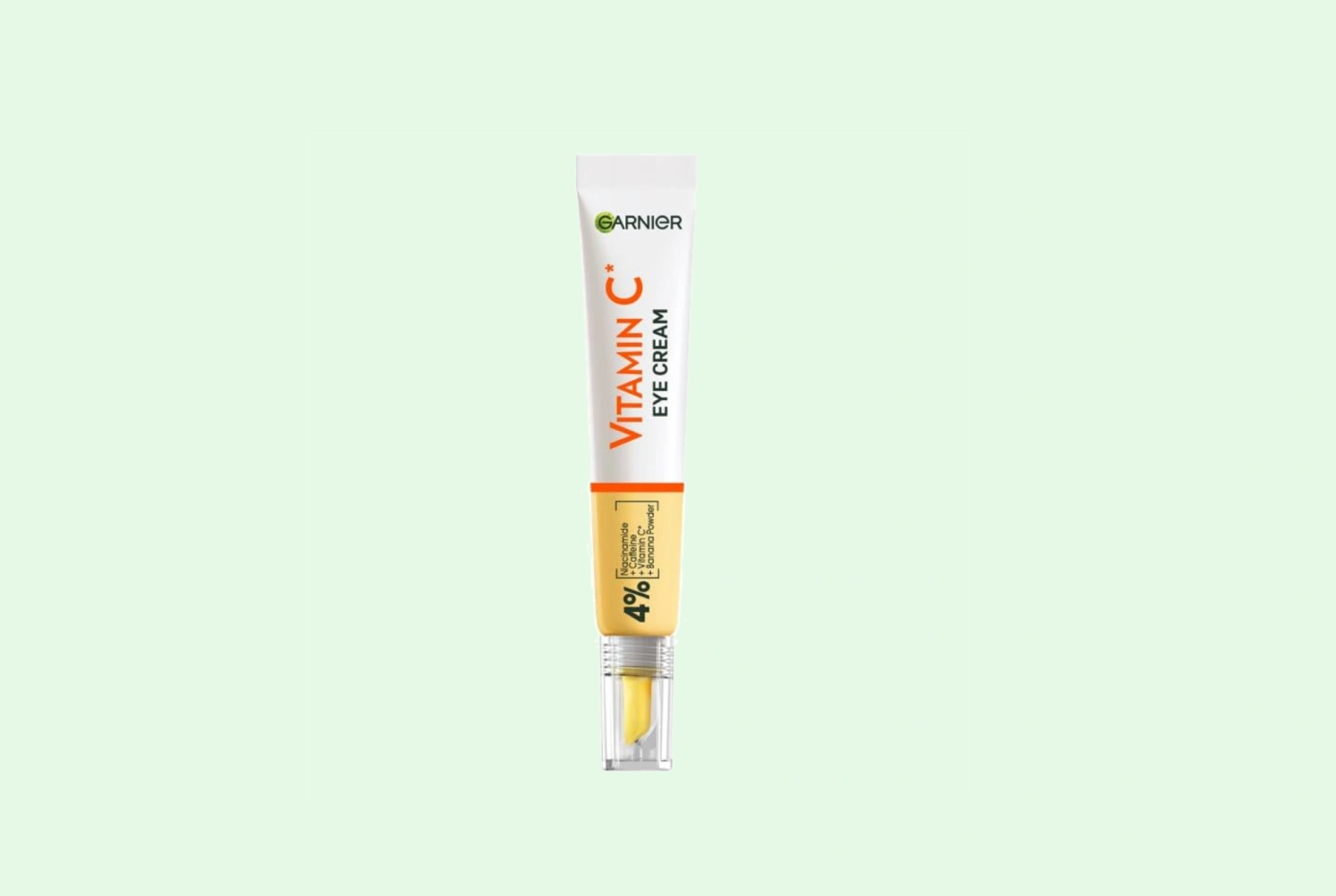
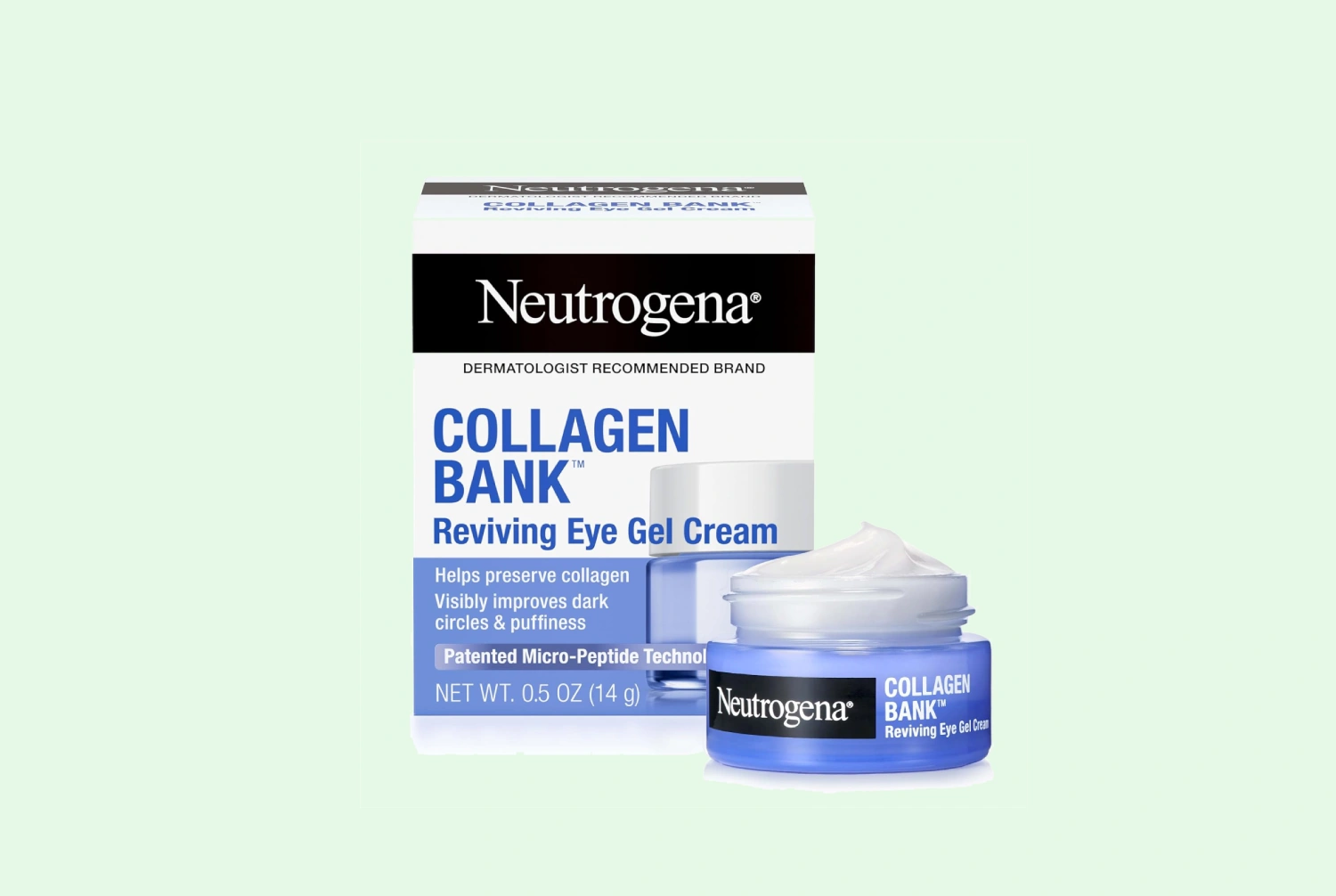
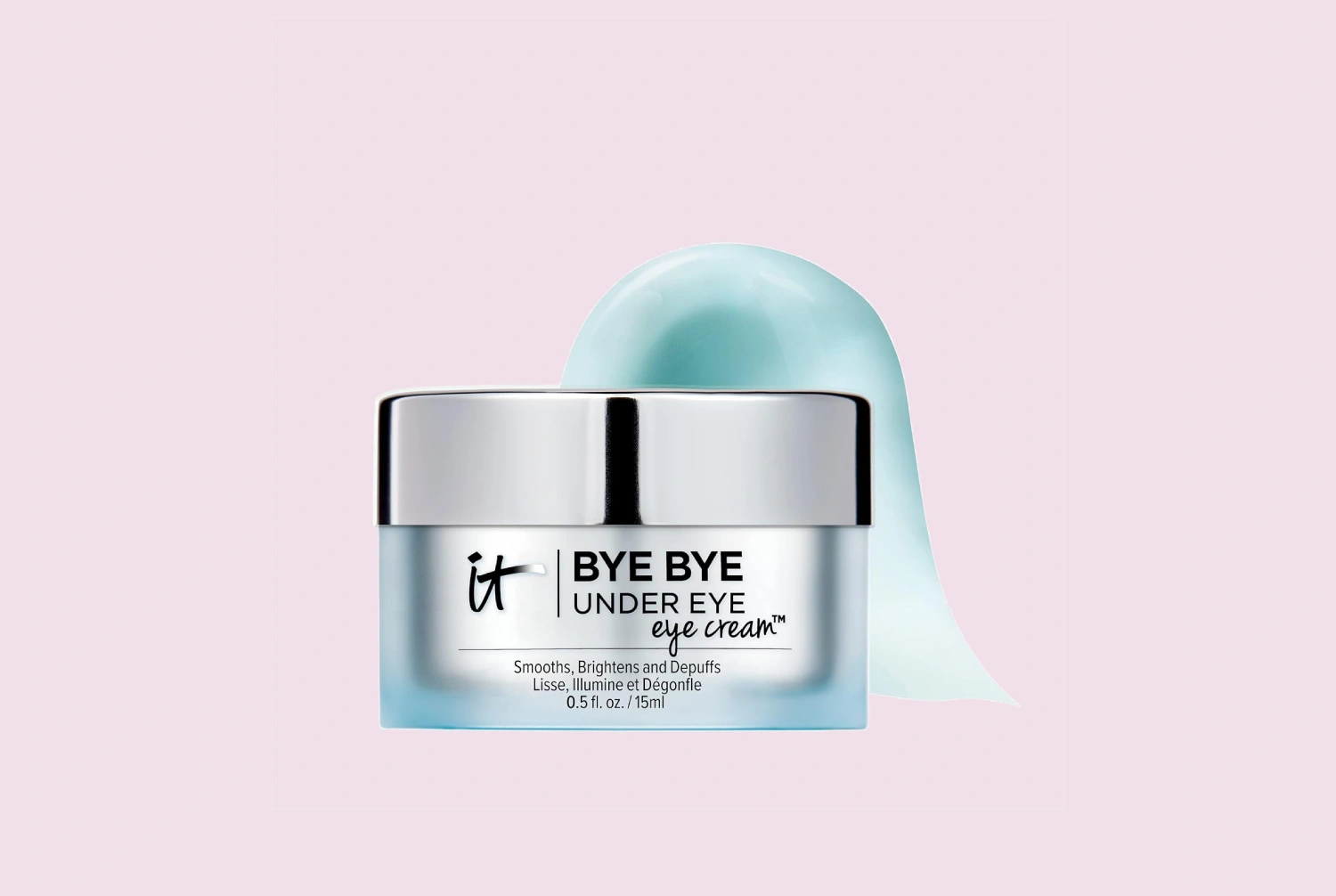
Rather than searching for one perfect ingredient, look for a combination of a humectant, an emollient, and barrier-supporting ingredients. For example, glycerin or hyaluronic acid may provide hydration, while squalane, shea butter, or fatty acids add softness. Ceramides, cholesterol, or other lipids may support the skin barrier.
The ingredient order can offer context, but it does not tell the whole story about how a product will feel or perform for you. Packaging, preservation, texture, and personal tolerance all matter. Product formulas can change, so verify the current packaging and manufacturer ingredient list when a particular ingredient is important to your decision.
Match the texture to your routine
A lightweight gel-cream may work well in the morning under concealer, while a richer cream or balm may feel more comfortable at night. If makeup separates or settles into lines, use less product and give it time to absorb before applying concealer.
Dry skin does not always need the heaviest possible cream. A moderate lotion may be enough in humid weather, while a richer formula can be useful in cold or dry conditions. Adjusting texture seasonally can be more practical than using one product in every situation.
Keep the rest of the routine gentle
Moisturizer cannot fully compensate for harsh cleansing or frequent rubbing. Remove makeup with minimal friction, rinse away cleanser thoroughly, and pat the area dry instead of scrubbing. Apply eye cream with a clean fingertip and a light tapping motion.
For more help organizing products around your specific concerns, you can use this under-eye routine builder. Readers who want to compare ingredient functions can also consult the site's eye cream ingredient guide.
A simple routine for dry under-eyes
In the morning, cleanse gently if needed, apply a small amount of moisturizer around the orbital area, and use sunscreen as directed for the face and exposed skin. Sunscreen is relevant to the overall appearance of discoloration and premature visible skin aging, although it will not remove existing dark circles. Keep sunscreen away from the eyes if it causes stinging, and choose a product you can use consistently.
At night, remove makeup without rubbing, cleanse according to your skin's needs, and apply a moisturizing eye product to slightly damp or comfortable skin if the label supports that use. A thin layer is generally enough. Using more product does not guarantee better hydration and may increase the chance of migration into the eyes.
Introduce only one new eye product at a time. Patch test when appropriate, follow the label, and monitor the area over several uses. If dryness continues despite simplifying your routine, or if you experience marked swelling, pain, crusting, significant redness, or vision changes, seek advice from a qualified healthcare professional. Those symptoms require more than cosmetic product selection.
What moisturizing ingredients can and cannot do
Moisturizing ingredients can improve the look and feel of surface dryness. They may make flaking less visible, help concealer apply more evenly, and temporarily soften the appearance of dehydration-related fine lines. These are cosmetic benefits, not a guarantee of permanent change.
They cannot reliably address every form of dark circle, and they do not diagnose the reason the area looks shadowed or discolored. If your primary concern is pigmentation, puffiness, or a pronounced hollow, you may need a different approach to product research. You can browse our resources on dark circles and sensitive skin for guidance that separates appearance-focused skincare from medical care.
The most sensible starting point for dry under-eye skin is a gentle, fragrance-conscious moisturizer built around hydration, barrier support, and comfortable texture. Give the routine time to become consistent, avoid piling on irritating actives, and evaluate the skin's comfort rather than expecting one cream to solve every under-eye concern.

Comments
0No comments yet. Be the first to share a helpful note or question.
Leave a Comment
Your email address will not be published. Comments are reviewed before appearing on the site.