

The best time to use caffeine eye cream is usually in the morning, after cleansing and before moisturizer and sunscreen. Caffeine may temporarily make the under-eye area look less puffy and more awake, so applying it before the start of the day often makes the most practical sense. It is not a guaranteed treatment for dark circles, and using it at night is not necessarily harmful, but nighttime application may offer fewer visible advantages for people who mainly want a refreshed morning appearance.
Why morning application often makes sense
Under-eye puffiness can look more noticeable after sleep, especially if fluid has collected around the eyes while you were lying down. A caffeine eye cream may temporarily improve the appearance of puffiness by helping the skin look more toned and by providing a lightweight, moisturizing layer. These effects are cosmetic and may vary from person to person.
Morning use also fits naturally into a routine that includes other appearance-focused steps. A thin layer can sit under moisturizer, sunscreen, and makeup if the formula absorbs comfortably and does not pill. The result may be a smoother-looking surface and a more refreshed appearance, although the product cannot address every reason someone may have dark circles or under-eye bags.
If your main concern is morning puffiness, you may also find it useful to read our guide to puffiness and eye bags for broader routine ideas and realistic expectations.
Can you use caffeine eye cream at night?
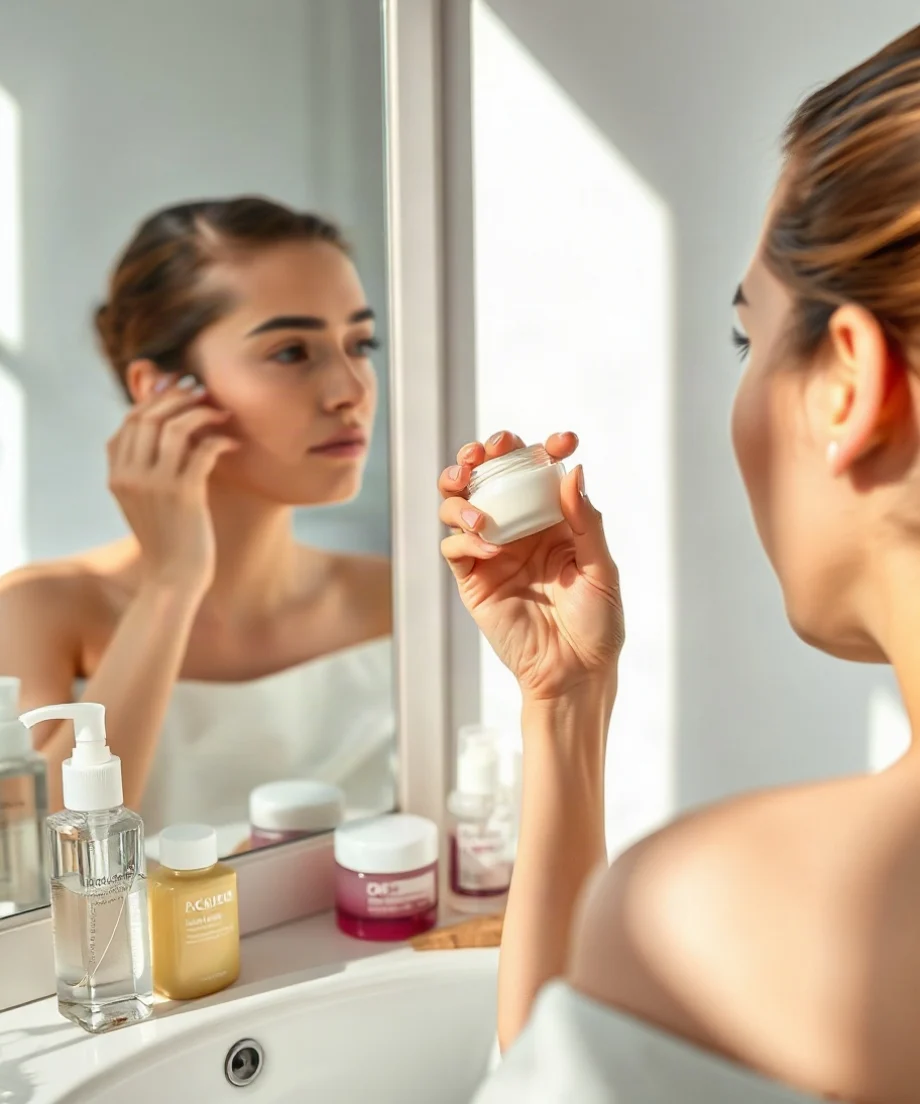
Yes, many people can use a caffeine eye cream at night if the product directions allow it and the formula feels comfortable. Caffeine applied to the skin is different from drinking coffee, and a topical eye product is not automatically likely to affect sleep. However, individual formulas may contain additional ingredients that are more relevant to nighttime use, such as retinoids or exfoliating acids. Always check the current packaging and ingredient list rather than assuming every caffeine eye cream has the same formula.
Nighttime use may be reasonable when:
- you prefer a simpler morning routine;
- the product is designed for morning and evening application;
- you want to pair caffeine with a moisturizing routine;
- you are testing how your skin responds before wearing the product under makeup; or
- the formula includes other ingredients that your routine already uses at night.
Still, applying caffeine eye cream at night does not guarantee a better result by morning. It may moisturize the area and contribute to a temporary cosmetic improvement, but it cannot permanently remove dark circles, wrinkles, or bags.
Where caffeine fits in an eye-care routine
A practical morning routine usually follows this order:
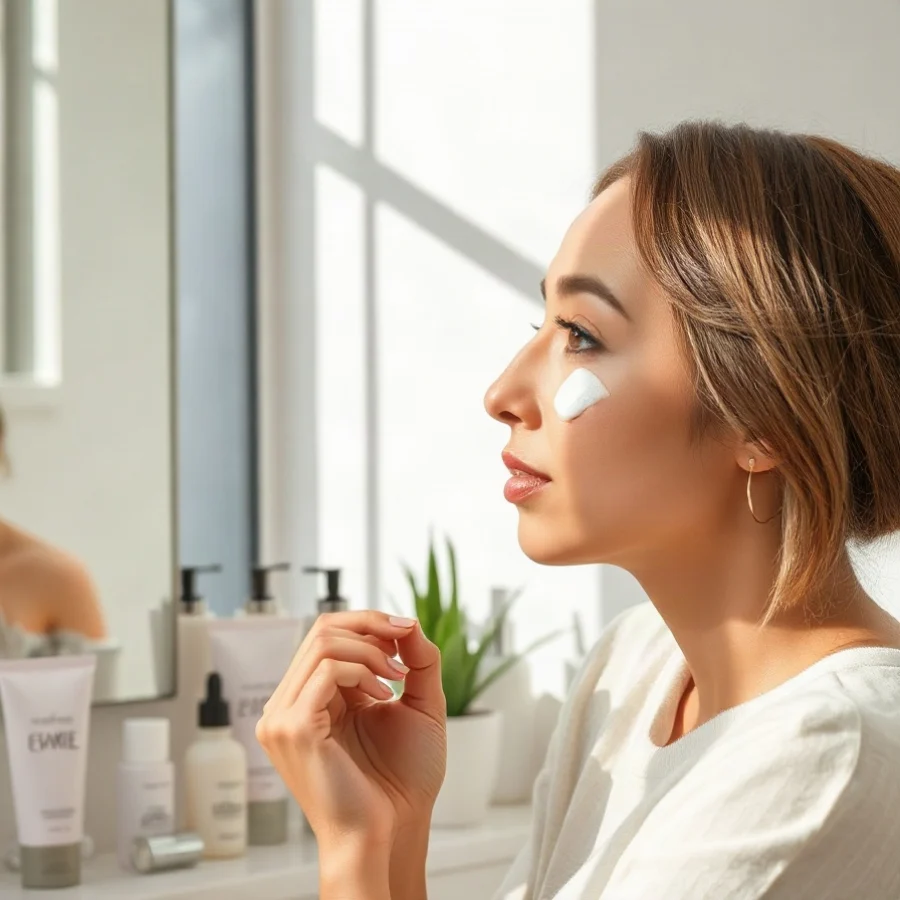
- Cleanse gently, if needed. Use a mild cleanser or rinse according to your skin’s needs. Avoid rubbing the eye area.
- Apply caffeine eye cream. Use the amount recommended on the label and place it around the orbital area, not directly into the eyes.
- Moisturize if needed. A separate moisturizer may be useful if the eye cream does not provide enough comfort for dry skin.
- Apply sunscreen. Follow the product directions and protect exposed skin around the eyes without getting sunscreen in the eyes.
- Apply makeup last. Allow skincare to settle if your concealer tends to move or pill.
Some people prefer applying eye cream after moisturizer, particularly if they have sensitive skin or want to dilute the feel of a more concentrated product. The best order is the one that follows the label, feels comfortable, and does not cause rolling or irritation. For help organizing products around your concerns, the under-eye routine builder can help you think through a simpler approach.
What caffeine eye cream may and may not do
Caffeine is commonly included in eye products because it can provide a temporarily more toned or less puffy appearance. This makes it especially appealing for people whose under-eye concern changes from day to day. A cooling applicator or a product kept in a cool place may also feel soothing, but the cooling sensation should not be confused with a permanent change in the skin.
Dark circles have different possible visual causes. Shadows from the shape of the eye socket, visible blood vessels, natural pigmentation, dryness, and thin-looking skin can all affect how the area appears. Caffeine may be more relevant to temporary puffiness than to circles caused mainly by pigmentation or facial structure. It is therefore important to match your expectations to your particular concern rather than treating every dark circle as the same problem.
For a broader overview of how ingredients are used in eye products, see this eye cream ingredient guide. It can help you compare caffeine with moisturizing ingredients and other commonly discussed actives.
How to apply caffeine eye cream carefully
The skin around the eyes is delicate, and more product is not necessarily better. Follow the amount stated on the packaging. If the label does not specify an amount, a small, thin layer is a sensible starting point. Use a clean fingertip and gently tap the product along the orbital bone rather than pulling or scrubbing the skin.
Keep the product away from the waterline and avoid applying it so close to the eye that it can migrate into the eye. Wash your hands before application, especially if you are using a jar. If the product gets into your eyes, rinse with clean water and follow the manufacturer’s safety instructions.
Before adding a new eye product, consider a small-area patch test according to the product directions. This is particularly important if you have sensitive skin, a history of reactions, or a formula that includes potentially irritating ingredients alongside caffeine. Stop using the product if you develop burning, persistent redness, swelling, itching, or other concerning irritation. If symptoms do not settle, seek advice from a qualified medical professional.
Should you use it every day?
Daily use may be appropriate if the label supports it and your skin remains comfortable. Some formulas are intended for once-daily use, while others may be labeled for morning and evening application. Start with the product directions rather than assuming that more frequent use will create a stronger effect.
If you are new to eye skincare, using the product once a day for several days can make it easier to notice whether it causes dryness or irritation. You can then decide whether it fits your routine. This approach is especially useful when the formula contains additional active ingredients, fragrance, or preservatives that your skin has not encountered before.
How to choose a caffeine eye cream for your routine
Look beyond the word “caffeine” on the front of the package. Review the full ingredient list and the directions for use, since formulas can change over time. If a product-specific detail matters to you, verify the current packaging or the manufacturer’s ingredient information before buying.
Consider these factors:
- Texture: A lightweight gel or lotion may work well in the morning under makeup, while a richer cream may feel more comfortable on dry skin.
- Other active ingredients: Caffeine products may include ingredients with different use instructions or irritation potential. Read the complete label.
- Fragrance: Fragrance is not automatically a problem, but people with reactive skin may prefer a simpler formula.
- Packaging: A pump or tube can reduce repeated contact with the product, while a jar requires careful hand hygiene.
- Personal concern: If dryness is your main concern, prioritize barrier-supportive and moisturizing ingredients. If puffiness varies throughout the day, caffeine may be a more relevant cosmetic option.
You can browse our caffeine eye cream category for more ingredient-focused reading, but remember that product suitability depends on the current formula and your own skin response.
When caffeine may not be enough
If dark circles remain unchanged despite consistent skincare, the cause may not be temporary puffiness. A product can improve hydration or create a short-term smoothing effect without changing the underlying appearance of pigmentation, shadows, or facial anatomy. Concealer, sunglasses, and daily sun protection may sometimes make a more noticeable cosmetic difference than adding more eye cream.
Sudden swelling, one-sided changes, significant pain, vision changes, discharge, or a persistent skin reaction should not be treated as an ordinary cosmetic concern. Those symptoms warrant appropriate medical attention. An eye cream is not a substitute for diagnosis or treatment.
A simple timing plan
For most routines, apply caffeine eye cream in the morning after cleansing and before moisturizer, sunscreen, and makeup. If you prefer nighttime use or the label recommends twice-daily application, that can also be reasonable as long as the product does not irritate your skin. Use a small amount, avoid the eye itself, and give the product enough time to settle before layering other products.
The most useful timing is ultimately the one you can follow consistently and comfortably. Caffeine eye cream may help the under-eye area look temporarily less puffy or more refreshed, but realistic expectations matter: it is a cosmetic skincare step, not a guaranteed solution for every type of dark circle.

Comments
0No comments yet. Be the first to share a helpful note or question.
Leave a Comment
Your email address will not be published. Comments are reviewed before appearing on the site.