
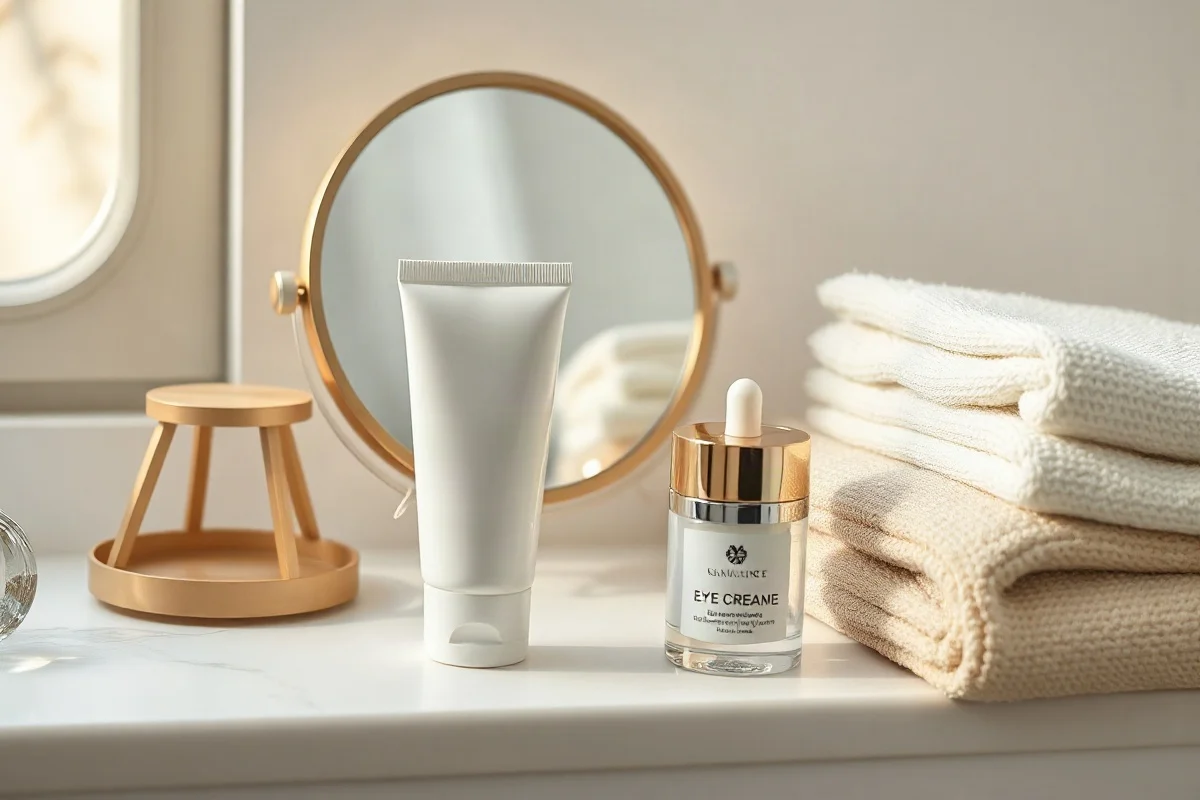
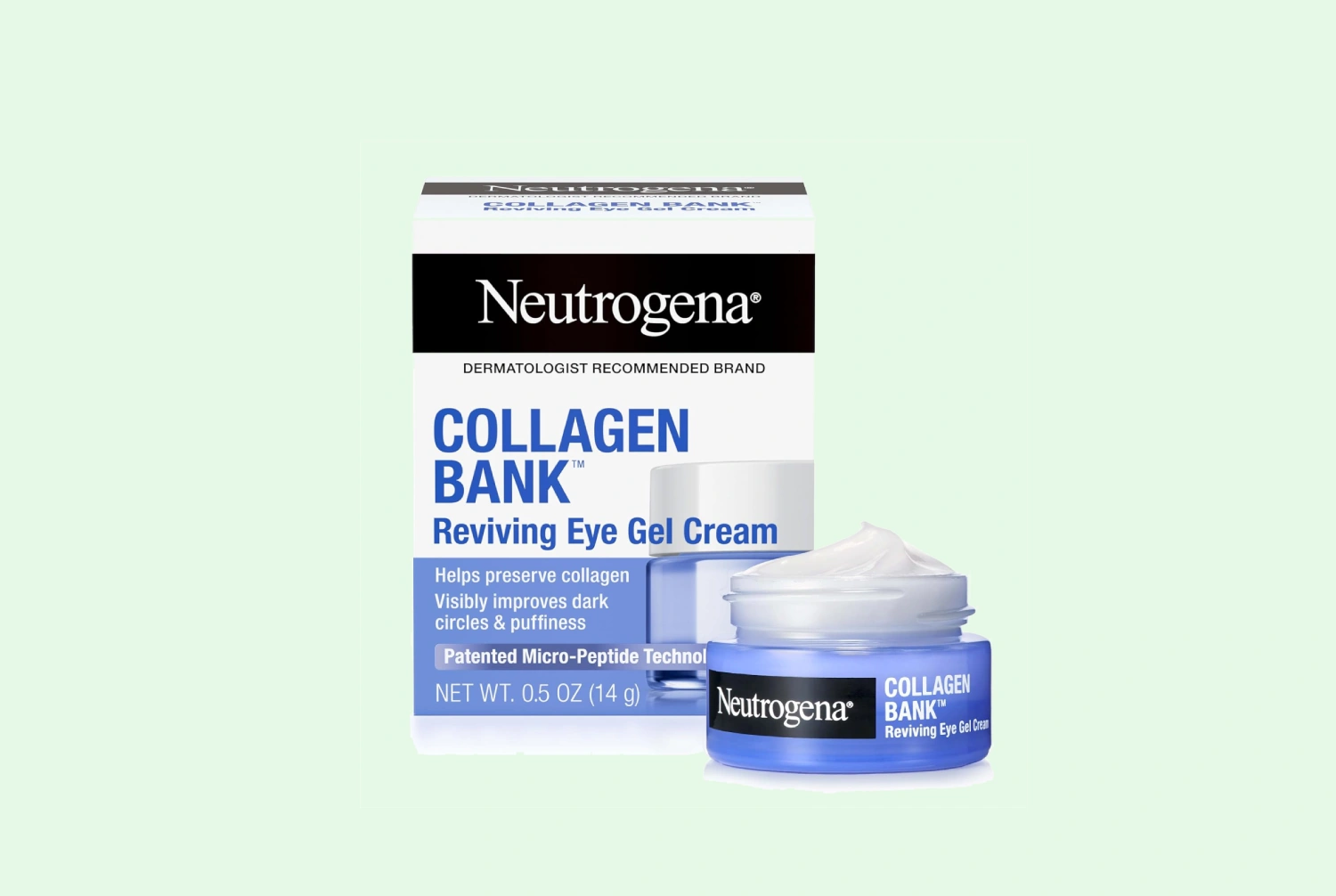
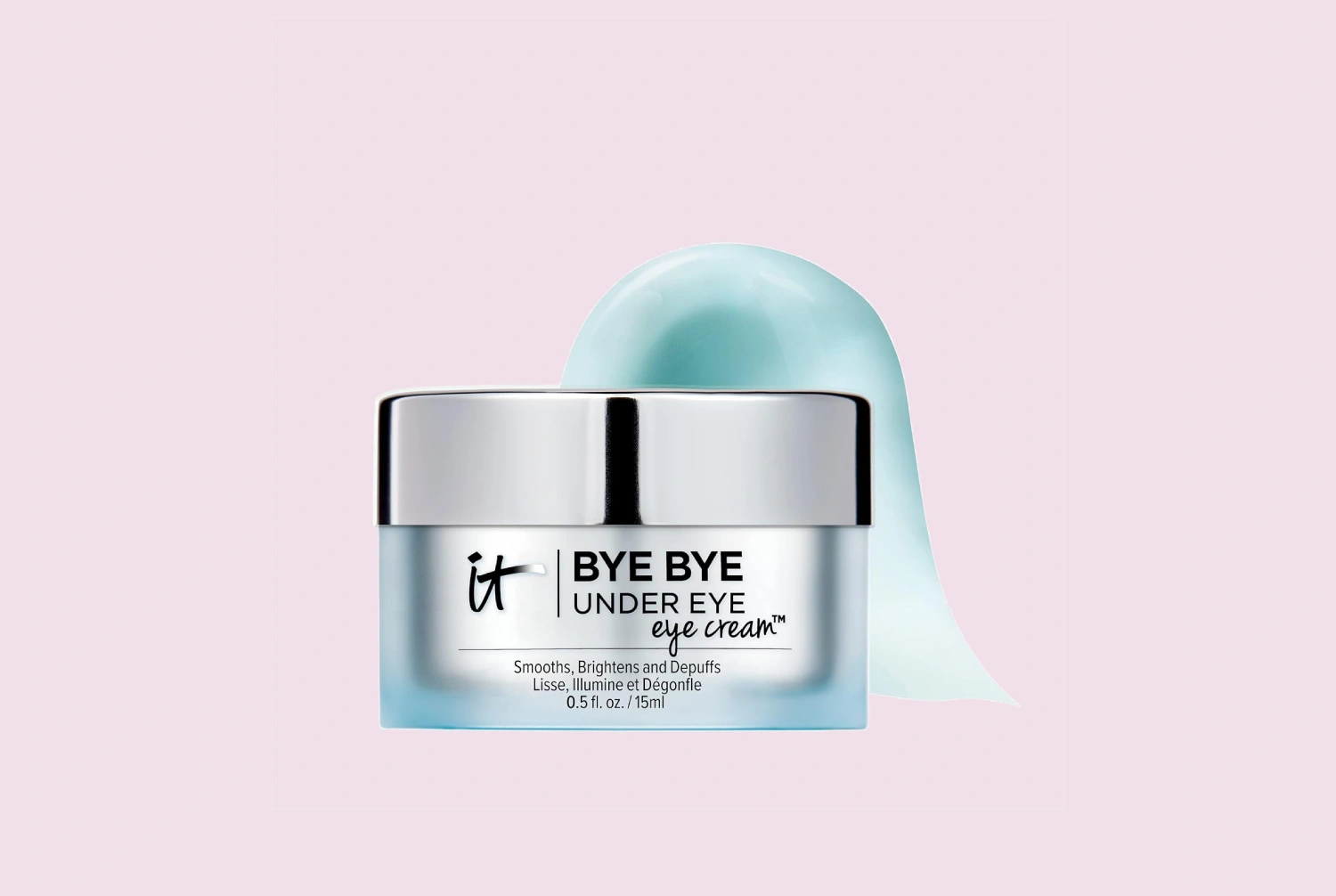
A premium eye cream is not automatically better than a budget formula. The more useful comparison is whether each product offers a well-tolerated formula, relevant ingredients, suitable packaging, and enough comfort to support consistent use. Price can reflect packaging, texture, brand positioning, or research and development, but it does not guarantee that an eye cream will improve the appearance of your dark circles, puffiness, or fine lines.
When comparing products, start with the ingredient list and your specific cosmetic concern. A lower-cost formula may provide straightforward moisturization and barrier support, while a more expensive product may offer a more elegant texture, specialized packaging, or a broader combination of ingredients. Neither category is automatically the right choice for everyone.
What the price of an eye cream can—and cannot—tell you
Price is a product-selection clue, not proof of performance. A premium formula may cost more because of its packaging, manufacturing process, marketing, fragrance, texture, or the number of ingredients included. A budget formula may keep costs lower through simpler packaging, a larger production volume, or a more basic formula.
Some shoppers prefer a premium product because it feels lighter, layers more smoothly under makeup, or comes in packaging that is easier to use. Those qualities can matter, especially if they make you more likely to apply the product consistently. However, a higher price does not establish that the product will erase dark circles, remove puffiness, or permanently change fine lines.
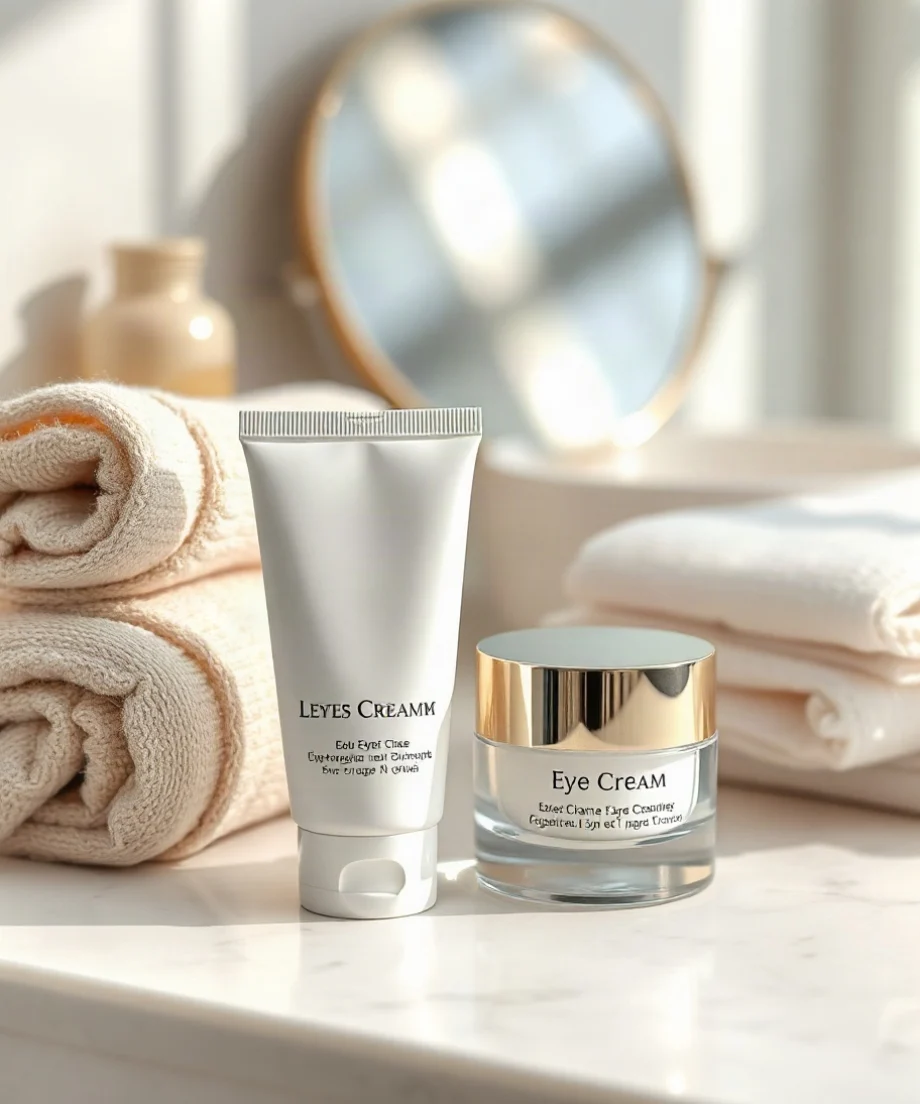
Likewise, an inexpensive eye cream is not necessarily weak or unsuitable. A simple moisturizer can be useful when dryness makes the under-eye area look rough or emphasizes fine lines. The best value depends on what the formula does, how your skin responds, and whether you can use it comfortably over time.
Compare the formula before comparing the price
Ingredient lists are a practical starting point, but they require context. Look for ingredients that match your goal rather than judging a product by how long or sophisticated the ingredient list appears. You can use this eye cream ingredient guide to review common ingredients and their typical cosmetic roles.
For dryness and a tight-feeling under-eye area
Moisturizing ingredients may help the skin look smoother and more comfortable when dryness is contributing to a dull or crepey appearance. Humectants help attract water to the skin, while emollients and occlusive ingredients can help reduce moisture loss. Common examples may include glycerin, hyaluronic acid, squalane, lightweight oils, or skin-softening ingredients, although the full formula matters more than any single ingredient.
A budget product with a straightforward moisturizing base may be a sensible choice if dryness is your main concern. A premium option may feel more refined, but the additional cost is not automatically necessary for basic hydration.
For the appearance of puffiness
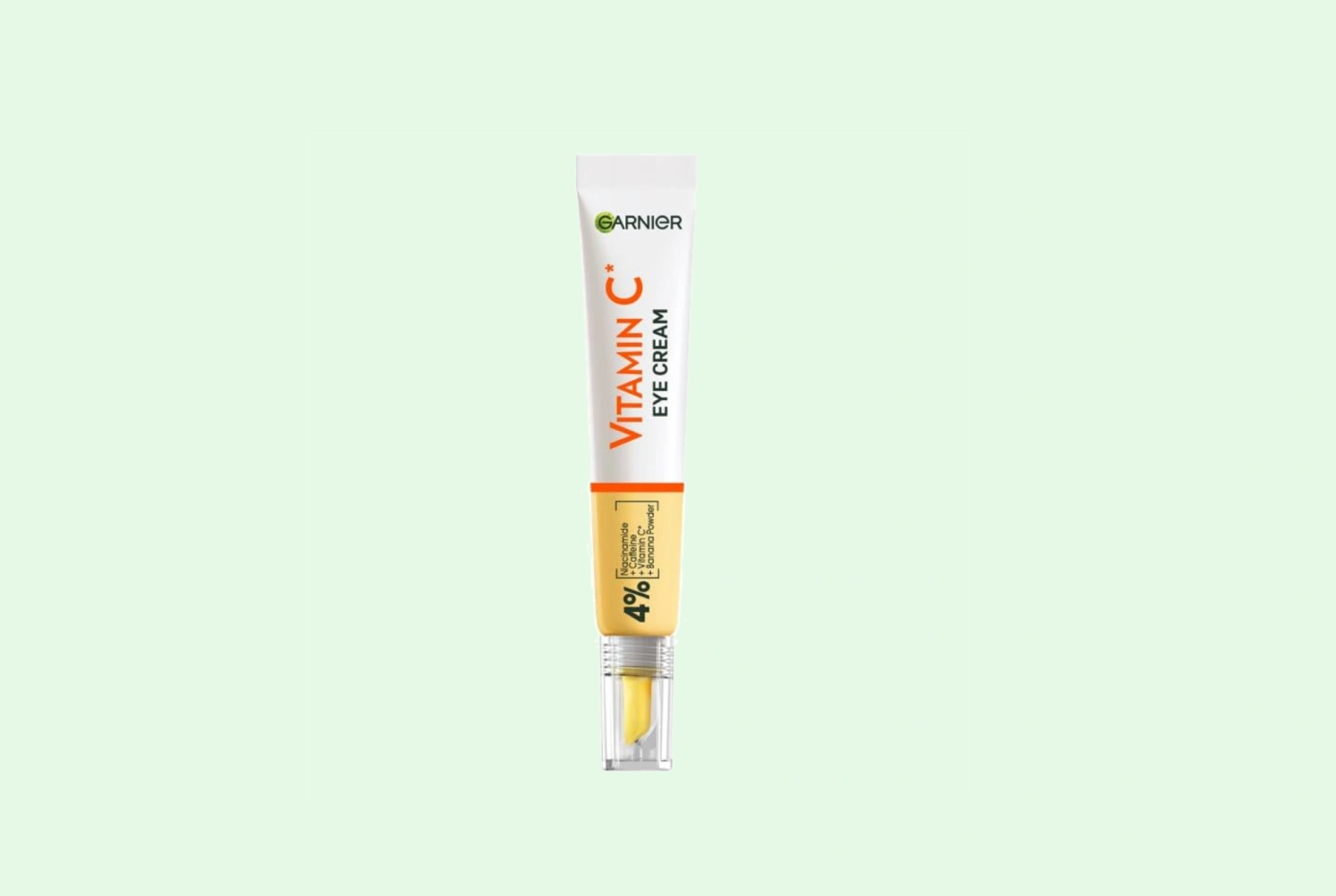
Caffeine is commonly used in eye-area products designed to make puffiness look less noticeable. Any visible effect may be temporary and may vary with the cause and timing of puffiness. A cooling texture or lightweight gel can also make the area feel refreshed, but that sensation should not be confused with treatment of an underlying medical condition.
For more information, see our guide to caffeine eye cream. If swelling is persistent, painful, sudden, or associated with other symptoms, an eye cream is not a substitute for medical evaluation.
For the appearance of fine lines
Fine lines can look more visible when the under-eye area is dry or when repeated facial movement creates temporary creasing. Moisturizers may soften the look of dryness, while some formulas include retinoids or other active ingredients intended to support a smoother-looking appearance over time.
Retinol and related ingredients can be irritating, particularly around the eyes. Follow the product label, introduce an active cautiously, and avoid applying it too close to the eyes unless the product is specifically designed and labeled for that area. If burning, persistent redness, swelling, or another concerning reaction occurs, stop using the product. You can review options and precautions in our retinol eye cream guide.
For the appearance of dark circles
Dark circles can have several visible contributors, including natural pigmentation, shadows from the shape of the eye area, visible blood vessels, thin-looking skin, and contrast caused by puffiness. Cosmetic products may help the area look more hydrated, brighter, or temporarily less dull, but an eye cream cannot be expected to address every type of dark circle.
Ingredients marketed for a brighter-looking appearance may include vitamin C derivatives, niacinamide, or other tone-supporting ingredients. Their suitability depends on the specific formula and your skin’s tolerance. Avoid assuming that a more expensive brightening product will outperform a simpler alternative without comparing the label and your response to it.
Packaging matters more than many shoppers expect
Packaging can affect freshness, hygiene, and ease of application. A pump or tube may limit repeated exposure to air and fingers, while a jar requires more frequent contact with the product. This does not make every jar unsuitable, but packaging is worth considering when a formula contains ingredients that may be sensitive to air, light, or repeated handling.
Premium packaging may feel more luxurious, but luxury is not the same as better cosmetic results. Look for a container that lets you dispense a small amount cleanly and control where it goes. Because formulas can change, check the current packaging and manufacturer ingredient list before buying, especially if you are comparing a product you have used before.
Texture and tolerability are part of value
The under-eye area can be sensitive, and an eye cream that causes stinging or watering is not a good value regardless of its price. A rich cream may suit very dry skin but feel heavy under makeup. A gel may feel comfortable for some people but provide insufficient moisture for others. Fragrance and essential oils can also be irritating for certain users, although sensitivity varies.
Read the label and consider your existing routine. If you already use several active products, adding another exfoliating, brightening, or retinoid formula may increase the chance of irritation. For sensitive skin, a short ingredient list and a fragrance-free option may be easier to evaluate, but no label can guarantee that a product will suit every person. Our sensitive skin eye cream guidance covers additional selection considerations.
How to compare two eye creams side by side
A structured comparison can prevent packaging and marketing language from doing all the decision-making. Use the following checklist:
- Identify the main concern: Decide whether you are primarily seeking moisturization, a smoother-looking texture, a brighter-looking appearance, or a temporary refreshed look.
- Compare relevant ingredients: Look for ingredients that support that cosmetic goal, rather than assuming a longer ingredient list is better.
- Check for potential irritants: Consider fragrance, strong actives, and ingredients you already know your skin does not tolerate well.
- Evaluate the texture: Think about whether the formula works with sunscreen and makeup and whether it leaves the area comfortable.
- Review the packaging: Consider whether the container is practical, hygienic, and appropriate for the formula.
- Calculate use, not just shelf price: A product used consistently may offer better practical value than a cheaper product you avoid because it feels uncomfortable.
- Read current product information: Verify the current ingredient list, directions, and warnings on the packaging or manufacturer’s website.
Budget formulas may be the better choice when simplicity helps
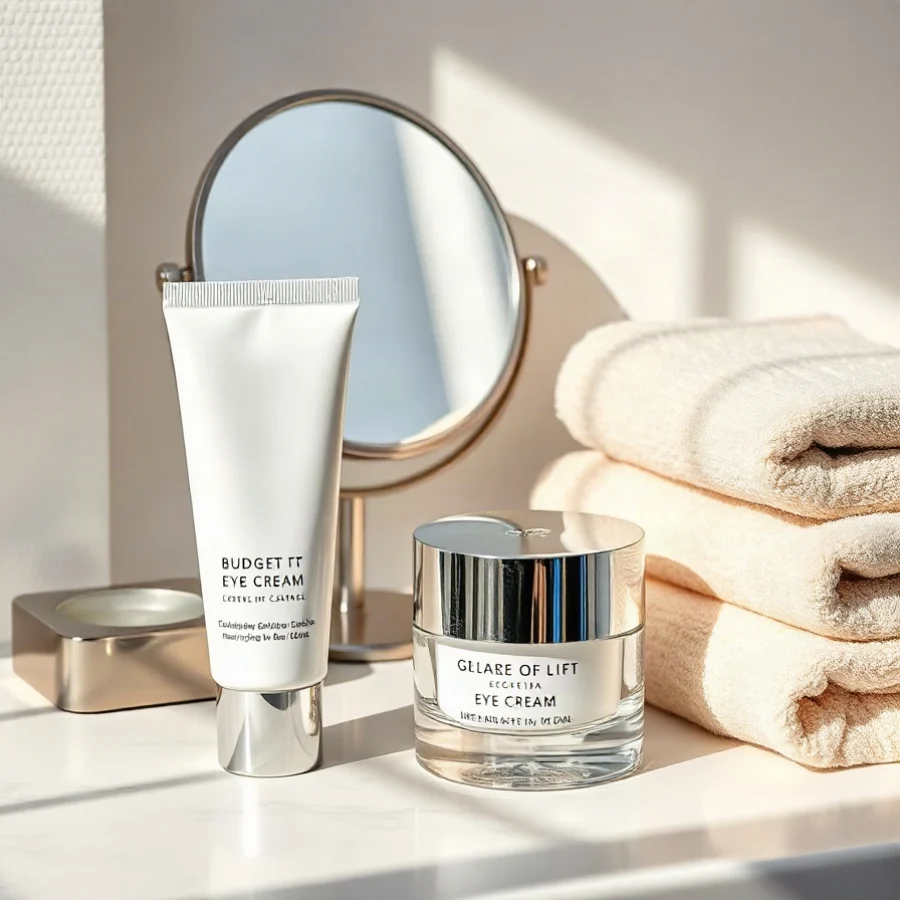
A budget eye cream may be a strong fit when your main need is basic hydration, when you are new to eye-area products, or when you want to test whether a particular texture works for you. Simpler formulas can also make it easier to identify a potential source of irritation if your skin reacts.
That does not mean every inexpensive product is appropriate. Check whether the formula is intended for use around the eyes, follow its directions, and avoid applying it directly into the eye. If the product pills, migrates into the eyes, or causes discomfort, its low price may not justify continued use.
Premium formulas may be worthwhile for specific preferences
A premium formula may be worth considering if you value a particular texture, packaging system, sensory experience, or combination of ingredients. Some shoppers also prefer a product that fits smoothly into makeup application or feels comfortable throughout the day. These are legitimate preferences, but they should be treated as usability benefits rather than guaranteed evidence of superior results.
Before paying more, compare the premium product with less expensive options that contain similar types of moisturizing or cosmetic-support ingredients. If the higher-priced formula includes a strong active, consider whether you are prepared to use it carefully and consistently. A premium product that irritates your skin is unlikely to be a good choice for your routine.
Use eye cream with realistic expectations
Apply eye cream gently, using a small amount and avoiding vigorous rubbing. Follow the product’s directions for placement and frequency. During the day, broad-spectrum sunscreen used as directed can help protect exposed skin from sun-related changes, but keep sunscreen out of the eyes and follow the label.
Give a new product enough time to assess comfort and how the area looks under your usual conditions, while remembering that cosmetic changes can be subtle. Stop using it if you develop persistent irritation. Seek professional medical advice for sudden changes, significant swelling, pain, vision changes, or symptoms that do not seem like an ordinary cosmetic concern.
The most useful definition of “worth it”
The better eye cream is usually the one that matches your concern, suits your skin, fits your budget, and feels comfortable enough to use consistently. A premium formula may provide a more elegant experience, while a budget formula may deliver the practical moisturization you actually need. Compare the current ingredient lists, packaging, directions, and tolerability instead of relying on price as a shortcut.
For a more personalized starting point, use the under-eye routine builder to organize your product choices around your skin type and cosmetic goals.

Comments
0No comments yet. Be the first to share a helpful note or question.
Leave a Comment
Your email address will not be published. Comments are reviewed before appearing on the site.