
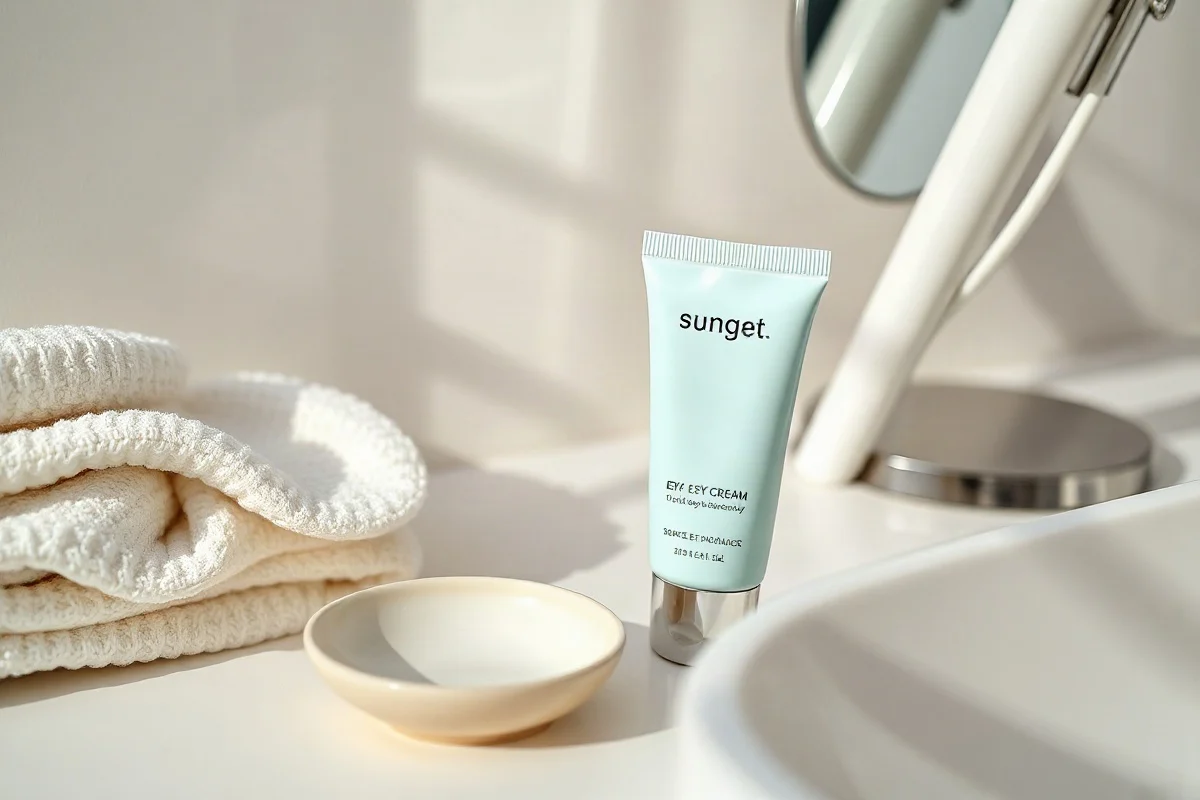
The best budget eye cream for dry under-eye skin is usually a simple, fragrance-free moisturizer that supports the skin barrier rather than an aggressive treatment formula. Look for ingredients such as glycerin, hyaluronic acid, ceramides, squalane, dimethicone, and soothing emollients. A good choice should feel comfortable, reduce the look of flaking and tightness, and layer well with the rest of your routine. It may also make fine lines look less noticeable when dryness contributes to their appearance, but no eye cream can address every cause of dark circles or permanently change the structure of the under-eye area.
Why dry under-eye skin needs a different approach
The skin beneath the eyes can feel dry more easily than other areas of the face. It is relatively delicate, and repeated cleansing, makeup removal, rubbing, cold weather, indoor heating, wind, and low-humidity environments can all contribute to tightness or visible flaking. Some people also experience dryness after using strong facial products too close to the eyes.
When the skin loses moisture, the under-eye area may look dull, creased, or rough. Fine lines can appear more prominent because dehydrated skin does not reflect light as smoothly. This does not necessarily mean that the eye cream needs a powerful active ingredient. In many cases, consistent moisturization and gentler application are more useful first steps.
Dryness can also make the area more sensitive to products that contain fragrance, essential oils, exfoliating acids, or retinoids. These ingredients are not automatically unsuitable for everyone, but they may be harder to tolerate around the eyes. If your skin is persistently red, painful, swollen, itchy, cracked, or unusually reactive, an eye cream is not a substitute for medical evaluation.
Ingredients to look for in an affordable eye cream
Budget products can contain effective moisturizing ingredients without a complicated formula. Instead of focusing on a premium-looking package or a long list of promises, read the current ingredient list and consider what the formula is designed to do.
Humectants for water-based hydration
Humectants attract and hold water near the skin’s surface. Common examples include glycerin, hyaluronic acid, sodium hyaluronate, panthenol, and beta-glucan. They can help the under-eye area feel more comfortable and look temporarily plumper when dryness is contributing to a creased appearance.
Humectants work within a complete moisturizing formula. If a product feels tight after it dries, you may prefer a cream that also includes emollients and occlusive ingredients. The surrounding climate and your skin’s condition can influence how a humectant-rich product feels.
Emollients for softness
Emollients help smooth the feel of rough or flaky skin. Squalane, fatty alcohols such as cetyl alcohol or cetearyl alcohol, plant oils, triglycerides, and various skin-conditioning ingredients may serve this role. Fatty alcohols are different from drying alcohols and are commonly used to give creams a richer, smoother texture.
For very dry skin, an emollient-rich formula may feel more protective than a lightweight gel. If you are prone to milia or dislike a heavier finish, however, a thinner cream may be easier to use consistently. Comfort and regular use matter more than choosing the richest texture available.
Occlusives to reduce moisture loss
Occlusives form a protective layer that helps slow water loss from the skin. Petrolatum, dimethicone, mineral oil, shea butter, and certain waxes can provide this type of support. A small amount may be helpful at night, especially during cold or dry weather.
There is no need to apply a thick layer directly against the lash line. Use only the amount recommended on the label and keep the product out of the eye itself. If a formula migrates, causes blurry vision, or feels irritating, discontinue use and choose a different texture.
Barrier-supporting ingredients
Ceramides, cholesterol, fatty acids, and panthenol may be included in formulas intended to support the skin barrier. The presence of one ingredient does not guarantee that a product will work for every person, and the overall formula matters. Still, barrier-focused ingredients can be useful when dryness is related to over-cleansing or irritation.
For more information about common eye-area ingredients, see this eye cream ingredient guide. Product formulas can change, so verify the current packaging or the manufacturer’s ingredient list before buying if a particular ingredient matters to you.
Ingredients and features to approach carefully
Some budget eye creams are marketed around brightening, firming, or anti-aging ingredients. These may be appropriate for certain routines, but dry under-eye skin often benefits from restoring comfort before adding multiple actives.
Retinoids and retinol
Retinol and related ingredients may be used in products designed to improve the appearance of fine lines over time. They can also cause dryness, peeling, burning, or irritation, particularly when introduced too quickly or applied near sensitive areas. If you choose a retinol eye product, follow the label carefully, use it only as directed, and avoid applying it to irritated or broken skin. Introduce one potentially irritating active at a time and stop using it if persistent irritation develops.
Exfoliating acids
Ingredients such as glycolic acid, lactic acid, or salicylic acid may be useful in other parts of a skincare routine, but the under-eye area is not usually the place to experiment with frequent exfoliation. Acid-based products can sting and may worsen visible dryness. Avoid bringing facial exfoliants close to the eyes unless the product is specifically labeled for that area.
Fragrance and essential oils
Fragrance and essential oils are not automatically harmful, but they can be unnecessary sources of irritation for dry or sensitive skin. A fragrance-free option may be a more practical starting point, especially if your eyes water easily or the skin becomes uncomfortable after product application. “Unscented” and “fragrance-free” are not always interchangeable, so check the label when this distinction matters.
How to choose between a gel, lotion, and cream
Texture is a useful selection criterion, particularly when you are shopping on a budget and want a product you will actually use.
- Gel textures: These often feel light and may work well under makeup, but they may not provide enough protection for severely dry skin.
- Lotions: A lotion can offer a middle ground, with more moisture than a watery gel and less weight than a dense cream.
- Creams and balms: These are often more comfortable for tight, flaky skin, especially at night, although a rich texture may feel heavy or migrate if too much is applied.
When comparing drugstore options, look for a product that has a clear purpose, a comfortable texture, and packaging that allows hygienic use. A pump or squeeze tube can reduce repeated contact with the formula, while a jar is not necessarily a problem if you use clean hands or the included applicator.
What a budget eye cream can and cannot do
Moisturizers can improve the temporary appearance of dryness, roughness, and dehydration-related fine lines. They may also help makeup sit more smoothly. These cosmetic benefits can be worthwhile, but they should not be confused with treatment of a medical condition or a permanent change to the under-eye area.
Dark circles have several possible contributors, including natural pigmentation, visible blood vessels, shadows from facial structure, thinning-looking skin, and temporary discoloration after irritation. Dryness may make the area look duller, but moisturizing cannot be expected to correct every type of dark circle. For broader context, explore our guide to dark circles and under-eye appearance.
An eye cream also cannot reliably eliminate puffiness caused by sleep changes, allergies, fluid shifts, or anatomy. Sudden, one-sided, painful, or persistent swelling deserves medical attention rather than a new cosmetic product. You can read more about cosmetic approaches to puffiness and eye bags without treating that information as a diagnosis.
How to apply an eye cream without adding irritation
- Cleanse gently and pat the skin dry instead of rubbing it.
- Use a small amount, generally no more than the product label recommends.
- Apply the product around the orbital area rather than directly on the eyelids, waterline, or lash roots unless the instructions specifically say otherwise.
- Tap lightly with a clean fingertip. Do not pull or drag the skin.
- Give the product a moment to settle before applying sunscreen or makeup.
If the formula contains an active ingredient with a higher irritation potential, follow the product directions and consider a patch test. A patch test cannot guarantee that a product will be comfortable near the eyes, but it may help identify obvious sensitivity before full use. Stop using the product if you develop burning, significant redness, swelling, rash, or worsening discomfort.
A simple routine for dry under-eyes
For many people, a basic routine is enough: gentle cleanser, moisturizing eye cream or facial moisturizer suitable for the area, and daytime sun protection applied carefully around the eyes. Sunglasses can also reduce squinting in bright conditions. At night, apply the moisturizer after cleansing, and avoid layering several new products at once.
If your face moisturizer is gentle, fragrance-free, and labeled as suitable for the eye area, you may not need a separate eye cream. A dedicated product can be convenient, but the word “eye” on the package does not automatically make a formula better. Compare the ingredients, texture, instructions, and your own tolerance.
Smart shopping questions before you buy
- Does the formula contain moisturizing ingredients rather than relying mainly on bold brightening claims?
- Is the product labeled fragrance-free if your skin is easily irritated?
- Will the texture work with your makeup and comfort preferences?
- Does the packaging provide clear directions and a complete ingredient list?
- Are you introducing only one new active at a time?
- Can you verify the current formula on the package or manufacturer’s website?
Marketing language can make a low-cost product sound like a solution for every under-eye concern. A more realistic goal is to find a comfortable moisturizer that helps the area look smoother and less dry with regular use. If you are comparing several options, our drugstore eye cream guide can help you organize the decision around texture, ingredients, and routine fit.
When to seek professional advice
Cosmetic dryness is different from a persistent skin problem. Consider speaking with a qualified health professional if the area repeatedly cracks, burns, bleeds, becomes intensely itchy, develops a rash, or swells noticeably. Seek prompt medical care for sudden swelling with breathing difficulty or other serious symptoms. A professional can help determine whether the problem is related to irritation, allergy, infection, or another cause that an eye cream cannot address.
For ordinary dryness, start with a modest formula, apply it gently, and give your skin time to respond. An affordable product with a straightforward moisturizing base may be a better choice than a more complicated formula filled with actives your under-eye skin does not tolerate.

Comments
0No comments yet. Be the first to share a helpful note or question.
Leave a Comment
Your email address will not be published. Comments are reviewed before appearing on the site.