
Caffeine eye cream may temporarily make under-eye puffiness look less noticeable and can give the eye area a more refreshed appearance. It is less likely to make every type of dark circle disappear, especially when discoloration is related to genetics, visible blood vessels, shadows from facial structure, or changes in skin thickness. Think of caffeine as one supportive cosmetic ingredient—not a guaranteed solution or a medical treatment.
What you notice will depend on the rest of the formula, your skin’s sensitivity, the cause of the darkness, and how regularly you apply the product. A well-formulated eye cream may also include moisturizing ingredients or other actives that target the look of dryness, dullness, or fine lines. Since formulas can change, check the current package and manufacturer ingredient list before relying on product-specific details.
What caffeine can do for the under-eye area
Caffeine is a stimulant that is commonly used in topical eye products. In cosmetic formulas, it is included because it may help the eye area look less puffy and temporarily more awake. The effect is generally about appearance rather than a permanent change to the underlying reason for dark circles.
Under-eye puffiness can make darkness look stronger by creating a shadow beneath the lower eyelid. If a caffeine product makes that puffiness look reduced for a while, the area may appear brighter even though the underlying pigmentation or facial structure has not changed. This distinction matters: a product that improves the look of swelling may not address brown discoloration, bluish tones, or hollowness.
Caffeine may also be appealing in a morning routine because a lightweight eye product can feel refreshing when applied cool. That sensation is not proof that the product is treating a medical problem, and it should not be confused with a permanent lifting or tightening effect.
What kind of dark circles do you have?
“Dark circles” describes several visible concerns rather than one single condition. Looking closely at the area can help you choose more realistic product goals.
Brown or tan discoloration
Brown or tan color may be associated with excess pigment, past irritation, sun exposure, or natural variation in skin tone. Caffeine alone is not a reliable way to change this type of discoloration. A broad-spectrum sunscreen used as directed on suitable surrounding skin, along with gentle skincare, may be more relevant to an overall appearance-focused routine. Keep sunscreen away from the eyes unless the label specifically indicates that it is suitable for that area.
Blue, purple, or reddish tones
Thin under-eye skin can make underlying blood vessels more visible. This can create blue, purple, or reddish tones that become more noticeable with fatigue, rubbing, or dryness. Caffeine may make the area look temporarily less puffy, but it cannot be expected to permanently conceal visible vessels or change the natural thickness of the skin.
Shadows and hollowness
A hollow beneath the eye or a natural change in facial contour can cast a shadow that resembles discoloration. Topical eye cream may moisturize the surface and soften the look of fine dryness, but it cannot reshape the area. Makeup, lighting, and professional options may create a more noticeable cosmetic difference, although medical or procedural choices should be discussed with a qualified health professional.
Puffiness
Puffiness can be more noticeable after poor sleep, crying, allergies, high-salt meals, or simply because of individual anatomy. Caffeine is most relevant to this visible concern, but any improvement may be subtle and temporary. Persistent or sudden swelling, especially if it affects one side or comes with pain, redness, vision changes, or other symptoms, deserves medical attention rather than self-treatment with eye cream.
For more background, see our guide to dark circles and how different visible patterns can affect product expectations.
How to choose a caffeine eye cream
The word “caffeine” on the front of a package tells you only one part of the formula. The texture, supporting ingredients, packaging, and directions may matter just as much.
Look for a comfortable texture
A lightweight gel may suit people who dislike rich products or experience morning puffiness, while a creamier texture may feel more comfortable on dry, tight skin. Neither texture is automatically better. Choose one that spreads easily without requiring repeated rubbing, since tugging can leave the delicate area feeling irritated.
Consider moisturizing ingredients
Humectants, emollients, and occlusive ingredients can help improve the look of dryness by supporting the skin barrier and making the surface appear smoother. Common examples may include glycerin, hyaluronic acid, squalane, ceramides, or plant-derived oils, but the exact ingredient list varies by product. Moisturization can make fine lines look less emphasized temporarily; it does not erase wrinkles or permanently change skin structure.
Check the full active-ingredient list
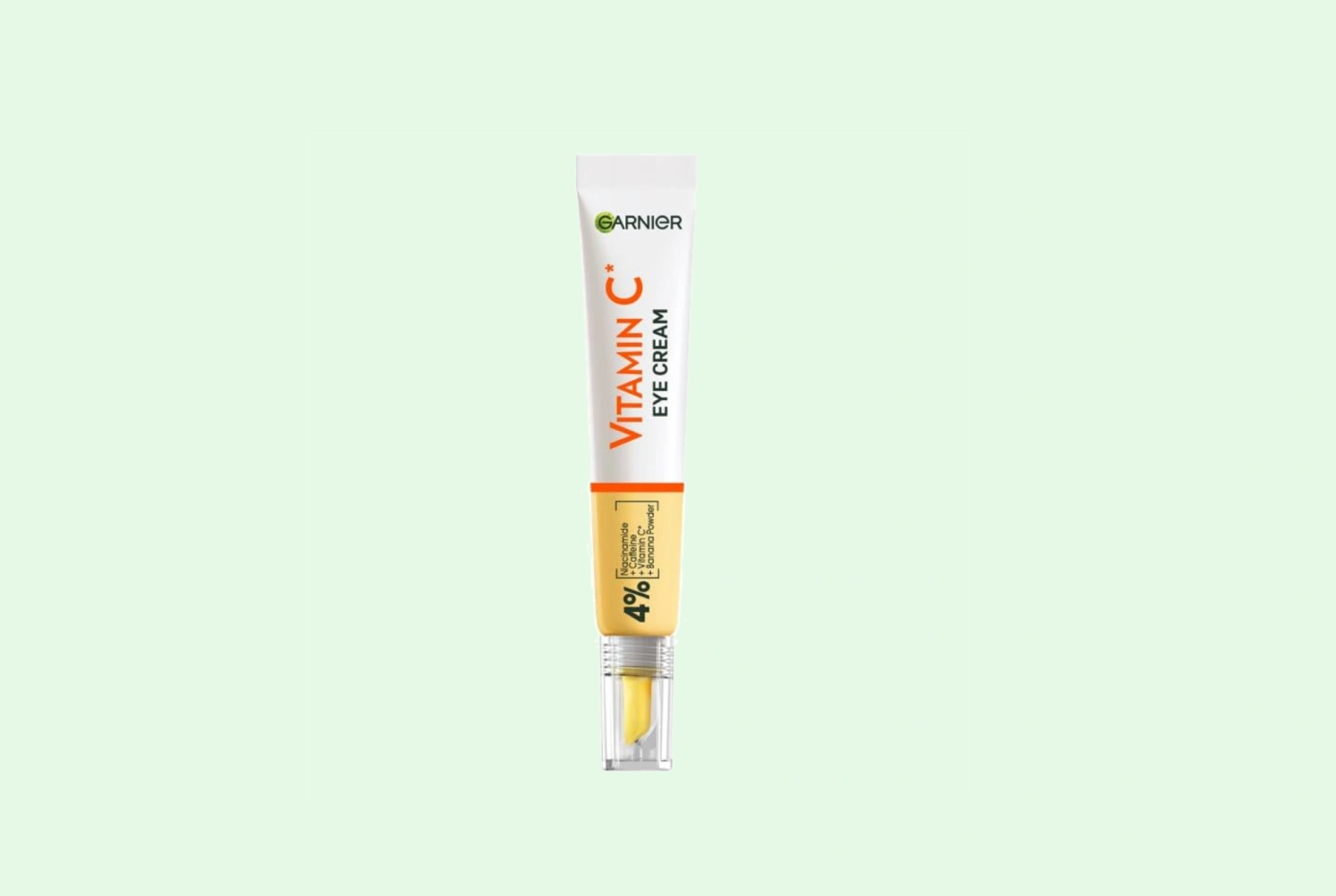
Some caffeine eye creams also contain ingredients such as niacinamide, vitamin C derivatives, peptides, retinoids, exfoliating acids, or fragrance. These ingredients have different purposes and different irritation considerations. More actives do not necessarily mean better results. If you already use several products around the eyes, adding multiple new ingredients at once can make it difficult to identify the source of irritation.
Use our eye cream ingredient guide to compare common ingredients by their cosmetic purpose and potential considerations.
Pay attention to packaging and directions
Follow the label for where and how often to apply the product. Packaging that limits repeated air exposure may help preserve certain formulas, but packaging alone does not guarantee performance. Check the current product label and manufacturer information because ingredients, directions, and claims may be updated.
How to apply caffeine eye cream
Start with clean, dry skin unless the product directions say otherwise. Use the amount specified on the label, or begin with a very small amount if the label does not provide a clear quantity. Gently tap the product along the orbital area rather than applying it directly to the lash line or inside the eye. Avoid rubbing, pulling, or placing the cream where it can migrate into the eye.
If you are introducing a new product, consider testing a small amount on another area of skin first, following the product’s directions when available. Then introduce it gradually around the eye area. People with sensitive skin, eczema-prone skin, allergies, or a history of reactions may want to be especially cautious. Stop using the product if you develop burning, persistent redness, swelling, itching, a rash, or worsening discomfort. Seek medical advice for a severe or continuing reaction.
Morning use may make sense if your main goal is to improve the look of puffiness during the day. Some products are labeled for morning and evening use, but more frequent application is not automatically more effective. If the formula contains potentially irritating actives in addition to caffeine, follow the label carefully and avoid combining it with other strong products unless you know your skin tolerates the routine.
How long might results take?
A caffeine eye cream may produce a temporary cosmetic difference in the appearance of puffiness after application, but the timing and visibility of that effect vary. Some people may see little change. Hydration-related improvements can also make the area look smoother after the skin has had time to use the product consistently.
Do not judge an eye cream solely by whether it changes a long-standing dark circle. If the main concern is genetic pigmentation, visible vessels, hollowness, or a pronounced shadow, caffeine may have limited impact. Taking occasional photos in similar lighting can make comparisons more useful than checking the mirror repeatedly throughout the day, but avoid treating informal photos as clinical measurements.
Consistency matters, but persistence should not mean tolerating irritation. If the product stings or causes a rash, discontinue it rather than applying more often in hopes of speeding up results.
What caffeine eye cream cannot do
Caffeine eye cream cannot be expected to permanently remove dark circles, rebuild lost volume, erase wrinkles, or cure an underlying health condition. It also cannot compensate for every cause of a tired-looking eye area. Sleep, allergies, dehydration, rubbing, sun exposure, and genetics may all influence appearance, but a skincare product cannot diagnose which factor is responsible.
Be cautious with marketing language that promises instant, permanent, or universal results. A temporary reduction in the look of puffiness is a more realistic expectation than complete removal of dark circles. For tailored advice about persistent discoloration, swelling, irritation, or sudden changes, consult a qualified medical professional.
Where caffeine fits in a simple routine
A practical routine can be short: gentle cleansing, a caffeine eye cream if you enjoy using one, moisturizer when needed, and daytime sun protection appropriate for the surrounding skin. Avoid applying several eye products with overlapping active ingredients until you know how your skin responds.
If dryness is your main concern, prioritize a comfortable moisturizing formula. If puffiness is the main concern, a caffeine product may be worth considering for a temporary appearance-focused effect. If fine lines are the priority, review ingredients and irritation risks rather than assuming caffeine is the best match. Our under-eye routine builder can help organize product choices around your primary concern.
Is caffeine eye cream worth trying?
Caffeine eye cream may be worth trying if you want a lightweight product that can support a less puffy, more refreshed-looking eye area. Keep the goal modest: it may improve the appearance of temporary puffiness, while its effect on persistent dark circles is likely to be limited and highly individual.
Choose based on the complete formula, skin comfort, directions, and your specific concern—not the caffeine claim alone. Introduce the product carefully, verify current ingredient information, and stop if irritation develops. Used with realistic expectations, caffeine can be a reasonable part of an under-eye routine, but it is not a universal answer to every type of dark circle.

Comments
0No comments yet. Be the first to share a helpful note or question.
Leave a Comment
Your email address will not be published. Comments are reviewed before appearing on the site.