
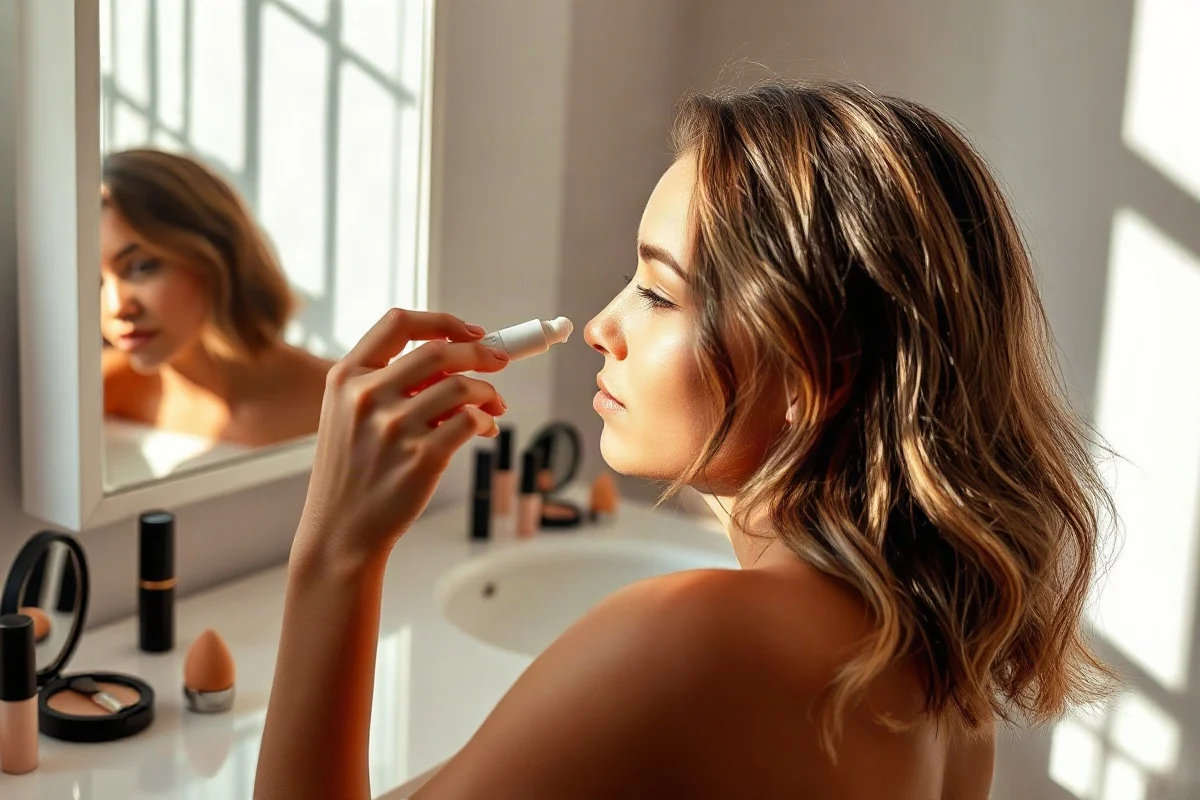
The best caffeine eye cream for wearing under makeup is a lightweight, fast-absorbing formula that adds modest hydration without leaving a greasy film. Apply a small amount to clean, moisturized skin, give it time to settle, and use thin layers of concealer afterward. Caffeine may temporarily make the under-eye area look less puffy, but it will not permanently remove dark circles or replace makeup for discoloration.
Why caffeine eye cream can work under makeup
Under-eye skincare and makeup have to share a small, mobile area of skin. A product that feels comfortable on bare skin may still cause concealer to slide, separate, crease, or form small flakes. For daytime use, texture often matters as much as the ingredient list.
Caffeine is commonly included in eye products designed for the look of puffiness and tired-looking eyes. Its cosmetic role is usually temporary: the area may appear somewhat more refreshed or less swollen after application. The visible effect can vary depending on the cause of the concern, the product's complete formula, sleep, hydration, allergies, facial anatomy, and lighting.
An eye cream can support a smoother makeup application by providing light hydration. Hydrated skin may look less rough and may give concealer a more even surface. However, too much product can have the opposite effect. Excess cream can remain on the surface, mix with makeup, and contribute to slipping or creasing.
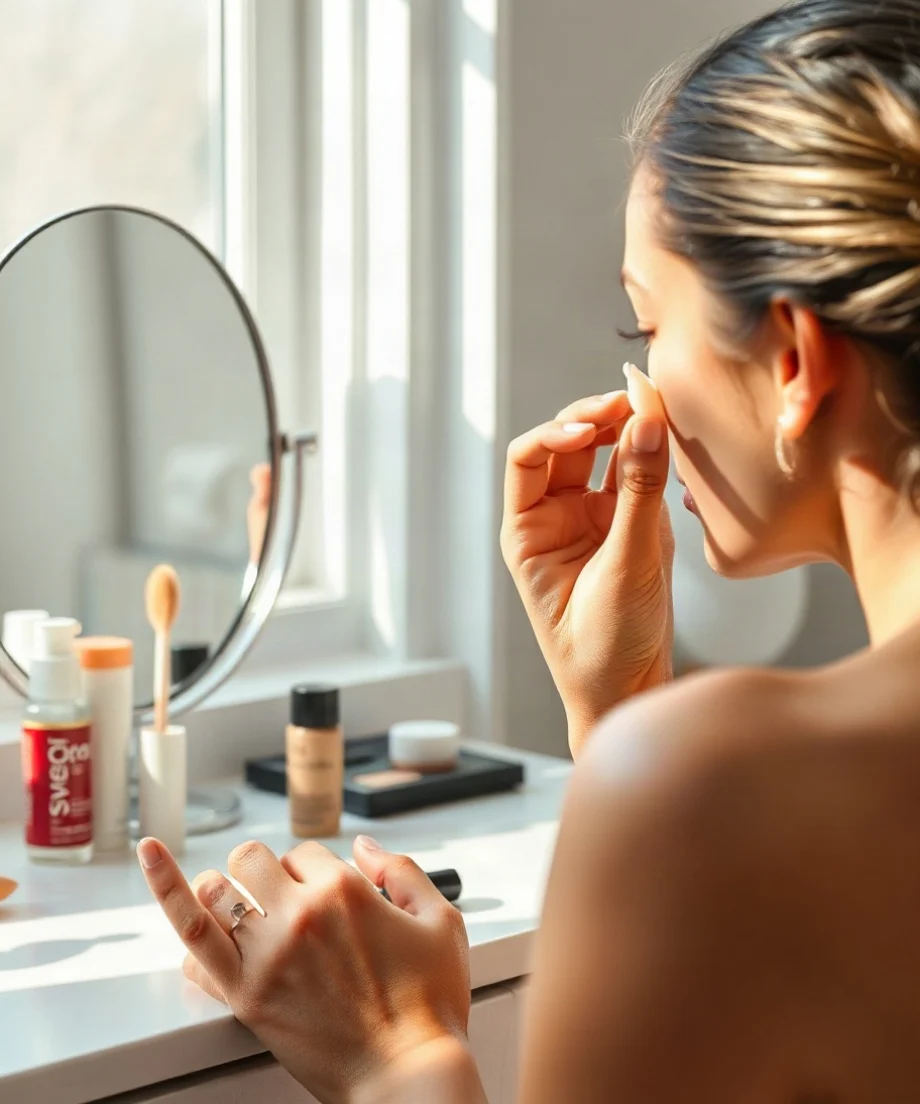
What to look for in a makeup-friendly formula
Lightweight, quick-set textures
Gel-creams, fluid lotions, and thin emulsions are often easier to layer beneath makeup than rich balms or heavily occlusive creams. This is not a guarantee that one texture will suit everyone, but a lighter formula may require less waiting time and leave less residue.
Look for a product that spreads easily with a small amount and settles without feeling tacky. A slightly dewy finish can be comfortable for dry skin, while a very slippery finish may make concealer move. If possible, evaluate the texture on your own skin before committing to it as a daily makeup base.
Hydrating ingredients without an overly heavy finish
Ingredients such as humectants and lightweight emollients can help the under-eye area feel more comfortable and look smoother. Common examples include glycerin, hyaluronic acid, panthenol, and certain lightweight plant-derived or synthetic emollients. The ingredient list does not tell the whole story, because the amount and combination of ingredients affect how a formula feels.
For more background on how common skincare ingredients function, see our eye cream ingredient guide. Product formulas can change, so check the current packaging or the manufacturer's ingredient list when a specific ingredient matters to you.
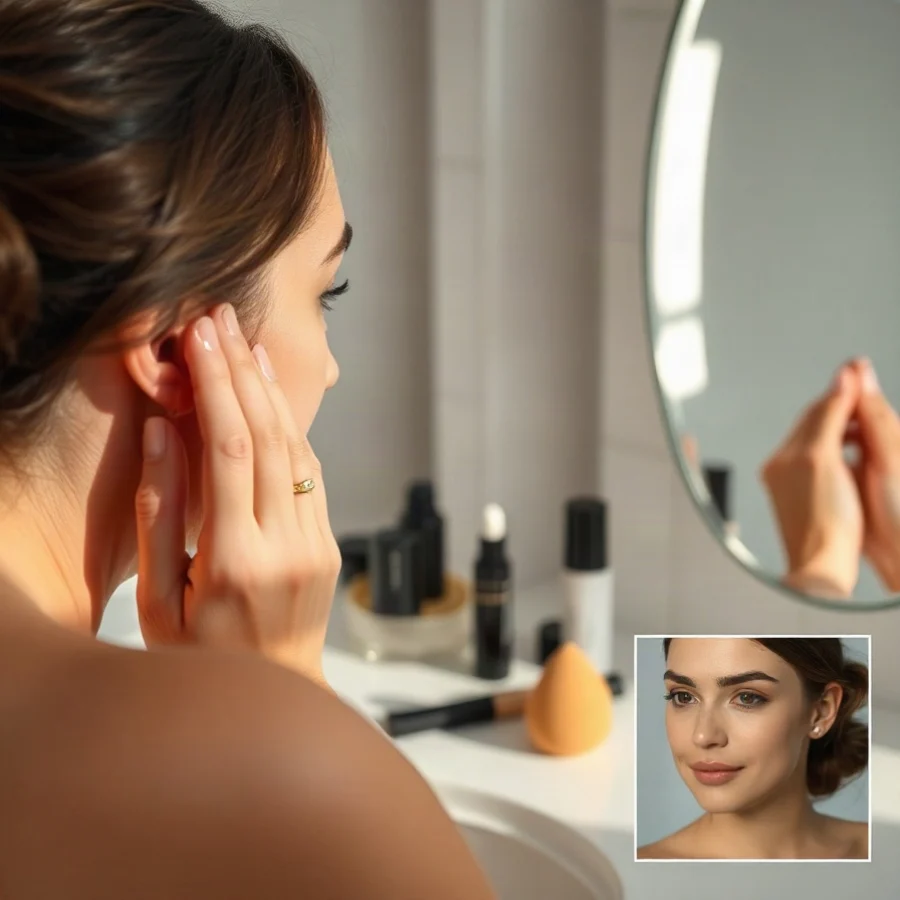
A finish that does not fight your concealer
Makeup compatibility depends on both products. A silicone-rich concealer, a hydrating concealer, and a long-wear matte formula may respond differently to the same eye cream. The best pairing is usually the one that leaves the skin comfortable but not wet or overly coated.
Be cautious with products that contain strong fragrance or ingredients you already know irritate your skin. The eye area is especially sensitive, and irritation can make redness, watering, dryness, or visible texture more noticeable beneath makeup.
How to apply caffeine eye cream before makeup
1. Start with clean, lightly moisturized skin
After cleansing, apply the rest of your morning skincare according to your normal routine. If you use sunscreen, remember that the eye area still needs appropriate sun protection, provided the product is labeled for use there and does not cause stinging. Avoid building several rich layers directly under the eyes unless your skin clearly needs them.
2. Use less than you think you need
A small amount is usually enough for both under-eye areas. Instead of placing a large dot under each eye, use a tiny amount and add only if necessary. Apply along the orbital area rather than pressing product directly into the lash line or getting it into the eye.
Use your ring finger or another clean fingertip to tap the product across the skin. Avoid vigorous rubbing, which can increase discomfort and disturb the skin surface. Gentle tapping also makes it easier to distribute a thin, even layer.
3. Allow the product to settle
Give the eye cream a short opportunity to absorb before applying concealer. The exact timing depends on the formula, the amount used, humidity, and the rest of your routine. If the area still feels wet or slippery, you may have applied too much. Gently pressing a clean fingertip over the skin can help remove excess without wiping the product away completely.
4. Apply makeup in thin layers
Use only as much concealer as needed for the amount of coverage you want. Place it where discoloration is most visible instead of covering the entire under-eye area with a thick layer. A thin layer is less likely to crease and usually allows more natural skin texture to show.
Press concealer into the skin with a fingertip, small brush, or sponge rather than repeatedly dragging it across the area. If you use powder, apply a minimal amount and keep it away from places where powder tends to emphasize dryness or fine lines.
How caffeine eye cream interacts with different under-eye concerns
Puffiness
Caffeine products are most often chosen for the temporary cosmetic appearance of puffiness. They may make the area look more awake for a period of time, but the result is not guaranteed and may be subtle. A cool compress, gentle application, and enough time for morning skincare to settle may also improve the way makeup sits.
For broader guidance on the appearance of under-eye bags and swelling, explore our puffiness and eye bags guide.
Dark circles
“Dark circles” can describe several visible patterns, including brown or gray-brown discoloration, blue or purple tones, shadows caused by facial structure, and darkness that looks stronger when the area is hollow or puffy. Caffeine eye cream may support a more refreshed appearance, but it is unlikely to address every type of darkness equally.
Makeup technique may be more noticeable than the eye cream itself. A corrector chosen for the visible undertone, followed by a thin layer of concealer, can help neutralize discoloration without requiring a heavy layer. Persistent or changing discoloration may have causes that skincare cannot determine, so an eye cream should not be treated as a diagnosis or medical treatment.
Fine lines and dryness
Hydration can temporarily make dry texture look less pronounced. It does not erase fine lines or permanently change the structure of the skin. If your main concern is creasing, prioritize a comfortable moisturizer, a thin makeup application, and careful powder placement. You can find more general information in our guide to fine lines and wrinkles around the eyes.
Common reasons makeup pills or creases
Pilling can happen when multiple products form little rolls on the skin. Applying too much eye cream, layering products before they settle, rubbing instead of pressing, and combining formulas that do not work well together can all contribute. Sunscreen, primer, concealer, and powder may also change the final result.
To troubleshoot, simplify the routine for a few mornings. Use a smaller amount of eye cream, wait longer between layers, and test your concealer without additional primer. If the problem improves, add products back one at a time. This approach can help identify which combination is responsible without assuming the caffeine itself is the cause.
Creasing is different from pilling. Creasing often occurs because makeup naturally gathers in skin folds, especially with facial movement. Using less product and pressing away excess can reduce the appearance, but no eye cream can guarantee crease-free makeup throughout the day.
Morning versus evening use
A caffeine eye cream marketed for daytime use may be most useful in the morning because its intended cosmetic benefit relates to a tired or puffy appearance. You do not necessarily need to use it twice daily. If the product feels heavy beneath makeup, reserve it for evenings or choose a separate lightweight daytime moisturizer.
Follow the product label, especially if the formula includes additional active ingredients. Avoid introducing several new products around the eyes at the same time. When testing a new product, a cautious patch test on an appropriate area can help you identify possible sensitivity, although it cannot predict every reaction around the eyes.
Safety and realistic expectations
Keep eye cream out of the eyes and stop using it if you develop burning, persistent redness, swelling, itching, or other irritation. Follow the label's directions and be particularly careful if you have sensitive skin, a history of reactions, or an existing eye condition. If symptoms continue or affect the eye itself, seek advice from a qualified medical professional.
Caffeine eye cream is a cosmetic product, not a treatment for an eye disease, allergy, infection, or underlying medical condition. It also cannot guarantee that dark circles, puffiness, or fine lines will disappear. If the appearance of darkness or swelling changes suddenly, affects one side, or comes with other concerning symptoms, medical advice is more appropriate than adding another skincare product.
A simple makeup-compatible routine
- Cleanse gently and avoid scrubbing the under-eye area.
- Apply a small amount of caffeine eye cream to the orbital area.
- Let the product settle before adding sunscreen or makeup.
- Use a thin layer of color corrector or concealer only where needed.
- Press, rather than rub, to blend.
- Set selectively with a small amount of powder if your makeup routine requires it.
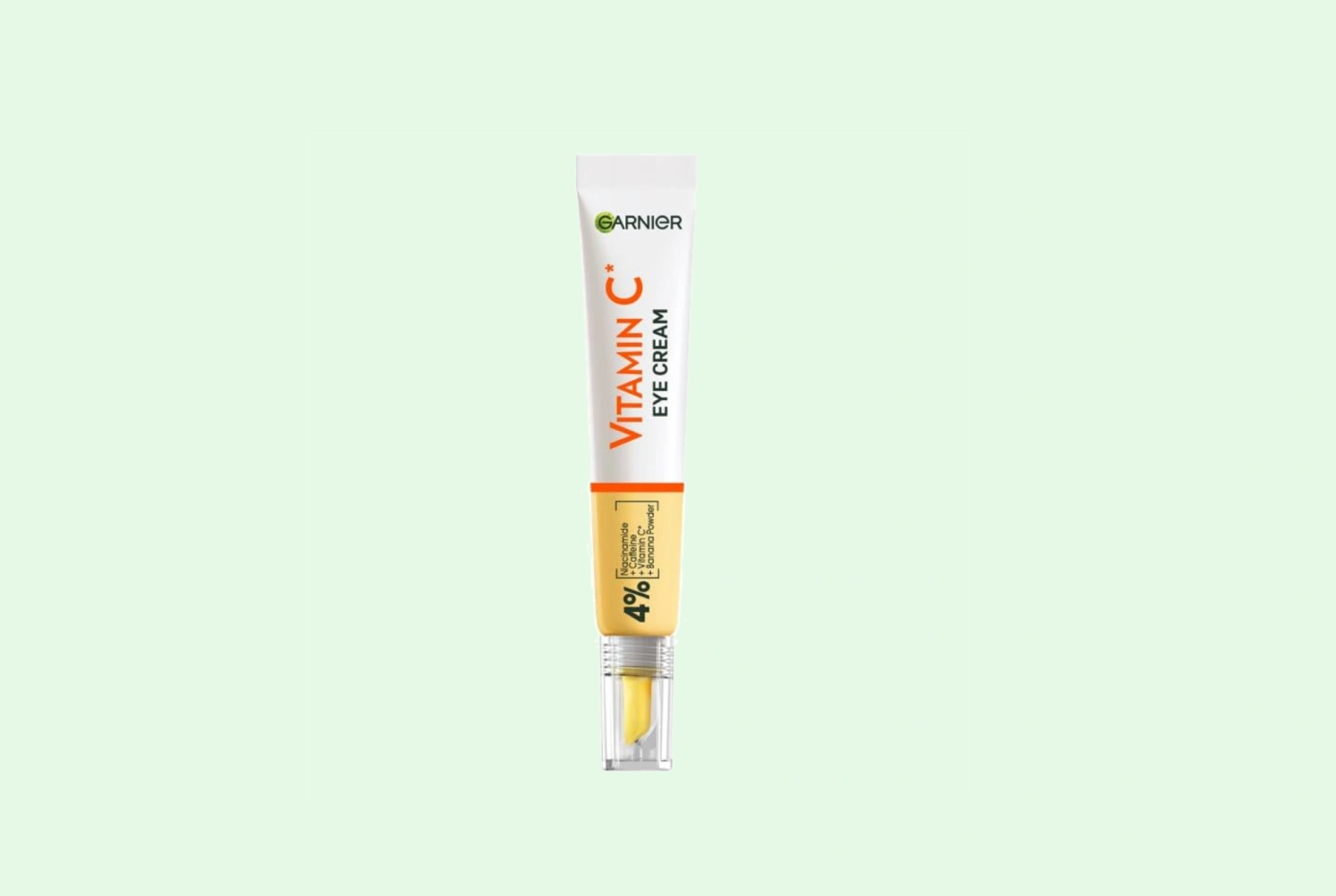
The most reliable choice is the formula that feels comfortable, does not irritate your skin, and allows your concealer to apply evenly. Caffeine can be a useful part of that routine for the temporary look of refreshed eyes, but the complete formula, application amount, and makeup pairing matter just as much as the highlighted ingredient.

Comments
0No comments yet. Be the first to share a helpful note or question.
Leave a Comment
Your email address will not be published. Comments are reviewed before appearing on the site.