
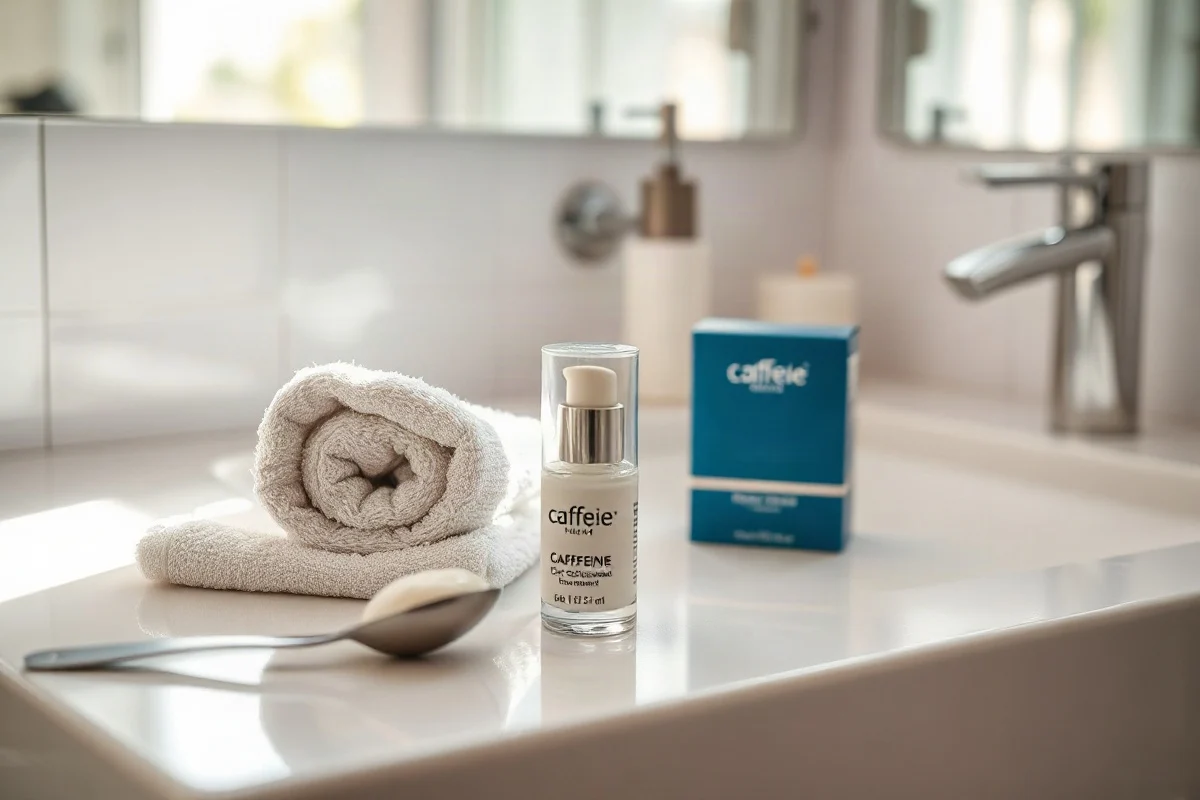
Caffeine eye creams are best suited to people who want a temporary improvement in the appearance of mild under-eye puffiness, tired-looking skin, or dullness. They may also be useful for shoppers who prefer lightweight, easy-to-layer formulas. However, caffeine is not a universal solution for dark circles: it is less likely to make a meaningful cosmetic difference when discoloration is mainly caused by genetics, deeper shadows, visible blood vessels, or changes in skin structure.
The most useful way to evaluate a caffeine eye cream is to match it with the concern you actually see in the mirror. If your under-eyes look swollen after poor sleep, crying, allergies, dehydration, or a salty meal, a caffeine formula may help the area look temporarily less puffy. If the area is brown, gray, or deeply hollowed, caffeine alone may not address the main visual cause.
What caffeine may do for the under-eye area
Caffeine is a familiar cosmetic ingredient that can create a temporarily more awake-looking appearance. It is commonly included in products designed for puffiness because it may have a short-term constricting effect on blood vessels at the skin’s surface. That may make some under-eye swelling or visible vascular darkness look less noticeable for a while.
The result is usually subtle and temporary rather than a permanent change in the skin. A caffeine eye cream also delivers the ingredient in a complete formula, so the texture, moisturizing ingredients, applicator, and other actives can influence how the product feels and how the eye area looks. Two products with caffeine on the label may provide very different experiences.
Cosmetic improvement should not be confused with medical treatment. An eye cream cannot diagnose the reason for puffiness or dark circles, and it should not be expected to treat an underlying condition. New, persistent, one-sided, painful, or rapidly changing swelling deserves medical advice rather than experimentation with skincare.
Who may benefit most from a caffeine eye cream?
People with temporary morning puffiness
Caffeine eye creams are a logical option for people whose under-eyes look more swollen in the morning and gradually appear less puffy later in the day. A cooling, lightweight product can also make the application feel refreshing. Gently tapping the product around the orbital area may provide a more comfortable routine than rubbing the skin.
Still, a cream will not replace the basics that influence temporary puffiness. Sleep, allergies, eye rubbing, fluid retention, and sleeping position can all affect how the area looks. Skincare may complement a routine, but it cannot guarantee that puffiness will disappear.
People with a tired or dull appearance
If your main concern is that the eye area looks tired rather than strongly pigmented, caffeine may be a reasonable ingredient to try. A moisturizer can reduce the dry, crepey appearance that makes shadows look more obvious, while a smooth texture may help concealer apply more evenly.
Look for a formula that combines caffeine with basic moisturizers or humectants if your skin feels tight. Caffeine itself is not a substitute for hydration. Ingredients such as glycerin, hyaluronic acid, or emollients may support a more comfortable, smoother-feeling finish, but always check the current ingredient list because formulas can change.
People who want a daytime product
Many caffeine eye creams are designed to feel light under sunscreen or makeup, although texture varies widely. A thin lotion, gel, or serum may suit daytime use better than a rich balm if concealer tends to crease or slide. The right choice depends on personal preference and the rest of your routine rather than on caffeine alone.
For daytime use, apply sunscreen to the surrounding face and follow the product’s directions. The delicate eye area can still receive incidental protection from a properly applied facial sunscreen, but avoid getting sunscreen directly into the eyes. Sunglasses and a hat can also help reduce squinting and environmental exposure.
Who may need a different approach?
People with mostly brown or gray discoloration
Dark circles can have several visible causes. Brown discoloration may relate to pigmentation, while blue, purple, or gray tones may be more noticeable when skin is thin and underlying vessels show through. A caffeine eye cream may make the area look a little fresher, but it is unlikely to address every source of color.
For a broader overview of possible causes and cosmetic options, see our guide to dark circles. Product selection is easier when you focus on the appearance you want to improve instead of assuming every dark circle needs the same ingredient.
People with pronounced hollowness or structural shadows
Sometimes a dark circle is largely a shadow created by the shape of the under-eye area. A hollow or tear-trough depression can look darker under overhead lighting even when the skin itself is not heavily pigmented. A topical eye cream may moisturize the surface, but it cannot change facial structure.
In these cases, makeup, lighting adjustments, and professional medical advice may be more relevant than switching between caffeine products. If you are considering a procedure, discuss the risks and expected outcomes with a qualified medical professional.
People with very dry or sensitive skin
Caffeine is not automatically irritating, but the overall formula may contain fragrance, essential oils, exfoliating acids, retinoids, or other ingredients that sensitive skin does not tolerate well. Read the complete label rather than judging a product by its headline ingredient.
Choose a simple formula when possible, apply it only as directed, and patch test cautiously before using it near the eyes. Keep the product out of the eye itself. If burning, persistent redness, itching, swelling, or watering develops, stop using the product and seek appropriate medical advice if symptoms do not settle.
How to choose a caffeine eye cream
Start with the formula, not just the ingredient name
Caffeine can appear in gels, creams, serums, balms, and roll-on products. A gel may feel appealing for morning puffiness, while a richer cream may be more comfortable for dry skin at night. Neither texture is automatically better. The best option is one you can apply consistently without stinging, pilling, or causing milia-like bumps or congestion for your skin.
For ingredient explanations and a more systematic way to compare formulas, use the site’s eye cream ingredient guide. Verify the current packaging or manufacturer’s ingredient list before buying, particularly when a product’s formula, claims, or intended use matter to your decision.
Consider supporting ingredients
A caffeine eye cream may be more useful when it also supports the concern surrounding the dark circles. Moisturizing ingredients can improve the look of dryness and fine surface lines. Antioxidant ingredients may be included in some formulas, while soothing ingredients may be preferable for easily reactive skin. These additions do not guarantee a result, and more ingredients are not always better.
If the product also contains retinol, vitamin C, exfoliating acids, or strong fragrance, introduce it carefully and follow the label. These ingredients can be useful in some routines but may increase the chance of irritation, especially around the eyes. Do not combine multiple new active products at once if you will have difficulty identifying which one caused a reaction.
Think about your application habits
Use a small amount and apply it to the orbital area rather than directly along the wet lash line unless the product specifically instructs otherwise. Tap gently with a clean fingertip, avoiding pulling or rubbing. More product does not necessarily produce a better cosmetic effect and can increase pilling or migration into the eyes.
Use the product consistently for the period recommended on its label, but keep expectations realistic. A product that makes the area look smoother or less puffy for part of the day may be doing exactly what it can do, even if the underlying dark circle remains visible.
Caffeine eye cream versus other common options
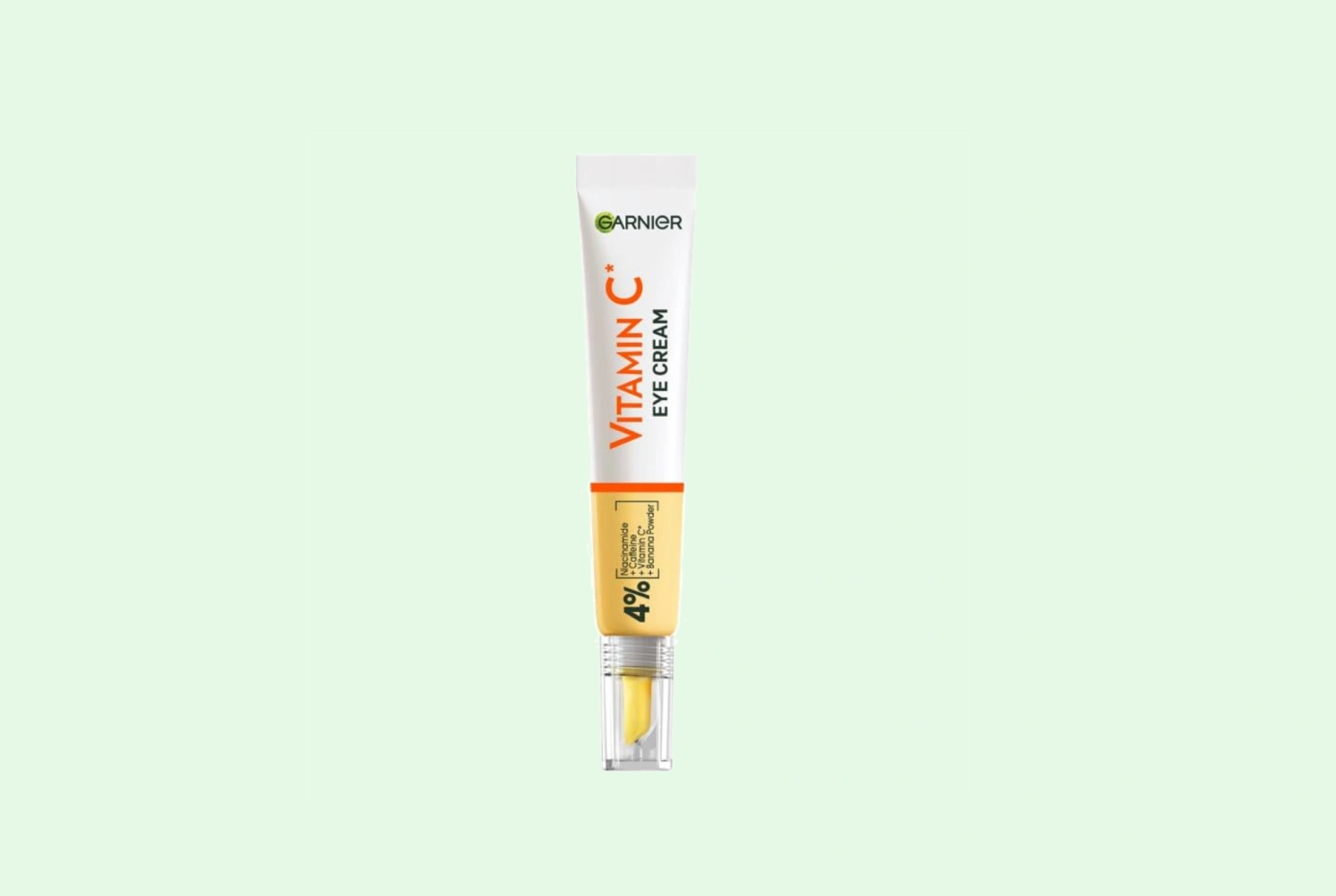
Choosing an eye cream depends on the primary concern. Caffeine is most closely associated with a temporarily less tired or puffy appearance. A moisturizing formula may be a better priority when dryness makes fine lines and shadows more noticeable. A retinoid-based product may be considered by some shoppers focused on texture, but retinoids can be irritating and require especially careful use around the eyes. Vitamin C formulas may appeal to people focused on uneven tone, though tolerance and formula design matter.
These categories are not interchangeable, and combining them without a plan can make irritation more likely. If you are unsure which type fits your routine, the under-eye routine builder can help organize choices by skin type and concern.
How to set realistic expectations
A caffeine eye cream may be worth trying if your goal is a more refreshed-looking under-eye area, particularly when mild puffiness is the most noticeable issue. Expect a cosmetic effect that may vary by person, product, lighting, sleep, and the reason for the darkness. The effect may be difficult to see on some days and more noticeable on others.
Do not expect caffeine to permanently remove dark circles, erase hollows, cure puffiness, or prevent wrinkles. If your concern is persistent or accompanied by discomfort, scaling, significant swelling, vision changes, or other symptoms, skincare is not the right place to seek a diagnosis.
A simple way to decide
Choose a caffeine eye cream if you want a lightweight daytime product and your main concern is temporary puffiness or a tired-looking appearance. Choose a more moisturizing formula if dryness is making the area look rough or creased. Look beyond caffeine when discoloration, hollowness, or long-standing changes are the dominant concern.
Whatever you choose, check the current label, introduce the product gradually, avoid the eye itself, and stop if irritation develops. Caffeine can be a useful supporting ingredient, but the best eye cream is the one that suits your skin, fits your routine, and makes a modest cosmetic improvement without creating a new problem.

Comments
0No comments yet. Be the first to share a helpful note or question.
Leave a Comment
Your email address will not be published. Comments are reviewed before appearing on the site.