
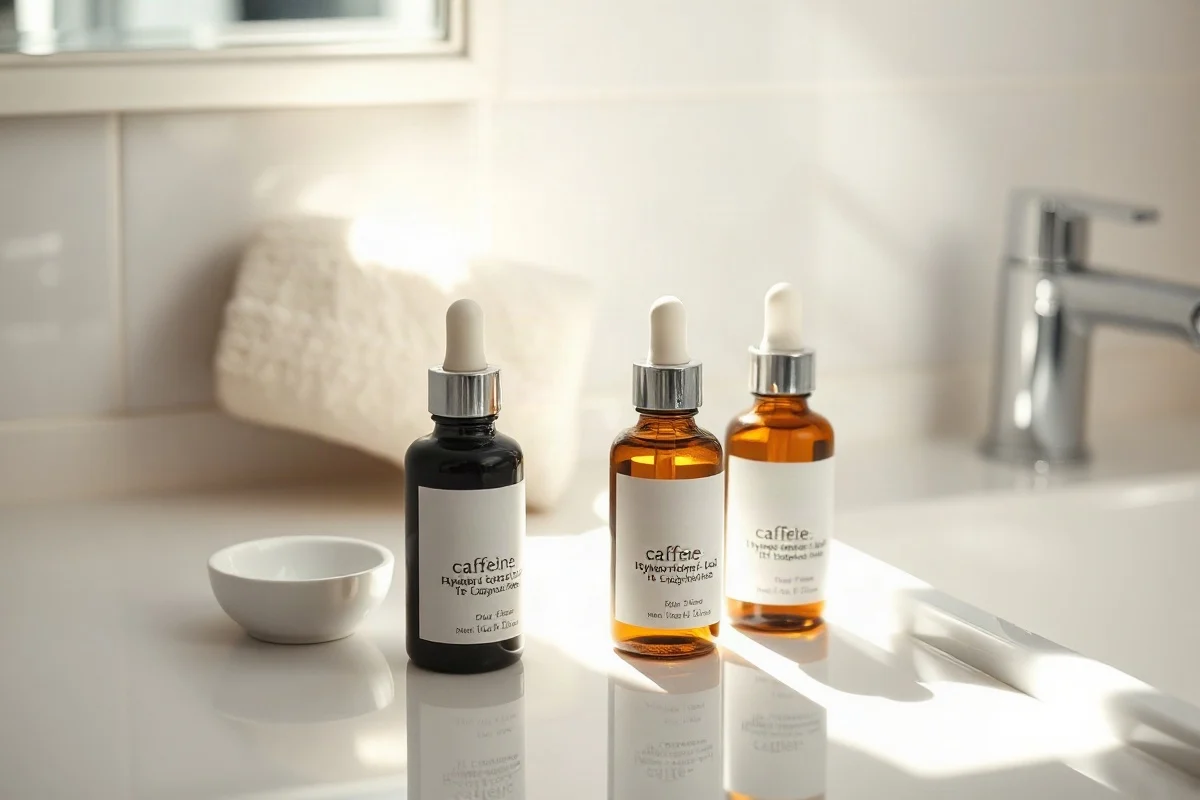
Short answer: Caffeine may be the more relevant choice for the temporary appearance of puffiness, while hyaluronic acid is usually better suited to dry, dehydrated under-eyes and the look of fine lines caused by surface dryness. They are not interchangeable, and neither ingredient can address every reason eyes look tired. Some people may benefit from using both in a routine, provided the formulas are comfortable for the delicate eye area.
The best choice depends on what you are seeing in the mirror. Under-eye darkness can be influenced by natural pigmentation, visible blood vessels, shadows from facial structure, thinning skin, irritation, or lifestyle factors. Puffiness may vary with sleep, allergies, fluid retention, and other factors. Skincare can improve the appearance of some surface concerns, but it cannot diagnose or treat an underlying medical condition.
What caffeine and hyaluronic acid do differently
Caffeine and hyaluronic acid are often placed side by side in eye cream comparisons, but they serve different cosmetic purposes. Caffeine is commonly included in products designed for the look of puffiness or a fatigued appearance. Hyaluronic acid is a humectant, meaning it helps attract and hold water at the skin’s surface when used in a well-formulated product.
That difference matters. If your primary concern is a puffy-looking under-eye area in the morning, a caffeine product may seem like the more logical starting point. If the area feels tight, looks crepey, or shows more noticeable fine lines after cleansing, a hydrating product containing hyaluronic acid may be more useful. Neither ingredient should be treated as a guaranteed solution for dark circles.
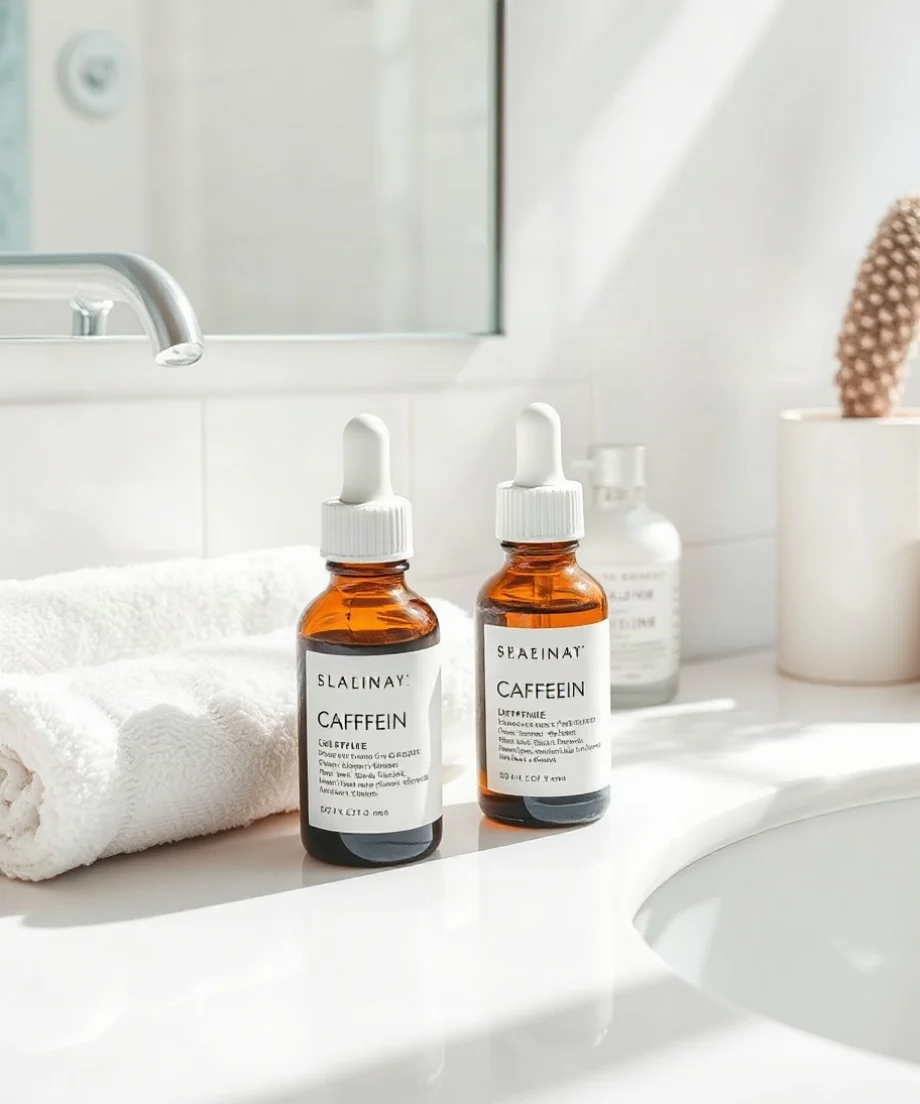
Caffeine for puffiness and a tired appearance
Caffeine is a familiar ingredient in eye creams, gels, and serums. In cosmetic skincare, it is generally used to help the eye area look less puffy or more refreshed. The appearance of puffiness can vary from day to day, so any visible improvement from a topical product should be viewed as temporary and cosmetic rather than permanent.
A caffeine eye product may be worth considering if:
- Your main concern is morning puffiness rather than dryness.
- You prefer a lightweight gel or serum texture.
- You want an eye-area product that feels refreshing when applied.
- Your dark circles appear more noticeable because swelling creates extra shadowing.
Caffeine is less likely to be the most important ingredient when the under-eye area feels dry or when fine lines appear emphasized by dehydration. It also may not make a meaningful visual difference when darkness is primarily related to pigmentation, genetics, facial anatomy, or shadows.
For additional context, see our guide to caffeine eye creams. Product formulas vary, so check the current ingredient list rather than assuming every product with caffeine has the same supporting ingredients or texture.
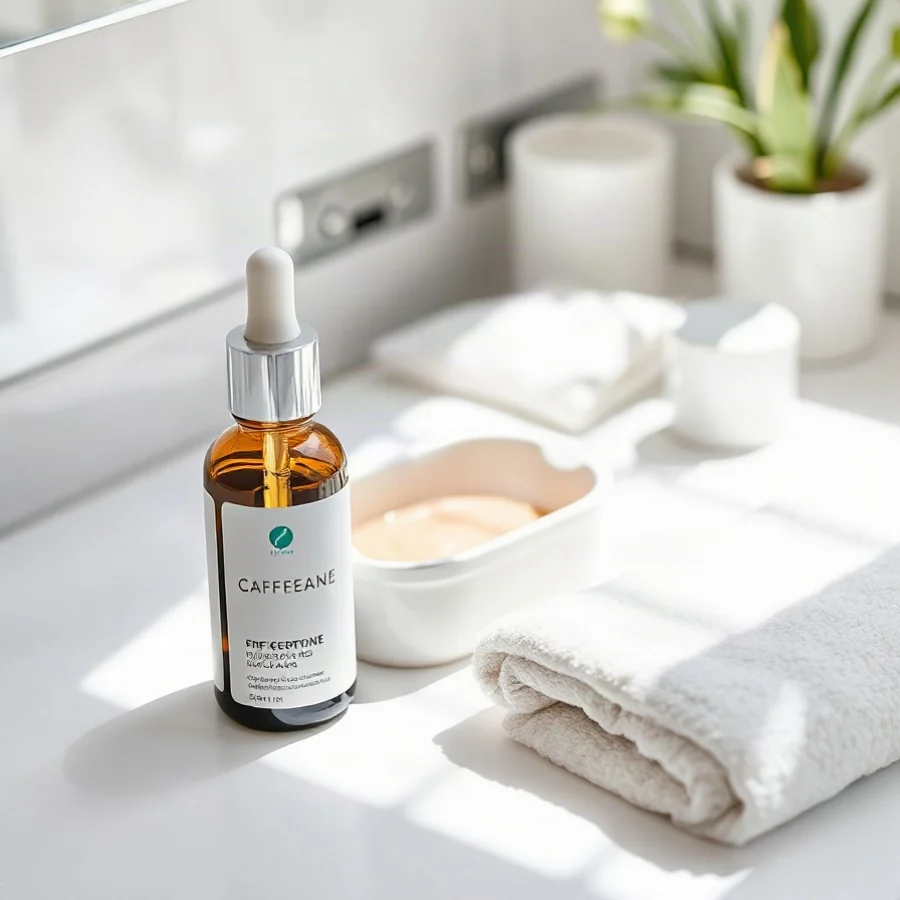
Hyaluronic acid for dryness and fine lines
Hyaluronic acid is used in skincare because it can help the surface of the skin retain water. Around the eyes, that added hydration may make the area look smoother and more comfortable. Fine lines can appear more prominent when the skin is dry, and improving surface hydration may soften their appearance temporarily.
A hyaluronic acid eye product may be a better fit if:
- The under-eye area feels tight after cleansing.
- Concealer settles into dry-looking lines.
- The skin looks dull, crepey, or rough rather than swollen.
- You prefer a moisturizing cream, lotion, or serum over a de-puffing gel.
Hyaluronic acid does not directly address every type of dark circle. Hydration may make the skin look healthier and may reduce the emphasis of dryness-related texture, but it is not a pigment-lightening treatment and should not be described as one. A product can also contain more than one form of hyaluronic acid or combine it with other humectants, emollients, and occlusive ingredients. The exact formula determines how the product feels and performs cosmetically.
Our eye cream ingredient guide can help you compare hyaluronic acid with other common ingredients used around the eyes.
Caffeine vs. hyaluronic acid by concern
For puffy-looking eyes
Caffeine is usually the more targeted option of the two for the temporary appearance of puffiness. It may be especially appealing in a morning routine, when under-eye swelling can create shadows and make the face look tired. Application technique can matter as much as the ingredient: use a small amount, avoid rubbing, and follow the product directions.
Hyaluronic acid may still be helpful if the area is both puffy and dehydrated, but hydration alone is not generally the primary reason to choose it for swelling. A rich formula may also feel less comfortable if you dislike a heavier texture around the eyes.
For dryness and tightness
Hyaluronic acid has the clearer role here. It can support a more hydrated-looking surface, especially when paired with a moisturizer that helps reduce water loss. If you use a humectant serum or gel, applying a compatible moisturizer afterward may make the routine feel more comfortable, depending on the product’s instructions and your skin’s needs.
Caffeine is not primarily a moisturizing ingredient. A caffeine eye cream may contain hydrating ingredients, but that benefit would come from the complete formula rather than caffeine alone.
For fine lines
If fine lines look more visible when the skin is dry, hyaluronic acid may temporarily make them appear less pronounced by improving surface hydration. This is a cosmetic effect, not a permanent change in skin structure.
Caffeine is not generally the first ingredient to look for when fine lines are your main concern. However, some caffeine eye products include additional moisturizing or smoothing ingredients. Read the current packaging and ingredient list to understand what the specific formula is intended to do.
For dark circles
Neither caffeine nor hyaluronic acid is a universal answer for dark circles. Caffeine may help the area look more awake when puffiness contributes to shadowing. Hyaluronic acid may make dry, textured skin look smoother and more hydrated. Neither ingredient is guaranteed to change the underlying cause of persistent darkness.
Because dark circles have several possible appearances and contributing factors, it can help to compare your concern in consistent lighting. Notice whether the color remains the same when the skin is gently stretched, whether the area changes with swelling, and whether dryness or texture is the more obvious issue. These observations are not a diagnosis, but they can help you choose a realistic cosmetic goal.
Can you use caffeine and hyaluronic acid together?
In many routines, caffeine and hyaluronic acid can be used together because they perform different roles. For example, a lightweight product containing caffeine could be followed by a hydrating eye product, or one formula could contain both ingredients. The order depends on the products’ textures and label directions: generally, thinner products are applied before thicker creams.
Using both does not necessarily mean using more product. The eye area needs only a small amount, and applying too much can increase the chance of migration into the eyes, pilling, or discomfort. Pat the product gently along the orbital area rather than rubbing directly over the eyelids or close to the lash line unless the label specifically directs otherwise.
If you are introducing several products at once, it becomes harder to identify what caused irritation or congestion. A simpler approach is to add one new product at a time and give your skin an opportunity to adjust.
How to choose between them
Start with the concern you want to improve most:
- Choose caffeine first if temporary morning puffiness and a fatigued appearance are your main concerns.
- Choose hyaluronic acid first if dryness, tightness, or dehydration-related texture is most noticeable.
- Consider both if you experience puffiness and dryness and can tolerate a layered routine.
- Look beyond both ingredients if persistent pigmentation, pronounced hollowness, significant asymmetry, or ongoing swelling is your primary concern.
Texture is also important. A gel may feel preferable for oily skin or daytime use, while a cream may be more comfortable for dry or mature skin. Still, skin type categories are only a starting point. The full formula, fragrance, preservatives, and other active ingredients can affect how a product feels around the eyes.
Formulas can change, and products with similar ingredient names may differ substantially. Before buying or using a product, verify the current packaging and manufacturer ingredient list, especially if you have known sensitivities or are comparing a specific product.
How to use an eye product carefully
Apply eye-area skincare to clean, dry skin unless the product label says otherwise. Use a small amount and keep it away from the eye itself. Avoid vigorous rubbing, which can worsen temporary redness and make the area feel irritated. During the day, use broad-spectrum sunscreen on the surrounding face as directed, while taking care not to place products directly in the eyes.
People with sensitive skin should review the complete ingredient list rather than focusing only on caffeine or hyaluronic acid. Fragrance, essential oils, exfoliating acids, retinoids, and other active ingredients may be more relevant to comfort than the headline ingredient. Follow the label, consider a patch test when appropriate, and stop using the product if burning, persistent redness, swelling, or other irritation develops.
If swelling is sudden, painful, one-sided, associated with vision changes, or accompanied by other concerning symptoms, skincare is not the appropriate next step. Seek advice from a qualified medical professional. A persistent or changing skin concern also deserves professional evaluation rather than repeated product experimentation.
A practical routine for tired-looking eyes
A straightforward routine is often easier to assess than a crowded one. In the morning, cleanse gently if needed, apply a caffeine product if puffiness is your main concern, and follow with moisturizer and sun protection as appropriate. If dryness is more prominent, use a hyaluronic acid product followed by a comfortable moisturizer. At night, focus on gentle cleansing and hydration rather than repeatedly layering new actives.
You can also use our under-eye routine builder to organize products around concerns such as puffiness, dryness, and fine lines. If your main issue is swelling, our coverage of puffiness and eye bags offers additional context.
The most realistic comparison is not which ingredient is universally better, but which one matches your specific cosmetic concern. Caffeine is the more logical starting point for temporary puffiness, while hyaluronic acid is the more logical starting point for dehydration and dry-looking texture. Both can support a more refreshed appearance, but neither replaces medical evaluation for unexplained symptoms or guarantees that dark circles, puffiness, or fine lines will disappear.

Comments
0No comments yet. Be the first to share a helpful note or question.
Leave a Comment
Your email address will not be published. Comments are reviewed before appearing on the site.