
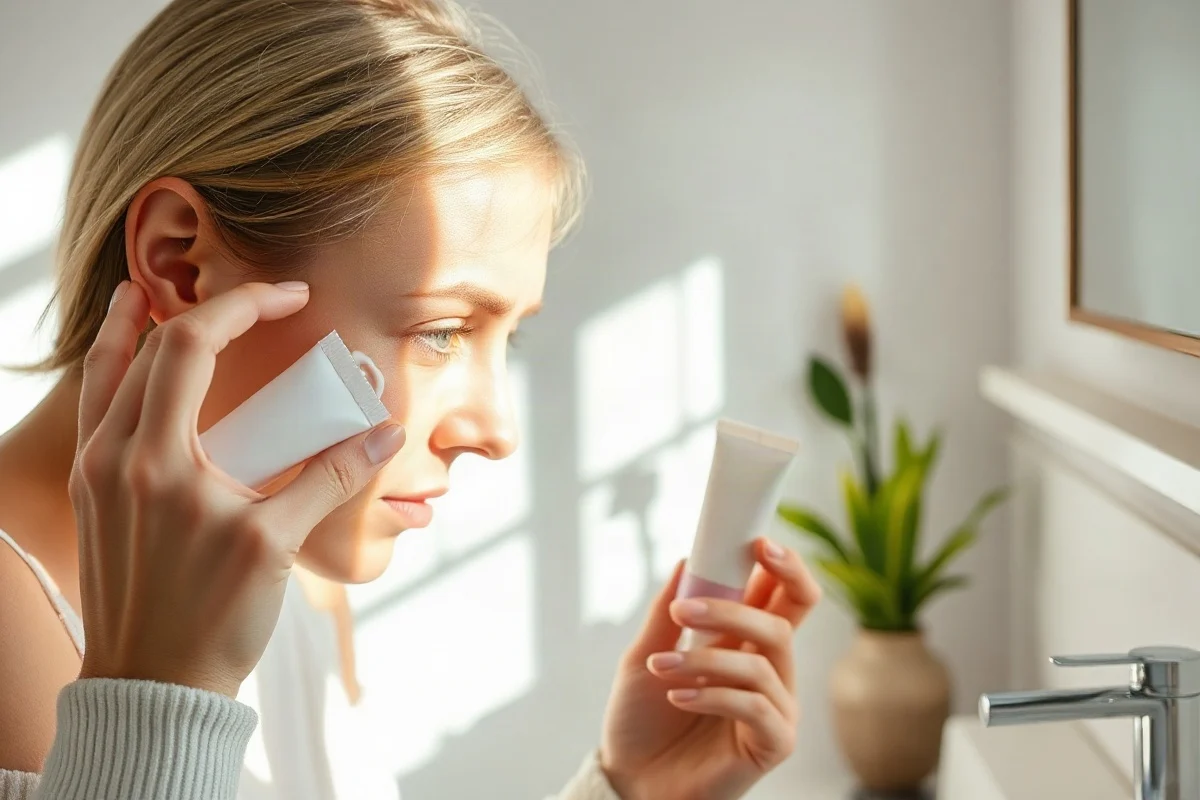
Yes, a drugstore eye cream can make under-eye puffiness look less noticeable for a while, but it is unlikely to eliminate the underlying cause. The most useful formulas typically focus on temporary cosmetic effects such as hydration, a smoother-looking surface, or a refreshed appearance. Caffeine may help some products create a less puffy-looking appearance, while a lightweight texture and cooling application can make the eye area feel more comfortable. Results depend on why the area looks swollen, how regularly the product is used, and whether the puffiness is temporary or persistent.
Under-eye bags can be linked to sleep disruption, fluid retention, allergies, irritation, genetics, skin laxity, or the natural structure of the eye area. An eye cream is a cosmetic product, so it should not be treated as a diagnosis or medical treatment. If swelling is sudden, painful, one-sided, associated with vision changes, or persistent despite basic care, consider speaking with a qualified health professional rather than relying on skincare.
What a drugstore eye cream can realistically do
A reasonably chosen eye cream may temporarily improve the appearance of puffiness in several ways. A moisturizing formula can reduce the dry, crepey look that sometimes makes the area appear more tired. Humectants and emollients can help the skin look smoother by supporting surface hydration. Some products also create a cooling sensation, which may make the eye area feel refreshed when applied gently.
These effects are usually cosmetic and limited. They do not mean that the product has removed a fat pad, changed facial anatomy, or permanently resolved under-eye bags. Puffiness caused largely by genetics or the natural contours beneath the eyes may not respond noticeably to any over-the-counter cream. Even when a product looks helpful, the effect may fade when the product is no longer used.
For broader ingredient information, see this eye cream ingredient guide. It can help you compare the purpose and potential drawbacks of common ingredients without assuming that one formula works for every person.
Ingredients that may support a less puffy-looking appearance
Caffeine
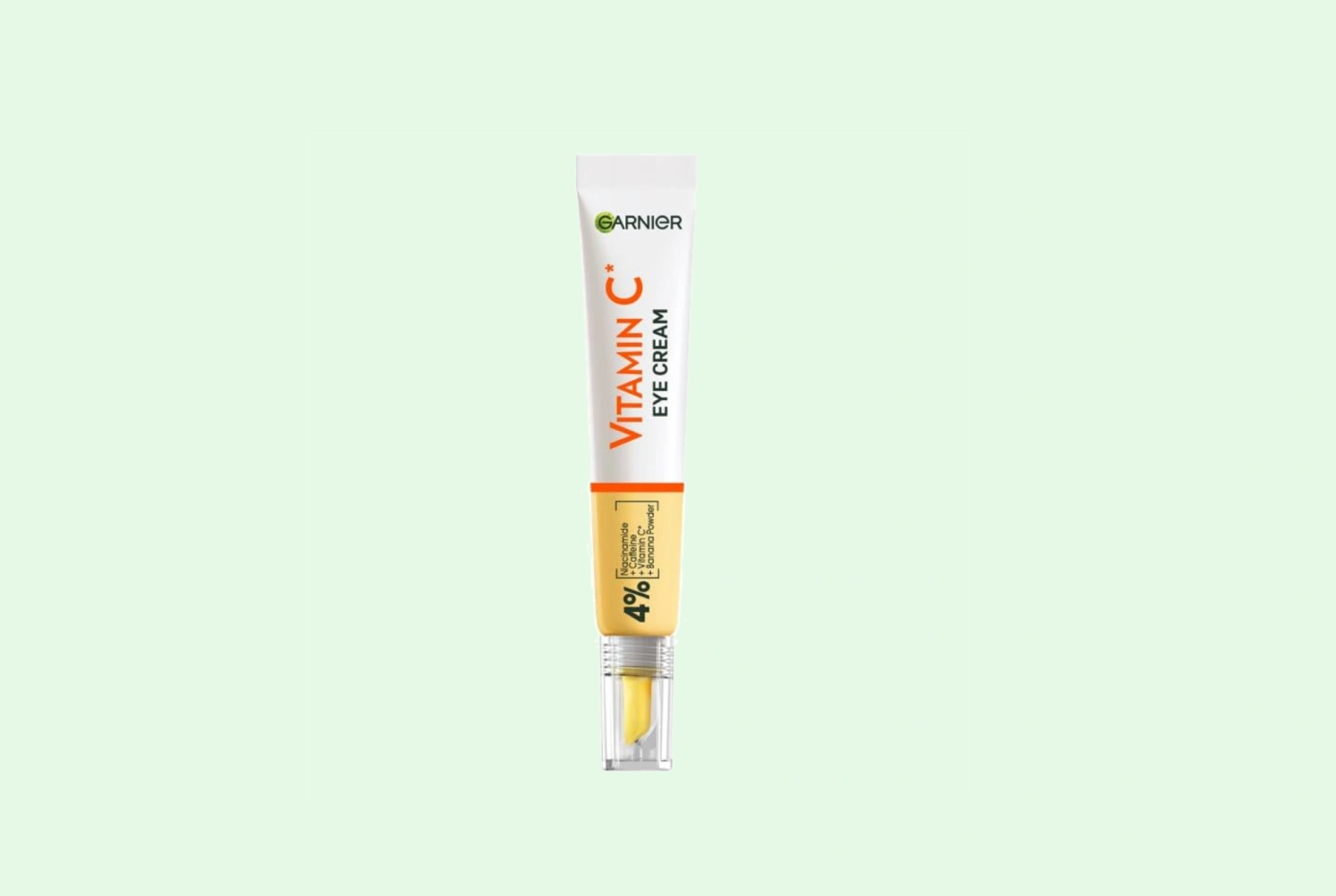
Caffeine is a common ingredient in products marketed for tired-looking eyes. It is often included because it may temporarily support a more awake-looking appearance. The actual experience can vary with the formula, the amount used, the condition of the skin, and the reason for the puffiness. Ingredient presence alone does not guarantee a visible change.
If you are comparing caffeine products, check the current ingredient list and directions on the package. Formulas can change, and product pages or older reviews may not reflect the latest packaging. A caffeine eye cream may be worth considering for morning use, but it should not be presented as a permanent solution for eye bags.
Humectants and moisturizers
Ingredients such as glycerin, hyaluronic acid, and other water-binding agents can help the skin feel hydrated. Occlusive and emollient ingredients may also help reduce moisture loss and soften the look of dryness. These ingredients are more directly related to hydration than to puffiness itself, but smoother-looking skin can make the area appear less creased or fatigued.
For dry or easily irritated skin, a simple moisturizing formula may be a more sensible starting point than a product with several active ingredients. A richer cream can feel comfortable at night, while a lighter lotion or gel may sit more easily under makeup. Texture preference matters because a product that feels heavy, sticky, or irritating is less likely to fit consistently into a routine.
Soothing ingredients
Some eye creams include ingredients chosen for a soothing or conditioning role, such as panthenol, allantoin, or certain botanical extracts. The response to plant extracts and fragrance components can differ significantly between individuals. “Soothing” on a label describes the product’s intended cosmetic positioning, not a guarantee that it will calm every cause of redness or swelling.
If your eye area reacts easily, avoid assuming that a long ingredient list is better. A shorter, fragrance-free formula may be easier to evaluate. Always follow the product label, keep the product out of the eyes, and stop using it if burning, itching, swelling, or persistent redness develops.
How to choose a drugstore eye cream for puffiness
Start by identifying the appearance you want to address. If the main concern is temporary morning puffiness, you may prefer a lightweight product with a cooling application and ingredients such as caffeine. If the area looks dry and crinkled, hydration may be the more useful priority. If darkness is the main concern, an eye cream selected only for puffiness may not address the visual effect you are noticing.
Next, consider your skin’s tolerance. The eye area is delicate, and irritation can make swelling or redness look more prominent. People with sensitive skin may want to avoid heavily fragranced products or formulas that combine multiple potentially irritating actives. This does not mean every active ingredient is unsuitable; it means the product should be introduced carefully and used according to its instructions.
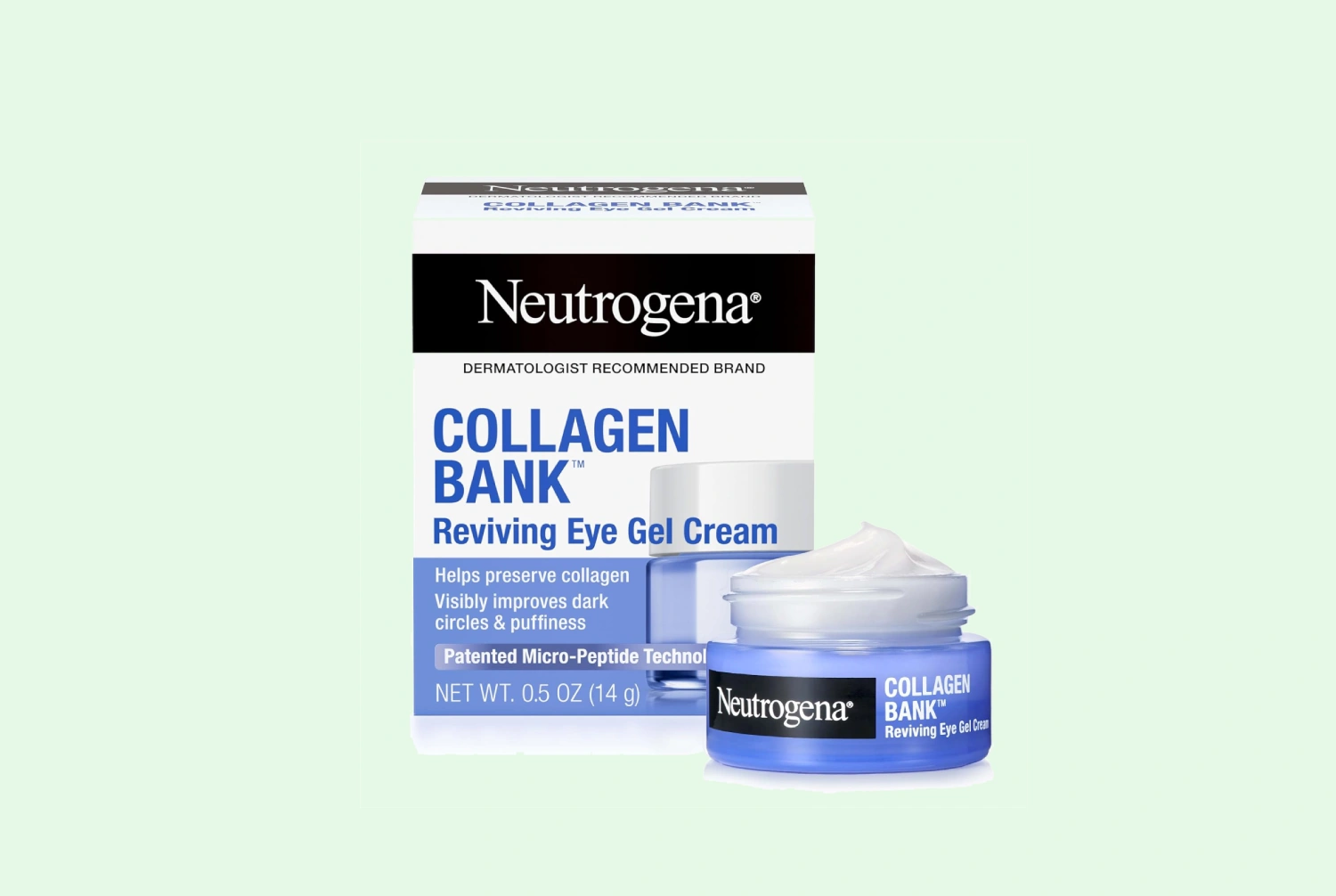
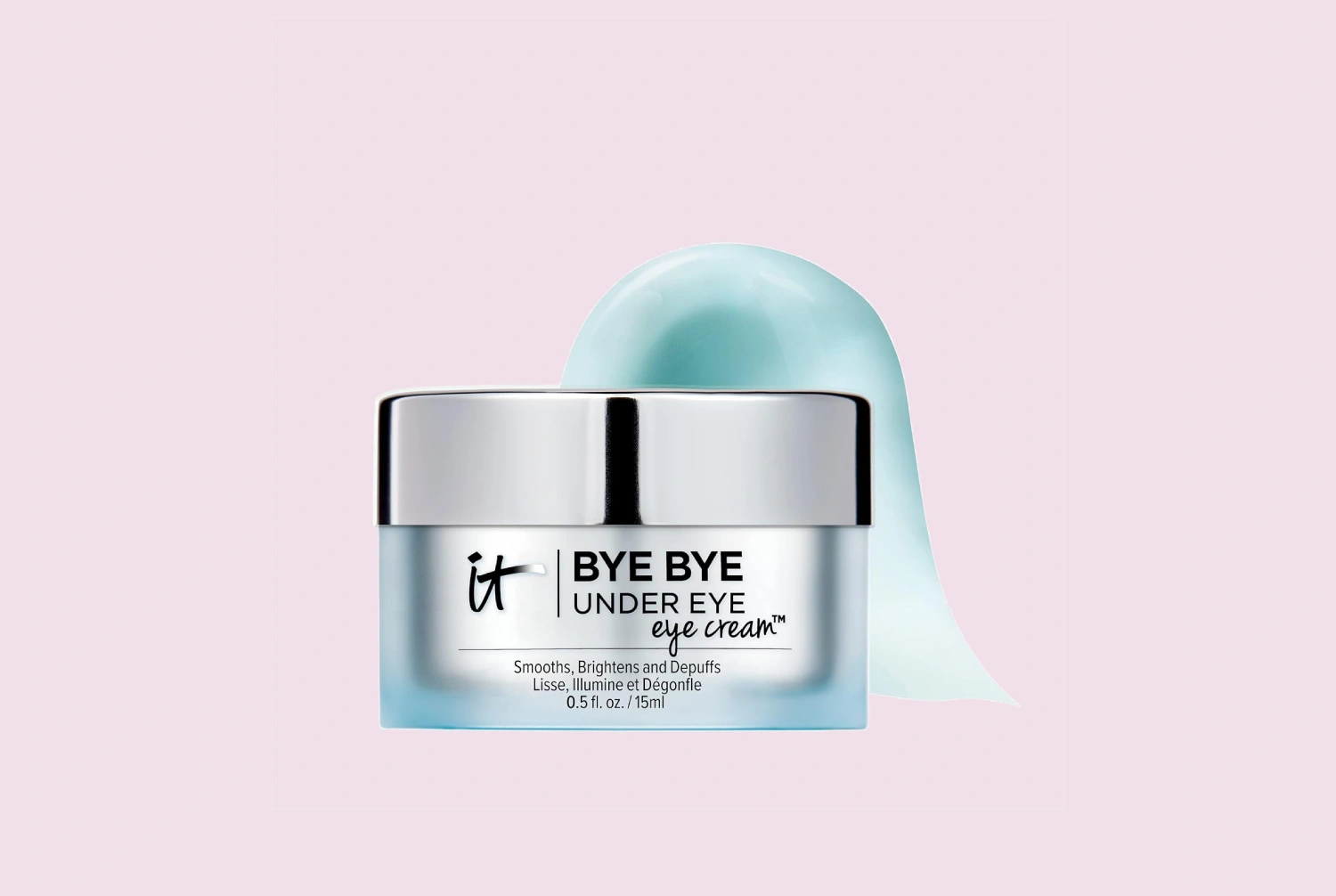
Packaging also matters. A pump or tube can help limit repeated contact with the product, while a jar requires more frequent contact with fingers. Neither format automatically makes a product better, but clean handling can be helpful around the eye area. Check the current packaging for use instructions, warnings, and the complete ingredient list before buying or applying a product.
You can browse the site’s drugstore eye cream category for more ways to compare products by purpose and skin concern. Product details should still be verified with the manufacturer because formulas, packaging, and availability can change.
How to apply eye cream when puffiness is the concern
Use a small amount rather than applying a thick layer. More product does not necessarily mean a stronger result, and excess cream can migrate into the eyes or feel heavy beneath makeup. Apply the product to clean, dry skin according to the label, generally around the orbital area rather than directly along the lash line or inside the eye.
Use your ring finger or another gentle touch to pat the product into place without pulling the skin. Avoid vigorous rubbing, especially when the area is already swollen or sensitive. If the product is designed for morning use, allow it to settle before applying sunscreen or makeup. If you are using a new product, test a small amount on another area of skin first when appropriate, then introduce it cautiously near the eye area.
Some people prefer keeping a suitable eye product in a cool location for a refreshing sensation. Do not freeze the product, and follow storage directions on the packaging. Cooling may feel pleasant, but the sensation should not be painful, excessively cold, or irritating.
Why puffiness may not improve with an eye cream
Not all under-eye fullness has the same appearance or cause. Temporary puffiness after a short night, crying, a salty meal, or seasonal discomfort may look different from stable bags related to facial structure or changes in skin firmness. A topical product has limited influence over factors beneath the skin or over normal anatomical features.
Allergies and irritation can also make the area look swollen. Rubbing the eyes may worsen the appearance, even when the original trigger is minor. If you suspect that a product, makeup item, or environmental exposure is causing irritation, consider stopping the suspected product and keeping the routine simple. Persistent or troublesome symptoms deserve medical guidance rather than repeated product changes.
It is also easy to confuse puffiness with darkness or shadows. A hollow, a change in pigmentation, visible blood vessels, or a shadow from the shape of the eye area may look like a “bag” in certain lighting. A cream aimed at puffiness may not make these concerns look different. Our guide to puffiness and eye bags can help separate these common appearance concerns.
A practical routine for evaluating results
When trying a new drugstore eye cream, change only one product at a time if possible. This makes it easier to notice whether the formula feels comfortable or seems to affect the appearance of the area. Take note of texture, makeup compatibility, dryness, stinging, and whether the eye area looks more or less puffy under similar lighting.
Keep expectations modest. A useful product may make the area look a little smoother or more refreshed, but subtle changes can be difficult to judge from day to day. Avoid relying on dramatic before-and-after images, since lighting, facial expression, camera angle, and makeup can alter the appearance of under-eye skin. A product that works well for one person may not produce the same visible effect for another.
If a formula causes discomfort, stop using it. Do not apply skincare inside the eye, over broken skin, or to an area that is actively irritated unless a healthcare professional has advised you to do so. For additional routine-planning help, the site’s under-eye routine builder can help organize product choices around your main concern and skin type.
What to expect from a drugstore option
Drugstore pricing does not by itself determine whether an eye cream will be useful. The important questions are whether the formula suits your skin, whether the texture encourages consistent use, and whether its claims match your expectations. A basic moisturizer may be enough for dryness, while someone focused on a temporarily less puffy morning appearance may prefer a lightweight caffeine-containing formula.
Neither option should be expected to permanently erase under-eye bags or treat a medical condition. Look for clear directions, a current ingredient list, and packaging that allows hygienic application. Use the product consistently as directed, evaluate the result realistically, and remember that lifestyle factors and the natural structure of the eye area may have more influence than any cream.
In short, a drugstore eye cream can be a reasonable, affordable part of an under-eye routine when the goal is a temporary improvement in the look of puffiness. Choose based on your skin’s needs, introduce potentially irritating products carefully, and treat any visible change as cosmetic rather than medical.

Comments
0No comments yet. Be the first to share a helpful note or question.
Leave a Comment
Your email address will not be published. Comments are reviewed before appearing on the site.