
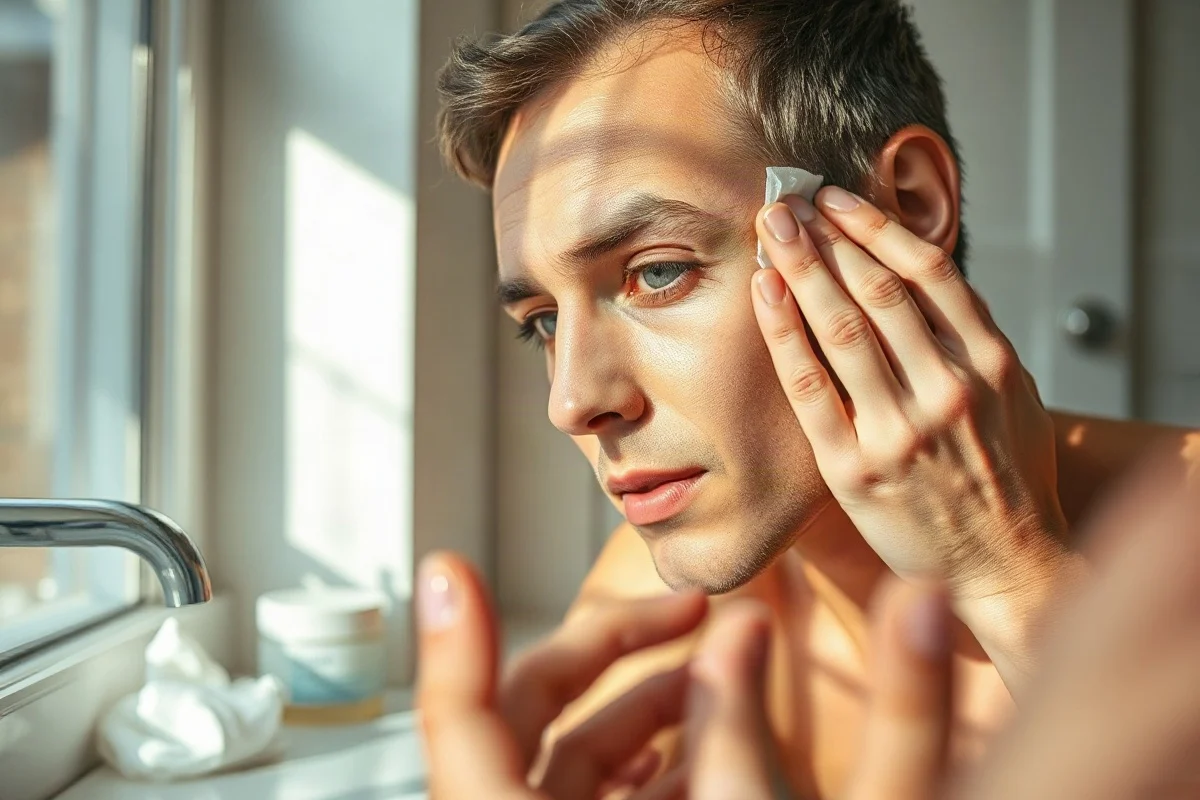
Yes, allergies can make dark circles under the eyes look more noticeable. Seasonal or year-round allergies may contribute to a shadowed, bluish, purple, or brown appearance through nasal congestion, under-eye swelling, watery eyes, and frequent rubbing. This effect is sometimes called allergic shiners, but dark-looking under-eyes can also have other causes, including genetics, visible blood vessels, sun exposure, dehydration, skin dryness, hollowness, and normal changes with age.
Allergy-related dark circles are usually an appearance concern rather than a diagnosis. An eye cream may support the look and feel of the skin, but it does not address the underlying allergy. If allergy symptoms are persistent, severe, or affecting your breathing or vision, seek guidance from a qualified health professional rather than relying on cosmetic skincare.
How allergies may contribute to darker-looking under-eyes
Allergic reactions can affect the area around the eyes in several connected ways. When the body responds to an allergen such as pollen, dust mites, pet dander, or another trigger, the nose and surrounding tissues may become inflamed. That inflammation can cause congestion and slow the normal flow of blood away from the small vessels beneath the eyes.
The skin under the eyes is relatively thin, so changes in the blood vessels may be easier to see there than on other parts of the face. Congestion can create a dusky or bluish appearance, while swelling can cast a shadow that makes the area look darker. These effects may be more visible in certain lighting or when the skin is naturally translucent.
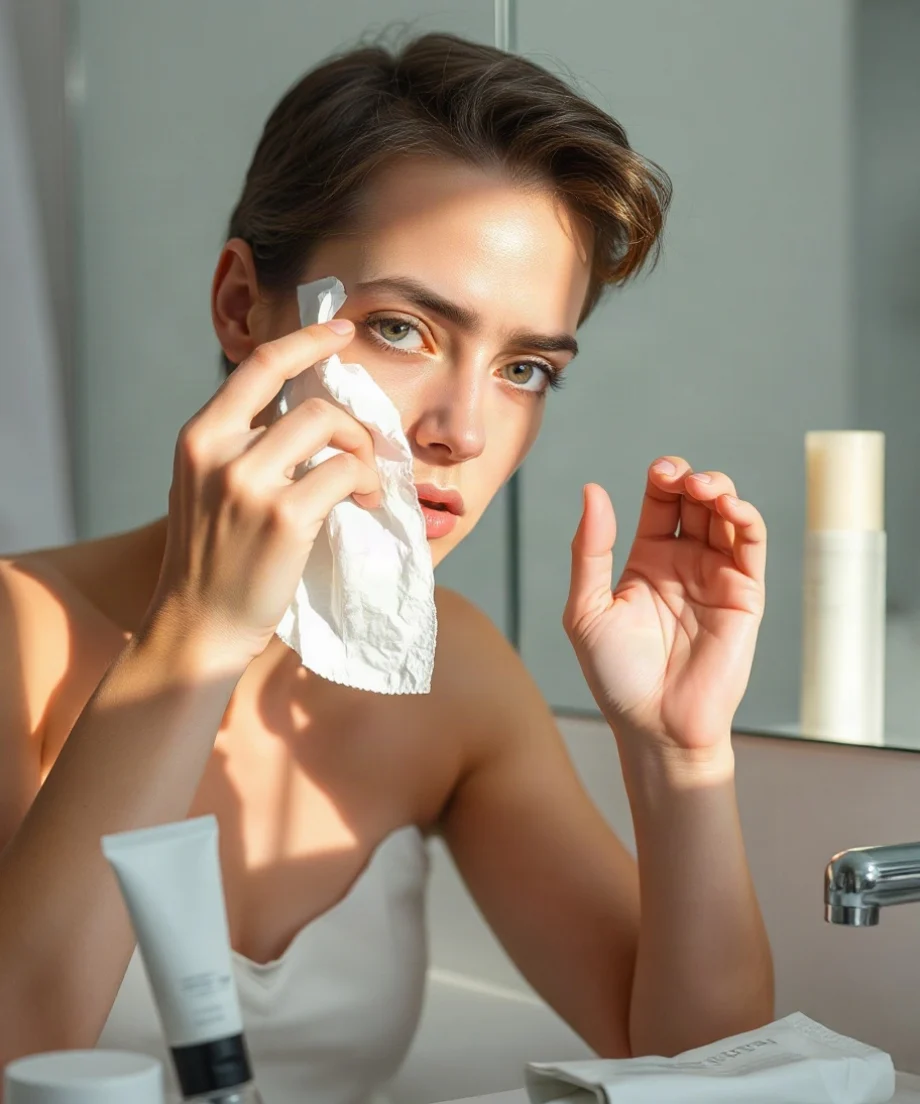
Allergies can also lead to watery, itchy, or irritated eyes. Rubbing the area may temporarily relieve discomfort, but repeated rubbing can worsen redness and irritation. It may also make the skin look rougher, drier, or more uneven in tone. Over time, ongoing irritation can make existing discoloration appear more prominent.
What allergy-related dark circles may look like
There is no single appearance that confirms allergies are involved. Still, allergy-related changes may occur alongside symptoms such as:
- Itchy or watery eyes
- A stuffy or runny nose
- Sneezing
- Under-eye puffiness
- Congestion or facial pressure
- Frequent eye rubbing
- Redness or irritation around the eyes
The color may look blue, purple, gray, brown, or simply more shadowed than usual. Skin tone, lighting, swelling, and the depth of the under-eye area all affect how discoloration appears. If the color remains even when allergy symptoms are quiet, allergies may be only one factor—or not the main factor.
Allergies versus other common causes of dark circles
Dark circles are often multifactorial. Allergies may make them more noticeable without being the original reason they developed. Genetics can influence skin thickness, pigmentation, and the shape of the hollow beneath the eye. As the face changes over time, natural volume loss or shadows may also create a darker-looking area even when the skin itself has not become more pigmented.
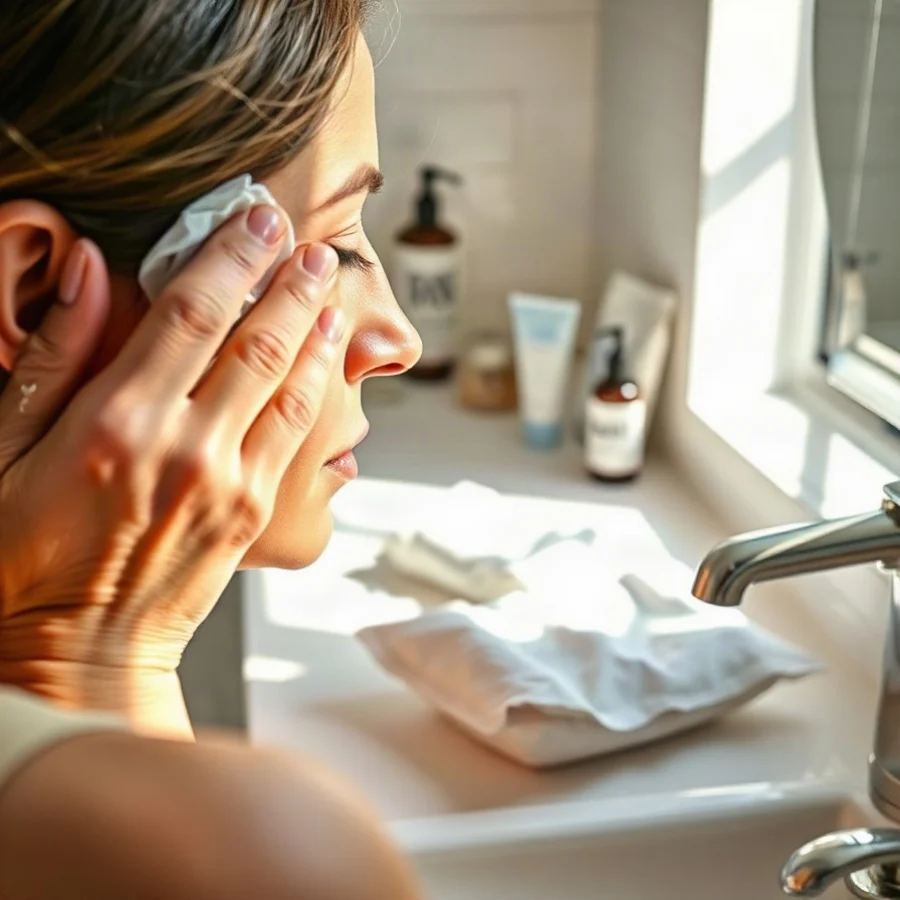
Sun exposure may contribute to visible pigmentation, while dryness can make the under-eye surface look dull or creased. Poor sleep does not explain every case, but fatigue can make the skin appear less bright and can accentuate shadows. Irritation from fragranced products, makeup, cleansing, or rubbing may also affect the appearance.
For a broader overview of possible contributors, see our guide to dark circles under the eyes. It can be useful to consider whether the concern looks more like pigmentation, visible vessels, a shadow from puffiness or hollowness, or a combination.
Can treating allergies make dark circles look better?
If allergies are contributing to congestion, swelling, watery eyes, or rubbing, managing those symptoms may make the under-eye area look less dark or puffy. However, the degree of visible change varies. Cosmetic improvement is not guaranteed, and reducing allergy symptoms may not change genetic pigmentation, structural shadows, or long-standing discoloration.
Appropriate allergy care depends on the trigger and your health history. A healthcare professional or pharmacist can help you understand suitable options for your symptoms. Avoid putting products near the eyes unless they are specifically labeled for that area, and do not use a skincare product as a substitute for medical care.
Skincare choices that may support the appearance
When allergies are active, a simple routine is often easier for the delicate eye area to tolerate. Focus on gentle cleansing, comfortable hydration, and daily sun protection that does not sting. Applying products with clean hands and avoiding vigorous rubbing can help minimize mechanical irritation.
Moisturizing ingredients
Ingredients such as glycerin, hyaluronic acid, ceramides, and squalane may help support a dry or uncomfortable skin barrier, depending on the formula and your individual tolerance. Hydration will not remove allergy-related discoloration, but smoother, better-hydrated skin can make fine texture and dullness look less pronounced.
Caffeine and temporary depuffing support
Caffeine is commonly used in eye products intended for the look of puffiness. A cool gel or chilled compress may also temporarily make the area feel more comfortable and look less swollen. These effects are generally cosmetic and temporary. They should not be presented as treatment for an allergic reaction or as a permanent solution for dark circles. You can learn more in our guide to caffeine eye cream.
Brightening ingredients
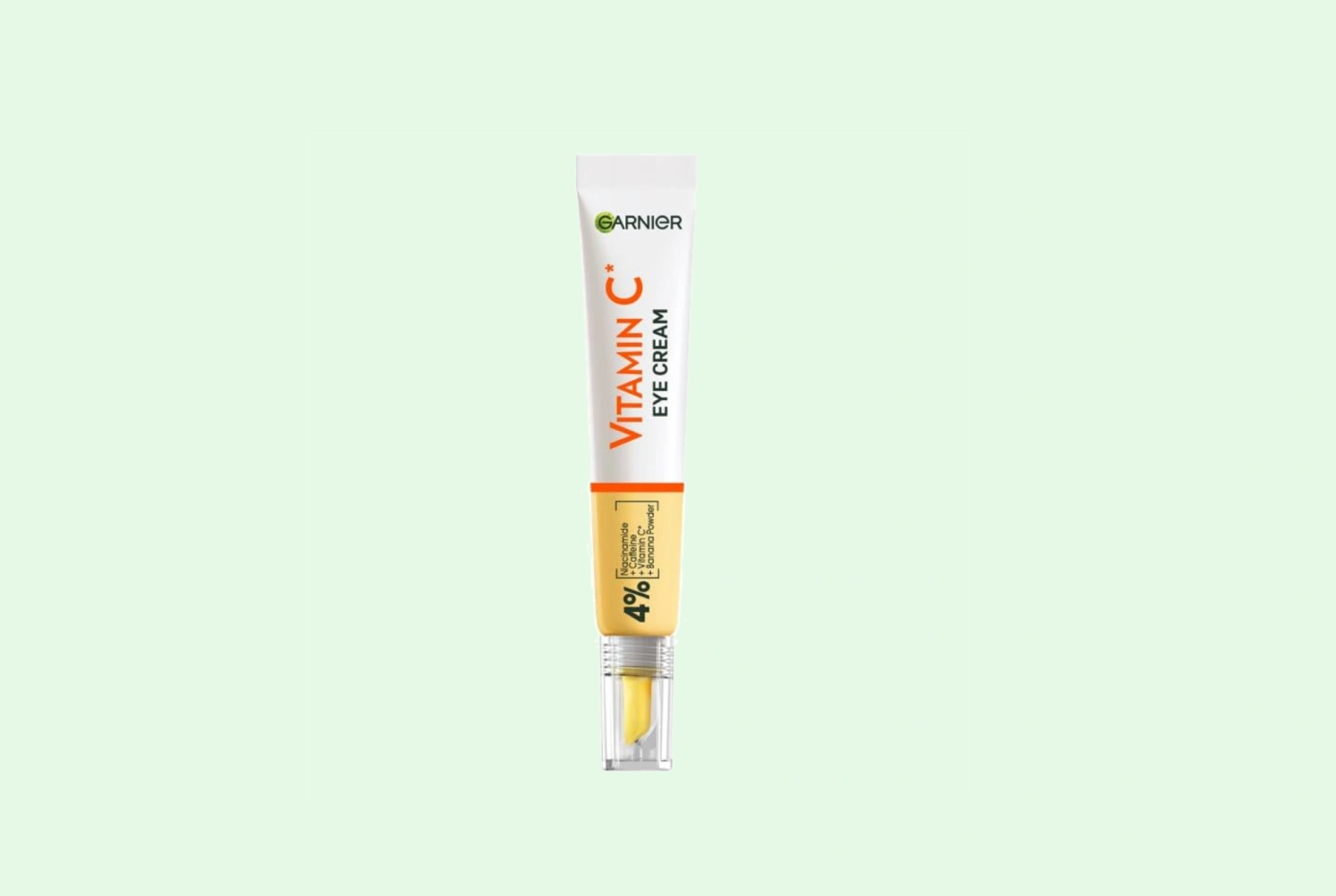
Some eye products use ingredients such as vitamin C derivatives, niacinamide, licorice-related extracts, or other brightening agents to improve the appearance of uneven tone over time. Results depend on the cause of the discoloration, the formula, consistency of use, and individual skin response. A brightening product cannot correct a shadow caused by anatomy or remove visible vessels.
The skin around the eyes can be sensitive, especially during an allergy flare. Follow the product label, introduce one new product at a time, and consider a patch test when appropriate. Keep products out of the eyes. Stop using a product if it causes burning, worsening redness, swelling, rash, or persistent discomfort.
Should you use retinol or exfoliating acids during an allergy flare?
Strong or potentially irritating actives may be harder to tolerate when the eye area is already itchy, watery, dry, or inflamed. Retinoids, exfoliating acids, fragranced formulas, and some essential oils can cause irritation in some people. That does not mean every person must avoid them, but it does mean extra caution is reasonable.
Consider simplifying your routine while symptoms are active and follow the label instructions for any treatment product. Do not apply facial products directly to the eyelids or close to the lash line unless the packaging specifically indicates that use. If irritation develops, stop the product and allow the area to settle before considering whether it belongs in your routine.
How to apply eye products without increasing irritation
- Wash your hands before touching the eye area.
- Use a small amount rather than applying a thick layer.
- Gently pat the product onto the orbital area instead of rubbing.
- Avoid applying skincare to broken, raw, or actively irritated skin.
- Keep products away from the eye itself and follow the label directions.
- Use a separate, clean applicator if the packaging provides one.
If you are unsure which ingredients are appropriate for your skin, our under-eye routine builder can help organize choices around common concerns such as dryness, puffiness, and sensitivity. Product formulas can change, so check the current packaging and the manufacturer’s ingredient list before buying or using a specific product.
When to get medical guidance
Cosmetic dark circles are common, but new or unusual changes deserve attention when they occur with other symptoms. Seek medical guidance for significant eye pain, vision changes, marked swelling, discharge, breathing difficulty, facial swelling, or symptoms that are severe or persistent. One-sided changes, especially when they are new or worsening, also warrant professional evaluation.
A healthcare professional can help distinguish allergies from other causes of congestion, irritation, or swelling. This article cannot diagnose the reason for dark circles, and an eye cream cannot replace evaluation or treatment for an underlying medical concern.
What to expect realistically
If allergies are making your under-eyes look darker, reducing congestion and avoiding rubbing may improve the appearance of puffiness and temporary discoloration. A gentle moisturizer may make dry texture look smoother, and a suitable cosmetic product may provide short-term brightening or coverage. These changes are usually supportive rather than permanent.
Long-standing dark circles may continue even after allergy symptoms improve because several factors can overlap. Managing expectations can help you choose products based on your actual concern: hydration for dryness, a cooling product for temporary puffiness, cosmetic coverage for immediate tone correction, or a carefully selected brightening formula for the appearance of uneven pigmentation. Keep the routine gentle, verify current product information, and prioritize professional care when symptoms go beyond a cosmetic concern.

Comments
0No comments yet. Be the first to share a helpful note or question.
Leave a Comment
Your email address will not be published. Comments are reviewed before appearing on the site.