
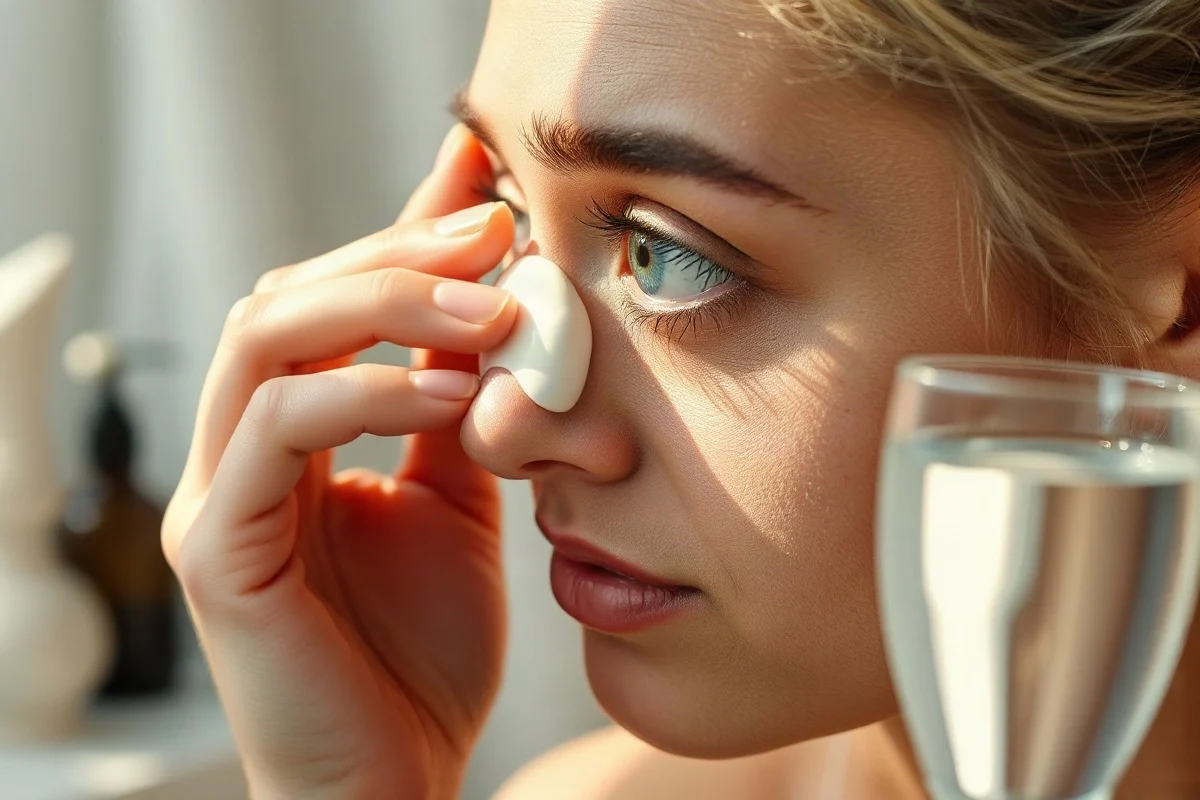
Yes, dehydration can make under-eye bags look more noticeable, but it usually does not create permanent bags on its own. When your body is low on fluids, the thin skin beneath the eyes may appear dull, dry, or less supple. Fine lines can look deeper, and shadows around existing puffiness may become easier to see. Rehydrating and using a comfortable moisturizer may improve the appearance of dryness-related creasing, but these steps are unlikely to remove structural under-eye bags, inherited hollows, or persistent swelling.
Under-eye appearance is influenced by several factors at once, including genetics, skin thickness, sleep, allergies, sun exposure, facial anatomy, and the way light falls across the area. That is why a glass of water may help you look less tired on one day but make little visible difference on another. The most useful approach is to separate temporary changes caused by dryness from longer-lasting features that skincare cannot fully change.
How dehydration can affect the under-eye area
The skin under the eyes is delicate and often shows changes in moisture more readily than thicker areas of the face. When the skin surface becomes dehydrated, it may feel tight or look rougher. Small lines can become more visible because dry skin does not reflect light as evenly. If you already have puffiness, a less smooth skin surface can create additional shadows and make the area appear more creased.
Dehydration may also be associated with a generally tired-looking appearance. This does not mean that every dark circle or eye bag is caused by not drinking enough water. Dark circles can reflect visible blood vessels, brown or gray pigmentation, shadows from hollows, or a combination of these factors. Under-eye bags may result from localized swelling, natural fat pads, skin laxity, or facial structure. Hydration alone cannot address all of those possibilities.
Dryness is not exactly the same as dehydration
These terms are often used interchangeably, but they describe different ideas. Dehydrated skin lacks water at the surface or within the outer layers. Dry skin usually refers to a skin type or condition associated with lower oil production. A person with oily or combination skin can still experience dehydrated under-eye skin, while someone with dry skin may also have a separate issue such as irritation or sensitivity.
Under-eye products can temporarily improve the look of surface dryness by adding water-binding ingredients and reducing moisture loss. This is a cosmetic effect, not a treatment for an underlying medical condition. If the area is persistently swollen, painful, itchy, red, or associated with other symptoms, skincare may not be the right solution.
What hydration can realistically improve
Improving fluid intake when you are thirsty or have not been drinking normally may support your general well-being and can help reduce a dehydrated appearance. However, more water is not automatically better, and drinking excessive amounts quickly is not a safe skincare strategy. Let thirst, normal meals, and general health guidance shape your fluid intake rather than treating water as a guaranteed remedy for eye bags.
Topical hydration can make the surface look smoother and more comfortable. Ingredients commonly used for this purpose include humectants such as glycerin, hyaluronic acid, and panthenol. These ingredients help attract or hold water in the outer layers of skin. Emollients can soften the surface, while occlusive ingredients can help slow moisture loss. A simple, well-tolerated formula may be more useful than a crowded product containing many potentially irritating actives.
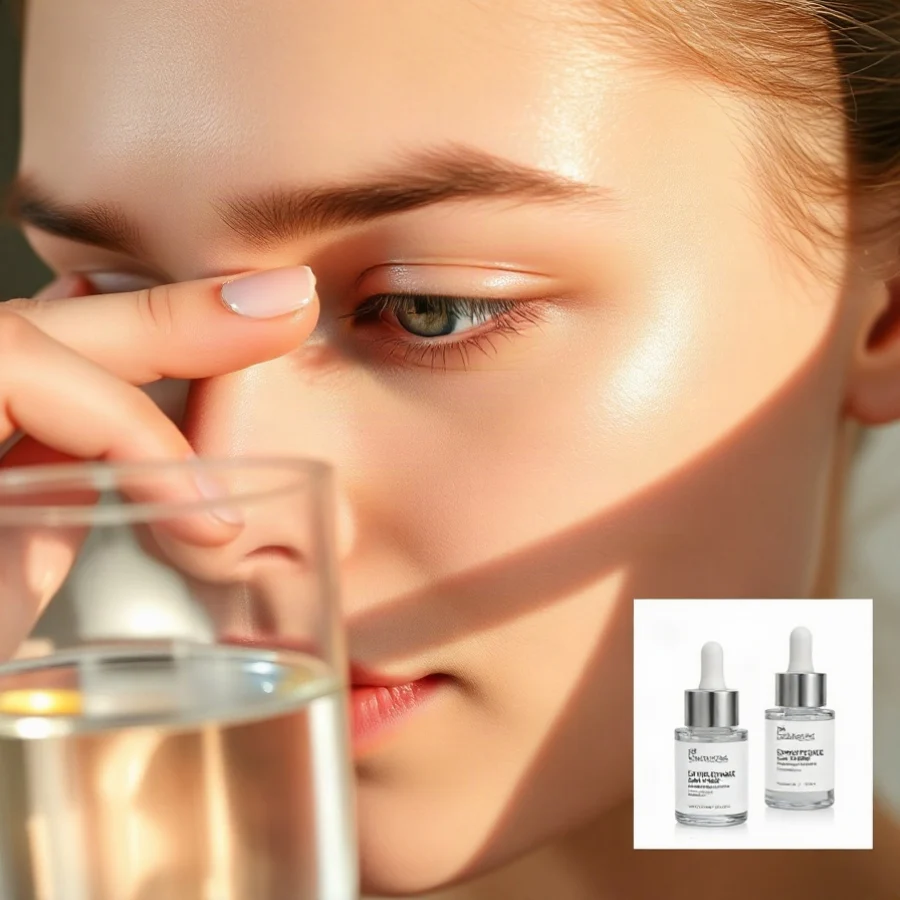
Moisture can temporarily soften the look of fine lines and reduce the emphasis created by flaky or tight skin. It cannot permanently remove wrinkles, change the position of facial fat, or erase a hollow under the eye. Any smoothing effect should be viewed as a cosmetic improvement that may vary from day to day.
Why under-eye bags may look worse when you are dehydrated
More visible creasing
Dry, less flexible skin tends to show movement and texture more clearly. As you smile or squint, fine lines may catch light and appear deeper. A hydrating eye product may make these lines look less pronounced by improving the feel and surface appearance of the skin, but the effect is not the same as changing the underlying wrinkle.
Stronger shadows
Under-eye bags and hollows are highly affected by lighting. A slightly rough or dull surface may create uneven reflections, while swelling can cast a shadow below the lower eyelid. Together, these effects can make the area look darker or more prominent, even if the underlying anatomy has not changed.
A tired-looking overall appearance
Dehydration can occur alongside long periods of travel, heat exposure, exercise, alcohol consumption, illness, or insufficient fluid intake. These circumstances may also overlap with poor sleep or eye rubbing, both of which can affect the look of puffiness. It is therefore easy to credit water alone when several temporary factors are changing at the same time.
Skincare ingredients to consider
For surface dryness, look for a moisturizer or eye cream with a short list of familiar hydrating and barrier-supportive ingredients. Glycerin, hyaluronic acid, beta-glucan, and panthenol are examples of ingredients often included in hydrating formulas. Ceramides, squalane, and certain plant-derived oils may help support a comfortable skin barrier, depending on the rest of the formula and your personal tolerance.
Caffeine is sometimes included in products designed for the appearance of puffiness. It may temporarily make the area look more refreshed for some people, but it should not be treated as a dependable solution for every type of under-eye bag. You can learn more about the ingredient category in our guide to caffeine eye cream.
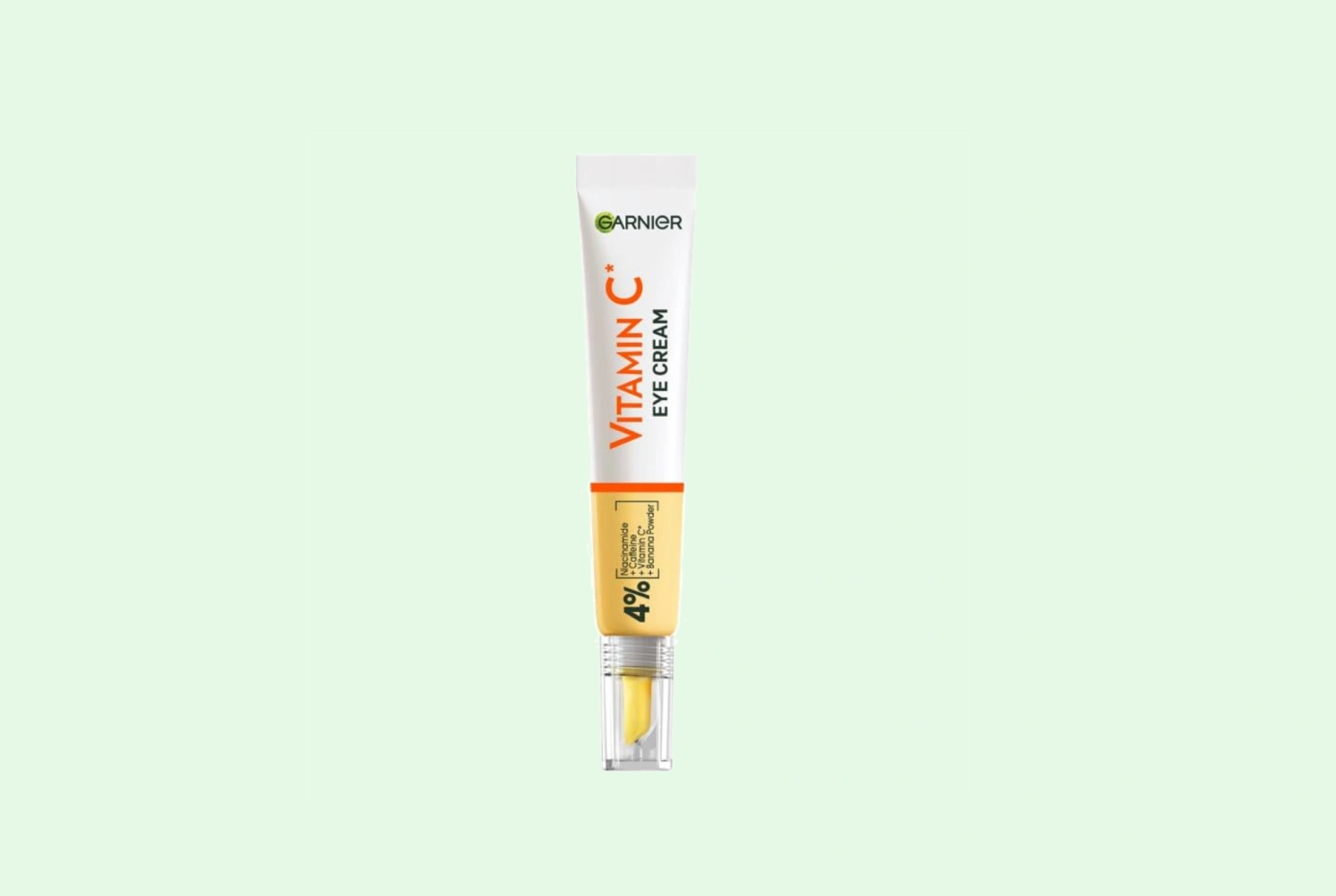
Retinoids, vitamin C, exfoliating acids, and fragrance can be useful or unsuitable depending on the formula and your skin. These ingredients are not necessary simply because the under-eye area looks dehydrated. The skin around the eyes can be particularly reactive, so follow the product label, avoid getting products into the eyes, and introduce potentially irritating actives cautiously. Patch testing may help identify sensitivity, although it cannot predict every reaction. Stop using a product if it causes burning, persistent redness, swelling, or worsening discomfort.
Because formulas can change, check the current packaging and the manufacturer's ingredient list when a specific ingredient matters to you. Product names and marketing descriptions are not a substitute for reviewing the latest label.
A practical routine for dehydration-related under-eye dryness
1. Keep cleansing gentle
Use a mild cleanser and lukewarm water, especially if the under-eye area feels tight after washing. Avoid scrubbing, rubbing with cotton pads, or repeatedly removing makeup with friction. If you wear eye makeup, use a remover that loosens it without requiring vigorous rubbing.
2. Apply moisturizer to slightly damp skin
After cleansing, apply a small amount of a fragrance-free moisturizer or eye product while the skin is still slightly damp. Use your ring finger or another light touch, and spread the product along the orbital area rather than placing it directly against the lash line. A thin layer is usually enough; applying more does not guarantee better hydration and may increase the chance of migration into the eyes.
3. Protect the area from the sun
Daily sun protection can help limit additional visible changes related to sun exposure, including uneven tone and loss of skin resilience. Use a sunscreen that is labeled for the face and comfortable around your eyes, and add sunglasses or a hat when appropriate. If sunscreen stings, look for a different formula rather than forcing yourself to continue with an irritating product.
4. Address temporary puffiness gently
If the area looks puffy after waking, a cool compress may provide a short-term soothing effect. Keep the compress cool rather than painfully cold, and avoid pressing hard on the skin. Sleeping with your head slightly elevated may feel helpful for some people, but it is not a guaranteed way to change persistent bags.
When hydration is unlikely to make a major difference
If your under-eye bags have been present for years, appear consistently regardless of fluid intake, or are mainly caused by a pronounced bulge or hollow, hydration is unlikely to produce a dramatic change. Similarly, pigmentation or visible veins will not generally disappear because the skin is better moisturized. A hydrating product may improve texture and comfort while leaving the main source of darkness or puffiness largely unchanged.
Managing expectations can make product comparisons more useful. Instead of asking whether an eye cream removes bags, consider whether it has a texture you can tolerate, whether it reduces the look of dryness, whether it layers well with sunscreen and makeup, and whether the ingredients suit your skin. Our under-eye routine builder can help organize choices around concerns such as puffiness, dryness, and sensitivity.
When to seek medical advice
This article addresses cosmetic appearance, not diagnosis or treatment. Consider contacting a qualified healthcare professional if swelling is sudden, severe, painful, one-sided, associated with vision changes, or accompanied by significant redness or discharge. Ongoing itching or irritation may also deserve medical evaluation, particularly if you suspect allergies or a skin condition. Do not use eye cream to delay care for symptoms that feel unusual or concerning.
For ordinary day-to-day changes, dehydration can be one small factor that makes under-eye bags stand out. Restoring normal fluid intake, using a gentle moisturizer, reducing friction, and protecting the area from the sun may help the skin look smoother and less dry. The likely benefit is modest and cosmetic: hydration can improve the appearance of the skin surface, but it does not reliably change the anatomy, pigmentation, or persistent swelling behind many under-eye concerns.

Comments
0No comments yet. Be the first to share a helpful note or question.
Leave a Comment
Your email address will not be published. Comments are reviewed before appearing on the site.