
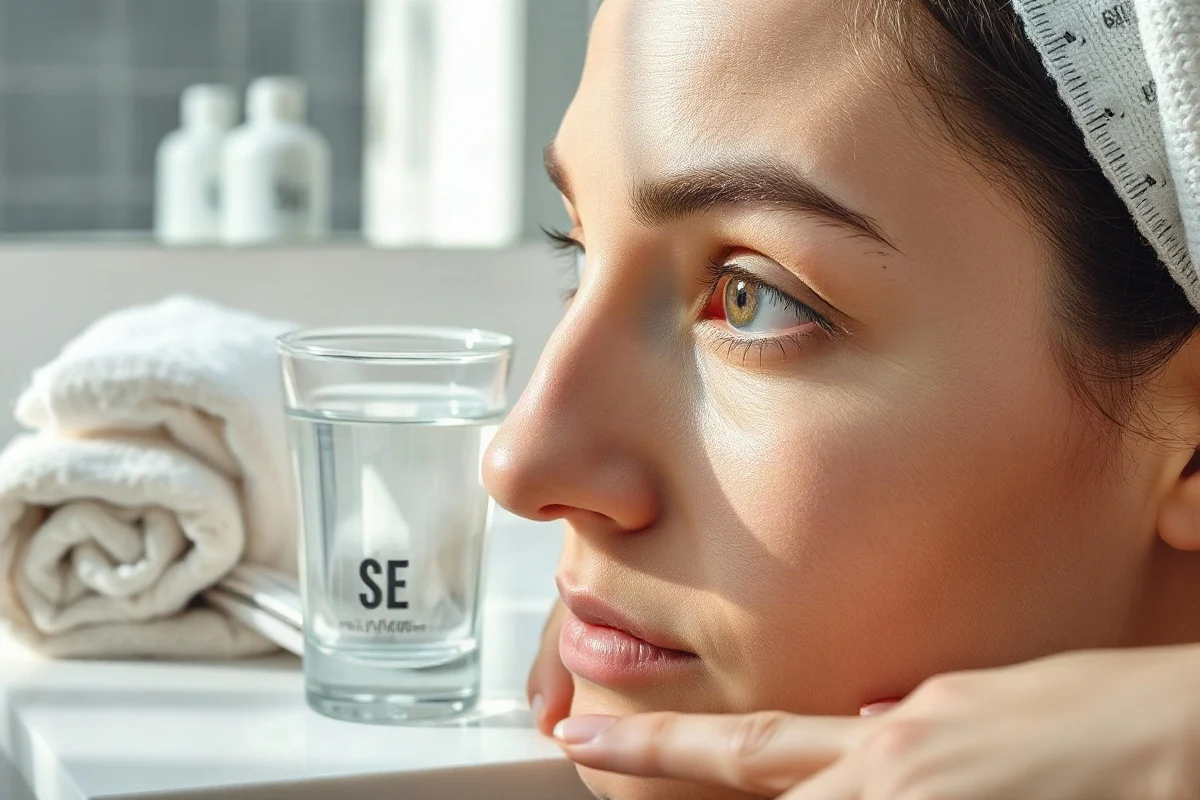
Yes. Dehydration can temporarily make under-eye wrinkles look more noticeable, especially when the thin skin beneath the eyes appears dry, tight, rough, or less plump. This does not necessarily mean that new permanent wrinkles have formed. When the skin has less water at its surface, fine lines can catch light more strongly and become easier to see. Hydrating skincare may soften that dry, crepey appearance, but it cannot erase established wrinkles or replace basic hydration, sleep, sun protection, and gentle skin care.
Why dehydration can emphasize under-eye lines
The under-eye area has relatively thin, delicate skin and fewer oil-producing glands than many other parts of the face. Because of that, it can lose moisture easily and may show changes in texture sooner. Dry air, cold weather, hot showers, over-cleansing, irritating products, and not drinking enough fluids can all contribute to a temporarily dry-looking surface.
When the outer layer of the skin is short on water, it may look less smooth and flexible. Fine lines that were already present can appear deeper, and tiny creases may become more visible when you smile, squint, or move your eyes. Makeup can also settle into these lines, making them stand out during the day.
This is usually an appearance change rather than proof that dehydration has caused permanent structural aging. Once the skin’s surface is better supported with suitable moisture and a protective routine, the area may look smoother. The degree of improvement varies, and persistent wrinkles will not disappear simply because the skin is hydrated.
Dehydrated skin versus dry skin
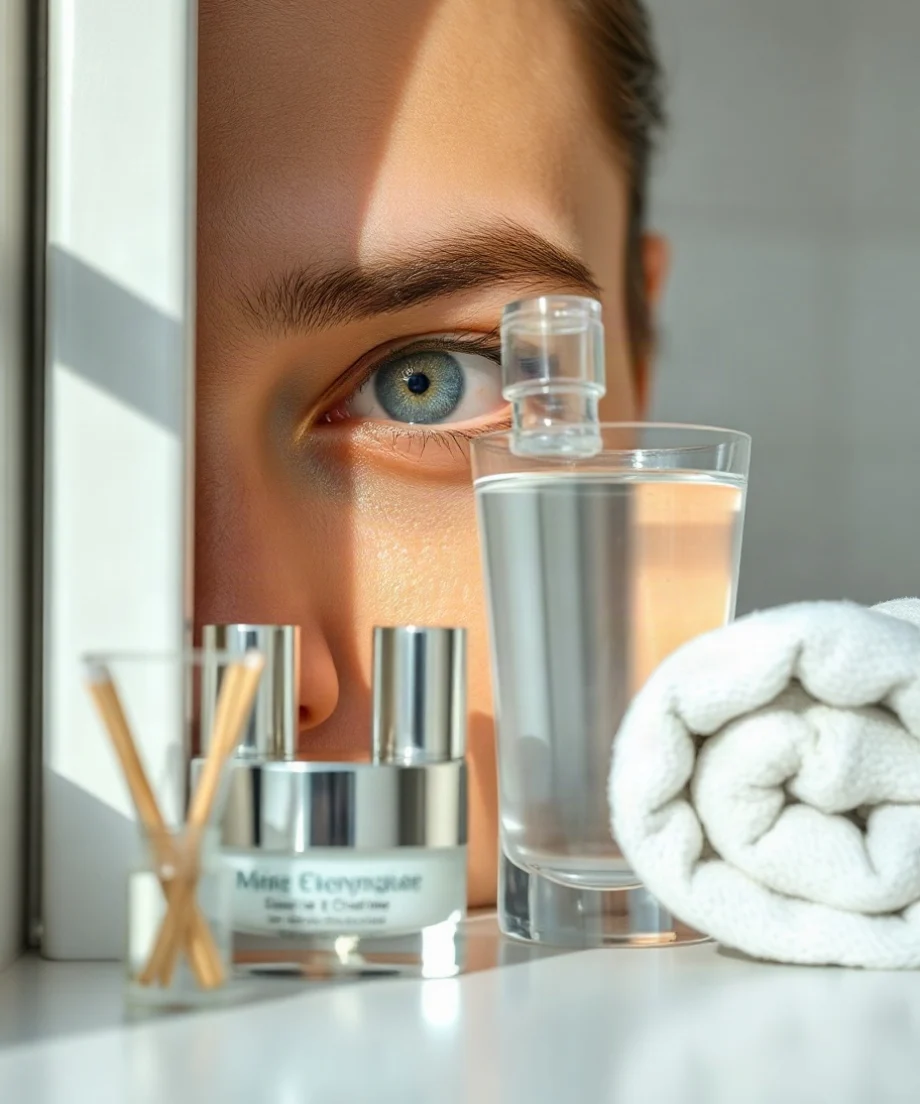
“Dehydrated” and “dry” are often used interchangeably, but they describe different ideas. Dehydrated skin is lacking water. Dry skin generally refers to a skin type or condition that produces less oil. A person with oily or combination skin can still experience dehydration, including around the eyes. Someone with dry skin may have both reduced oil and surface dehydration.
Common signs of temporary under-eye dehydration can include tightness, flaking, rough texture, dullness, and fine lines that look more prominent than usual. These signs are not specific enough to identify a medical condition, however. Persistent redness, swelling, burning, scaling, pain, or significant itching may have other causes and should not be self-diagnosed through skincare alone.
Which skincare ingredients may help the appearance?
Moisturizing ingredients can improve the look and feel of a dry surface by attracting water, reducing water loss, or making the skin feel softer. Product formulas differ, so check the current packaging or manufacturer ingredient list before buying or using a specific eye product.
Humectants
Humectants help attract and hold water near the skin’s surface. Common examples include glycerin, hyaluronic acid, panthenol, and certain forms of sugar-based ingredients. They can be useful when the under-eye area feels tight or looks temporarily crepey.
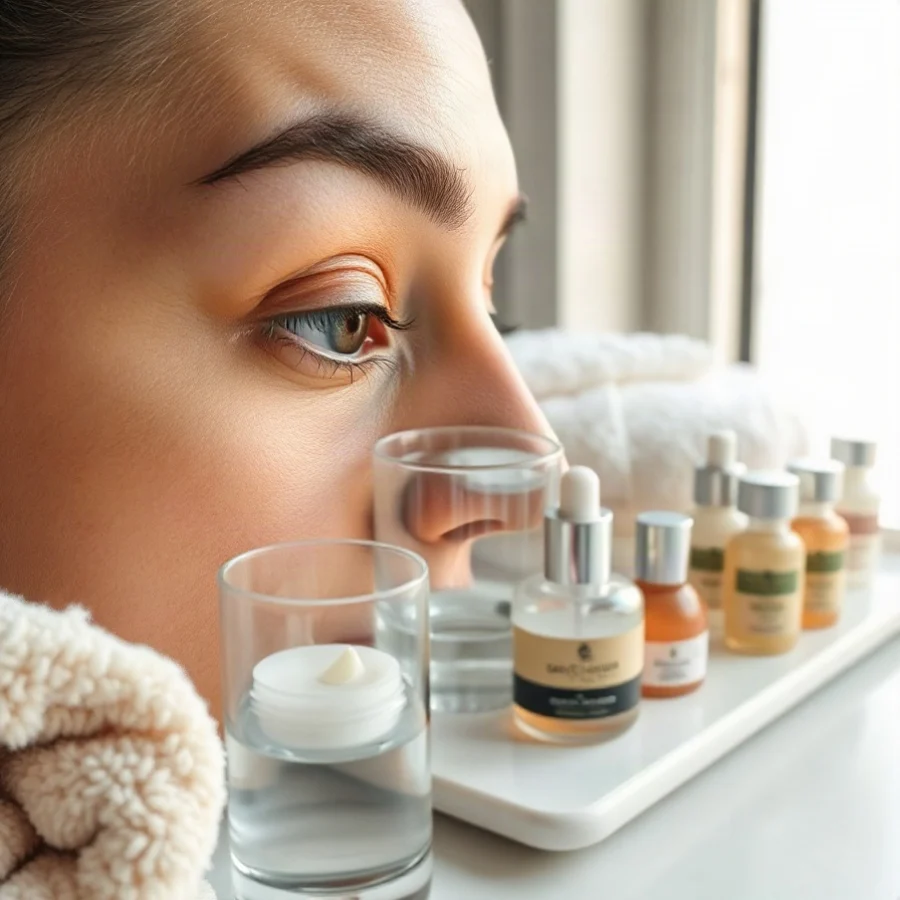
Humectants are not a guarantee of a smoother appearance, and more is not always better. A well-formulated product may combine them with emollients or occlusive ingredients to help support the skin barrier. Applying a product as directed and avoiding excessive layering can be more comfortable than using many products at once.
Emollients
Emollients help soften and smooth the skin’s surface. They may include ingredients such as fatty alcohols, esters, plant oils, or other skin-conditioning substances. Around the eyes, a lightweight emollient formula can make dry texture appear less pronounced without necessarily feeling heavy.
Occlusive ingredients
Occlusives help slow water loss by forming a protective layer over the skin. Petrolatum, dimethicone, and some balms are examples. These ingredients can be helpful when the eye area feels especially dry, although some people may prefer to avoid richer textures if they feel uncomfortable or cause makeup to move.
For a broader overview of these categories, see our eye cream ingredient guide. It is still important to follow the product label because ingredients, textures, and directions can vary between formulas.
How to adjust your routine when lines look worse
A simpler routine is often a sensible first step when under-eye lines suddenly look more noticeable. Start with a gentle cleanser or rinse that does not leave the surrounding skin feeling tight. Avoid rubbing the area with towels, cotton pads, or makeup-removal tools. The skin around the eyes can become irritated through repeated friction, even when the product itself is mild.
After cleansing, apply a small amount of a fragrance-free moisturizer or eye product to the orbital area, staying within the product’s recommended application zone. Using too much can increase the chance of migration into the eyes and may make the area feel greasy. Patting the product on with a clean fingertip is generally gentler than pulling or massaging the skin firmly.
If the air in your home is very dry, environmental changes may also help comfort. Avoid directing strong heat or air conditioning toward the face, and consider whether long, hot showers are leaving the skin tight. Drinking fluids regularly supports overall hydration, but simply consuming more water should not be presented as a guaranteed way to remove wrinkles.
Our under-eye routine builder can help organize product choices by skin concerns and routine preferences without treating cosmetic changes as a medical condition.
What about retinol, vitamin C, and exfoliating acids?
Some people use retinoids, vitamin C products, or exfoliating acids to address the appearance of fine lines, uneven tone, or rough texture. These ingredients may be relevant to a broader skincare plan, but they do not solve immediate dehydration, and they can sometimes make the eye area feel drier or irritated.
Retinol and related ingredients can be particularly challenging for sensitive skin. If you choose a product containing a potentially irritating active, follow its label carefully, introduce it gradually if the directions allow, and avoid placing it too close to the eye unless the product is specifically intended for that area. Do not combine multiple strong actives around the eyes without a clear reason. Stop using a product if it causes burning, persistent redness, swelling, or worsening discomfort.
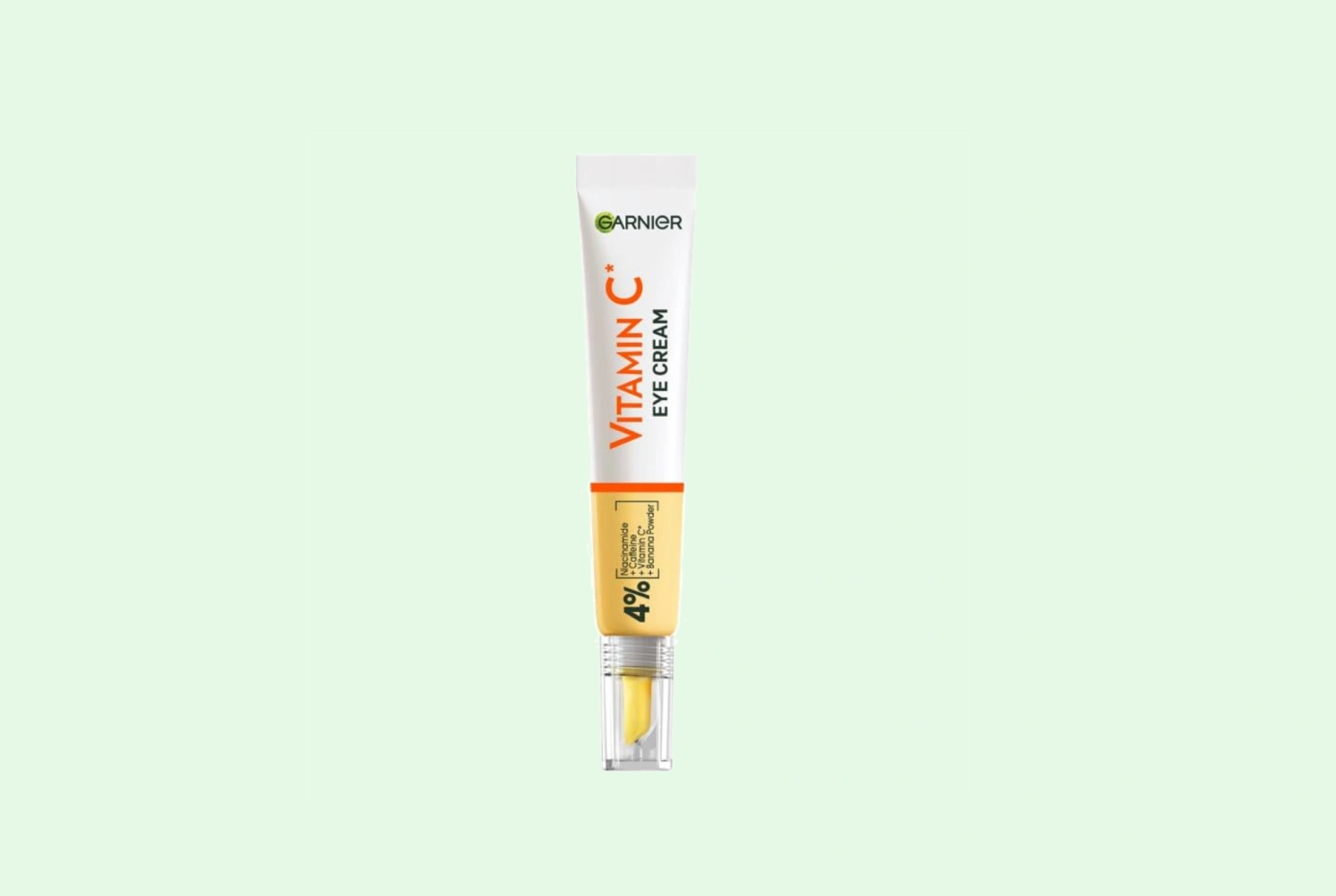
Vitamin C products and exfoliating acids also vary widely in strength, formulation, and tolerability. Product details can change over time, so verify the current label and manufacturer information. A product marketed for the face is not automatically appropriate for the delicate eye area.
Sun protection still matters
Daily sun protection can help limit the visible effects of ongoing ultraviolet exposure, including changes in tone and texture. It will not reverse existing wrinkles, but it can be an important part of maintaining the appearance of the skin over time. Choose a sunscreen that is labeled for the face and apply it according to the directions, taking care to avoid direct contact with the eyes.
Sunglasses and a hat can add physical protection and may reduce squinting in bright conditions. If sunscreen stings or causes watering, look for a formula you can comfortably use around the eye area rather than forcing yourself to continue with an irritating product.
How to tell if dehydration is only part of the picture
If the lines look more visible only after cleansing, during cold weather, or when the skin feels tight and flaky, surface dehydration may be contributing. If the appearance remains unchanged despite consistent gentle moisturizing, other factors may be involved. Natural facial movement, genetics, sun exposure, skin texture, and gradual age-related changes can all influence how under-eye lines look.
Darkness beneath the eyes can also have several cosmetic contributors, including shadows from facial contours, visible blood vessels, uneven pigmentation, and thin-looking skin. Dehydration may make the area look duller, but it is not a universal explanation for dark circles. For more context, explore our guide to dark circles.
Puffiness is a separate appearance concern as well. Temporary swelling can make nearby lines look different, but a hydrating product is not a treatment for an underlying medical cause. You can learn more about cosmetic approaches in our section on puffiness and eye bags.
When to ask a healthcare professional
Skincare guidance is appropriate for ordinary dryness and cosmetic texture concerns, but it cannot diagnose the reason for persistent changes around the eyes. Seek medical advice for sudden or one-sided swelling, pain, vision changes, discharge, significant redness, a rash that does not settle, or symptoms that continue despite stopping irritating products. These signs may require professional evaluation rather than a new eye cream.
What to expect from hydration
Hydrating products can make the under-eye area feel more comfortable and may temporarily make fine lines look less emphasized when dryness is contributing to their appearance. The effect is usually cosmetic and depends on the formula, your skin, the environment, and how consistently you use it. It is not the same as removing wrinkles.
A practical approach is to keep the routine gentle, choose a suitable moisturizer, protect the area from sun exposure, and introduce active ingredients cautiously. If a product causes irritation, stop using it and reassess the routine. Hydration can improve the look of a dry surface, but realistic expectations are essential: established under-eye wrinkles may remain visible even when the skin feels softer and more comfortable.

Comments
0No comments yet. Be the first to share a helpful note or question.
Leave a Comment
Your email address will not be published. Comments are reviewed before appearing on the site.