
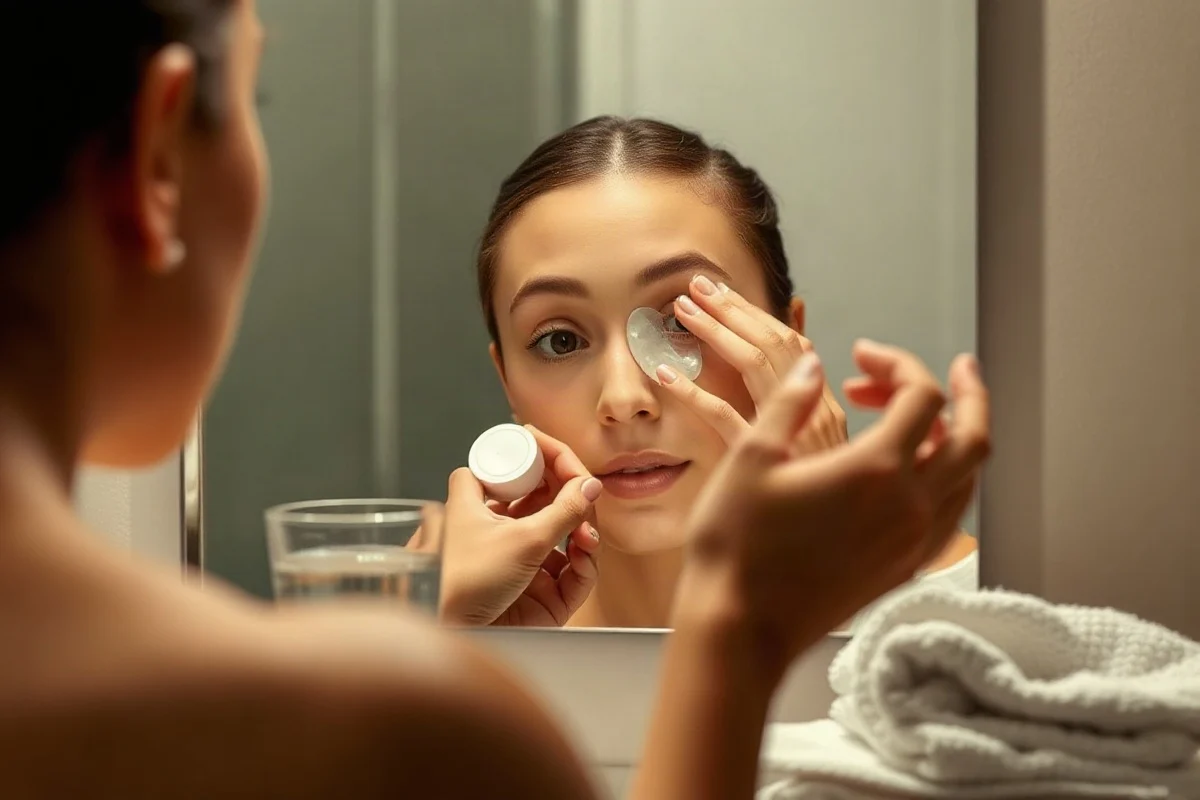
Yes, hyaluronic acid can help dry skin around the eyes look and feel more comfortable by attracting and holding water near the skin’s surface. It may temporarily soften a tight, rough, or crepey appearance, especially when applied to slightly damp skin and followed with a moisturizer. However, it is not a cure for an underlying skin condition, and it will not reliably remove dark circles, puffiness, or established wrinkles. The best results usually come from a simple routine that supports the skin barrier rather than relying on one ingredient.
The skin around the eyes is delicate and can lose moisture easily. Dryness may make fine lines look more noticeable, cause concealer to settle unevenly, or create a flaky texture. Before choosing a product, it helps to separate these cosmetic concerns from symptoms that may need medical attention. Persistent redness, swelling, burning, cracking, oozing, or a rash should not be self-treated indefinitely with eye cream. Consider speaking with a qualified healthcare professional if irritation continues or interferes with daily life.
What hyaluronic acid does for dry under-eye skin
Hyaluronic acid is a humectant, meaning it helps attract water. It is naturally present in the body, including the skin, but the amount and behavior of topical hyaluronic acid depend on the product’s formula and the surrounding environment. In an eye cream, serum, or moisturizer, it can help increase the skin’s surface hydration and temporarily make the area feel less tight.
When the outer layer of the skin has more water, its texture can appear smoother and more flexible. Small lines caused or emphasized by dehydration may look less pronounced for a while. This is a cosmetic effect, not a permanent change to the structure of the skin. Hydration can improve the appearance of dryness, but it does not erase lines or change the natural anatomy that contributes to under-eye shadows.
Hyaluronic acid is also generally considered a non-exfoliating ingredient, which makes it a common choice for people who want hydration without adding a strong resurfacing active. Still, every finished product is different. Preservatives, fragrances, botanical extracts, acids, retinoids, and other ingredients may affect how a formula feels on sensitive skin. Check the current ingredient list rather than assuming that every product labeled with hyaluronic acid will perform or feel the same way.
Why dry skin can make the eye area look more tired
Under-eye dryness can affect appearance in several ways. When the surface feels rough or dehydrated, fine lines may catch light and look deeper. Flaking can create uneven texture, while a weakened moisture barrier may make the area more reactive to makeup, cleansing, wind, or cold weather. Dehydration can also make existing shadows seem more noticeable because the skin reflects light differently.
These changes are not the same as all types of dark circles. Under-eye darkness may be influenced by visible blood vessels, natural pigmentation, shadows from facial contours, thin skin, genetics, or temporary factors such as lack of sleep. Puffiness may have different contributors as well. A hydrating ingredient may improve the surface texture around the eyes, but it should not be presented as a universal solution for discoloration or bags.
If your main concern is darkness rather than dryness, you may find it useful to review the information in our guide to dark circles. If tightness and flaking are the central issues, a routine designed for dry skin may be more relevant than a product focused on brightening.
How to use hyaluronic acid around the eyes
Apply a small amount to slightly damp skin
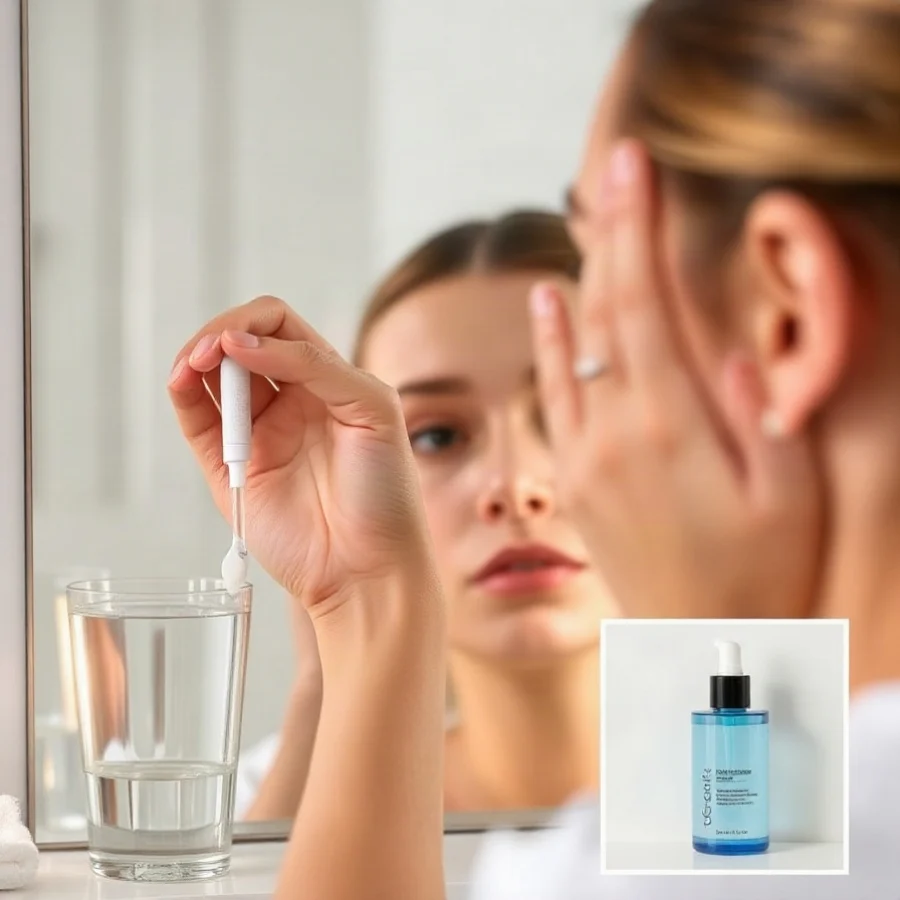
After gentle cleansing, apply a small amount of a hyaluronic acid product to the under-eye area while the skin is slightly damp, if the product instructions allow it. Dampness can give a humectant some nearby water to attract, although it does not guarantee better results for everyone. Avoid placing product directly into the eyes, along the lash line, or on broken skin.
Use your ring finger or another light touch rather than rubbing back and forth. The skin around the eyes does not require aggressive massage to absorb skincare. Spread the product over the orbital area according to the label, and use less than you think you need. A larger amount is not automatically more hydrating and may increase the chance of migration into the eyes or pilling under makeup.
Follow with a moisturizer
A humectant can attract water, but it does not form the same type of protective layer as an emollient or occlusive ingredient. For that reason, hyaluronic acid often works better when followed by a gentle eye moisturizer or face moisturizer that is suitable for the area. This second step can help reduce water loss from the skin’s surface and make the routine feel more comfortable.
Look for a formula that feels moisturizing without stinging and that does not leave you tempted to rub your eyes. Ingredients such as glycerin, ceramides, squalane, and certain plant-derived or synthetic emollients may appear in moisturizing products, but the complete formula matters more than a single highlighted ingredient. People with very reactive skin may prefer a short ingredient list and a fragrance-free option, although “fragrance-free” is not a guarantee that irritation is impossible.
Use sunscreen during the day
Daily broad-spectrum sunscreen on the surrounding face can help protect against ultraviolet exposure that contributes to visible skin aging and uneven tone. Take care to follow the product directions and avoid getting sunscreen in the eyes. Sunglasses and a hat can also reduce direct exposure. Sunscreen will not instantly change existing under-eye darkness, but consistent protection is an important part of a balanced skincare routine.
What to look for when choosing an eye product
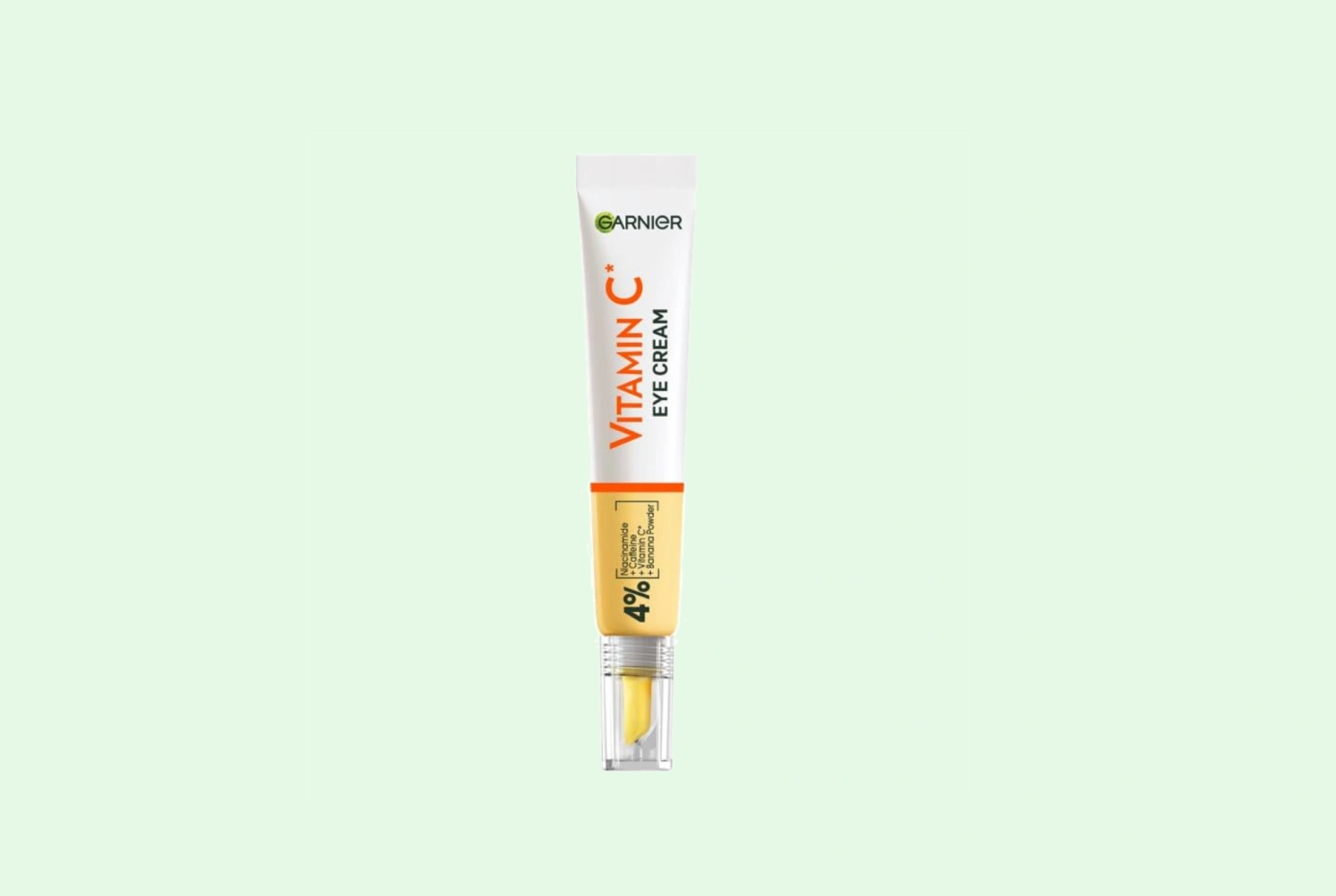
When shopping for a hyaluronic acid product for dry skin around the eyes, focus on more than the front label. First, check whether the product is intended for the eye area and read the directions. A facial serum may be suitable for some people, but not every formula is designed for use close to the eyes. Packaging language and ingredient lists can change, so verify the current information from the product label or manufacturer before purchasing or applying it.
Second, consider the rest of the formula. A product that combines a humectant with moisturizing and barrier-supportive ingredients may be more useful for dryness than a very lightweight water-based product used alone. If you are sensitive to fragrance, essential oils, or certain preservatives, scan the full ingredient list instead of relying only on a product’s marketing description.
Third, consider texture and routine compatibility. A richer cream may be comfortable at night but feel heavy beneath concealer. A gel may layer easily but may not provide enough protection for very dry skin. Neither texture is universally best. The right choice is one you can apply consistently without causing stinging, rubbing, or makeup problems.
Our eye cream ingredient guide can help you compare hydration, brightening, and anti-aging ingredients without treating any single one as a guaranteed answer.
Can hyaluronic acid worsen dryness?
Hyaluronic acid is often well tolerated, but a product containing it can still cause discomfort. The issue may come from the overall formula, excessive layering, contact with the eyes, or another active ingredient used at the same time. Some people also find that a lightweight humectant product does not feel moisturizing enough when used without a cream or balm.
Claims that hyaluronic acid always draws water out of the skin are too simple. Real-world results depend on the formula, the amount applied, the surrounding conditions, and the rest of the routine. In a dry environment, a humectant-only product may not feel sufficient, which is one reason a moisturizer can be useful afterward. If the area feels tighter or more irritated after use, simplify the routine rather than adding more layers.
For sensitive skin, patch test a new product on a small area away from the eyes before using it as directed. Follow the label, introduce one new product at a time, and stop using it if you develop burning, persistent redness, swelling, rash, or worsening discomfort. If symptoms do not settle, seek medical advice rather than repeatedly changing eye creams.
Ingredients and habits that may work against hydration
Dryness can become more noticeable when the eye area is exposed to multiple potentially irritating steps. Examples may include frequent exfoliation, strong retinoid products, fragranced products, harsh cleansers, or rubbing during makeup removal. These ingredients and habits are not automatically wrong for everyone, but the under-eye area often needs a more cautious approach.
If you use a retinoid, exfoliating acid, or brightening active near the eyes, follow the product’s directions carefully and consider reducing frequency if the area becomes uncomfortable. Do not assume that a hydrating serum will cancel out irritation from another active. A simple routine of gentle cleansing, moisturizer, and daytime sun protection may be more appropriate while the skin recovers.
Water intake, sleep, allergies, and seasonal weather can also influence how the eye area looks and feels, but they are not substitutes for evaluating persistent irritation. Avoid rubbing the eyes, especially when they are itchy or watery. If you have ongoing eye symptoms, consult an eye-care or medical professional because skincare alone may not address the cause.
What results should you realistically expect?
With regular use, a hyaluronic acid product may make dry under-eye skin feel softer and appear temporarily smoother. Makeup may sit more evenly when flaking and tightness are reduced. These changes can be useful, but they are usually maintenance benefits rather than permanent transformations.
Hyaluronic acid is unlikely to remove genetic or structural dark circles, eliminate under-eye bags, or permanently change wrinkles. It also cannot diagnose why the skin is dry. If your concern is primarily pigmentation, puffiness, or pronounced lines, you may need a different set of product-selection criteria. Even then, cosmetic skincare should be judged by gradual, realistic improvements rather than dramatic promises.
Consistency matters, but more product and more frequent application do not necessarily produce better results. Give a new routine time to show whether it improves comfort and texture, while watching for irritation. Keep expectations focused on hydration and surface appearance, and reconsider the product if it does not suit your skin.
A simple routine for dry skin around the eyes
In the morning, cleanse gently if needed, apply a small amount of hyaluronic acid to slightly damp skin if tolerated, and follow with a moisturizer. Use broad-spectrum sunscreen on the surrounding face as directed, taking care to avoid direct contact with the eyes. Sunglasses can provide additional physical protection.
At night, remove makeup without scrubbing, cleanse with a gentle product, and apply your hydrating step followed by moisturizer. If the area is very dry or easily irritated, skip unnecessary actives until the skin feels comfortable. The under-eye routine builder can help you organize product choices around concerns such as dryness, sensitivity, or fine lines.
Overall, hyaluronic acid can be a reasonable ingredient for dry skin around the eyes, particularly when the goal is temporary surface hydration and a softer-looking texture. Its role is supportive, not miraculous. A well-tolerated formula, careful application, moisturizer, sun protection, and attention to irritation are more important than choosing a product based on one ingredient alone.

Comments
0No comments yet. Be the first to share a helpful note or question.
Leave a Comment
Your email address will not be published. Comments are reviewed before appearing on the site.