
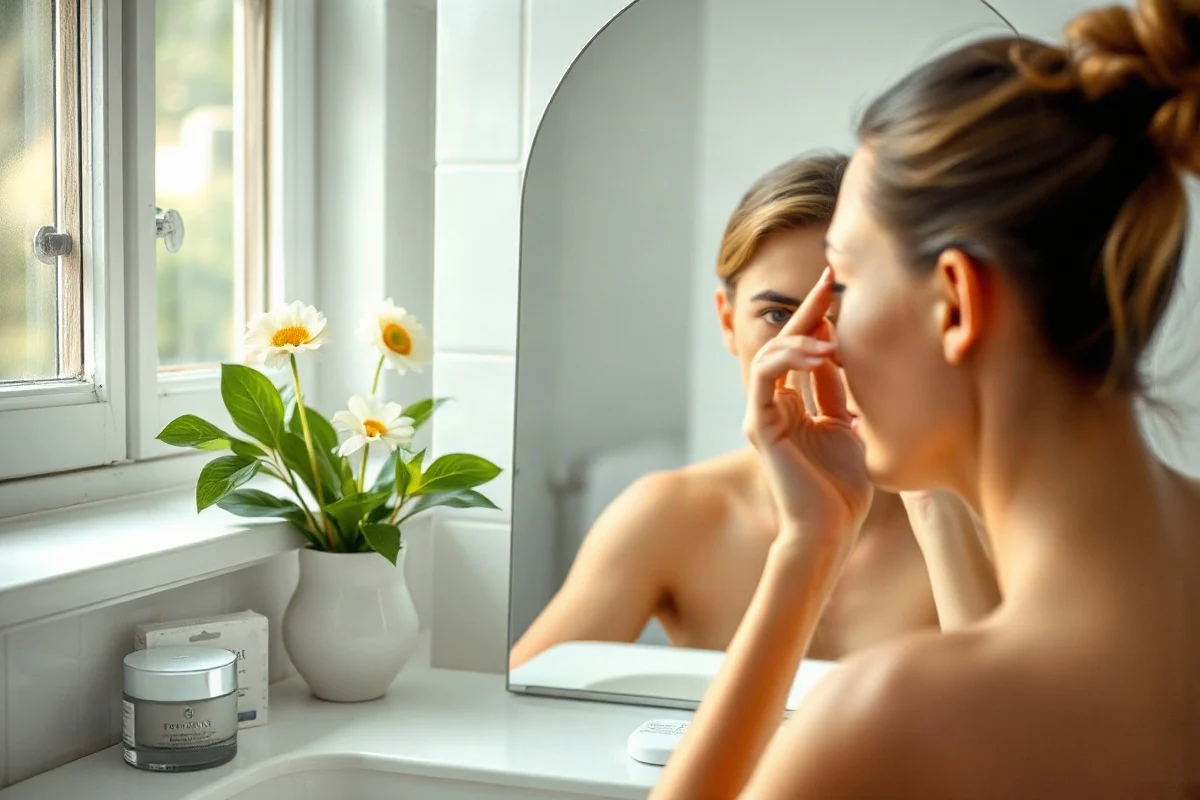
Yes, lack of sleep can make eye bags look worse, although it is not the only possible factor. A short or restless night may contribute to temporary fluid retention, a duller-looking complexion, and more noticeable shadows beneath the eyes. These changes can make existing puffiness, hollows, or fine lines stand out, even when the underlying structure of the area has not changed.
Sleep-related puffiness is usually a cosmetic appearance concern rather than a diagnosis. Improving sleep may help the under-eye area look less swollen for some people, but it cannot erase inherited anatomy, age-related changes, pigmentation, allergies, or every type of dark circle. The most useful approach is to consider sleep alongside daily habits, skincare, and any persistent or unusual symptoms.
Why poor sleep can make eye bags look more noticeable
The skin around the eyes is thin and often shows changes in hydration, circulation, and fluid balance more visibly than other parts of the face. After insufficient sleep, several short-term effects may contribute to a tired appearance.
Temporary fluid retention
Fluid can collect in the under-eye area when the body is retaining more water or when normal fluid movement is affected by lying down for several hours. This can create a puffy appearance when you wake up. A salty meal, alcohol, crying, dehydration, or sleeping with your face pressed into a pillow may also make morning swelling look more pronounced.
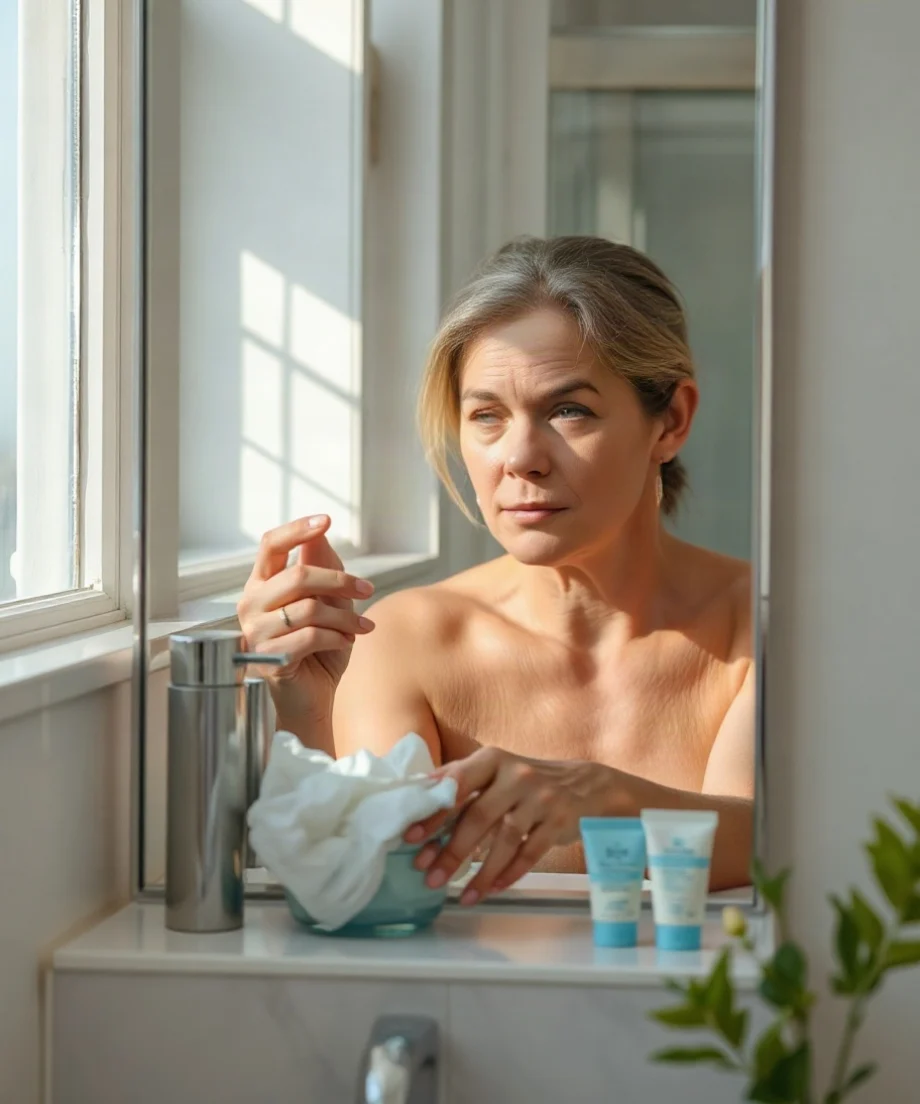
Sleep loss does not necessarily create a permanent eye bag. In many cases, the visible change is temporary and becomes less noticeable as the day progresses. However, repeated poor sleep may make the area look consistently tired if it adds to other causes of puffiness.
A duller-looking complexion
When the skin looks less bright, the contrast between the under-eye area and the surrounding complexion can make shadows appear deeper. This does not mean that sleep loss has caused a new type of pigmentation. It may simply make existing discoloration, hollowness, or uneven tone easier to see.
More visible fine lines and texture
Dehydrated or fatigued-looking skin can make fine lines appear more prominent. If the under-eye area feels dry, makeup may also settle into creases, drawing attention to texture. This effect can make eye bags seem larger even when the amount of swelling has not changed significantly.
Not all eye bags have the same cause
The phrase “eye bags” can describe several different visual concerns. Understanding the distinction can help set more realistic expectations for skincare.
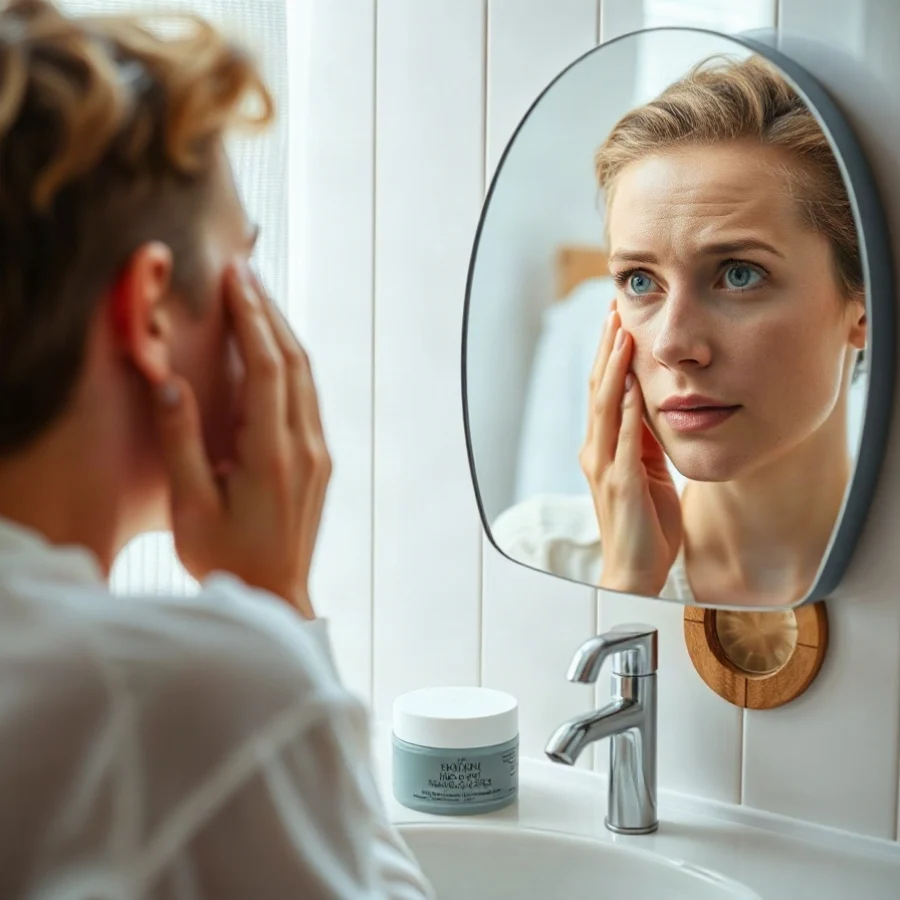
- Temporary puffiness: Soft swelling that is more noticeable in the morning or after a poor night’s sleep may be influenced by fluid retention, sleep position, food, alcohol, or irritation.
- Structural fullness: Some people naturally have more fullness beneath the eyes. Changes in the tissues around the eye can also make bags look more persistent over time.
- Under-eye hollows: A hollow can create a shadow that resembles a dark bag, even when there is little swelling.
- Discoloration: Brown, blue, gray, or purple-looking tones may be related to pigmentation, visible blood vessels, thin skin, or shadowing.
- Fine lines and looseness: Texture changes can make the area look less smooth and may increase the impression of puffiness.
Better sleep may improve the appearance of temporary puffiness and fatigue-related dullness, but it is unlikely to change the basic shape of a natural under-eye contour. For broader context, see the Puffiness & Eye Bags guide.
How much sleep do you need for a visible difference?
There is no guaranteed number of nights that will make eye bags disappear. Some people may notice a fresher appearance after returning to their usual sleep schedule, while others may still see puffiness because sleep is only one part of the picture.
Rather than focusing on one recovery night, aim for a consistent sleep routine that fits your needs. Helpful habits may include keeping a regular bedtime and wake time, reducing bright light close to bedtime, limiting alcohol in the evening, and creating a quiet, comfortable sleep environment. These steps support general well-being and may help reduce the tired look associated with occasional sleep loss.
If you wake with noticeable puffiness, keeping your head slightly elevated may be comfortable for some people. Avoid placing extra pressure directly on the eyes, and do not use a position that strains your neck. A cool, clean compress can temporarily make the area feel and look less swollen, but it should not be painfully cold or held against the skin for too long.
Skincare ingredients that may support a less tired appearance
Skincare can improve the look and feel of the under-eye area, but it cannot compensate fully for ongoing sleep deprivation or change every type of eye bag. Choose products based on the concern you want to address and the sensitivity of the skin around your eyes.
Caffeine
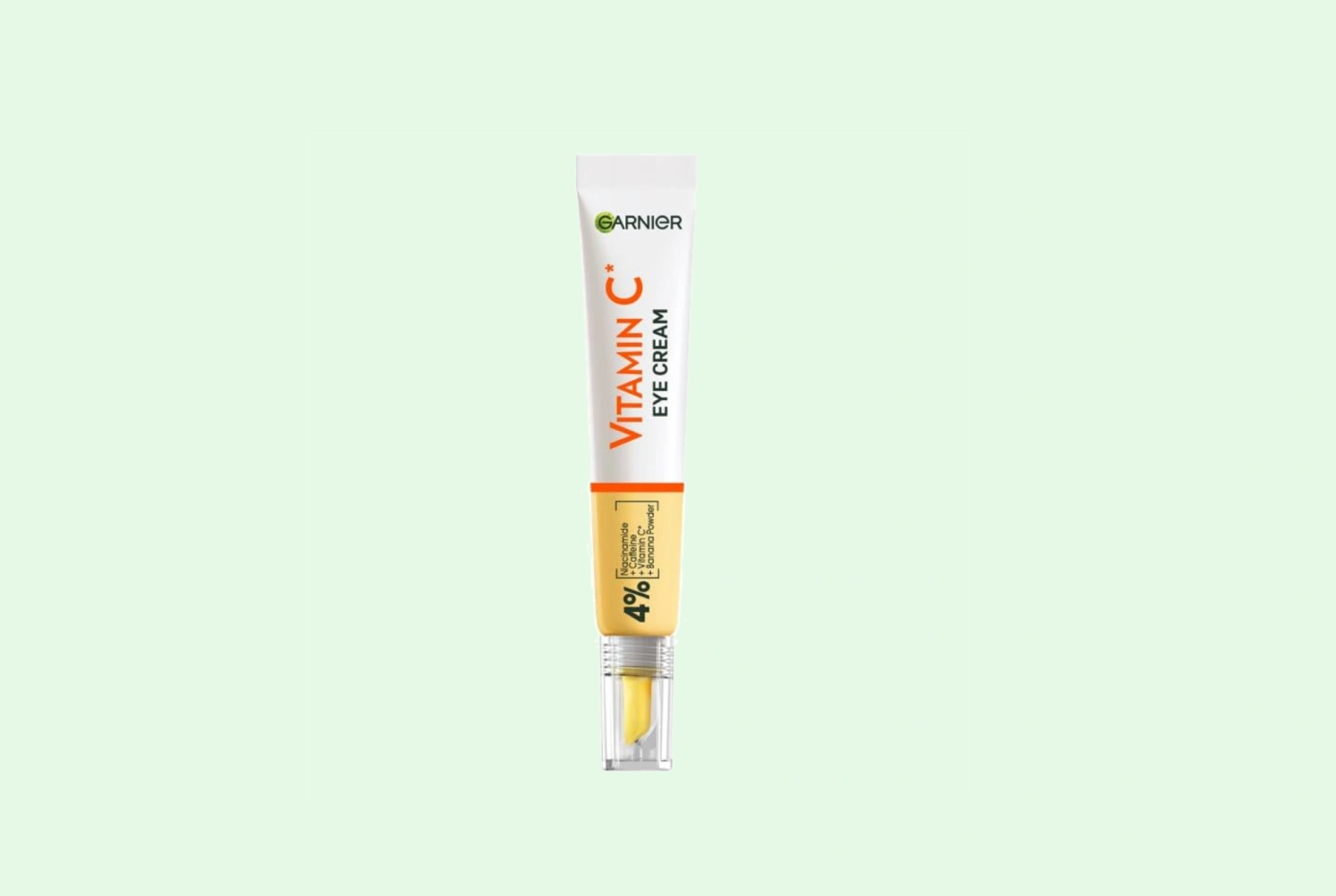
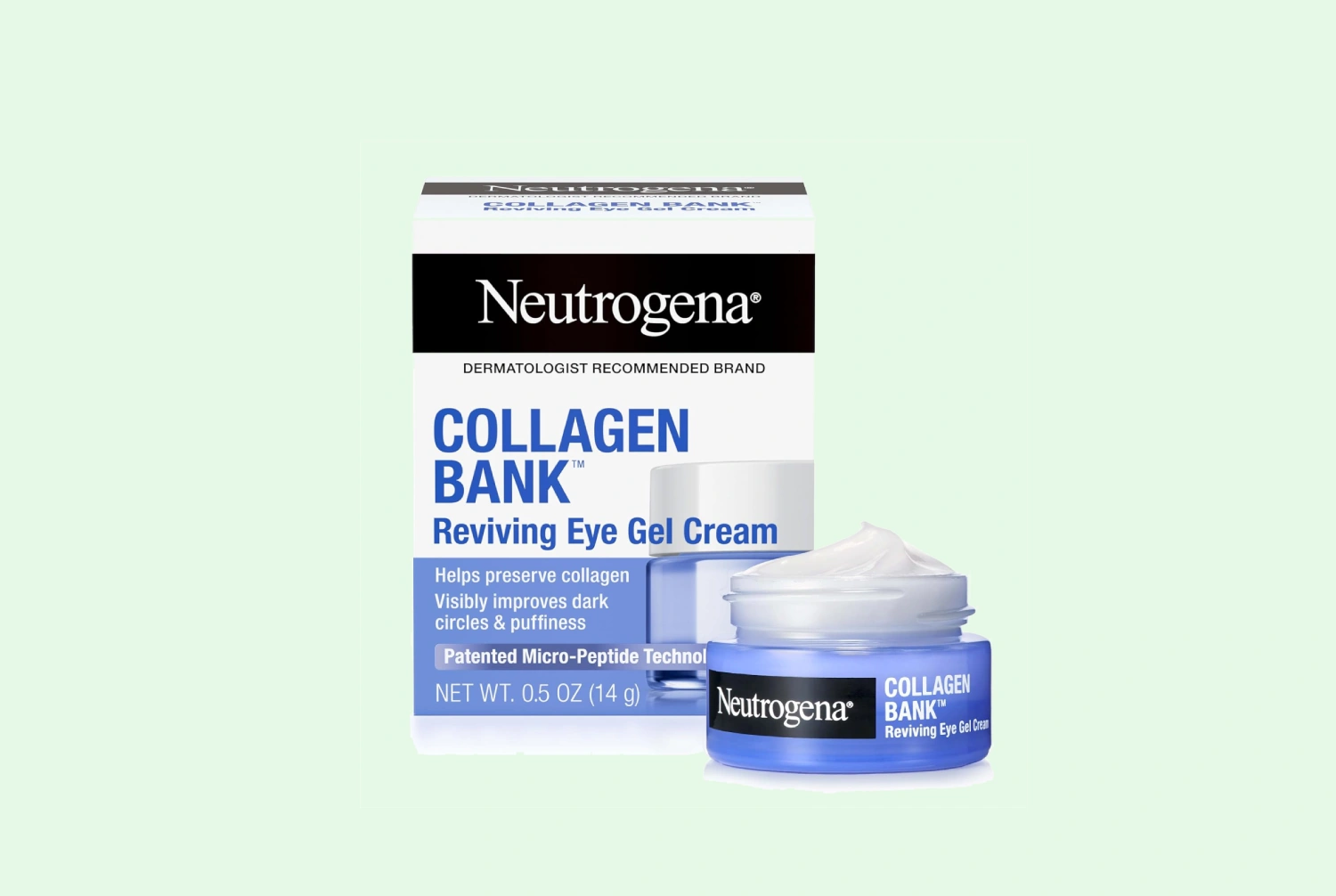
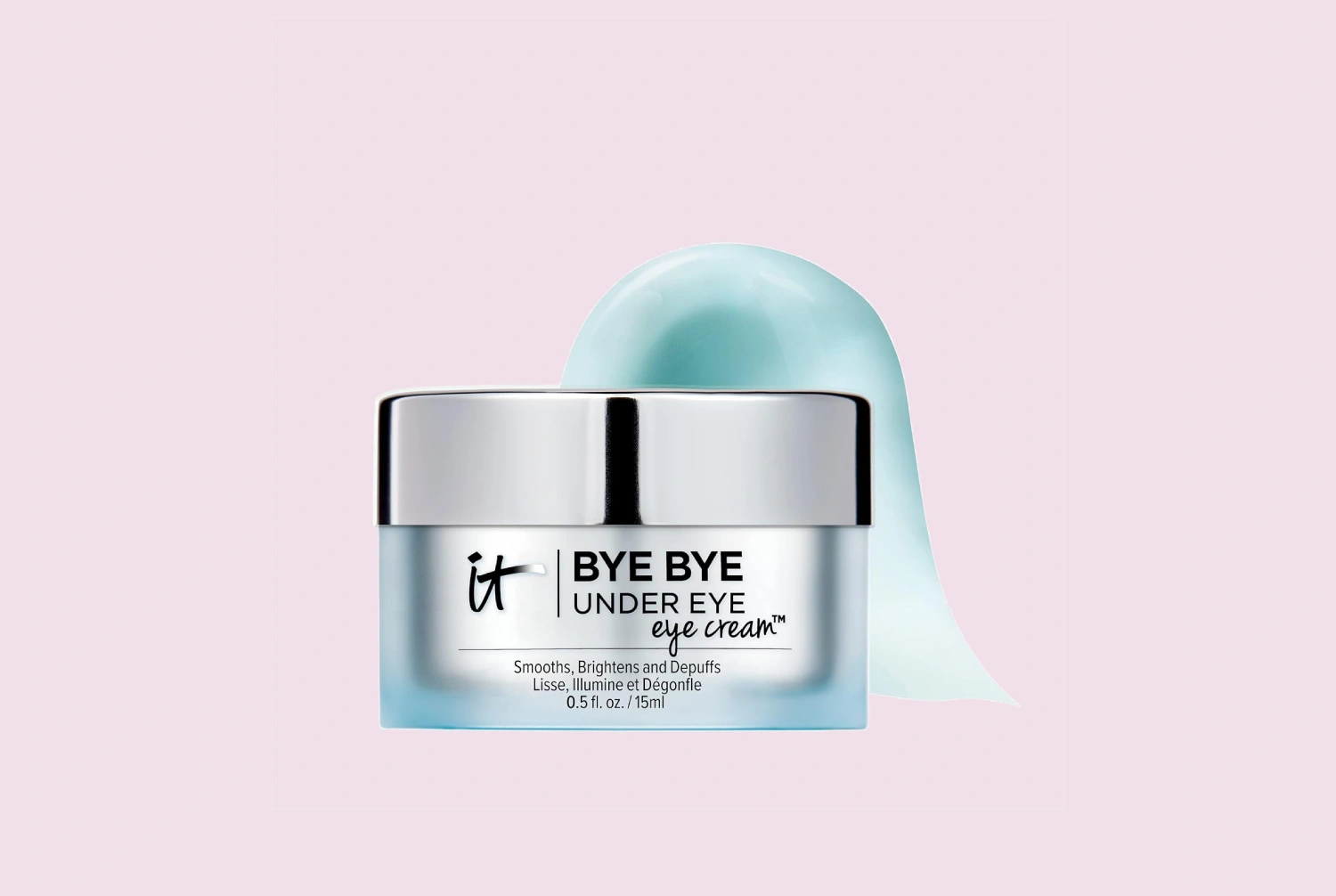
Caffeine is commonly used in eye products intended for a temporarily more awake-looking appearance. It may be a reasonable ingredient to consider if morning puffiness is your main concern. Results, when visible, are generally cosmetic and temporary rather than a permanent change to the under-eye structure. Product formulas vary, so check the current packaging and manufacturer ingredient list before buying.
Explore the site’s caffeine eye cream guide for more information about this ingredient category.
Humectants and moisturizers
Ingredients that help attract or hold water, along with emollients that soften the skin, can make dry under-eyes look smoother and more comfortable. A well-moisturized surface may also help makeup apply more evenly. Look for a texture that works with your skin type and does not cause stinging or excessive eye watering.
Retinoids
Retinol and related ingredients are often chosen for concerns involving fine lines and texture. The eye area can be especially sensitive, so follow the product label carefully and introduce a retinoid gradually if the instructions allow. Avoid applying it too close to the eyes unless the product is specifically designed for that area. Stop using it if you develop significant irritation, and consider professional medical advice if discomfort persists.
Antioxidants and brightening ingredients
Antioxidant or brightening ingredients may help support a more even-looking complexion, depending on the formula and the type of discoloration involved. They are not guaranteed to remove dark circles, and some active ingredients can irritate sensitive skin. Patch testing, careful application, and daily sun protection can be sensible precautions. The current label should always take priority because formulas may change.
You can compare ingredient categories in the eye cream ingredient guide.
How to apply an eye product after a poor night’s sleep
- Cleanse gently, using lukewarm rather than hot water.
- Apply a small amount of product according to its label. More product does not necessarily produce better results and may increase the chance of migration into the eyes.
- Use your ring finger or another light touch to pat the product around the orbital area. Avoid rubbing or pulling the skin.
- Keep products away from the eye itself unless they are specifically labeled for direct ocular use.
- Allow the product to settle before applying makeup.
- Use sunscreen on the surrounding face and follow the product’s directions for whether it is appropriate near the eyes.
For sensitive skin, introduce only one new product at a time. Follow the label, consider a patch test when appropriate, and stop use if burning, persistent redness, swelling, rash, or worsening discomfort develops. Eye irritation deserves more caution than a simple cosmetic reaction.
When sleep is probably not the main explanation
If your eye bags look much the same regardless of how well you sleep, the appearance may be more strongly influenced by genetics, facial structure, skin tone, aging, allergies, irritation, or another factor. Skincare may soften the look of dryness or temporarily reduce the appearance of puffiness, but it cannot reliably reshape the under-eye area.
One-sided swelling, sudden or severe changes, pain, significant redness, vision changes, discharge, or swelling that does not improve should not be treated as an ordinary cosmetic issue. Seek advice from a qualified healthcare professional for symptoms that concern you. This article cannot determine the cause of swelling or replace medical evaluation.
A realistic plan for sleep-related eye bags
If your under-eye bags are most noticeable after a late night, start with the basics: return to a consistent sleep schedule, drink fluids normally, avoid rubbing the area, and use a cool compress if it feels soothing. A gentle moisturizer or a product formulated for temporary morning puffiness may improve the way the area looks, but expectations should remain modest.
Track the pattern for a week or two rather than judging your appearance after one morning. Notice whether puffiness changes with sleep, salty foods, alcohol, seasonal allergies, new skincare, or sleeping position. This can help you identify practical triggers without assuming that every under-eye change has the same cause.
In short, poor sleep can make eye bags look worse, especially when temporary swelling, dullness, dryness, and shadows overlap. Rest may improve the appearance of fatigue-related puffiness, while skincare can provide limited cosmetic support. Persistent, unusual, or uncomfortable swelling should be considered separately from routine under-eye appearance concerns.

Comments
0No comments yet. Be the first to share a helpful note or question.
Leave a Comment
Your email address will not be published. Comments are reviewed before appearing on the site.