
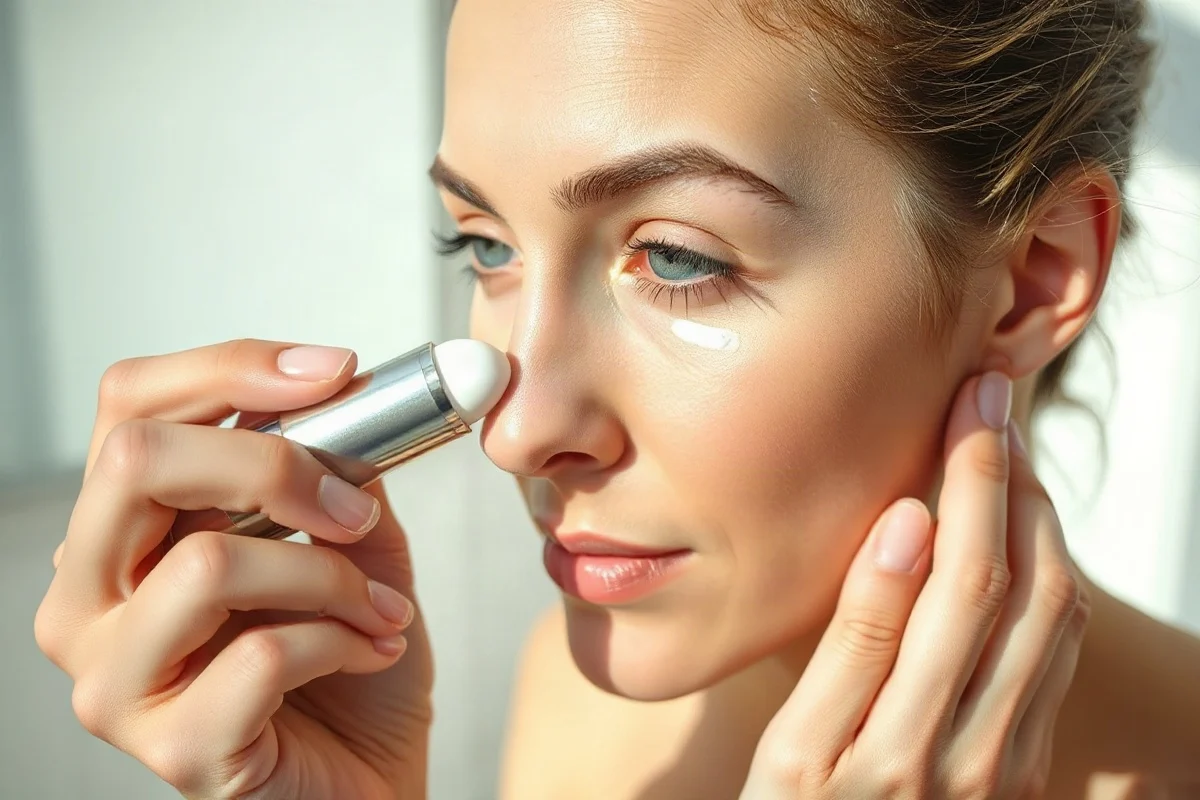
Yes, retinol eye cream may help fine lines look less noticeable over time. Retinol is a vitamin A derivative used in skincare to support smoother-looking skin and improve the appearance of uneven texture. Around the eyes, however, results are gradual and depend on the product, your skin’s tolerance, consistent use, and daily sun protection. It cannot erase lines permanently or guarantee a particular result, and it should not be treated as a medical solution for changes in the skin.
The skin around the eyes is often thinner and more easily irritated than skin on the rest of the face. That makes product choice and application especially important. A retinol eye cream may be worth considering if your main concern is the cosmetic appearance of fine lines, but a gentler, simpler routine may be a better starting point if you experience dryness, sensitivity, or frequent irritation.
How retinol may improve the look of fine lines
Retinol works by influencing how skin cells renew themselves. With continued use, it may help the surface look smoother and more even. This can make some fine lines appear less prominent, especially lines that are emphasized by dryness or rough texture.
Retinol is also commonly used in skincare routines focused on the appearance of texture and visible signs of aging. The exact experience varies from person to person, and an eye cream’s overall formula matters. Ingredients that support moisturization can make the under-eye area look more comfortable and temporarily plumper, while retinol may contribute to longer-term improvements in the look of texture when tolerated.
These are cosmetic appearance benefits, not treatment claims. Fine lines can be influenced by facial movement, sun exposure, dehydration, genetics, and the natural aging process. No topical product can control every factor or stop skin from changing.
What to expect from a retinol eye cream
Retinol usually requires patience. You may notice that the skin feels smoother before fine lines look meaningfully different, but there is no reliable timetable that applies to everyone. Some people tolerate retinol well, while others need a slower schedule or decide that another ingredient is more comfortable.
It is also useful to separate short-term and longer-term effects:
- Short term: A moisturizing eye cream may make dry-looking lines appear softer temporarily by adding hydration to the skin’s surface.
- Over time: Consistent use of a tolerated retinol formula may help improve the appearance of texture and fine lines.
- With sun exposure: Unprotected exposure can make visible signs of aging more noticeable and may work against the goals of an appearance-focused routine.
Do not judge a product based only on an immediate smoothing effect. That effect may come primarily from moisturizers or the way the formula sits on the skin. Conversely, do not assume that tingling, peeling, or dryness means the product is working better. Irritation is a sign to reassess the routine, not a target to pursue.
How to choose a retinol eye cream
Start with the product’s intended use and the rest of its ingredient list. A formula made for the eye area may be designed with a different texture or level of comfort than a facial retinol product, although “eye cream” alone does not guarantee that it will suit your skin.
Look for a manageable formula
If you are new to retinol, a simple formula may be easier to evaluate than one containing several potentially irritating active ingredients. Moisturizing ingredients can be helpful when the under-eye area feels dry, but the exact formula can change. Always check the current package and the manufacturer’s ingredient list before buying or using a product.
Packaging also matters. Retinol can be sensitive to environmental conditions, depending on the formula and container. Follow the storage directions on the label and avoid assuming that two products with the same headline ingredient have identical strength, stability, or performance.
Consider your skin’s current condition
If the skin around your eyes is already dry, flaky, cracked, or irritated, adding retinol may make you less comfortable. In that situation, it may be more sensible to focus first on a gentle cleanser, a bland moisturizer, and careful sun protection. Once the area feels calm, you can decide whether introducing retinol fits your routine.
People with sensitive skin may prefer to explore our sensitive-skin eye cream guidance before selecting an active ingredient. This is general skincare information, not a diagnosis. Persistent redness, swelling, pain, scaling, or other concerning symptoms should be discussed with a qualified healthcare professional.
How to introduce retinol around the eyes
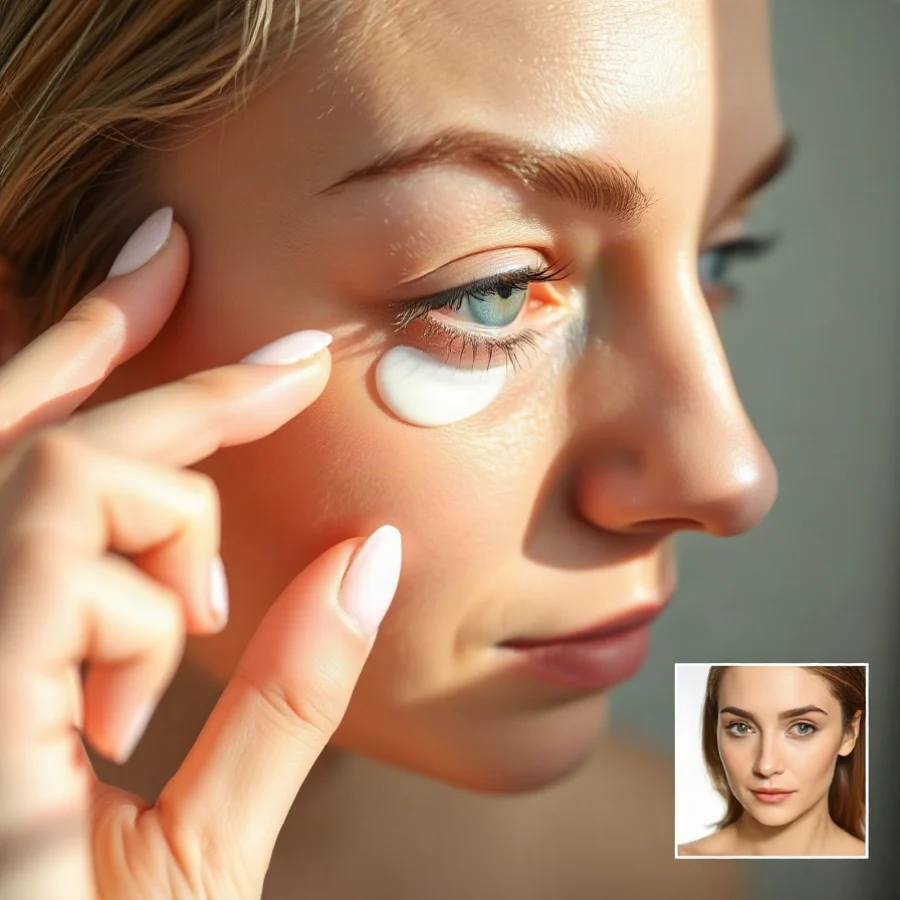
A cautious introduction can reduce the chance of unnecessary irritation. Read the product label first, because directions vary. As a general approach, apply a small amount to clean, dry skin and begin infrequently rather than using it every night immediately.
- Patch test the product according to the label, ideally before applying it near the eyes.
- Use only a small amount and keep it away from the eyelids, lash line, and the eye itself unless the product specifically directs otherwise.
- Start with occasional use and increase only if your skin remains comfortable.
- Apply a moisturizer if needed to support comfort, while avoiding products that sting the area.
- Use broad-spectrum sunscreen during the day on exposed surrounding skin, following the sunscreen label and taking care not to get it in the eyes.
Some people prefer applying moisturizer before retinol to create a buffer, while others apply retinol first and moisturize afterward. Either approach may be reasonable if the product instructions allow it and your skin remains comfortable. Avoid adding several new active products at once, since it becomes difficult to identify what caused a reaction.
If burning, significant redness, swelling, persistent stinging, or peeling develops, stop using the product and allow the area to recover. Do not apply retinol to broken or irritated skin. If symptoms do not settle or seem severe, seek advice from a qualified healthcare professional.
Can retinol eye cream help dark circles or puffiness?
Retinol eye cream is primarily relevant to the appearance of fine lines and texture. It is not a universal answer for dark circles or puffiness. Under-eye darkness can have different visible contributors, including shadowing, pigmentation, thin-looking skin, or the natural shape of the eye area. Puffiness can also vary with sleep, allergies, fluid retention, and other factors.
Because these concerns can look similar but have different contributing factors, a product that helps the appearance of fine lines may not make dark circles or eye bags look noticeably different. For broader background, see our guides to dark circles and puffiness and eye bags.
Retinol versus other fine-line ingredients
Retinol is not the only ingredient used in an eye-area routine. Moisturizers such as humectants and emollients can improve the look of dryness, which may make fine lines appear less pronounced. Peptides are also found in many eye products, although product performance depends on the full formula and individual use. Antioxidant ingredients may complement a routine, but they do not make sunscreen optional.
The best choice often comes down to your main concern and tolerance. If the primary issue is dry-looking texture, hydration may provide a more comfortable first step. If you want to explore a retinoid and can use it cautiously, retinol may be a reasonable option for the appearance of fine lines. Our eye cream ingredient guide can help you compare common ingredients without treating any one of them as a guaranteed solution.
When a retinol eye cream may not be the right choice
Retinol may not suit everyone. You may prefer to avoid it if the eye area is currently irritated, if you have reacted to similar products before, or if your routine already contains several potentially irritating actives. People who are pregnant, trying to become pregnant, or nursing should ask a qualified healthcare professional whether retinoid-containing skincare is appropriate for them, rather than relying on general online guidance.
It is also reasonable to stop using a product simply because it is uncomfortable. More active skincare is not automatically better skincare. A basic moisturizer and consistent sun protection may be a more sustainable routine for someone who cannot tolerate retinol.
A realistic way to evaluate results
Give your routine time, but keep your expectations modest. Look for gradual changes in how smooth and comfortable the area appears rather than expecting every line to disappear. Use comparable lighting when observing your skin, since expression, hydration, camera angle, and indoor or outdoor light can change how lines look from one day to the next.
Review the label regularly, especially if you repurchase a product. Formulas and packaging can change, so confirm the current ingredient list and directions from the product packaging or manufacturer. If your fine lines are accompanied by sudden skin changes, persistent irritation, pain, marked swelling, or vision symptoms, a healthcare professional—not an eye cream—should be your next source of guidance.
Overall, retinol eye cream can be a reasonable cosmetic option for people who want to improve the look of fine lines and are willing to introduce it gradually. Its potential benefits are balanced by the risk of irritation, and results are neither instant nor guaranteed. A careful routine, realistic expectations, and daily sun protection are more useful than choosing the strongest-sounding product.

Comments
0No comments yet. Be the first to share a helpful note or question.
Leave a Comment
Your email address will not be published. Comments are reviewed before appearing on the site.