
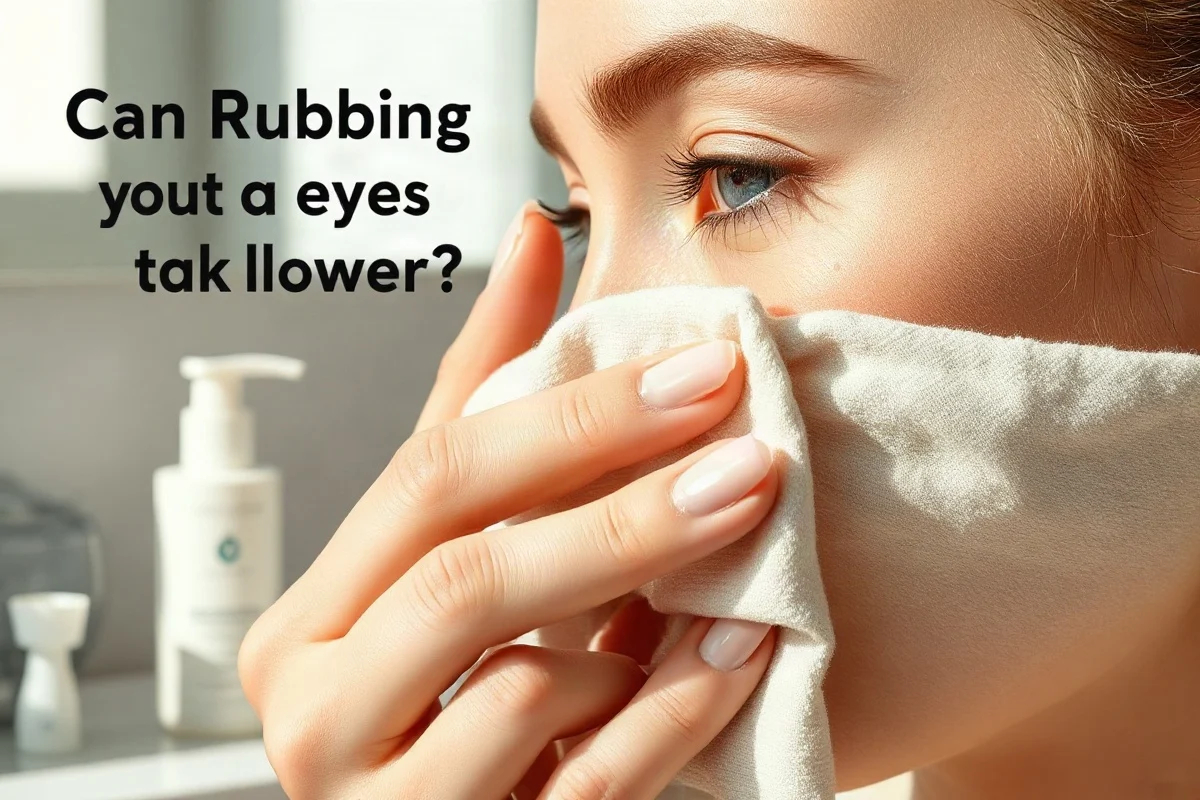
Yes, rubbing your eyes can make under-eye wrinkles look worse—at least temporarily, and potentially over time if the rubbing is frequent or forceful. The under-eye area has delicate, relatively thin skin that can become dry, irritated, or temporarily creased after repeated friction. Rubbing does not mean you have permanently damaged your skin after one brief episode, but making it a habit can work against a smoother-looking appearance.
The visible effect is not always a new wrinkle forming. Sometimes the skin is simply compressed, pulled, or dehydrated, which can make existing fine lines stand out more. Irritation and puffiness can also create shadows and texture that draw attention to lines. Understanding the difference can help you choose a gentler routine without treating a cosmetic concern as a medical diagnosis.
Why rubbing can make under-eye lines look more noticeable
Rubbing affects the eye area in several ways. The most immediate is mechanical friction. Each pass can drag the skin instead of allowing it to move smoothly. The eyelids and skin beneath the eyes are flexible, so they fold easily when you squint, wipe, press, or pull.
Repeated friction may also disturb the skin barrier. A weakened or irritated barrier can leave the area feeling tight, rough, itchy, or more sensitive. Dry-looking skin tends to reflect light unevenly, making fine lines appear more visible. This effect can be especially noticeable when applying concealer or powder, because makeup may settle into the creases.
There is also the possibility of temporary swelling. Rubbing can aggravate the surrounding tissue, particularly if your eyes are already watery, itchy, or tired. Puffiness changes the way light falls across the under-eye area, which can deepen the appearance of shadows. The result may look like more pronounced wrinkles even when the underlying structure has not changed.
Temporary creasing versus longer-term skin changes
A line that appears after sleeping, rubbing, or cleansing may fade as the skin rehydrates and relaxes. This is different from a line that remains visible at rest and gradually becomes more established with time. Both can exist together: temporary dryness or swelling may make ordinary fine lines look more prominent on a particular day.
Frequent, forceful rubbing is best viewed as an avoidable source of stress for the skin. It is not possible to predict exactly how much rubbing would produce a lasting cosmetic change, and individual skin, age, sun exposure, genetics, and facial movement all play roles in how fine lines appear. Avoiding unnecessary friction is a practical way to reduce one potential contributor without promising that wrinkles can be prevented or erased.
Common reasons people rub their eyes
Eye rubbing is often an automatic response rather than a deliberate skincare choice. You might do it when you are tired, working at a screen, removing makeup, waking up, or trying to relieve a sensation of dryness. Seasonal discomfort and sensitivity to products can also encourage rubbing.
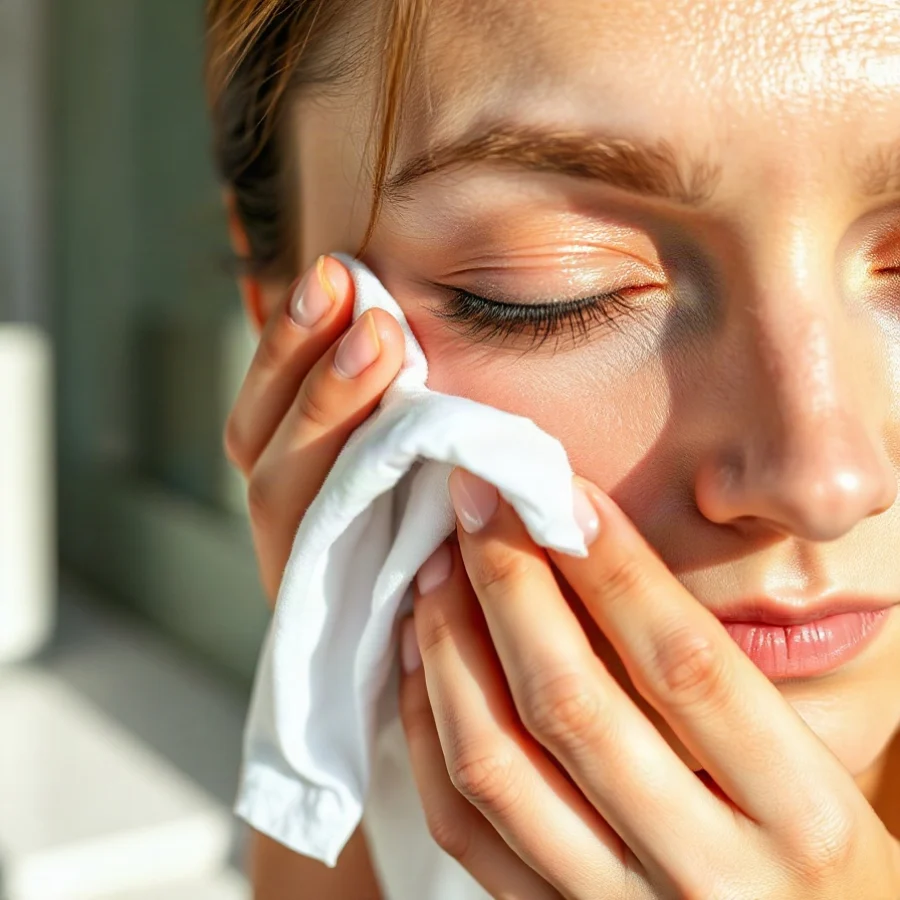
If your eyes feel persistently itchy, painful, unusually watery, red, swollen, or sensitive to light, skincare advice alone may not address the cause. Those symptoms can have many possible explanations. Consider speaking with a qualified health professional, particularly if symptoms are severe, recurring, affect vision, or do not settle. This article focuses on cosmetic skin appearance and is not a diagnosis or treatment plan.
How to stop rubbing without making the area worse
The goal is not to handle the under-eye area as if it were fragile glass. Instead, use less pressure, fewer passes, and clean hands when contact is necessary.
- Pause before touching: When you notice the urge to rub, close your eyes briefly and let them rest. A cool, clean compress may feel more comfortable than direct rubbing, but avoid pressing hard.
- Pat instead of drag: If tears or water need to be removed, gently blot with a soft, clean material. Repeated wiping can create the same friction you are trying to avoid.
- Remove makeup slowly: Saturate a suitable remover or use the method recommended on the product label, then hold it against closed lids briefly before wiping with minimal movement. Do not scrub to remove stubborn residue.
- Keep fingernails away: Nails can add pressure and may scratch or irritate delicate skin. Clean hands are also important whenever you touch the eye area.
- Notice triggers: Keep track of when rubbing happens, such as during screen use, after applying a product, or when waking. Changing the trigger may be more useful than relying on willpower alone.
For persistent eye discomfort, avoid repeatedly adding new cosmetic products in an attempt to solve the sensation. More products can make it harder to identify what is causing irritation. A health professional can help evaluate ongoing eye symptoms when appropriate.
A gentle under-eye routine after rubbing
If the skin looks dry or feels irritated after rubbing, simplify your routine. Use a mild cleanser if cleansing is needed, rinse without hot water, and apply a bland moisturizer that is suitable for the area and your skin type. Keep products away from the immediate eye opening unless their directions specifically indicate that use.
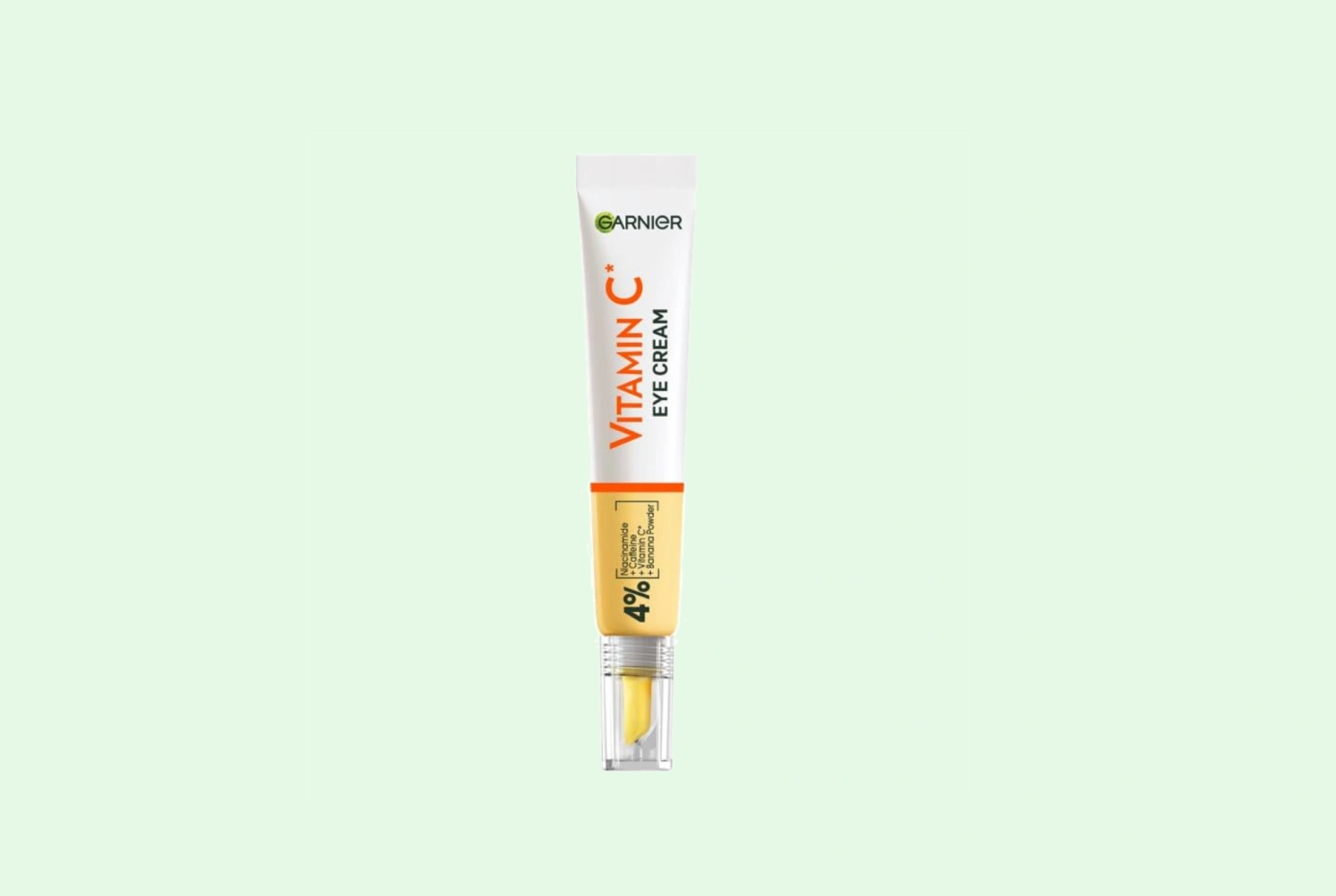
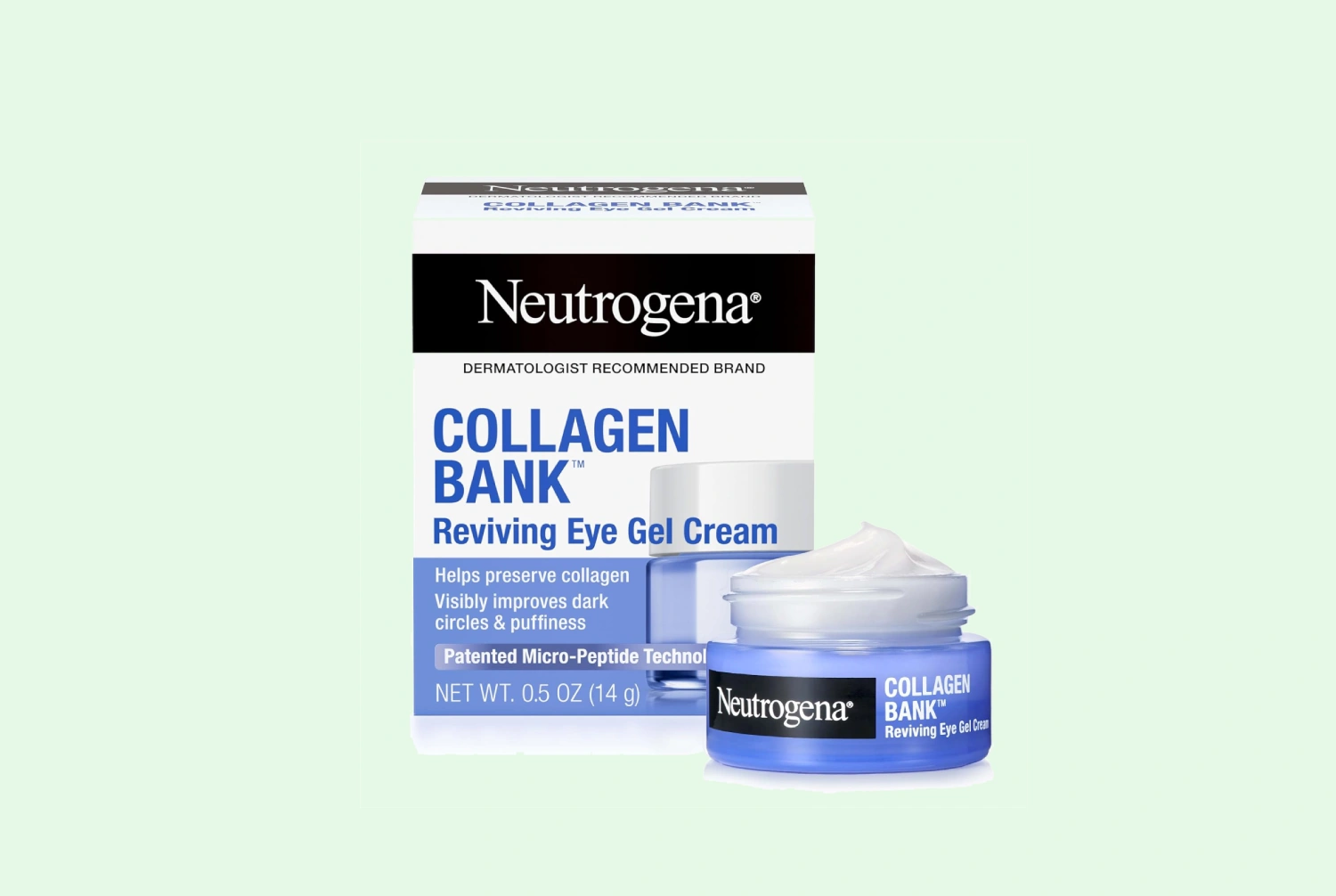
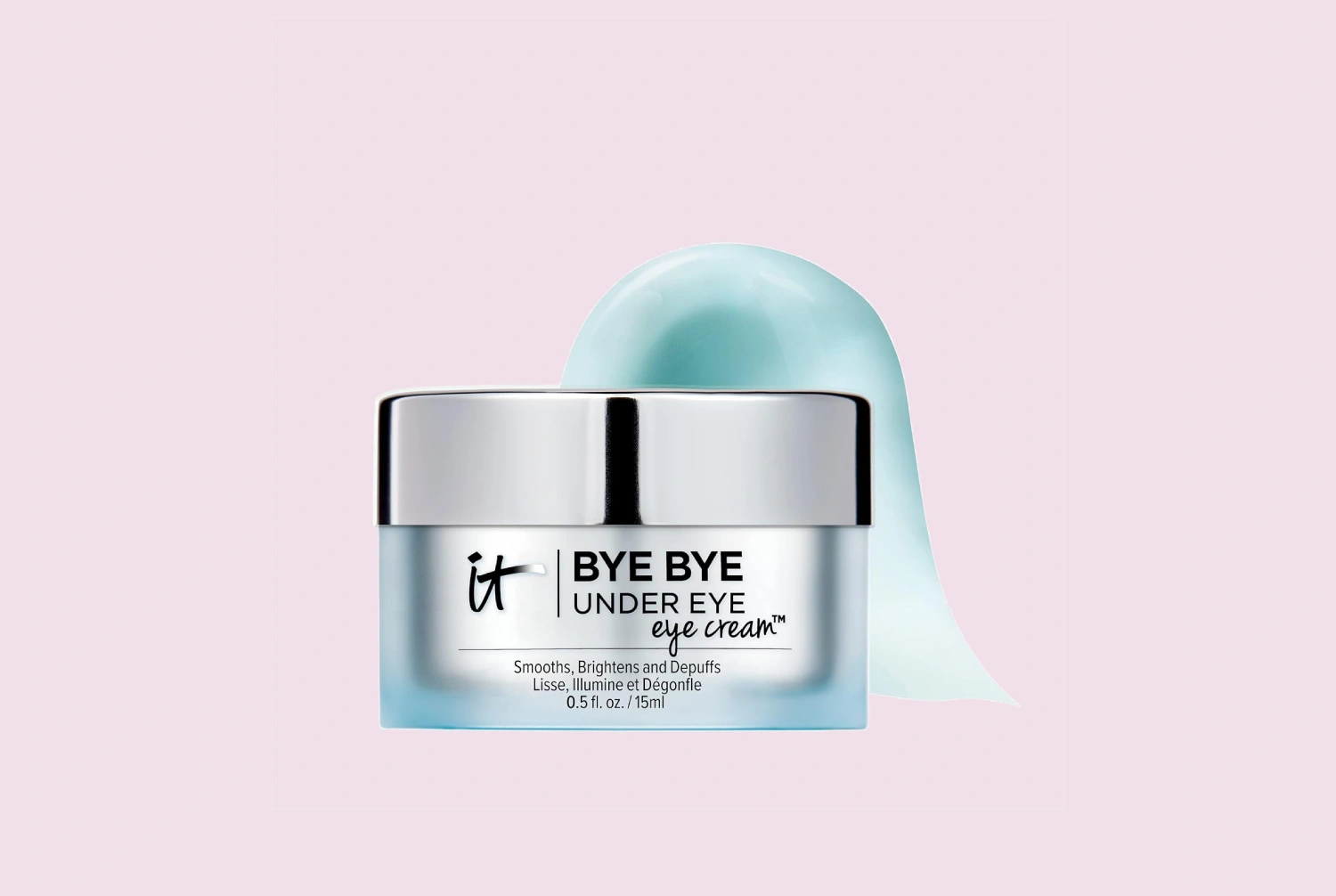
When choosing an eye cream, look for a texture you can spread with very little pressure. Ingredients commonly used in products for dry-looking skin include humectants and emollients, which can support a more comfortable, hydrated appearance. Hydration may temporarily soften the look of fine lines by reducing the contrast created by dryness, but it does not remove wrinkles.
For a broader overview of cosmetic ingredients and their typical roles, see our eye cream ingredient guide. Product formulas can change, so check the current package and manufacturer ingredient list before relying on a specific formula or use instruction.
What about retinol, vitamin C, or exfoliating ingredients?
Some people consider retinoids, vitamin C, or exfoliating ingredients when fine lines are a concern. These ingredients can be part of a thoughtful skincare routine, but the eye area may be more reactive than other parts of the face. A product intended for the face is not automatically appropriate for the eyelids or under-eye area.
Follow the product label and introduce potentially irritating actives cautiously. Avoid applying them to irritated or freshly rubbed skin. If the product directions permit use near the eyes, use a small amount and keep it out of the eye itself. Patch testing can be useful for identifying skin sensitivity, although it cannot predict every reaction in the eye area. Stop using a product if it causes burning, worsening redness, swelling, rash, or persistent discomfort, and seek medical advice for concerning symptoms.
Sun protection is another important part of a routine focused on the appearance of fine lines. Use a sunscreen that is labeled for your intended area and follow its directions. Sunglasses and shade can also reduce squinting and help limit direct sun exposure. No sunscreen or skincare product can guarantee that wrinkles will not develop.
Can rubbing cause permanent wrinkles?
It is more accurate to say that habitual rubbing may contribute to irritation, dryness, and repeated mechanical stress than to claim it directly causes permanent wrinkles in every person. Fine lines are influenced by several factors, including natural aging, repeated facial movement, cumulative sun exposure, skin dryness, genetics, and lifestyle.
A single episode of rubbing is unlikely to suddenly create a permanent wrinkle. However, if you repeatedly pull or scrub the same area, you may make the skin look rougher or more creased, especially when it is already dry or sensitive. Reducing the behavior can help the area look calmer and may prevent avoidable irritation, but it cannot reverse every existing line.
How to apply eye cream with less friction
Application technique matters because even a well-tolerated product can feel irritating if it is dragged across the skin.
- Start with clean hands and a clean face.
- Use the amount directed on the product label rather than adding more to chase faster results.
- Place small dots around the orbital area, avoiding the eye opening unless the label provides specific instructions.
- Use your ring finger or another finger that allows light pressure, then gently tap or smooth the product without repeated rubbing.
- Give the product time to absorb before layering makeup or another skincare step.
There is no need to massage aggressively or repeatedly tap until the product disappears. If the skin moves substantially under your finger, lighten your touch. A routine that is easy to repeat comfortably is generally more practical than one that depends on vigorous massage.
When a product may be the wrong choice
Burning, itching, stinging, flaking, or increased redness can make you rub more, creating a cycle of discomfort and friction. If these reactions appear after introducing an eye cream, cleanser, makeup product, or active ingredient, stop using the suspected product and allow the area to settle. Follow the label, and consider professional guidance if the reaction is significant or does not improve.
Fragrance and other potentially irritating ingredients may be tolerated by some people and not by others. “Natural” does not automatically mean gentle, and a higher price does not guarantee that a formula will suit your skin. For product-specific information, verify the current ingredient list because formulas and packaging can change.
The practical takeaway
Rubbing your eyes can temporarily emphasize under-eye wrinkles by creating friction, dryness, creasing, irritation, and puffiness. Frequent forceful rubbing may also add unnecessary mechanical stress over time, but it is only one factor in how fine lines look. The most useful response is usually simple: touch the area less, blot instead of wiping, remove makeup gently, keep the skin comfortably moisturized, and use active ingredients cautiously.
If your eyes are persistently uncomfortable, focus first on the symptom rather than adding more wrinkle products. Ongoing itching, pain, redness, swelling, discharge, or vision changes deserve attention from a qualified health professional. For cosmetic care, a gentle routine and realistic expectations are more helpful than aggressive rubbing or promises of permanent wrinkle removal.

Comments
0No comments yet. Be the first to share a helpful note or question.
Leave a Comment
Your email address will not be published. Comments are reviewed before appearing on the site.