

Yes, screen time can make the skin around your eyes look temporarily more tired or puffy, although it is not usually the screen itself directly causing permanent changes. Long periods of close-up viewing may reduce how often you blink, contribute to dry or irritated eyes, encourage rubbing, and make it easier to delay sleep. Those factors can make under-eye puffiness, shadows, and fine lines appear more noticeable. A screen-related appearance change is different from a medical diagnosis, and skincare cannot address every cause of eye-area swelling or discoloration.
Why your eyes may look more tired after screen use
The eye area can look different after several hours of computer, phone, or tablet use for several overlapping reasons. Some are related to the eyes themselves, while others affect the surrounding skin and your overall appearance.
Reduced blinking can contribute to dryness
When people concentrate on a screen, they may blink less often or blink less completely. Blinking helps spread the tear film across the eye surface. If the surface becomes dry or irritated, your eyes may feel gritty, tired, watery, or uncomfortable. You may also be more likely to touch or rub the area.
Dryness does not automatically create a new type of dark circle, but irritation and rubbing can make the area look temporarily red, swollen, or darker. Repeated rubbing may also be unhelpful for delicate skin because it creates mechanical friction. If your eyes feel persistently dry, painful, light-sensitive, or unusually watery, consider discussing the symptoms with a qualified health professional rather than treating them only as a cosmetic concern.

Eye rubbing can increase visible puffiness
Rubbing can briefly increase redness and swelling around the eyes. It may also disturb concealer, sunscreen, or skincare products, making the area look uneven. If rubbing becomes a habit, try identifying the trigger. Dry indoor air, contact lens discomfort, allergies, fatigue, and screen-related eye strain can all make touching the eyes more tempting.
Keeping your hands clean, taking regular visual breaks, and avoiding deliberate rubbing are simple ways to reduce unnecessary friction. These steps will not guarantee that puffiness disappears, but they may help limit one contributor to a tired-looking eye area.
Late-night screen use can affect the next morning’s appearance
Screen use often extends into the evening. If it pushes your bedtime later or makes it harder to wind down, the following morning may bring a tired-looking face, more noticeable shadows, or temporary puffiness. Sleep is not a cosmetic ingredient, but it can influence how refreshed your eyes and skin appear.
The relationship is not identical for everyone. Some people notice changes after one short night, while others mainly see a difference after several nights of irregular sleep. A screen may be one part of the routine rather than the only cause. Stress, alcohol, allergies, salt intake, crying, sleeping position, genetics, and normal changes in fluid distribution can also affect the under-eye area.

Can screen time cause dark circles?
Screen time is unlikely to be the sole explanation for every dark circle. The term “dark circles” describes a visible appearance, not one single condition. Under-eye darkness can be influenced by inherited features, naturally thin skin, visible blood vessels, pigmentation, shadows from facial structure, dehydration, irritation, and fatigue. Different causes may look similar in a mirror but respond differently to cosmetic care.
Long screen sessions can make existing darkness seem more obvious because tired eyes, dryness, rubbing, and poor sleep may temporarily change the surrounding area. Squinting or focusing closely may also emphasize fine lines and shadows during the day. That does not mean a screen has permanently created a new pigment problem or caused irreversible aging.
For a broader explanation of possible contributing factors, see our guide to dark circles. Keep in mind that a product marketed for this concern may improve the look of some contributing factors without removing every type of under-eye darkness.
What can make the eye area look less tired?
Use regular visual breaks
Build short breaks into long periods of computer or phone use. Look away from the screen at a distant object, relax your focus, and blink normally. A practical routine is more useful than waiting until your eyes already feel strained. Adjusting the text size or display position may also make close-up viewing more comfortable.
Try to keep the screen at a comfortable distance and avoid holding a phone so close that you are constantly squinting. Screen brightness should feel comfortable in the surrounding room rather than dramatically brighter or darker than it. Glare can encourage squinting, so changing the angle of the screen or the lighting may help.
Protect the skin barrier with a simple routine
A gentle routine can support the cosmetic appearance of the eye area, especially when dryness makes fine lines look more visible. Cleanse without scrubbing, apply a fragrance-free moisturizer if your skin tolerates it, and use sun protection during the day. Apply products with a light touch using a small amount, and avoid getting them directly into the eyes.
Moisturizing can temporarily make dry-looking lines appear less pronounced by improving the surface feel and appearance of the skin. It cannot correct every wrinkle, shadow, pigment change, or structural feature. If your eyes water easily, be especially careful with products that migrate as you blink.
Consider a cooling product or compress for temporary puffiness
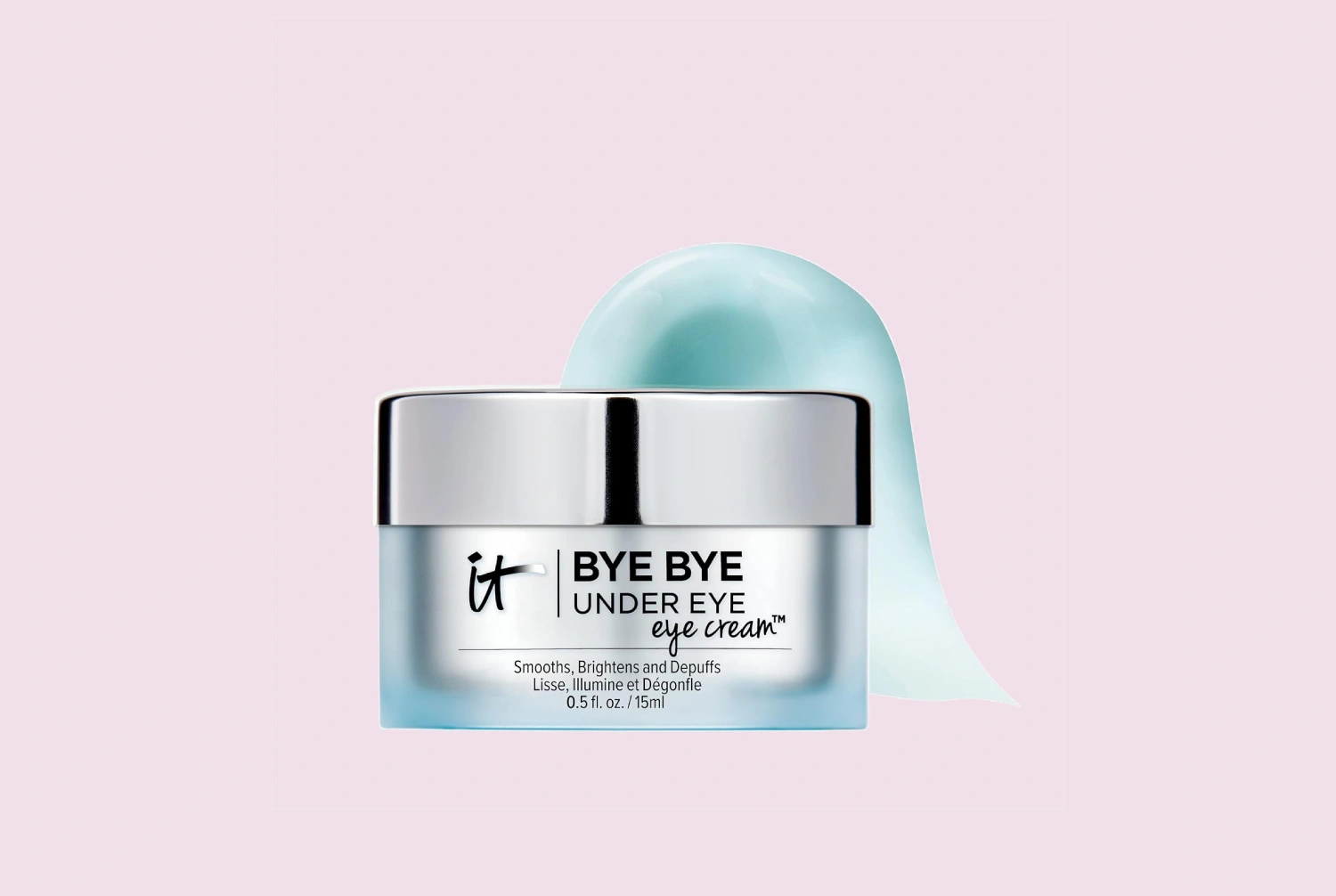
A cool, clean compress may make temporary puffiness look less noticeable for a short time. Avoid placing ice directly on the skin, and stop if cold causes discomfort, redness, or irritation. A chilled eye product can create a refreshing sensation, but the cooling feeling does not prove that the product has changed the underlying cause of swelling.
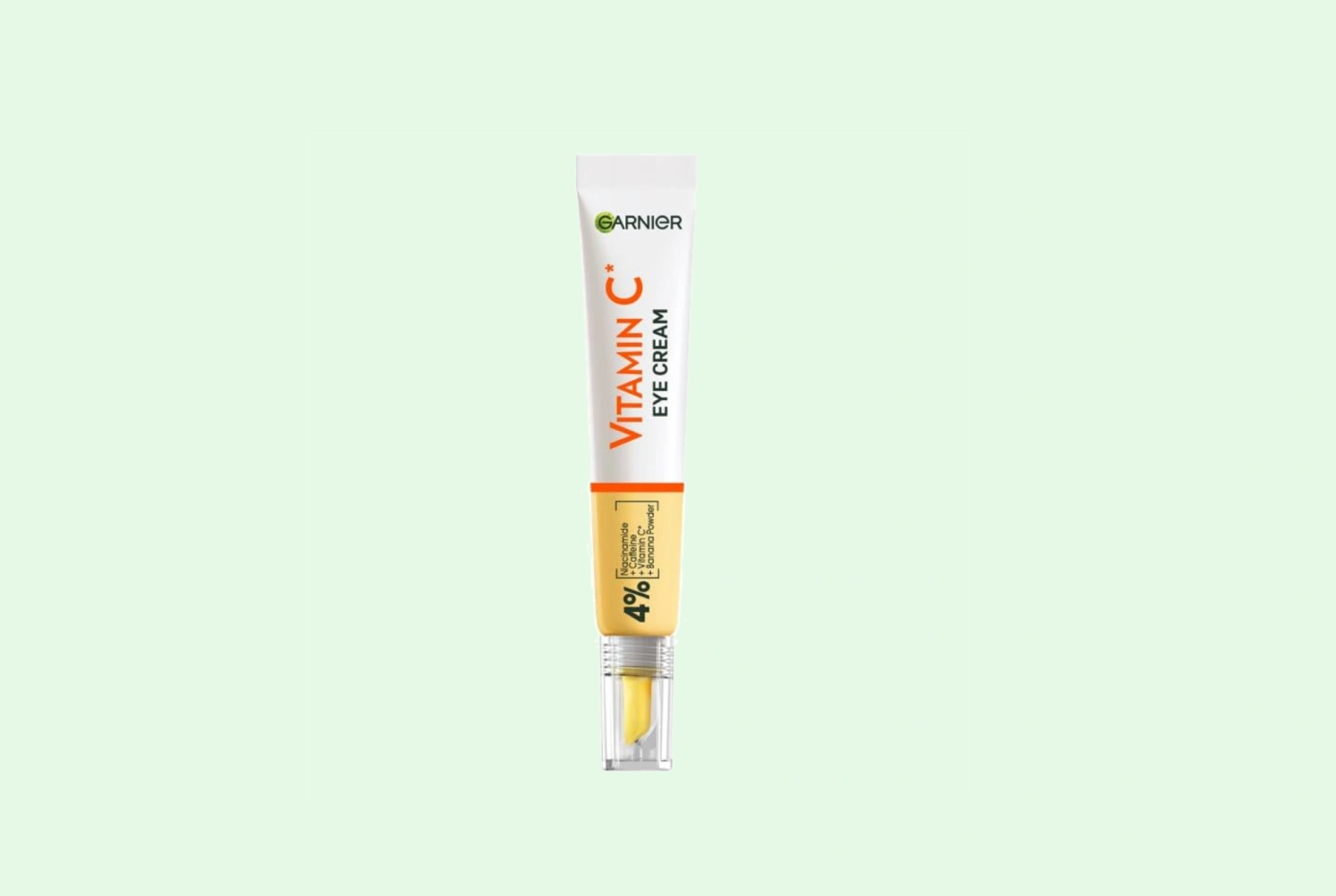
Some people choose an eye product containing caffeine for the look of morning puffiness. Caffeine-containing formulas may provide a temporary cosmetic effect for some users, but results depend on the individual product, the person’s skin, and the reason for the puffiness. Review the current package and manufacturer ingredient list because formulas can change. You can learn more in our guide to caffeine eye cream.
How to choose an eye product if screens make you look tired
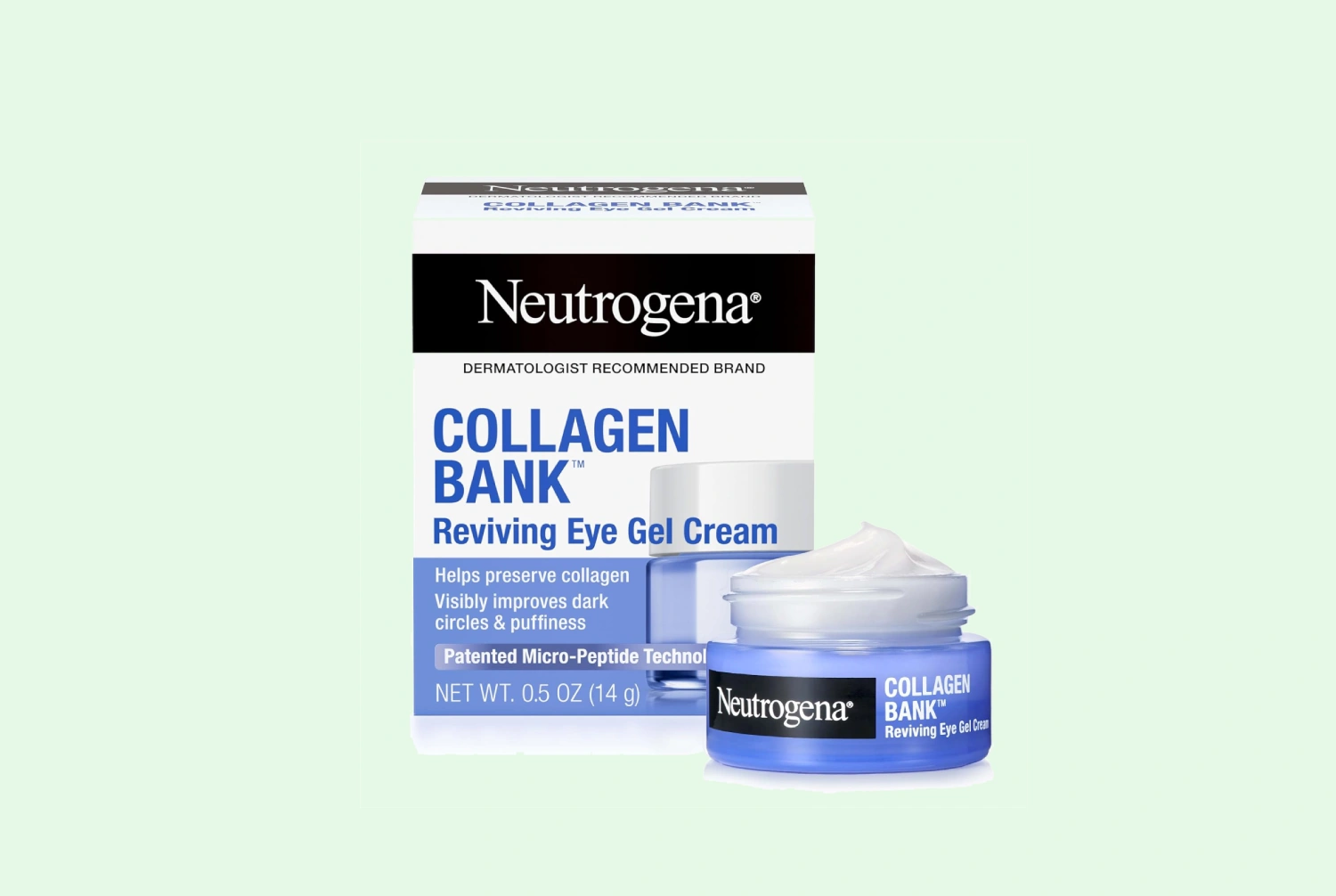
Start with the specific appearance you want to address rather than choosing a product simply because it says “tired eyes.” For dryness or a tight feeling, look for a bland, moisturizing formula that your skin already tolerates. For temporary morning puffiness, a lightweight product with a cooling applicator or caffeine may be worth considering, provided you have realistic expectations.
If fine lines appear more noticeable when your skin is dry, hydration may improve their surface appearance. If you are considering a retinoid or another active ingredient, remember that the eye area can be particularly sensitive. Follow the product label, introduce one new active at a time, avoid the eye itself, and consider a patch test when appropriate. Stop using the product if you develop burning, persistent redness, swelling, rash, or other irritation.
Do not assume that a stronger formula is automatically better. Fragrance, essential oils, exfoliating acids, and some active ingredients may be uncomfortable near the eyes, especially if your skin barrier is already irritated. Product names and formulas are not permanent, so check the current packaging or the manufacturer’s ingredient list before buying or relying on a specific ingredient claim. Our eye cream ingredient guide can help you compare common categories without treating any ingredient as a guaranteed solution.
A practical screen-and-eye-area routine
- During the day: Keep the screen at a comfortable distance, reduce glare, and take regular opportunities to look away and blink.
- When your eyes feel dry: Avoid rubbing. If symptoms continue, ask a qualified health professional or eye-care professional whether you need further guidance.
- After a long session: Cleanse gently if needed and apply a simple moisturizer that does not sting.
- For morning puffiness: Try a cool, clean compress for a short period and use a light touch around the eye area.
- At night: Create a wind-down period that makes it easier to follow a consistent sleep schedule, especially if late screen use is delaying bedtime.
- When introducing an active: Follow the label, avoid layering several potentially irritating products, and stop if irritation develops.
When puffiness or changes deserve medical attention
Cosmetic puffiness after a long day is not the same as unexplained or persistent swelling. Seek medical guidance for sudden swelling, swelling on only one side, significant pain, vision changes, marked redness, discharge, injury, or symptoms that do not improve. You should also ask a health professional about recurring symptoms that interfere with daily activities.
An eye cream is not a treatment for an eye disorder, infection, allergy, or other medical condition. It is reasonable to use skincare for comfort and appearance, but persistent symptoms should not be covered up indefinitely with cosmetics.
The realistic takeaway
Screen time can make your eyes and the surrounding skin look more tired or puffy, mainly by contributing to reduced blinking, dryness, rubbing, squinting, and later bedtimes. These effects are often temporary and may improve when you change your screen habits, rest your eyes, avoid rubbing, support the skin barrier, and get adequate sleep.
No single eye cream can reliably address every reason the under-eye area looks tired. Choose products according to your skin’s tolerance, follow current label instructions, and judge results by modest cosmetic changes rather than promises of permanent correction. If the appearance or symptoms seem unusual, painful, persistent, or one-sided, treat that as a reason to seek professional advice rather than simply adding another product.

Comments
0No comments yet. Be the first to share a helpful note or question.
Leave a Comment
Your email address will not be published. Comments are reviewed before appearing on the site.