
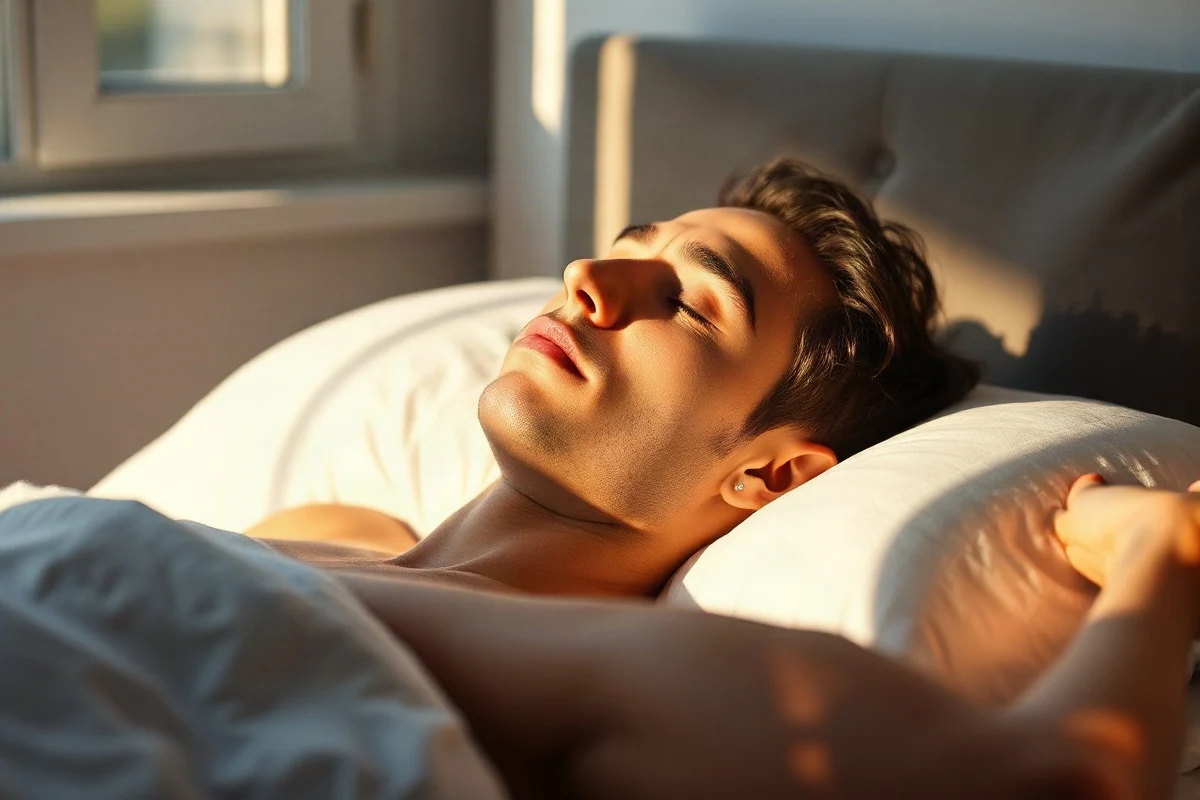
Yes, sleeping position can affect how puffy the under-eye area looks, especially when fluid collects around the eyes overnight. Sleeping flat, spending a long time on your stomach or side, and pressing your face into a pillow may make morning puffiness more noticeable for some people. However, position is only one possible factor. Genetics, allergies, salt intake, sleep quality, skin structure, irritation, and normal changes with age can also influence the appearance of under-eye bags.
A change in sleeping position may help reduce temporary morning swelling, but it is not a guaranteed solution and it does not diagnose or treat an underlying health condition. The goal is to understand which habits may affect appearance and build a gentle routine that supports the delicate skin around the eyes.
Why sleeping position may affect under-eye puffiness
When you lie down for several hours, gravity no longer encourages fluid to move downward in the same way it does while you are upright. Some people may notice that this contributes to temporary fluid retention around the eyes. The under-eye area is especially prone to looking swollen because its skin is thin and the surrounding tissue can make small changes in fluid distribution more visible.
Sleeping position can also affect pressure and friction. If your face is pressed into a pillow, the skin around one eye may appear more creased or swollen when you wake up. A side-sleeping position may make one side look puffier than the other, particularly if you remain in the same position for much of the night. These effects are usually cosmetic and temporary, but they can be frustrating when they occur regularly.

Sleeping flat
Lying completely flat may make morning puffiness more noticeable for people who are prone to fluid buildup. This does not mean that everyone needs to sleep in a raised position. Comfort, neck alignment, and sleep quality matter, and an awkward setup can create its own problems. If you want to experiment, a modest elevation of the upper body may be more practical than using a very tall pillow that bends the neck.
Sleeping on your stomach
Stomach sleeping can place pressure on the face and may encourage the skin around the eyes to press against bedding. It may also lead to more friction and temporary lines on waking. If stomach sleeping is the only position in which you rest comfortably, you do not necessarily need to change it immediately. Try reducing pressure on the eye area and keeping pillowcases clean instead of forcing a position that disrupts sleep.
Sleeping on your side
Side sleeping is not automatically a problem. However, the side against the pillow may look more swollen or creased in the morning. If you notice a consistent difference between sides, you could try adjusting your pillow height, changing which side you sleep on, or occasionally sleeping on your back if that is comfortable. These changes may affect appearance, but results vary from person to person.
Does sleeping on your back help with puffy eyes?
Sleeping on your back may reduce direct pressure on the face and can limit the pillow-related creasing that sometimes makes the eye area look tired. A slightly elevated upper body may also be worth considering if you regularly wake with temporary swelling. Still, back sleeping is not a guaranteed fix. Some people naturally shift positions during the night, and forcing a new position can make it harder to get restorative sleep.
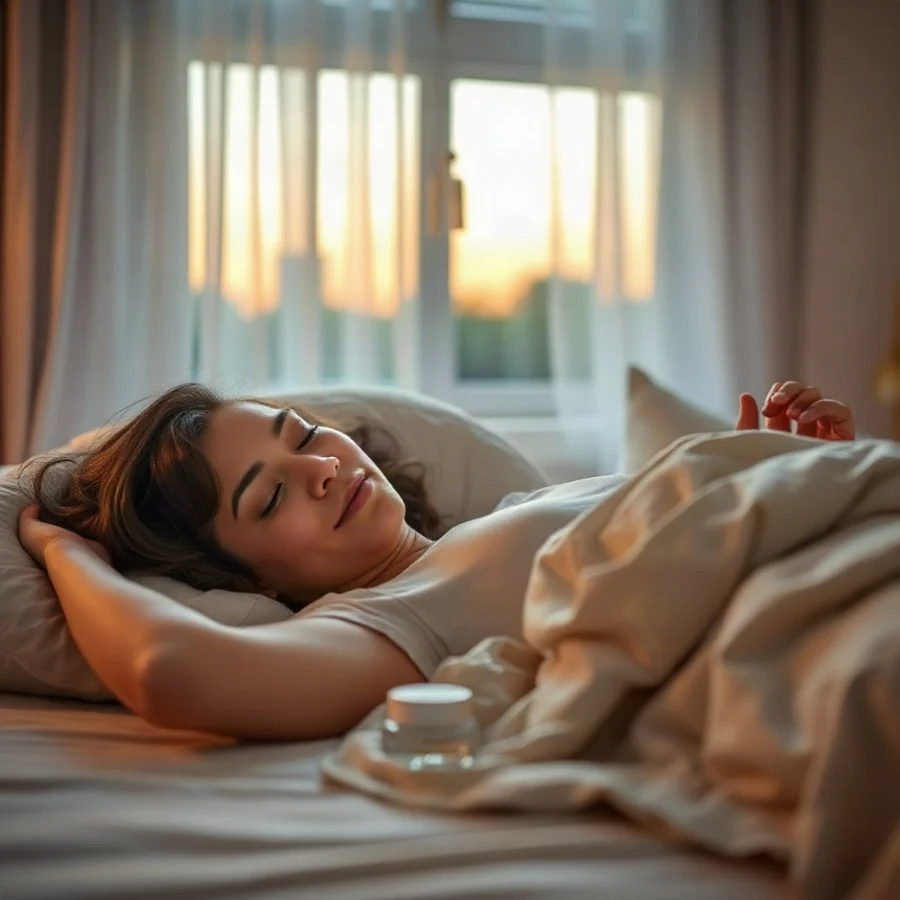
If you test a different position, make one change at a time and observe your appearance over several mornings rather than judging the result after one night. Morning puffiness can vary for many reasons, so a single observation does not establish that a particular position caused or solved it.
Other reasons your eyes may look puffy in the morning
Sleeping position is only part of the picture. Common lifestyle and environmental factors may also affect how the under-eye area looks:
- Short or disrupted sleep: Fatigue can make the eyes look more tired, even when it is not the direct cause of swelling.
- Allergens and congestion: Seasonal or indoor irritants may lead to rubbing, watering, or visible swelling. Persistent symptoms deserve medical attention rather than cosmetic troubleshooting alone.
- Eye rubbing: Rubbing can irritate delicate skin and temporarily increase redness or puffiness.
- Evening meals and beverages: Some people notice more visible swelling after consuming foods or drinks that contribute to their own fluid-retention pattern.
- Skin sensitivity: A new cleanser, makeup product, eye cream, or hair product can irritate the eye area, especially if it migrates during sleep.
- Natural anatomy and aging: Changes in skin elasticity and the structures beneath the eyes can make bags or hollows more noticeable over time.
If the appearance of dark circles or bags is a regular concern, our guide to puffiness and eye bags can help separate temporary swelling from other visible features. Puffiness, hollowness, shadowing, and pigmentation can look similar in a mirror but may respond differently to cosmetic care.
Practical sleep adjustments to try
Use supportive, comfortable elevation
If you want to try elevation, keep it moderate and stable. A pillow that supports the neck without sharply bending it may be more comfortable than stacking several pillows. An adjustable wedge or a bed setup designed for upper-body support may be another option, but comfort and safe sleep should remain priorities. Stop any adjustment that causes neck pain, headaches, numbness, or poorer sleep.
Keep pillowcases clean
Oil, sweat, skin-care residue, makeup, and hair products can accumulate on bedding. Regularly changing pillowcases may help limit contact with potential irritants. Choose a fabric and laundry product that your skin tolerates, particularly if the eye area is sensitive. Clean bedding will not eliminate every cause of puffiness, but it is a simple habit that can reduce unnecessary exposure.
Avoid sleeping with eye makeup on
Makeup left near the lash line can migrate overnight and contribute to irritation or rubbing. Remove eye makeup gently without scrubbing. If a remover stings, leaves the skin tight, or causes watering, consider switching to a simpler product and follow the label directions. Discontinue any product that repeatedly causes irritation.
Give your eyes a break from rubbing
When the area feels itchy or swollen, rubbing may be tempting, but it can make the visible irritation worse. A cool, clean compress applied briefly may feel soothing for temporary puffiness. Avoid pressing hard or placing very cold materials directly on the skin. If swelling is persistent, severe, painful, or accompanied by changes in vision, seek guidance from a qualified health professional.
Can eye cream help with puffiness caused by sleep?
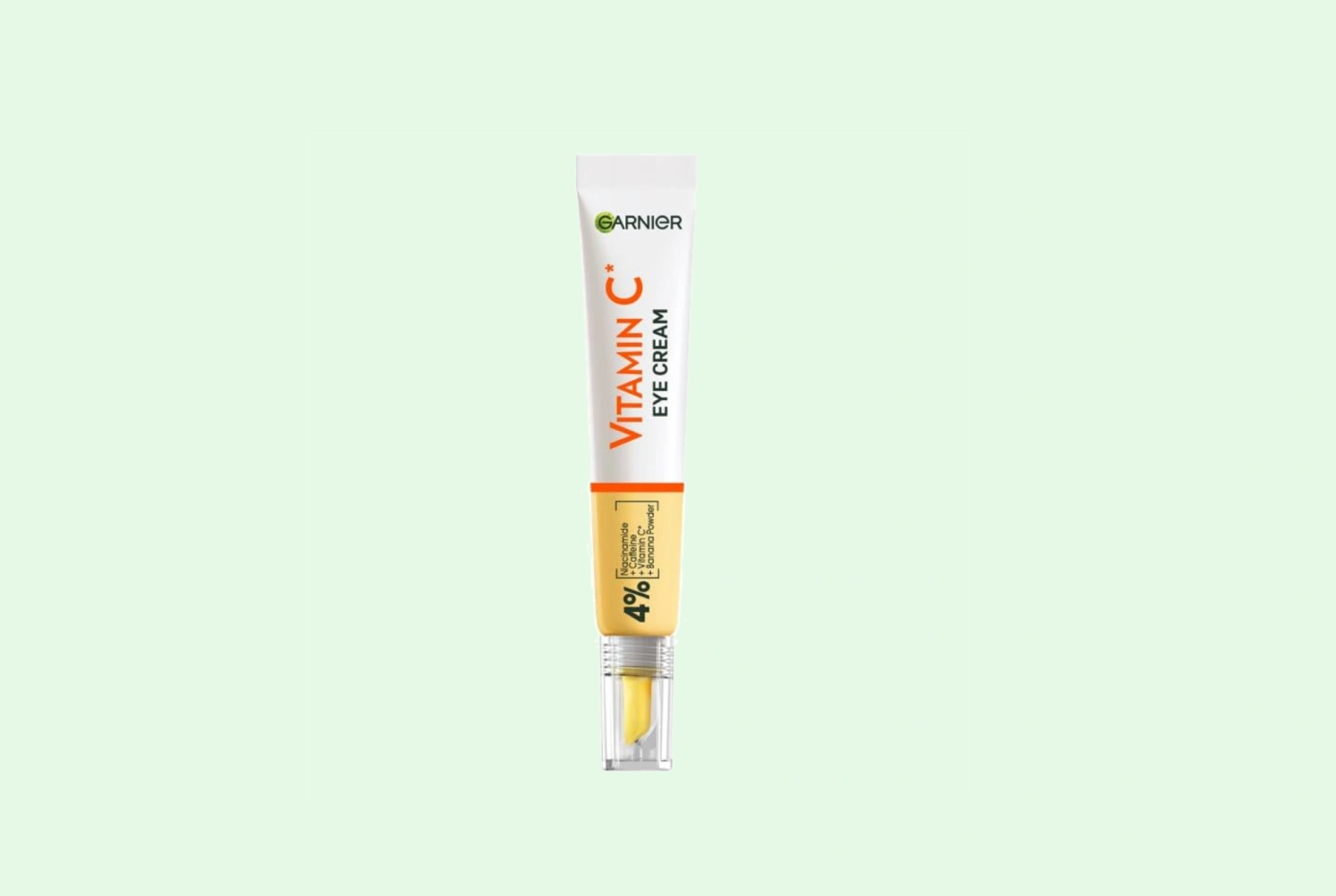
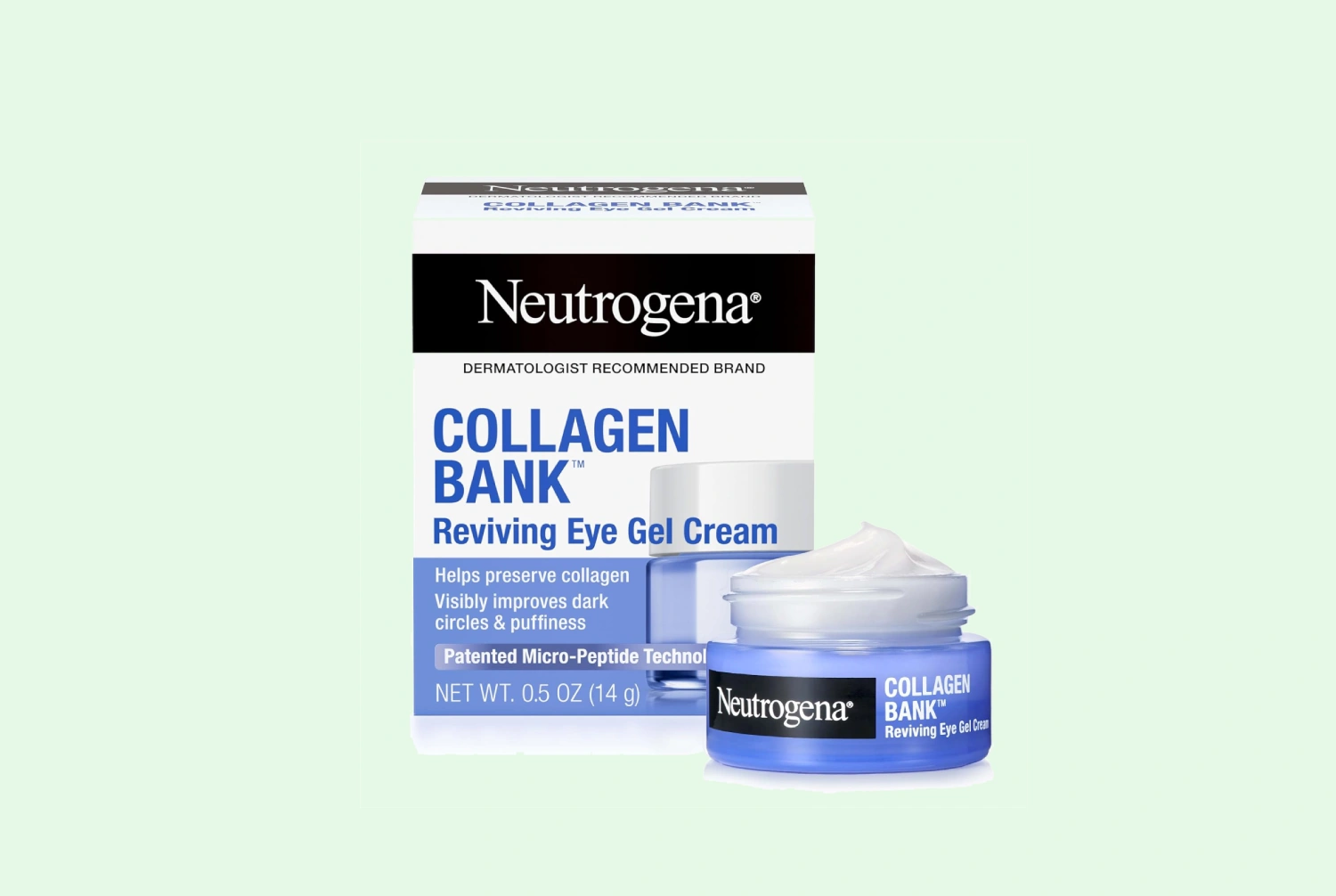
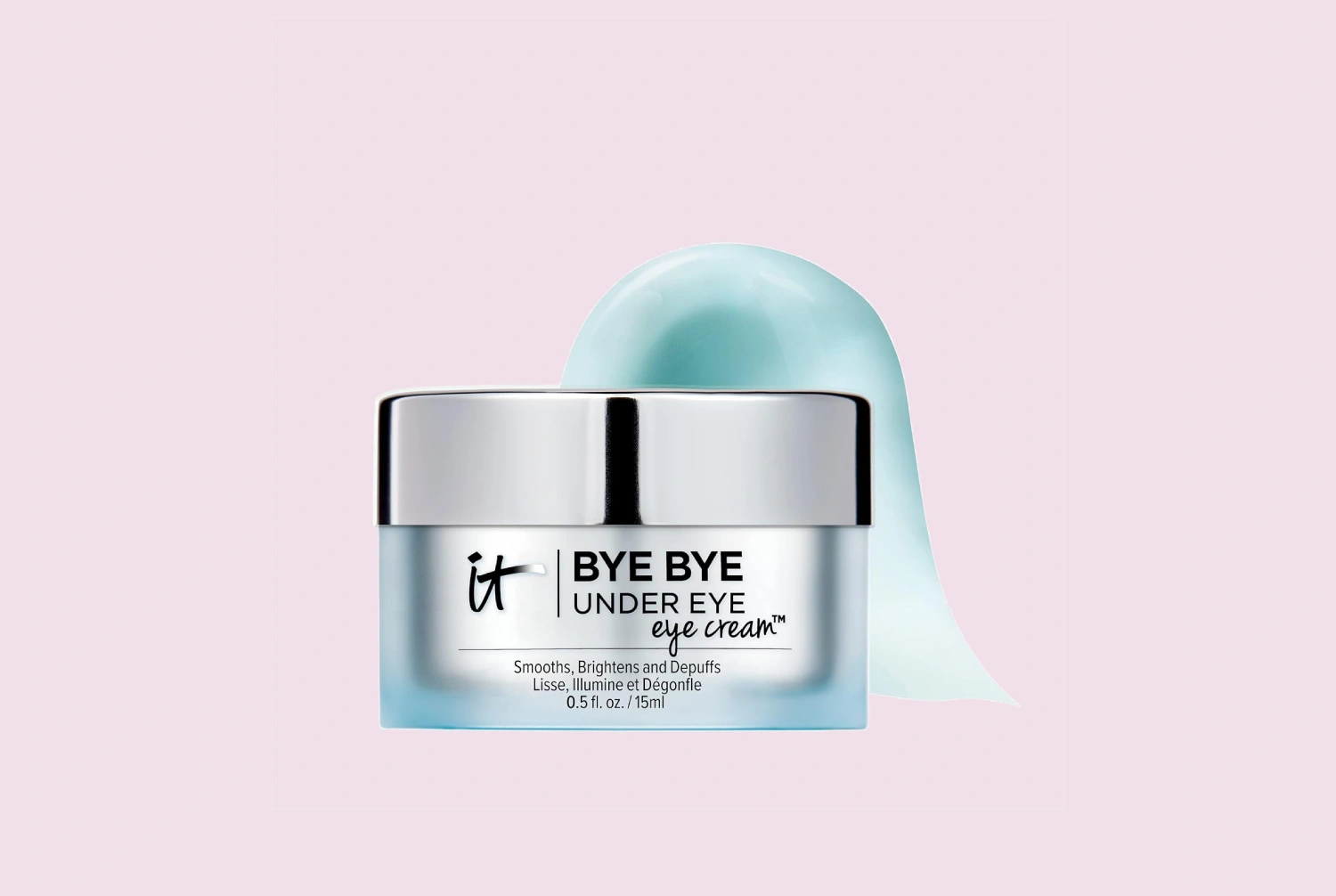
An eye cream may improve the look and feel of the skin, but it cannot reliably counteract every cause of morning puffiness. Lightweight formulas may be more comfortable if you dislike a heavy layer before bed. Moisturizing ingredients can temporarily make dry, fine-textured skin look smoother, while some formulas include caffeine or other ingredients marketed for a more refreshed appearance. These effects should be viewed as cosmetic and may be subtle or temporary.
Ingredient lists and formulas can change, so check the current product packaging or the manufacturer's ingredient list before buying or using a product. For an overview of common eye-care ingredients, see our eye cream ingredient guide.
Be cautious with active ingredients
Products containing retinoids, exfoliating acids, vitamin C, fragrance, or essential oils may not suit every eye area. The skin around the eyes can be more reactive than other parts of the face, and irritation may make redness, dryness, or puffiness appear more noticeable. Follow the product label, introduce one new product at a time, and consider a small patch test before applying near the eyes. Keep products out of the eyes themselves, and stop use if burning, persistent redness, swelling, or discomfort develops.
For a simple starting point, focus on gentle cleansing, comfortable moisturization, sun protection for the surrounding face, and avoiding products that clearly irritate you. More products do not necessarily produce better results.
How to apply an eye product without adding irritation
- Start with clean, dry hands and follow the product's instructions.
- Use only the amount recommended on the label; a thicker layer is not automatically more effective.
- Apply around the orbital area rather than directly on the eyelids or too close to the lash line unless the product specifically says it is suitable there.
- Tap gently with a fingertip instead of dragging the skin.
- Allow the product to absorb before going to bed if it tends to migrate into your eyes.
If you are unsure which type of routine fits your skin, the under-eye routine builder can help organize product choices without requiring a complicated regimen.
When puffiness may need more than a routine change
Occasional swelling that is most noticeable after waking may be cosmetic and temporary. However, do not rely on sleeping position or eye cream to explain every change around the eyes. Seek medical advice for swelling that is sudden, persistent, painful, strongly one-sided, associated with a rash, or accompanied by vision changes, discharge, breathing problems, or other concerning symptoms. A qualified clinician can assess symptoms that skincare guidance cannot.
It is also worth getting help if itching, watering, congestion, or repeated irritation is affecting your daily life. Those symptoms may have causes that require medical evaluation rather than a change in pillow position or product selection.
A realistic way to test whether position matters
Try a low-pressure experiment for one to two weeks. Keep your evening routine fairly consistent, avoid introducing several new products, and note whether you sleep on your back, side, or stomach. You can also record factors such as unusually salty meals, poor sleep, congestion, or eye rubbing. Take occasional photos in similar morning lighting if you want a more objective comparison, but avoid evaluating your face repeatedly throughout the day.
If your eyes look less swollen after changing position, that may suggest sleep posture contributes to your morning appearance. It does not prove that position is the only cause, and the effect may vary. If nothing changes, other factors such as anatomy, allergies, irritation, or normal fluid fluctuation may be more relevant.
Sleeping position can influence how noticeable puffy eyes look, particularly when pressure, fluid distribution, or pillow contact is involved. A comfortable back-sleeping setup, modest elevation, clean bedding, and a gentle eye-area routine may help some people appear less puffy in the morning. The most useful approach is realistic: test one change at a time, protect the delicate skin from irritation, and seek medical advice for persistent or unusual swelling instead of treating it as a purely cosmetic issue.

Comments
0No comments yet. Be the first to share a helpful note or question.
Leave a Comment
Your email address will not be published. Comments are reviewed before appearing on the site.