
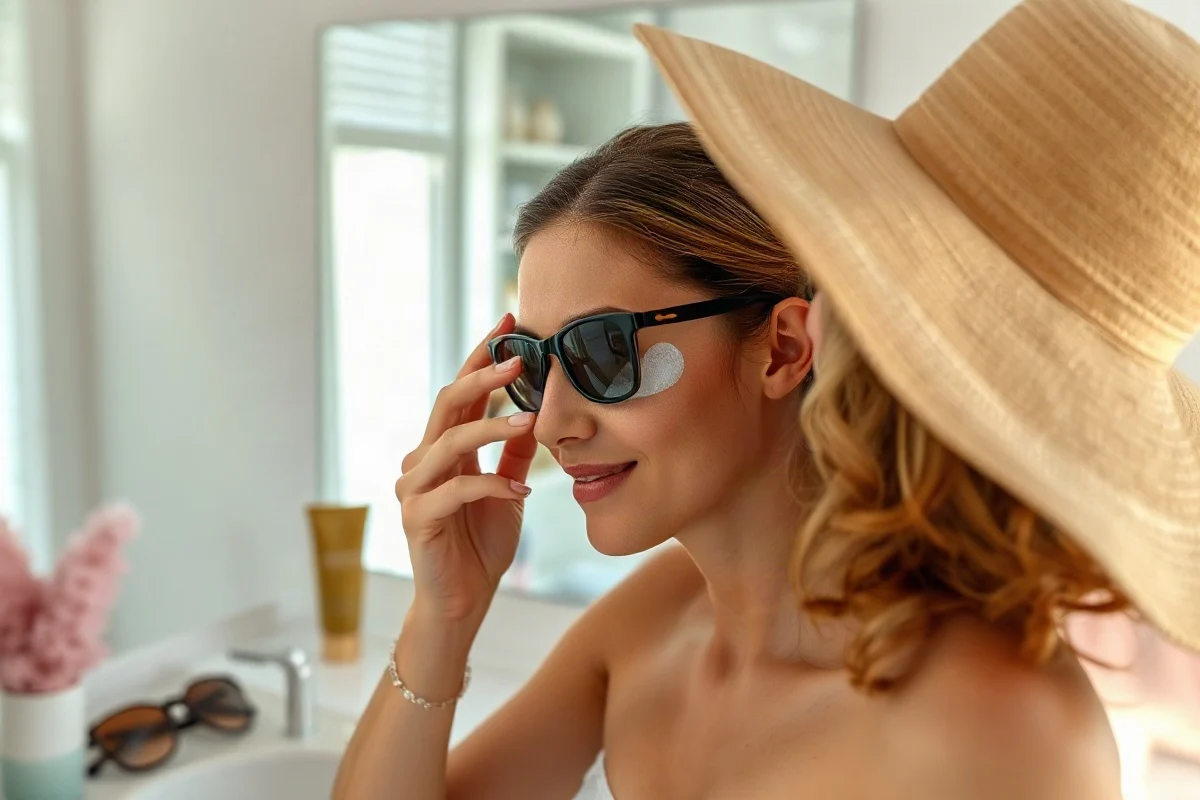
Yes. Daily sunscreen can help reduce the ultraviolet exposure that contributes to visible fine lines and wrinkles around the eyes. It cannot stop every sign of aging or erase lines that already exist, but consistent broad-spectrum sun protection may help limit additional photoaging over time. Because the eye area is delicate, the best approach combines a sunscreen suitable for the face, careful application around—but not in—the eyes, protective eyewear, and realistic expectations.
Why UV exposure matters for eye-area wrinkles
The skin around the eyes is relatively thin and frequently exposed to sunlight. Ultraviolet radiation can contribute to photoaging, the cumulative skin changes associated with repeated sun exposure. These changes may make fine lines, uneven texture, and other visible signs of aging more noticeable.
Sun exposure is not the only reason eye wrinkles develop. Natural aging, facial movement, skin dryness, genetics, smoking, environmental exposure, and individual skin characteristics can all influence how lines appear. Still, reducing avoidable UV exposure is a practical part of a long-term skincare routine.
Sunscreen does not create a permanent shield, and no product can block all ultraviolet exposure. Protection works best when it is used consistently and combined with other sun-protective habits. You can explore related ingredient and routine guidance in our eye cream ingredient guide.

What sunscreen can—and cannot—do
What it may help with
When used as directed, sunscreen can help reduce the amount of UV radiation reaching exposed skin. That may help limit some of the sun-related damage associated with the gradual development of visible fine lines and wrinkles. It may also help protect against uneven-looking pigmentation, although sunscreen is not a guaranteed solution for every type of discoloration around the eyes.
The benefit is mainly preventive and supportive. Sunscreen is most useful as part of a routine maintained over time rather than as a product expected to produce a quick cosmetic change.
What it will not do
Sunscreen will not erase existing wrinkles, restore lost skin elasticity, or stop normal facial movement. It also does not diagnose or treat a medical condition affecting the skin around the eyes. If you have persistent irritation, swelling, pain, a rash, or a changing spot, consult a qualified health professional rather than relying on cosmetic skincare.
Some formulas can temporarily make the skin look smoother by adding moisture or creating a more even surface. That is a cosmetic effect and should not be confused with reversing structural changes in the skin.

Choosing sunscreen for the eye area
Look for broad-spectrum protection
A broad-spectrum sunscreen is designed to protect against both major types of ultraviolet radiation associated with sun exposure. Check the current product label for the protection information and directions. Sunscreen labeling and formulas can change, so verify the packaging or the manufacturer’s current ingredient and usage information when product-specific details matter.
The most protective sunscreen is often the one you can apply comfortably and use consistently. A formula that stings, leaves the eyelids irritated, or causes persistent watering may be difficult to use near the eyes, even if it looks appealing on paper.
Consider texture and eye comfort
People often have different preferences for lotions, creams, fluids, sticks, or mineral formulas. Texture can affect whether sunscreen migrates into the eyes during the day, especially in heat, humidity, or while exercising. A product intended for the face may be more comfortable than one designed for the body, but the label should still be followed carefully.
Mineral sunscreens commonly use mineral UV filters, while other products use different types of UV filters. One category is not automatically right for everyone. If you have sensitive skin, compare the current label, avoid applying products directly to the eye, and introduce a new formula cautiously.
Do not assume an eye cream replaces sunscreen
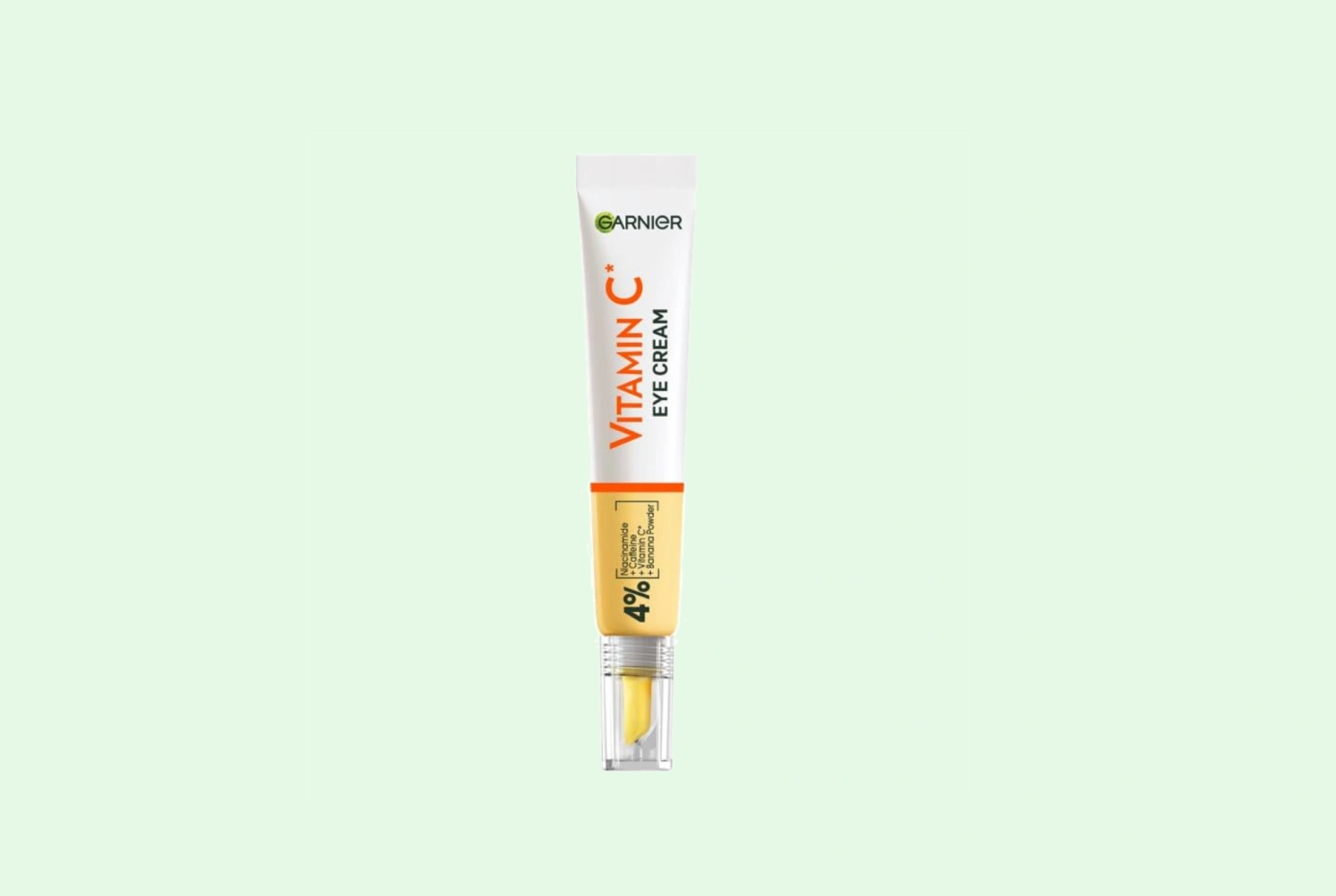
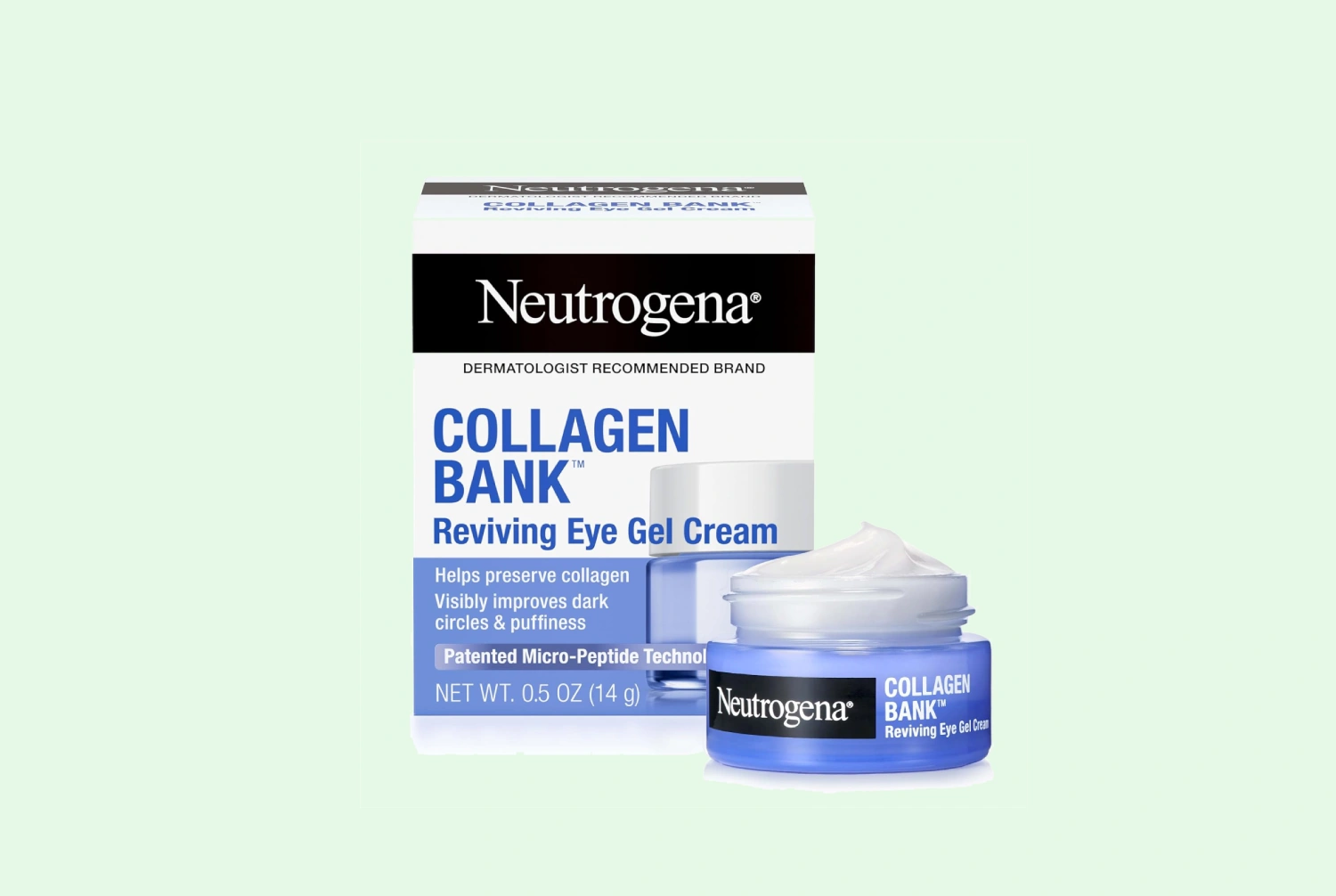
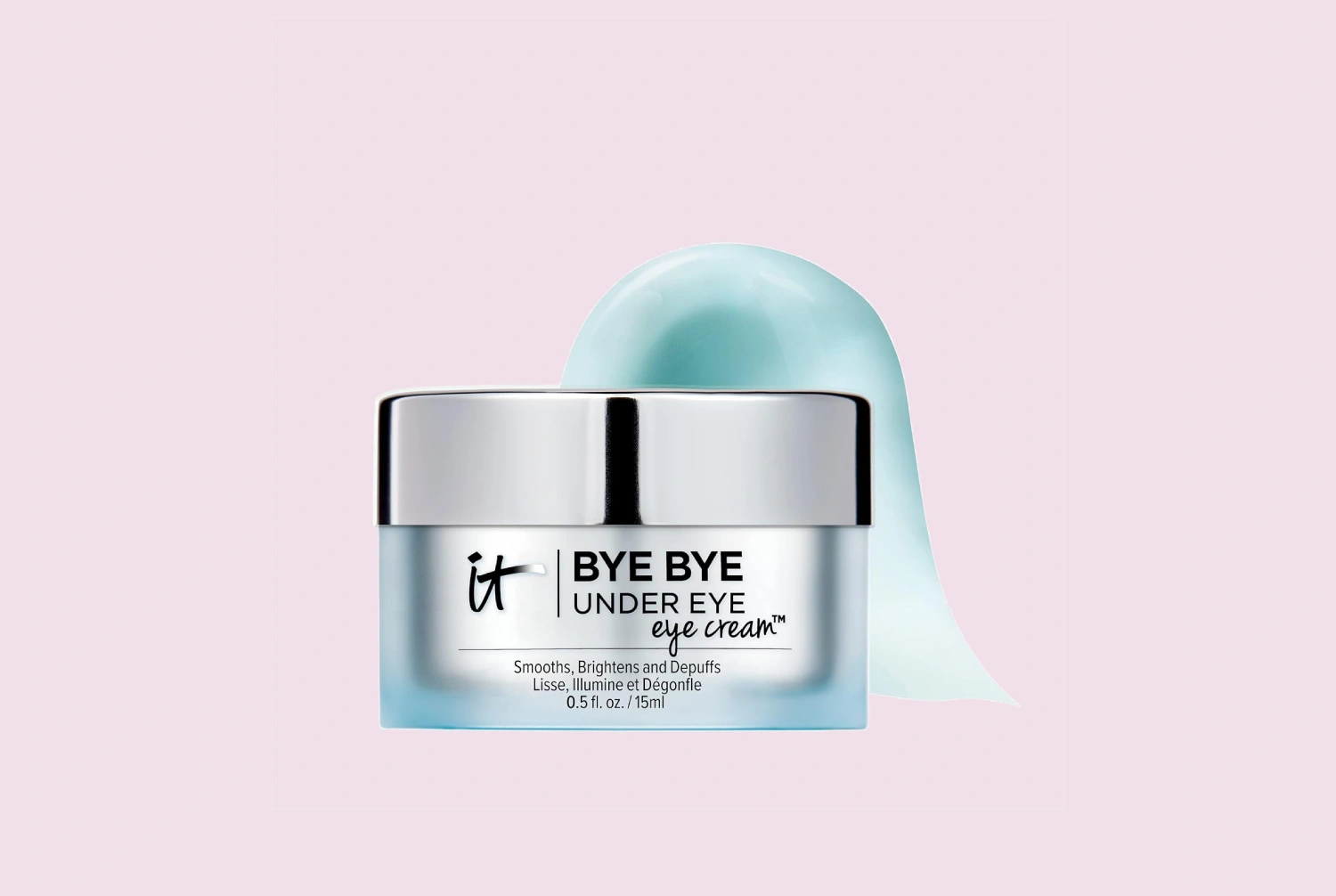
Many eye creams focus on moisturization or cosmetic concerns such as the appearance of dryness and fine lines. Unless a product is specifically labeled as a sunscreen, it should not be treated as your primary source of sun protection. An eye cream may fit underneath sunscreen, but layering products can increase the chance of pilling, migration, or irritation.
When using several products, allow each layer to settle according to the product directions and apply only a small amount near the orbital area. Avoid getting skincare products into the eyes.
How to apply sunscreen near your eyes
Start with clean, dry skin and apply sunscreen to the exposed areas of the face according to the product’s directions. Use gentle tapping rather than vigorous rubbing around the eyes. Keep the product out of the eyes and avoid placing it on the inner eyelid or directly along the wet edge of the eye.
The upper eyelids can be especially sensitive, and not every sunscreen is comfortable there. If the label does not direct you to apply a product to the eyelids, use caution. You can protect this area with sunglasses, a hat, and shade rather than forcing a product that causes burning or watering.
Apply sunscreen before going outdoors when directed by the label, and reapply as instructed, especially after sweating, swimming, toweling off, or prolonged outdoor exposure. Reapplication can be easy to overlook around the eyes, so a routine connected to other daily habits may be more sustainable.
Do not use more product than feels comfortable by pushing sunscreen into the eyes. Instead, cover the surrounding exposed skin carefully and use physical protection to reduce additional exposure.
Physical protection can make a meaningful difference
Sunscreen is only one part of a sun-protection routine. Sunglasses that provide UV protection can help shield the eye area from direct sunlight while also reducing squinting in bright conditions. A wide-brimmed hat and shade can further reduce exposure during outdoor activities.
Squinting is not the same thing as UV damage, and sunglasses should not be presented as a wrinkle treatment. However, reducing direct brightness may make it easier to avoid repeatedly narrowing the eyes. More importantly, physical barriers can reduce the amount of sunlight reaching the surrounding skin.
Daily protection is relevant even when the weather is cool or cloudy because outdoor UV exposure is not limited to hot, sunny days. Your exposure pattern depends on location, season, time outdoors, and local conditions. Follow current public-health sun-safety guidance for your circumstances.
Where moisturizing and active ingredients fit
Moisturizer can make dry-looking fine lines appear less noticeable by improving the skin’s surface hydration. This does not mean it removes wrinkles, but comfortable, moisturized skin may look smoother. A simple eye-area routine might include a gentle moisturizer or eye cream followed by sunscreen during the daytime, if the products are compatible and comfortable.
Some people also use active ingredients intended to improve the appearance of fine lines, such as retinoid-related products or antioxidant formulas. These products can be irritating, particularly near the eyes, and their suitability depends on the individual product and the user’s skin. Follow the label, introduce potentially irritating actives cautiously, and avoid combining multiple new actives at once.
Do not apply a facial active to the eye area simply because it is marketed for wrinkles. Check the product directions first. Patch testing may help identify obvious irritation, although it cannot guarantee that a product will be comfortable near the eyes. Stop using a product if it causes significant burning, swelling, rash, or ongoing irritation, and seek medical advice when symptoms are severe or persistent. Our sensitive-skin eye care guide offers additional routine considerations.
Common sunscreen mistakes around the eyes
Skipping the area because it feels sensitive
Some people avoid the eye area entirely after experiencing stinging. Instead of abandoning sun protection, consider adjusting the strategy: use a more comfortable product around the orbital area, apply less near the lash line, and rely on UV-protective sunglasses and a hat for additional coverage. Product comfort is important because an irritating formula is unlikely to support a consistent routine.
Applying too close to the eye
More is not always better if sunscreen is placed directly in the eye. Apply to surrounding skin without coating the wet inner rim or allowing the product to pool in creases. If sunscreen enters the eye, follow the product’s first-aid directions and rinse as appropriate. Persistent discomfort warrants professional medical guidance.
Forgetting reapplication
Morning application may not provide the same level of protection after sweating, swimming, wiping the face, or spending many hours outside. Keep the product directions in mind and reapply when instructed. A sunscreen stick, fluid, or cream may each have different practical advantages, but packaging should guide use.
Relying on an SPF label alone
A label does not replace adequate coverage, careful application, reapplication, or physical protection. It is also important to check whether the product is intended for the face and whether its current directions address use near the eyes.
What realistic results look like
The goal of using sunscreen around the eyes is not to keep the skin unchanged forever. A realistic goal is to reduce one modifiable source of environmental exposure that can contribute to visible photoaging. Any improvement in how the area looks is likely to be gradual, subtle, and influenced by many factors besides sunscreen.
Consistency matters more than searching for a single perfect product. A comfortable routine that includes broad-spectrum sunscreen, sunglasses, shade, and gentle skincare may be more useful than an elaborate routine that causes irritation or is difficult to maintain.
If your primary concern is the appearance of established fine lines, you may wish to compare routine options in our fine lines and wrinkles guide. Keep expectations cosmetic and practical: skincare may support the look and feel of the skin, but it cannot guarantee a specific result.
A simple daytime routine
- Cleanse gently, or rinse if cleansing is not needed.
- Apply a compatible moisturizer or eye cream if your skin benefits from one.
- Apply a broad-spectrum sunscreen to exposed facial skin, taking care around the eyes and following the label.
- Put on UV-protective sunglasses and consider a hat when spending time outdoors.
- Reapply according to the product directions, especially after sweating, swimming, toweling, or extended outdoor exposure.
In short, sunscreen can help reduce the UV exposure associated with new, visible eye wrinkles, but it is not an eraser or a guarantee. Choose a formula you can tolerate, apply it carefully, protect the area with sunglasses and shade, and keep the rest of your routine gentle and consistent.

Comments
0No comments yet. Be the first to share a helpful note or question.
Leave a Comment
Your email address will not be published. Comments are reviewed before appearing on the site.