

Yes, vitamin C can irritate the under-eye area. The skin around the eyes is delicate, and some vitamin C formulas may cause stinging, redness, dryness, tightness, flaking, or watering. Irritation is more likely when the product is highly acidic, combined with other potentially irritating ingredients, applied too close to the eyes, or used on an already weakened skin barrier. Vitamin C may help support a brighter-looking, more even appearance over time, but it is not essential for everyone and should not be used through discomfort.
Why the under-eye area can react to vitamin C
The skin around the eyes is thinner and more easily disturbed than many areas of the face. It also moves constantly with blinking and facial expressions. Because of this, a product that feels comfortable on the cheeks may feel too intense near the eyes.
Vitamin C is not one single ingredient in skincare. Products may use different forms, such as pure ascorbic acid or vitamin C derivatives. Their formulas can also differ in acidity, texture, supporting ingredients, and packaging. Two products labeled as vitamin C eye creams may therefore feel very different in use. Product formulas can change, so check the current packaging and the manufacturer’s ingredient list when specific formula details matter.
Pure ascorbic acid is often formulated at a low pH. That environment may contribute to a tingling sensation for some people, particularly when the skin is dry, recently exfoliated, or already irritated. A mild sensation does not automatically mean a product is causing harm, but persistent burning, increasing redness, swelling, or scaling is a reason to stop rather than push through.

Common signs of under-eye irritation
Possible signs include:
- Stinging or burning that continues after application
- Redness or a flushed appearance
- Dryness, tightness, or rough texture
- Flaking or peeling
- Itching or increased sensitivity
- Watery eyes or discomfort near the lash line
These signs can have many possible causes, including weather, rubbing, makeup removal, allergies, or other skincare products. They are not enough to identify a medical condition. If symptoms are severe, persistent, painful, or affect the eye itself, consider seeking advice from a qualified healthcare professional.
Is vitamin C safe for sensitive skin?
Some people with sensitive skin can use vitamin C comfortably, while others may prefer to avoid it around the eyes. “Sensitive skin” is not a diagnosis, and sensitivity can vary from day to day. Cold weather, dehydration, over-cleansing, sun exposure, and the use of exfoliating products can all make the area more reactive.
If your under-eye skin often becomes irritated, begin with a simple routine rather than adding several active ingredients at once. A gentle cleanser, a bland moisturizer suitable for the eye area, and daytime sun protection may be more useful starting points than a strong active product. Our sensitive skin guide offers additional routine considerations.

Choosing a product specifically labeled for the eye area may reduce the chance of accidental migration into the eyes, but it does not guarantee that irritation will not occur. Follow the product’s directions and review the current ingredient list before use.
How to try vitamin C more cautiously
Patch test before applying it near the eyes
Test a small amount on an inconspicuous area according to the product instructions before using it under both eyes. A patch test cannot predict every reaction, and the skin near the eyes may still respond differently, but it is a cautious first step. Do not apply a new product directly to the lash line or into the eye.
Start with a small amount and less frequent use
Use only the amount directed on the label. If the product is intended for gradual introduction, begin less frequently rather than applying it every day immediately. Give your skin time to show how it responds before increasing use. More product is not necessarily more effective and may increase the chance of irritation.
Keep the application away from the eye opening
Apply a thin layer to the orbital area, avoiding the eyelids, inner corners, and immediate lash line unless the product specifically instructs otherwise. Skin warmth and facial movement can cause products to spread after application. If your eyes water or the product gets into your eyes, rinse with clean water and stop using it if discomfort continues.
Avoid stacking multiple strong actives
Using vitamin C at the same time as other potentially irritating ingredients may make it harder to identify the cause of a reaction and may increase overall stress on the skin. Be especially cautious when your routine also includes retinoids, exfoliating acids, or abrasive products. You may choose to use different actives on different nights, or keep the under-eye routine simple while introducing one new product.
For broader ingredient research, you can use the site’s eye cream ingredient guide. The goal is not to avoid every active ingredient, but to introduce changes slowly and observe your skin’s response.
What to do if vitamin C causes irritation
Stop applying the vitamin C product if it causes significant or worsening discomfort. Return to a basic routine with gentle cleansing and a moisturizer that you already know your skin tolerates. Avoid scrubs, exfoliating acids, retinoids, and other new products until the area feels comfortable again.
Do not try to counteract burning by applying more products. Occlusive or fragranced products may not be appropriate for everyone, and adding several ingredients can complicate the situation. If irritation does not settle, or if you notice marked swelling, blistering, pain, discharge, vision changes, or symptoms involving the eye, seek medical advice promptly.
Once the skin appears calm, you can decide whether vitamin C is worth trying again. Some people may prefer a different formula or a vitamin C derivative, but a different form is not automatically irritation-free. Reintroduce only if the product directions support it, and stop again if symptoms return.
Can vitamin C improve dark circles?
Vitamin C is often included in products designed to support a brighter, more even-looking complexion. That cosmetic goal may be relevant to some types of under-eye discoloration, but dark circles have different possible contributors. Visible darkness may relate to natural pigmentation, shadows from facial structure, thin-looking skin, visible blood vessels, lack of sleep, rubbing, or other factors.
Because causes vary, a vitamin C product cannot be expected to remove every type of dark circle. It also cannot change the underlying structure that creates a shadow or treat an undiagnosed medical problem. If discoloration appears suddenly, affects only one side, or comes with swelling, pain, a rash, or other concerning changes, consult a healthcare professional rather than relying on an eye cream.
Daily sun protection can also matter for the appearance of uneven tone. Use a product intended for the face and eye area as directed, and take care to avoid getting sunscreen in the eyes. Physical protection, such as sunglasses and a hat, can complement a skincare routine.
How to choose a vitamin C eye product
When comparing products, look beyond the words “vitamin C” on the front of the package. Consider the following:
- Intended area: Choose a product whose directions clearly explain whether it is suitable for the eye area.
- Supporting ingredients: A simple, fragrance-free formula may be easier to evaluate if your skin is reactive, although fragrance-free does not guarantee that irritation will not occur.
- Texture and packaging: Select a texture you can apply without rubbing. Follow storage instructions and pay attention to changes in color, smell, or texture.
- Routine compatibility: Avoid introducing the product during a period when your skin is already irritated or when you are adding several other actives.
- Current labeling: Ingredients and directions can change. Verify the latest packaging or manufacturer information before purchasing or using a product.
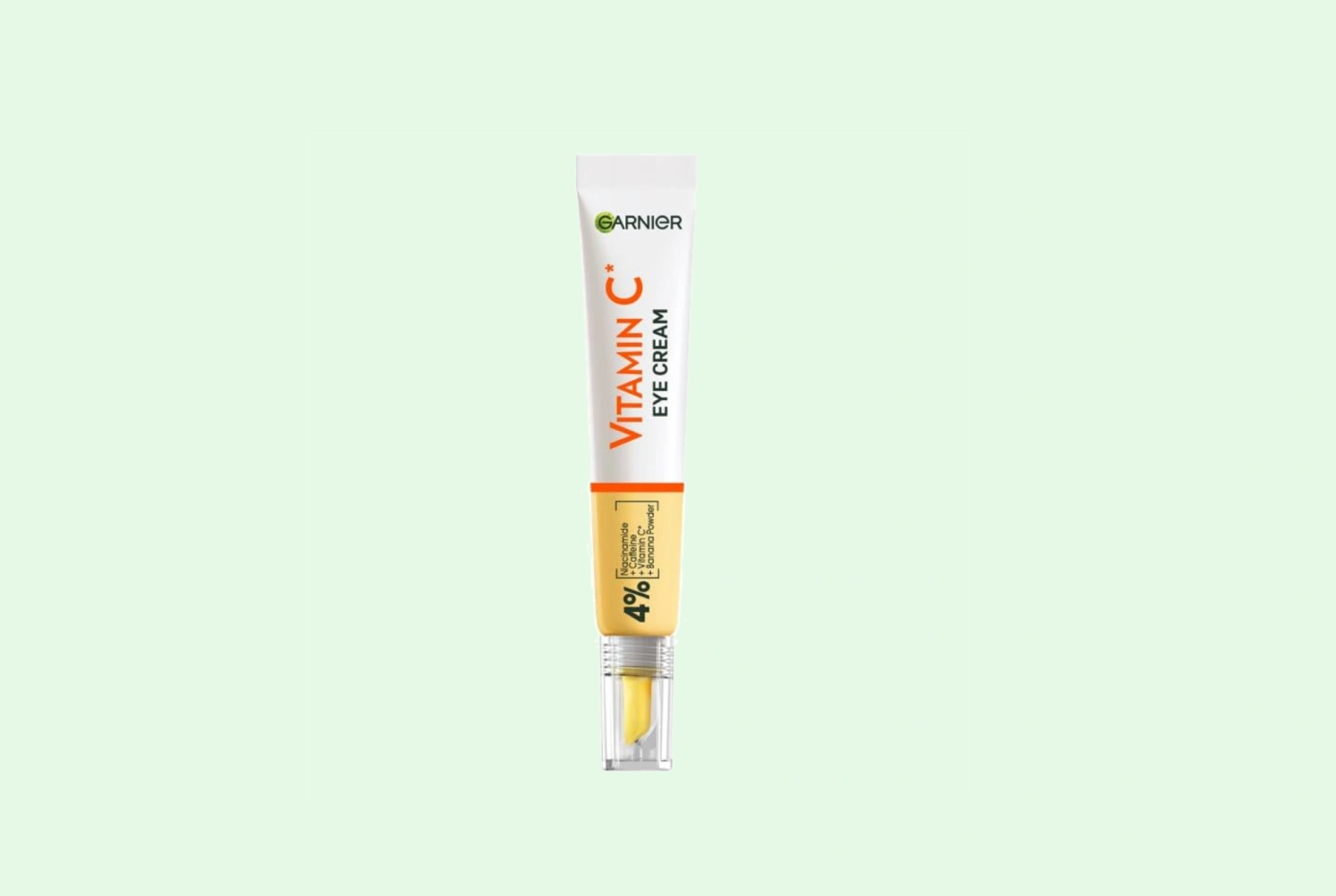
If you are comparing different types of vitamin C products, our vitamin C eye cream category can help you organize your research without assuming that one format suits every eye area.
When a different routine may be better
Vitamin C is optional. If your priority is comfort, hydration, or reducing the look of dryness-related fine lines, a gentle moisturizer may be a more appropriate first choice. If puffiness is your main concern, skincare may offer only a temporary cosmetic improvement, and persistent or unusual swelling deserves medical attention. If fine lines are your focus, remember that irritation can make them look more noticeable by increasing dryness.
A useful routine is one you can follow consistently without causing discomfort. You can use the under-eye routine builder to think through skin type, concerns, and ingredient tolerance before adding another active.
The practical takeaway
Vitamin C can be a reasonable cosmetic ingredient for some people, but the under-eye area requires a cautious approach. Use a product as directed, patch test first, apply it away from the eye opening, and introduce it gradually when appropriate. Avoid combining several potentially irritating actives during the same period, and stop using the product if burning, redness, swelling, or persistent dryness develops.
Most importantly, irritation is not evidence that a product is working. A comfortable, uncomplicated routine is often a better choice than forcing an active ingredient that your under-eye skin does not tolerate.

Comments
0No comments yet. Be the first to share a helpful note or question.
Leave a Comment
Your email address will not be published. Comments are reviewed before appearing on the site.