

Yes, you can generally use niacinamide and vitamin C around the eyes, provided the products are intended for that area and your skin tolerates them. The two ingredients can fit into the same routine, either in one formula or as separate products. However, the under-eye area is thin and often more sensitive than the rest of the face, so a cautious application strategy matters more than layering as many actives as possible.
Niacinamide and vitamin C may help improve the appearance of uneven tone, dullness, dryness, and some visible signs of environmental stress. They do not work the same way for every type of dark circle, and neither ingredient is a guaranteed solution for genetic pigmentation, visible blood vessels, hollowness, shadows caused by facial structure, allergies, or persistent swelling. If discoloration or swelling is new, severe, painful, or accompanied by other symptoms, seek medical advice rather than treating it only as a cosmetic concern.
What niacinamide may do around the eyes
Niacinamide is a form of vitamin B3 used in many skincare products. In cosmetics, it is commonly included to support the skin barrier, improve the look of uneven tone, and make the skin appear smoother and more balanced. A well-formulated product may also help the under-eye area feel less dry, which can make fine lines look less noticeable temporarily.
Because barrier support can be useful for delicate skin, niacinamide is often considered a practical ingredient for people who do not tolerate stronger actives well. Still, “gentle” does not mean universally irritation-free. Some people experience redness, stinging, itching, or bumps from a particular product, whether because of niacinamide itself or another ingredient in the formula.

Niacinamide is not a bleaching treatment, and it should not be expected to erase dark circles. Its cosmetic role is better understood as supporting a more even-looking, comfortable complexion over time when used consistently and tolerated well.
What vitamin C may do around the eyes
Vitamin C is an antioxidant ingredient used in skincare to help defend against oxidative stress and improve the appearance of dull or uneven skin. Depending on the form used, a vitamin C product may be positioned for brightening, antioxidant care, or support for a smoother-looking complexion.
Vitamin C formulas vary considerably. Some use a direct form of vitamin C, while others use a derivative designed for improved stability or tolerability. These differences can affect how a product feels, how it is stored, and how suitable it may be for the eye area. Do not assume that every vitamin C serum or cream is appropriate for use close to the eyes.
Vitamin C can sting, especially on dry, compromised, or sensitive skin. The risk may be higher when a product is strongly fragranced, highly acidic, or combined with other potentially irritating ingredients. If your eyes water, the skin burns, or redness persists after application, rinse the area if needed and stop using the product until the reaction settles.
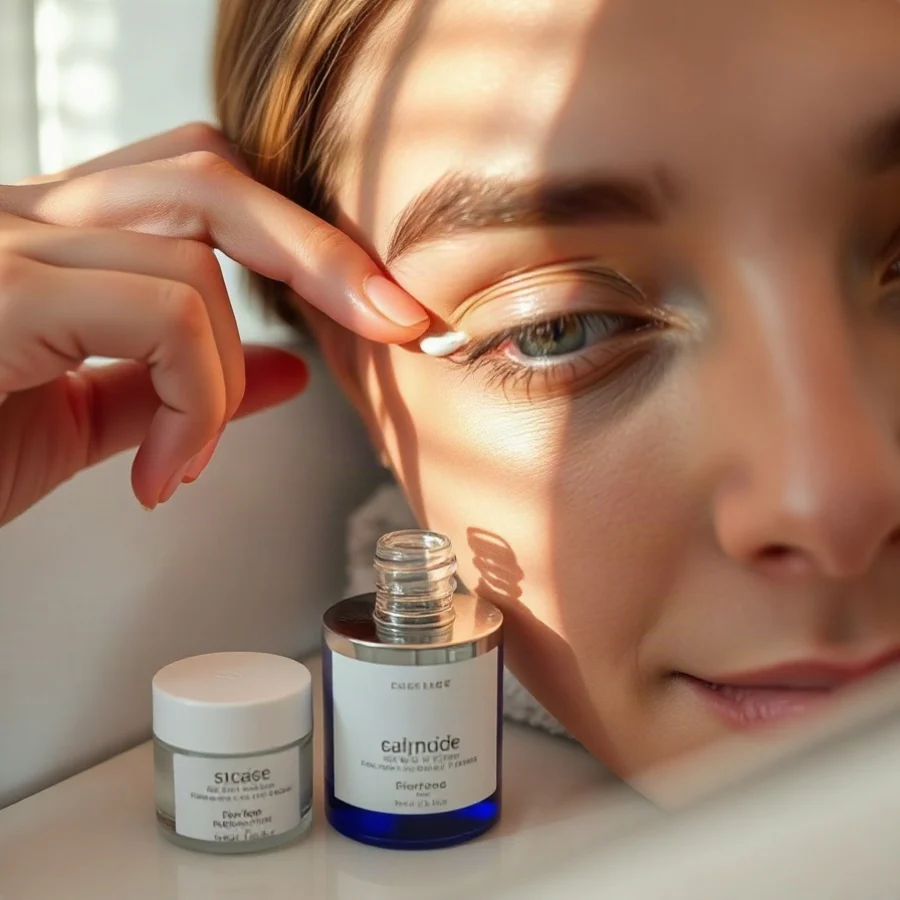
Can you apply both ingredients in the same routine?
For most people, niacinamide and vitamin C are compatible and do not need to be separated simply because they are used together. Modern skincare formulas may contain both ingredients, and using them in the same routine is not automatically unsafe.
The more important question is whether the complete products are appropriate for the under-eye area. A facial serum can contain a concentration, texture, pH, fragrance, or combination of actives that feels fine on the cheeks but is uncomfortable near the eyes. Look for clear directions from the manufacturer, and keep the product outside the eye itself and away from the lash line unless the label specifically instructs otherwise.
If you are introducing both ingredients for the first time, avoid starting them together. Begin with one product and use it on a limited schedule. Once your skin has shown that it can tolerate that product, introduce the other. This makes it easier to identify which formula is causing a problem if irritation develops.
How to build a cautious under-eye routine
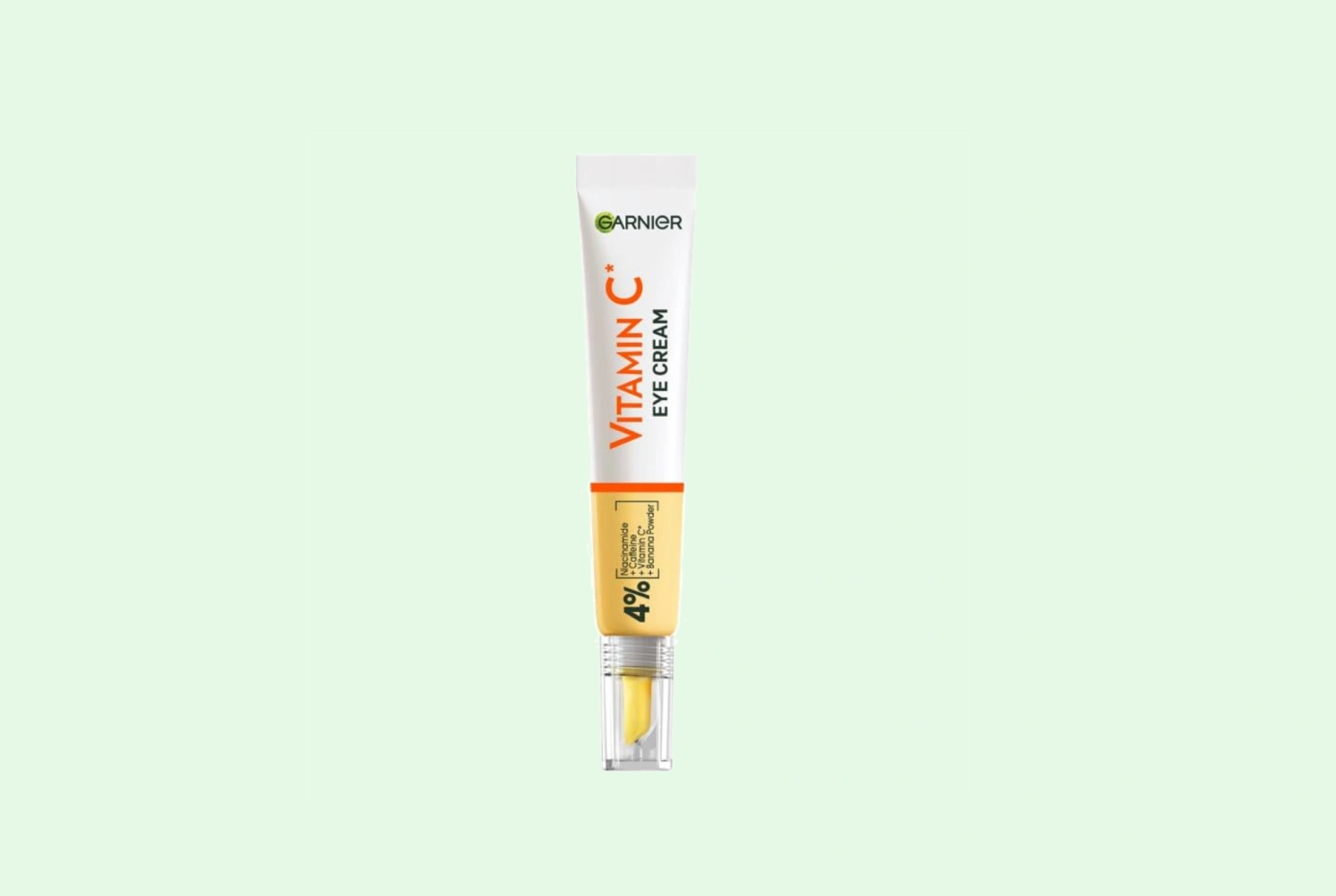
Option 1: Use a product that contains both ingredients
A single eye-area product containing niacinamide and vitamin C can simplify your routine. Follow the package directions, and use only the amount recommended. More product does not necessarily produce better cosmetic results, and applying too much can increase the chance of migration into the eyes or pilling under makeup.
Because formulas can change, check the current packaging and the manufacturer’s ingredient list before buying or using a product. If the formula includes other active ingredients, review those as well. You can use our eye cream ingredient guide to compare the general roles of common under-eye ingredients.
Option 2: Apply the products at different times
If you prefer separate products, you might use niacinamide in the morning and vitamin C at another time, or alternate them on different days. This is not required for compatibility, but it can make a routine easier to tolerate and troubleshoot.
In the morning, finish with broad-spectrum sunscreen on the surrounding facial skin as directed by the product label. Sunscreen is especially relevant when the goal is a more even-looking complexion, although it should not be placed directly in the eye. Sunglasses and physical shade can also reduce squinting and help limit sun exposure around the eyes.
Option 3: Choose only one active
You do not need both ingredients to have a sensible eye-care routine. If your skin is reactive, a bland moisturizer designed for the eye area may be a better starting point. Once dryness and irritation are under control, you can decide whether adding niacinamide or vitamin C is worthwhile.
For help organizing products according to your concerns and tolerance, consider using an under-eye routine builder rather than adding several new products at once.
Where should each product go in your routine?
Apply products from thinner to thicker textures, unless the product directions say otherwise. After cleansing, a lightweight treatment can usually be followed by an eye cream or moisturizer. Use a small amount and gently pat it along the orbital bone rather than rubbing directly across the eyelids.
Keep a reasonable distance from the waterline and the inner corner of the eye. Body heat and facial movement can cause products to spread after application. If a product repeatedly migrates into your eyes, it may not be the right texture or formula for this area, even if it is marketed for the face.
During the day, apply sunscreen to the surrounding skin according to its directions. At night, use a simple moisturizer if the area feels dry. Avoid introducing vitamin C, niacinamide, exfoliating acids, retinoids, and new fragranced products all at the same time.
How to patch test and introduce the ingredients
Before using a new product near the eyes, patch test it on a small area of skin away from the eye. Follow the product’s directions, and observe the area for signs of irritation. A patch test cannot guarantee that a product will never cause a reaction, but it can provide an additional precaution.
Introduce one new product at a time. Start with occasional use rather than immediately applying it every day. If the skin remains comfortable, you can gradually follow the label’s recommended frequency. Stop using the product if you develop burning, swelling, a rash, persistent redness, or worsening discomfort. Seek medical care promptly for significant swelling, eye pain, vision changes, or breathing symptoms.
What results are realistic?
Niacinamide and vitamin C may help the under-eye area look brighter, smoother, or more hydrated, but the visible effect depends on the reason the area appears dark. Dark circles can involve several factors at once, including inherited pigmentation, thin skin, shadows from hollowness, visible vessels, irritation, fatigue-related changes, and sun exposure.
Topical skincare is more likely to improve the surface appearance of skin than to change facial structure or remove a pronounced hollow. Puffiness may also have causes that a brightening ingredient cannot address. If your main concern is swelling, you may find more relevant information in our guide to puffiness and eye bags.
Consistency and tolerance are more useful goals than expecting a dramatic overnight change. Take occasional photos in similar lighting if you want to assess whether your routine is making a cosmetic difference. Avoid comparing your skin with heavily edited images or judging results under constantly changing lighting conditions.
Who should be especially careful?
Use extra caution if you have sensitive skin, eczema-prone skin, a history of contact reactions, or an already irritated eye area. Fragrance, essential oils, exfoliating acids, retinoids, and some preservatives may also contribute to discomfort, depending on the individual formula and your skin.
If you are receiving treatment for an eye or skin condition, ask your healthcare professional before adding active skincare near the area. Cosmetic products are not substitutes for diagnosis or treatment. Persistent darkening, one-sided changes, ongoing swelling, or symptoms involving the eye itself deserve professional evaluation.
How to choose between niacinamide and vitamin C
Niacinamide may be the more practical first choice if your main concerns are dryness, a weakened-feeling barrier, mild uneven tone, or sensitivity to stronger products. Vitamin C may appeal to people focused on dullness and antioxidant care, provided the specific formula is comfortable around the eyes.
There is no universal winner. Read the current label, check the full ingredient list, and consider the product’s directions, packaging, texture, and other active ingredients. Formula details and claims can change, so verify current information with the manufacturer before making a purchase. For broader comparisons of eye-area ingredients, browse our under-eye ingredient coverage.
The simplest approach is often the most sustainable: use a product made for the eye area, introduce it slowly, protect the surrounding skin from sun exposure, and stop if irritation appears. Niacinamide and vitamin C can coexist in an under-eye routine, but careful product selection and realistic expectations matter more than using both together.

Comments
0No comments yet. Be the first to share a helpful note or question.
Leave a Comment
Your email address will not be published. Comments are reviewed before appearing on the site.