

Yes, a cold compress can temporarily make puffy eyes look less swollen and feel more comfortable. The cooling effect may briefly reduce the appearance of fluid-related puffiness and can soothe the delicate skin around the eyes. However, it does not permanently remove eye bags, correct every cause of swelling, or treat an underlying medical condition.
How well it works depends on why your eyes look puffy. Morning fluid retention, lack of sleep, crying, heat, seasonal irritation, and a salty meal may respond to a short period of cooling. Persistent or one-sided swelling may have a different explanation and should not be managed solely with a home compress.
How a cold compress may help
Cold temperatures temporarily narrow surface blood vessels and create a cooling, soothing sensation. The result may be a short-term improvement in the look of swollen under-eyes, especially when puffiness is mild and has appeared recently. Cooling can also make tired eyes feel refreshed after screen use or a poor night of sleep, although it does not replace sleep or address the cause of fatigue.
The effect is cosmetic and temporary. A cold compress cannot remove fat pads that contribute to structural eye bags, tighten loose skin, erase hollowing, or change the natural shape of the eye area. It also is not a treatment for an eye infection, allergy, injury, or other health condition.
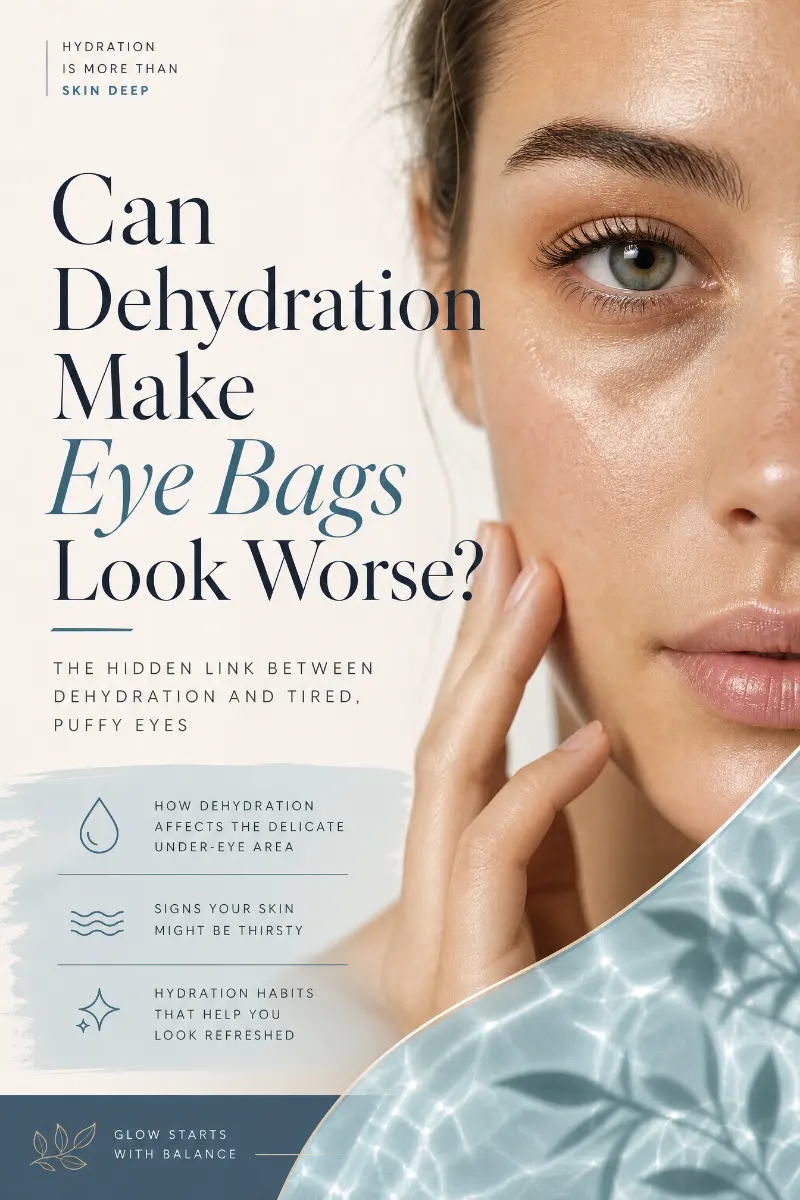
What kind of puffiness is most likely to respond?
Cold therapy is most useful when swelling is related to temporary fluid accumulation or mild irritation. You might notice this type of puffiness after waking, crying, traveling, spending time in warm conditions, or eating more sodium than usual. The under-eye area may look fuller but otherwise feel normal.
Some under-eye changes are less likely to improve with cooling. Long-standing eye bags can be influenced by genetics, the natural aging process, skin laxity, facial anatomy, or fat distribution beneath the skin. Dark circles caused primarily by pigmentation, shadows from hollows, or visible blood vessels also will not generally disappear because of a cold compress. You can learn more about the different contributors in our guide to dark circles.
How to use a cold compress safely
A simple, clean compress is usually enough. Follow these steps:
- Wash your hands and use a clean, soft washcloth.
- Wet the cloth with cool water and wring out the excess.
- Close your eyes and rest the cloth gently over the eye area.
- Leave it in place for a short period, refreshing the cloth if it becomes warm.
- Pat the skin dry rather than rubbing it.
The compress should feel cool and comfortable, not painfully cold. Do not press firmly on the eyeballs or drag the cloth across the skin. If you use a chilled gel mask or another reusable product, follow its instructions and place a thin fabric barrier between the product and your skin when appropriate.

Avoid putting ice directly on the eyelids or under-eyes. Direct ice contact can be too harsh for thin, sensitive skin and may cause discomfort or cold-related skin injury. Frozen items can also be heavy or uneven, making them unsuitable for gentle application around the eyes.
Should you use a cold spoon, ice pack, or gel mask?
Cold spoon
A clean spoon cooled in the refrigerator may provide a cooling surface, but it should not be frozen. Check the temperature against another area of skin before placing it near your eyes, and avoid pressure. A spoon is not necessary; a clean washcloth is easier to control and clean.
Ice pack
An ice pack can become uncomfortably cold and may apply too much weight to the eye area. If you choose one, do not place it directly on the skin, keep the contact gentle, and remove it if you feel pain, numbness, burning, or unusual redness.
Reusable gel mask
A gel mask may be convenient, but product materials and care instructions vary. Keep it clean, inspect it for leaks or damage, and follow the maker's temperature and use directions. Do not share an eye mask, particularly if someone has an eye infection or irritated skin.
Where eye cream fits into a routine
A cold compress can be used before skincare, especially if you want to calm the sensation of temporary puffiness. Once the skin is dry, apply products gently with a light tapping motion rather than pulling or massaging aggressively. Use only a small amount of eye cream and keep it away from the lash line if the label recommends doing so.
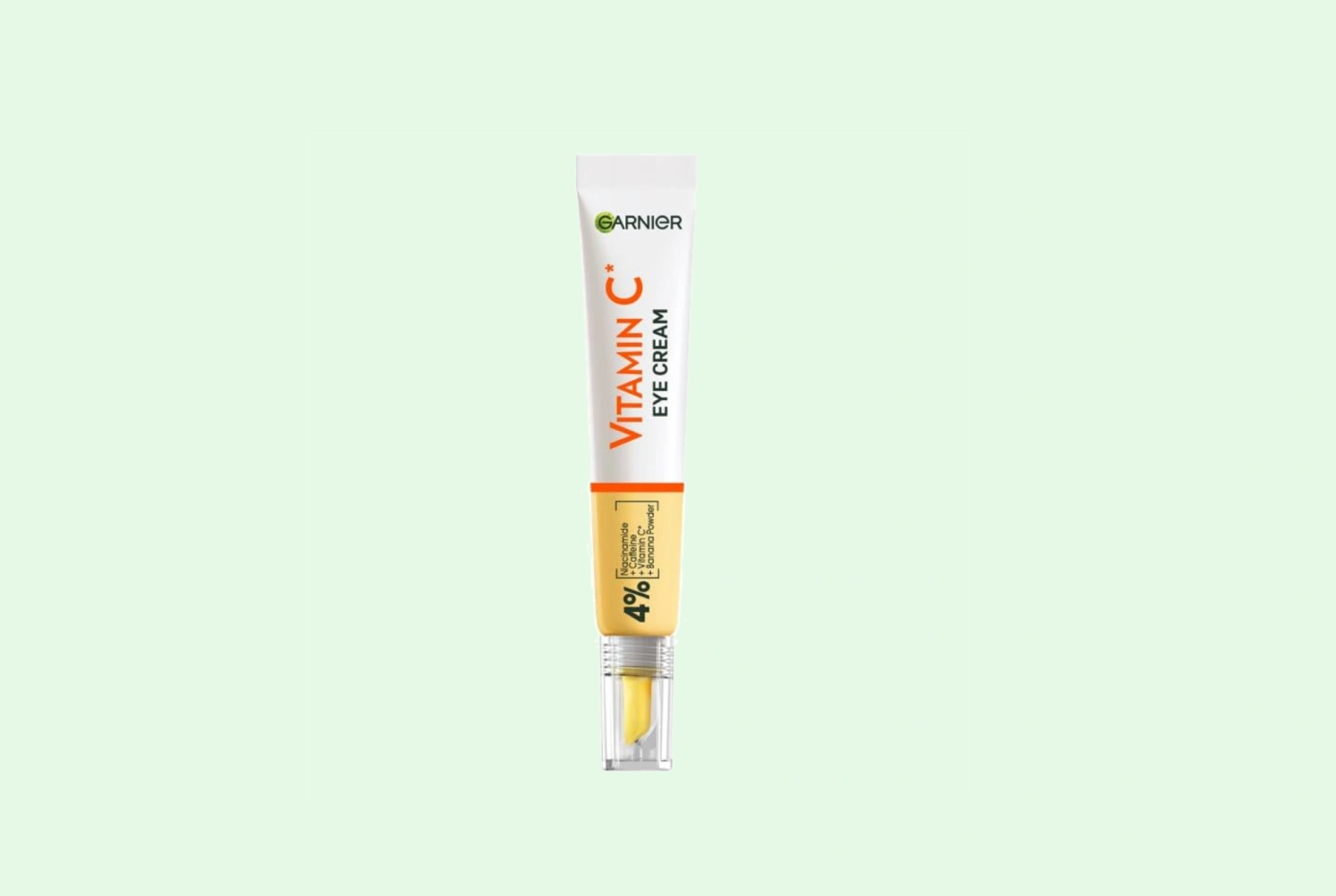
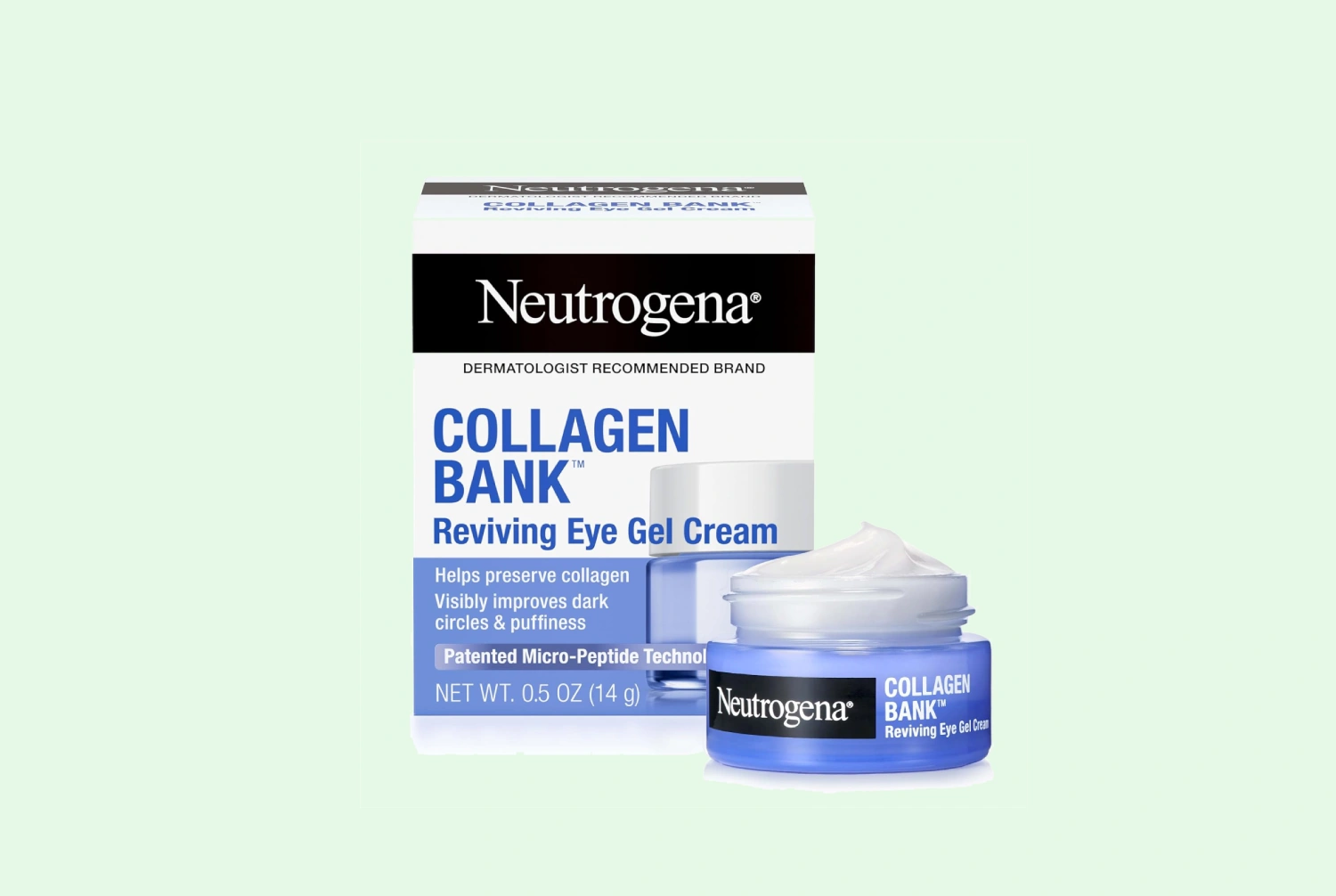
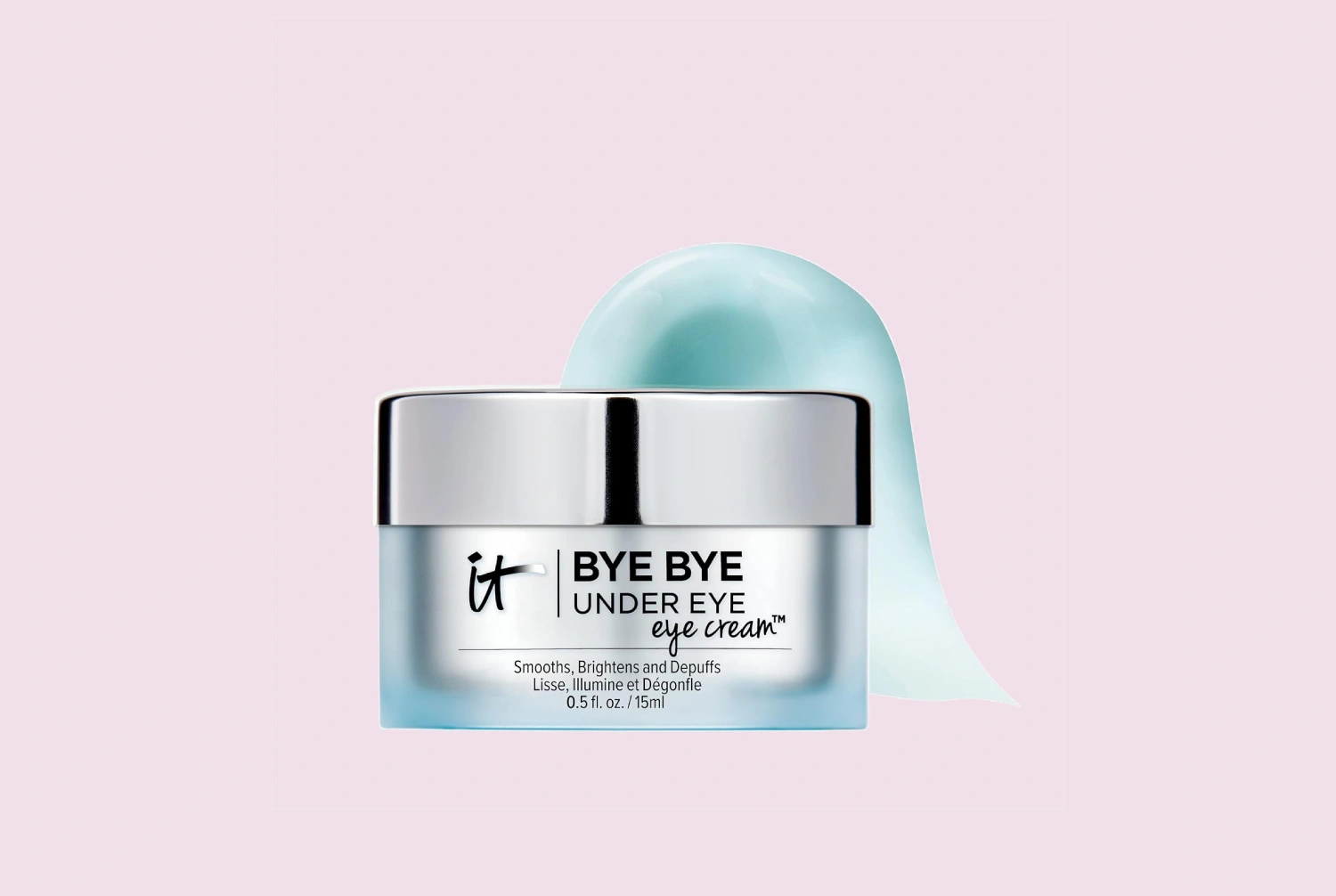
Eye creams may support the appearance of specific concerns, but expectations should match the ingredient and the problem. A moisturizing formula may make dry-looking fine lines appear less noticeable. Caffeine-containing products are often chosen for a temporarily more awake-looking eye area, but their effects vary and should not be treated as a guarantee. For more information about choosing ingredients, see our eye cream ingredient guide.
Potentially irritating ingredients, including retinoids and some exfoliating or brightening actives, require extra care around the eyes. Follow the product label, introduce one new product at a time, and consider a patch test when appropriate. Stop using a product if it causes burning, persistent redness, swelling, rash, or worsening discomfort. A cold compress should not be used to mask a reaction so that you can continue applying the irritating product.
Cold compresses and allergies
Cooling may temporarily soothe the sensation of itchy or irritated-looking eyelids, but it does not identify or treat the source of the irritation. Rubbing the eyes can worsen redness and swelling, so try to avoid touching them. If a product, cosmetic, cleanser, or environmental exposure seems to trigger discomfort, stop using the suspected product and keep the routine simple while the skin settles.
Do not apply a compress over broken skin, a painful rash, or an area that appears infected. If you have known eye or skin conditions, follow guidance from your health professional rather than relying on general skincare advice.
Common mistakes to avoid
- Using extreme cold: Colder is not automatically more effective. Pain, burning, numbness, or skin discoloration are signs to stop.
- Pressing or rubbing: Pressure can increase irritation and may worsen the appearance of delicate skin.
- Using an unclean item: Washcloths, spoons, and masks should be clean before they touch the eye area.
- Expecting permanent change: Any visible improvement from cooling is generally temporary.
- Ignoring recurring swelling: Repeated or unexplained puffiness deserves more attention than an occasional morning compress.
- Applying products too close to the eye: Keep skincare out of the eye itself and follow the package directions.
When puffiness may need medical attention
Seek medical advice for swelling that is severe, painful, persistent, or mainly affects one eye. It is also important to get professional guidance if puffiness occurs with vision changes, significant redness, discharge, light sensitivity, fever, an injury, or trouble moving the eye. Sudden swelling involving the face or breathing difficulty requires urgent medical attention.
These signs do not identify a specific diagnosis on their own. They simply indicate that a cold compress is not an appropriate substitute for evaluation. Even without urgent symptoms, schedule an appointment if swelling keeps returning, interferes with daily life, or does not improve as expected.
A realistic way to use cold therapy
For occasional morning puffiness, try a clean cool washcloth for a brief, comfortable application while keeping your head slightly elevated. You can also support the appearance of the eye area by avoiding unnecessary rubbing, removing makeup gently, getting adequate rest when possible, and using sun protection that is suitable for the eye area. These habits may support the look and comfort of the skin, but they cannot control every cause of eye bags.
If puffiness is a regular concern, choose skincare based on your broader needs rather than searching for a single fix. Someone with dryness may prioritize a bland, fragrance-free moisturizer, while someone concerned about fine lines may consider a carefully introduced active. Product formulas can change, so check the current packaging and manufacturer ingredient list before buying or using a product. Our under-eye routine builder can help organize those choices.
A cold compress is best viewed as a low-cost, short-term comfort measure. It may make temporary puffiness look calmer, but the improvement is not a cure and may fade once the skin returns to its normal temperature. Use gentle cooling when it feels helpful, avoid direct ice and pressure, and seek medical advice when swelling is unusual, persistent, or accompanied by concerning symptoms.

Comments
0No comments yet. Be the first to share a helpful note or question.
Leave a Comment
Your email address will not be published. Comments are reviewed before appearing on the site.