

An eye cream often gets a bad review because it irritates the skin, feels unpleasant, does not match the user’s needs, or is judged against results the product was never designed to provide. A negative review can be useful, but it is not always proof that a formula is universally ineffective. Under-eye concerns vary widely, and the same product may feel comfortable for one person while causing dryness, pilling, or stinging for another.
Before deciding whether an eye cream is worth trying, read the review for specific details. Look for comments about the person’s skin type, application routine, expected results, length of use, and the exact problem they wanted to address. This context can help you separate a genuine formula concern from a mismatch between the product and the user’s expectations.
The product may not match the reviewer’s main concern
“Dark circles” is a broad description, not one single cosmetic issue. Under-eye darkness may look brown, gray, blue, or purple, and shadows can also be created by facial structure, hollowness, visible blood vessels, dryness, or uneven-looking skin tone. An eye cream intended to moisturize may improve the appearance of dryness without making structural shadows look different.
Similarly, a lightweight gel may be comfortable for morning puffiness but feel insufficient for someone seeking richer moisture around fine lines. A product marketed around a brightening routine may not provide the cushioning feel a person with dry skin prefers. A reviewer may reasonably dislike the product, but the criticism may apply mainly to that particular goal.
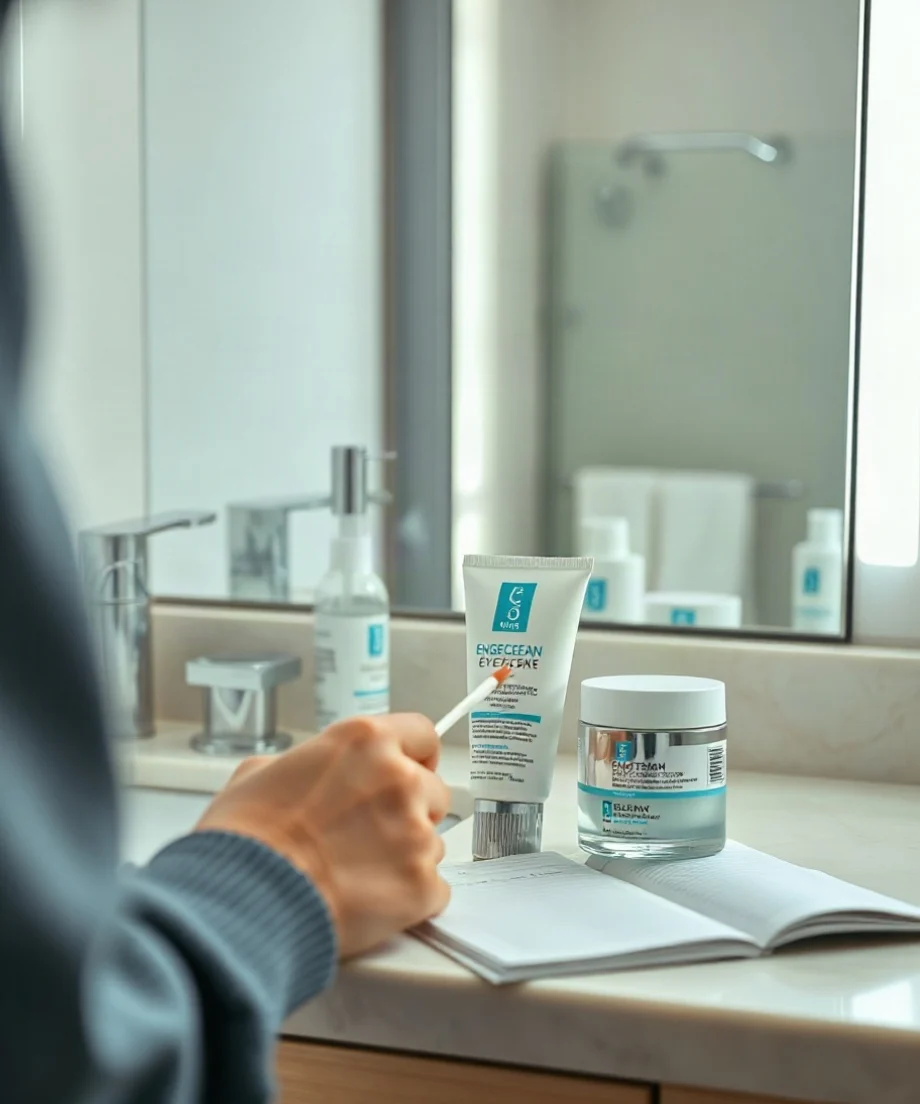
It helps to identify the primary concern before judging the formula. For general background on the differences between common types of under-eye darkness, see our dark circles guide. Cosmetic products can support the look of the skin, but they do not diagnose or medically treat the reason someone has persistent discoloration or swelling.
Irritation can quickly lead to a poor review
The skin around the eyes is often sensitive to changes in products and routines. Stinging, burning, itching, redness, scaling, or persistent watering can make an eye cream seem unusable, even if its texture and other features are appealing. Irritation may be related to an active ingredient, fragrance, preservatives, a high number of ingredients, or contact with the eye itself.
Potentially irritating ingredients are not automatically bad. Retinoid-related ingredients, exfoliating acids, vitamin C derivatives, and some botanical components may not suit every person or every routine. However, the under-eye area warrants a cautious approach. Follow the product label, use only the recommended amount, and avoid applying the product directly to the eye or along the lash line unless the instructions specifically allow it.
People with sensitive skin may want to introduce one new product at a time and consider a small-area patch test when appropriate. A patch test cannot guarantee that a product will be comfortable around the eyes, but it may provide useful information about general skin tolerance. Stop using the product if irritation develops, and seek medical advice for severe, persistent, or concerning symptoms.
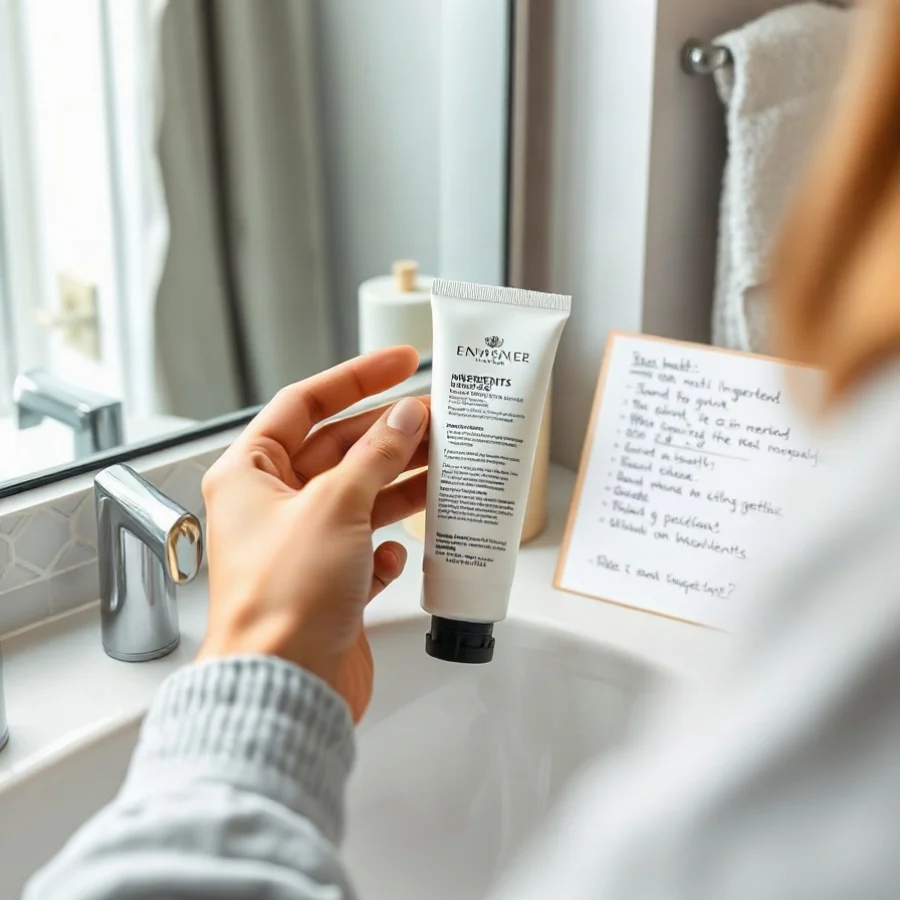
The texture may be wrong for the user’s routine
Texture is one of the most common reasons a review turns negative. An eye cream can feel too thick, too greasy, too sticky, too watery, or too slow to absorb. These preferences are personal, but they also affect how well the product works within a larger routine.
A rich formula may leave makeup sliding or cause concealer to separate when too much is applied. A fast-drying gel may pill when layered with sunscreen or primer. Some users may prefer a smooth, occlusive finish at night but dislike the same finish in the morning. Others may find that a lightweight lotion does not provide enough comfort during dry weather.
Pilling is not always caused by the eye cream alone. It can result from applying too many layers, rubbing instead of patting, using excessive product, or combining products with incompatible textures. Waiting briefly between layers and using a smaller amount may help. If pilling continues, the formula may simply not be a practical match for that routine.
Too much product can create problems
Because the eye area is small, users often need much less product than they expect. Applying a thick layer can increase the chance of migration into the eyes, greasiness, makeup slippage, or a heavy feeling. It may also make a product seem less comfortable than it is when used according to its directions.
A useful application approach is to place a small amount on the ring finger, gently distribute it between both fingers, and tap it around the orbital area without pulling the skin. Avoid treating the cream like a facial moisturizer that needs to cover the entire space from the lashes to the brow. The label remains the best source for product-specific directions, since formulas and intended uses differ.
The reviewer expected immediate visible change
Many eye cream complaints come from expectations that are too broad or too fast. Moisturizing ingredients may temporarily make dry-looking lines appear less noticeable by improving the skin’s surface comfort and flexibility. That is different from permanently removing lines or changing the underlying structure of the skin.
Likewise, a product can make the area look more hydrated without eliminating naturally occurring shadows. Puffiness may also vary with sleep, allergies, fluid retention, rubbing, and other factors outside a cosmetic routine. A review written after only a short period may accurately describe an immediate experience, but it may not answer every question about longer-term cosmetic use.
When reading reviews, distinguish between immediate claims such as “this stung” or “this pilled” and outcome claims such as “this removed my dark circles.” The first type is a personal experience that may be useful for predicting texture or tolerance. The second is harder to generalize because under-eye appearance has multiple contributing factors.
The ingredient story may be misunderstood
Ingredient-focused marketing can encourage shoppers to assume that one highlighted ingredient will solve every concern. In practice, the full formula, concentration, stability, packaging, delivery system, and user’s routine all influence the experience. The ingredient list also does not reveal every detail needed to predict how a product will perform on a particular person.
For example, caffeine is commonly included in products aimed at the appearance of puffiness, but it should not be treated as a guaranteed solution for every type of under-eye swelling. Retinoid products may be chosen for the look of fine lines, yet they can be more demanding to introduce and may not suit sensitive users. Brightening ingredients may support a more even-looking appearance without changing shadows caused by facial anatomy.
Product formulas can change over time. Always check the current packaging and the manufacturer’s ingredient list when a specific ingredient, fragrance, or potential irritant matters to you. Our eye cream ingredient guide can help explain common ingredients without treating any single one as a guaranteed answer.
The packaging may affect the experience
Packaging can influence both convenience and perception. A jar may require repeated finger contact, while a pump or tube may make controlled application easier. A dispenser that stops working, leaks, or releases too much product can produce a legitimate negative review even when the cream itself feels comfortable.
Packaging also matters for users who are concerned about hygiene, travel, or exposure to air and light. The most suitable format depends on the product and the manufacturer’s instructions. Do not assume that one packaging type automatically keeps every formula more stable. Check the current label, storage guidance, and use-by information where provided.
How to decide whether a bad review applies to you
Look for repeated, specific complaints
One vague comment may reflect a personal preference. Several detailed reviews describing the same issue—such as strong fragrance, persistent pilling, or a dispenser that fails—may be more relevant. Even then, confirm that the complaints refer to the same product version and current packaging.
Compare the reviewer’s skin and routine with yours
A person with oily skin may dislike a finish that someone with dry skin finds comfortable. Someone who wears concealer may notice pilling that a nighttime-only user never encounters. Reviews are easier to interpret when they include information about skin type, time of application, other products, and the concern being addressed.
Separate comfort from treatment claims
A review can tell you whether a product felt soothing, heavy, sticky, or irritating for one user. It cannot establish that the product will diagnose, treat, cure, or prevent a medical condition. Persistent swelling, pain, sudden discoloration, vision changes, or significant irritation should be discussed with a qualified health professional rather than managed solely with eye cream.
A practical way to read eye cream reviews
Before buying, ask five questions: What concern was the reviewer trying to improve? What did the formula feel like? Was there irritation? How was it applied? Were the expectations realistic for a cosmetic product? This approach gives greater weight to concrete observations than to absolute statements such as “works for everyone” or “does nothing.”
You can also compare a review with the product’s current label and your own routine. If you are unsure whether a richer cream, lighter gel, or active-focused product fits your needs, our under-eye routine builder offers a way to organize those choices. For users who react easily, our guide to eye care for sensitive skin provides additional precautions.
A bad review is not necessarily a verdict on every user’s experience. It may reveal a real irritation risk, a frustrating package, an uncomfortable finish, or an expectation the formula cannot reasonably meet. The most useful reviews explain what happened and under what conditions. Reading them alongside the current ingredient list, product directions, and your own under-eye goals can help you make a more careful choice.


Comments
0No comments yet. Be the first to share a helpful note or question.
Leave a Comment
Your email address will not be published. Comments are reviewed before appearing on the site.