
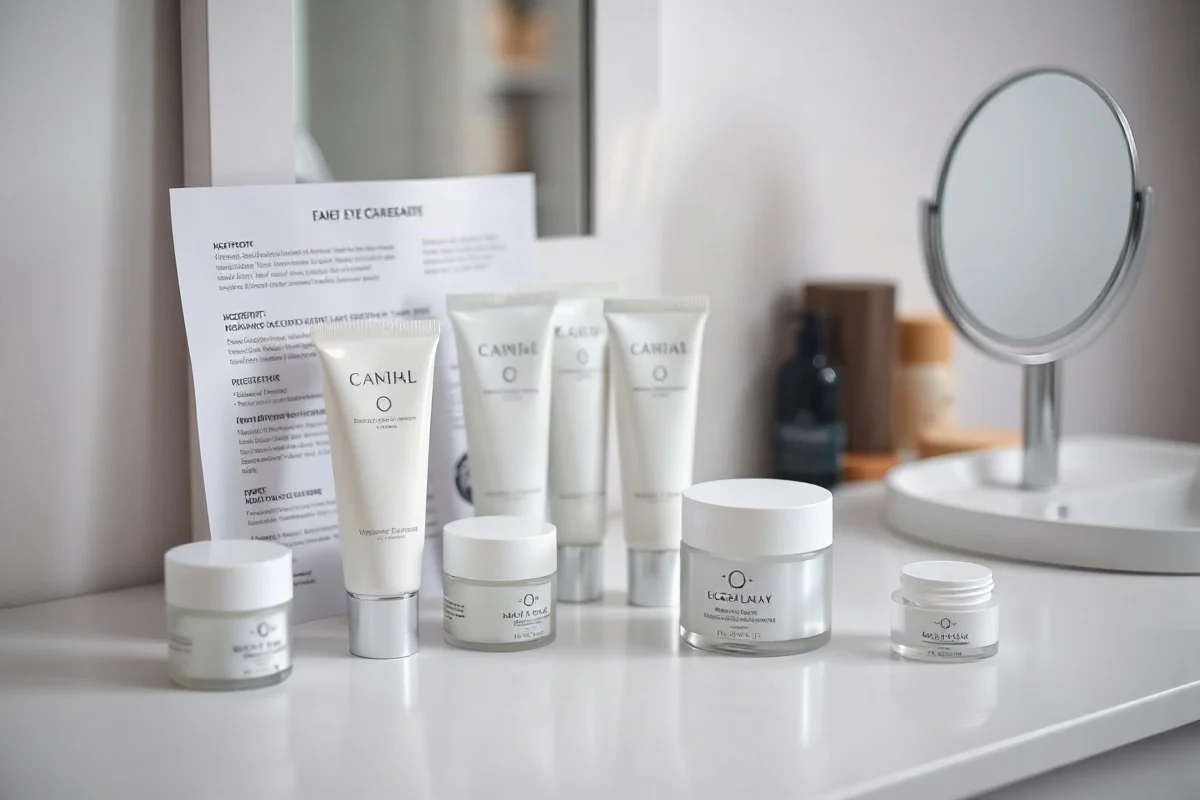
The best way to compare eye creams is to start with your specific under-eye concern, then evaluate the ingredient list, product instructions, texture, packaging, and claims together. Marketing language can make products sound interchangeable or extraordinary, but an eye cream is only useful if its formula suits your skin and its promises match what a cosmetic product can realistically do.
Dark circles, puffiness, dryness, and fine lines do not all have the same visible causes. A product designed to temporarily improve hydration may not be the right choice for the appearance of morning puffiness, while a formula containing a potentially irritating active may be a poor fit for easily reactive skin. Comparing products systematically helps you spend less time on slogans and more time on relevant information.
Start with the concern you want to address
“Dark circles” is a broad description, not a single condition. Under-eye darkness may look brown, gray, blue, or purple, and shadows from facial contours can make the area appear darker. Thin-looking or dry skin can also make discoloration and shadows more noticeable. An eye cream cannot be expected to produce the same visible change for every type of darkness.
Before comparing products, identify the appearance you want to improve:
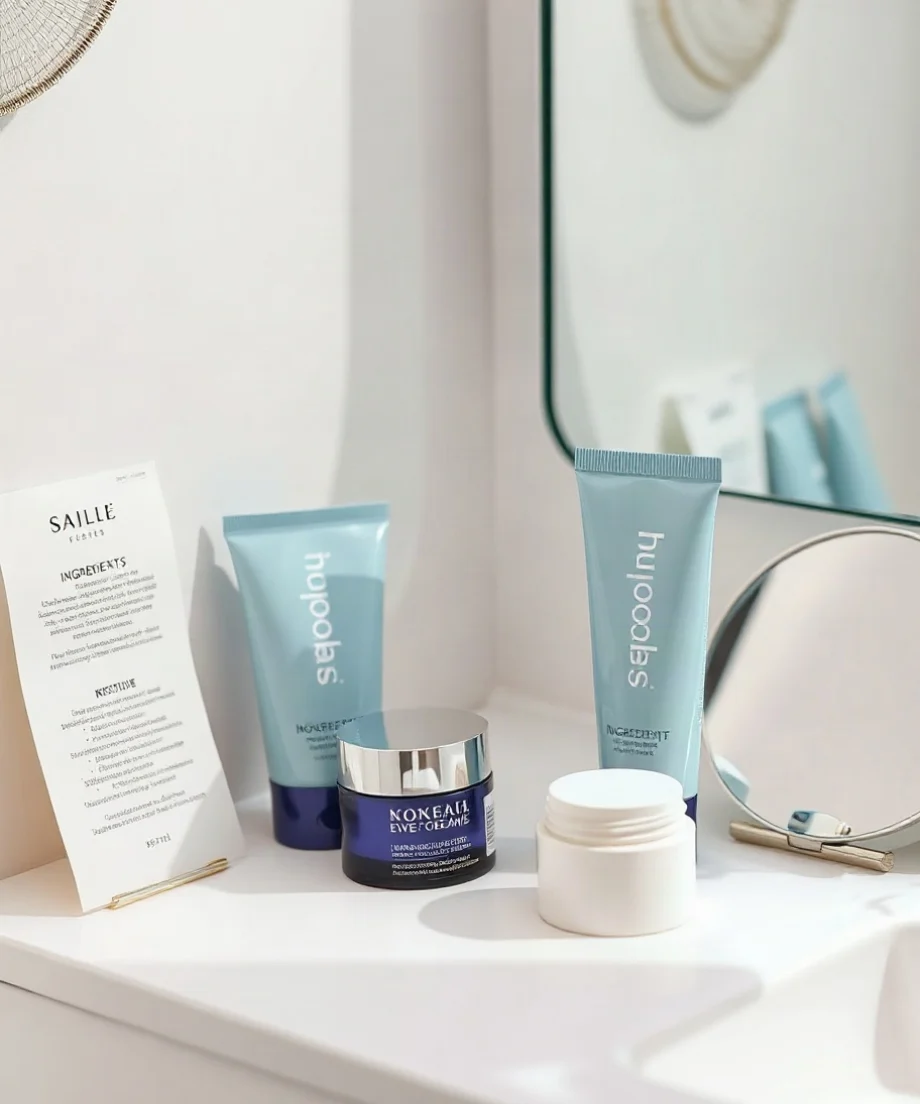
- Dryness or tightness: Look for a comfortable moisturizing formula that supports the skin barrier and does not leave the area feeling dry.
- Temporary-looking puffiness: Consider texture, application comfort, and ingredients commonly used in cosmetic formulas for a refreshed appearance. Keep expectations modest, since puffiness can vary with sleep, allergies, fluid retention, and other factors.
- Fine lines that look more noticeable when the skin is dry: Hydration and smoothing texture may make lines appear less prominent temporarily, although this is not the same as removing wrinkles.
- Visible uneven tone: Review brightening-oriented ingredients carefully and distinguish a more even-looking appearance from a claim to erase or treat pigmentation.
For more background on the different ways under-eye darkness can appear, see our guide to dark circles.
Read the ingredient list instead of relying on the front label
Words such as “brightening,” “lifting,” “firming,” “detoxifying,” and “age-defying” are often broad marketing terms. They may describe the intended cosmetic effect, but they do not tell you enough about how a product works or whether it fits your needs. The ingredient list and directions provide more useful information.
Ingredients associated with hydration
Moisturizing ingredients can improve the feel and temporary appearance of dry under-eye skin. Humectants help attract water to the outer layers of skin, while emollients and occlusive ingredients can help reduce moisture loss and improve softness. A richer cream may feel more comfortable on dry skin, whereas a lighter lotion or gel may suit someone who dislikes a heavier finish.
Hydration can make fine lines look less emphasized when dryness contributes to their appearance. That does not mean the formula has permanently changed the structure of the skin. When comparing two moisturizing products, consider whether you prefer a lightweight or richer texture, whether the formula contains fragrance, and whether the product pills beneath sunscreen or makeup.
Ingredients used in brightening-focused formulas
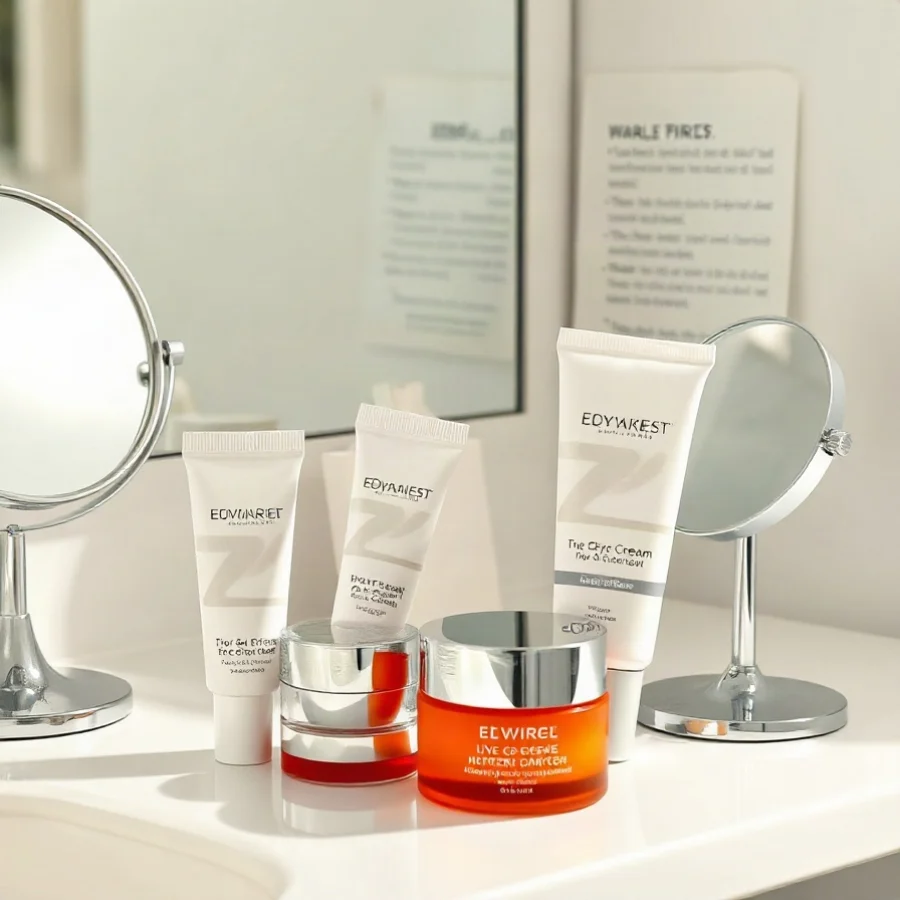
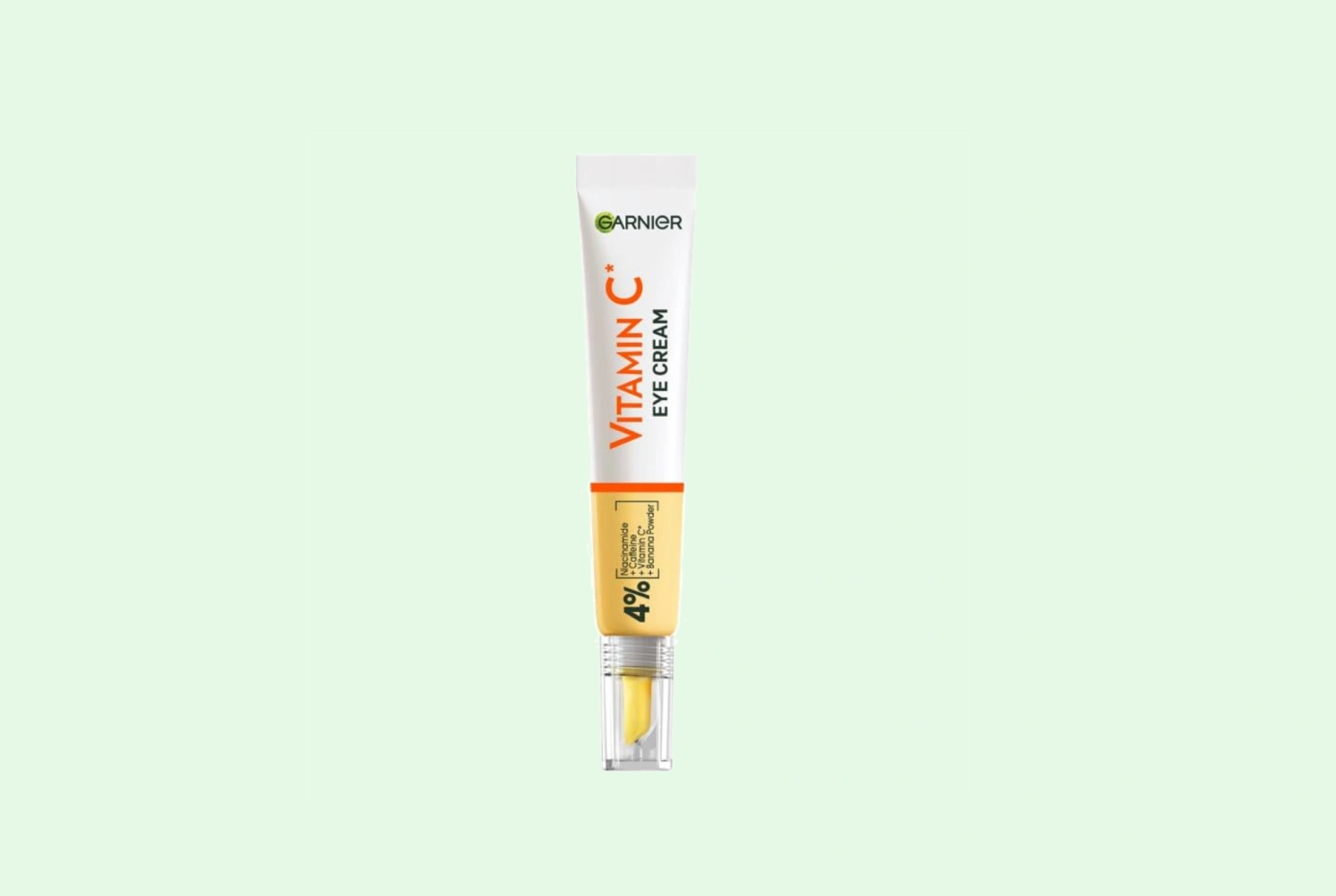
Some eye creams include vitamin C derivatives, niacinamide, licorice-related ingredients, or other ingredients marketed for a more even-looking complexion. Their suitability depends on the complete formula, concentration, stability, directions, and your skin’s tolerance. The ingredient name alone cannot guarantee a visible result.
Be especially cautious with products that suggest they can “erase” dark circles. Cosmetic products may help the area look more hydrated, smoother, or more even, but they cannot guarantee that every cause of under-eye darkness will respond. If discoloration is persistent, changing, painful, or accompanied by other symptoms, an appropriate medical professional can help assess it.
Ingredients used in formulas for fine lines
Retinoid-related ingredients are often included in products marketed for fine lines and texture. They can be more demanding than basic moisturizers, particularly around the eyes. Follow the product label, introduce an active gradually if the instructions allow, avoid applying it too close to the eye itself, and stop using it if you develop significant irritation. If you are pregnant, nursing, managing a skin condition, or using prescription products, ask a qualified healthcare professional whether a particular active is appropriate.
Peptides and antioxidants also appear frequently in eye creams marketed for firmer-looking or smoother skin. Their presence may be relevant when comparing formulas, but it is not proof of a guaranteed outcome. Claims should be judged by the wording, the full ingredient list, and the product’s directions rather than by one highlighted ingredient.
Our eye cream ingredient guide can help you review common ingredients without treating the ingredient name as a promise.
Separate cosmetic claims from medical claims
A responsible comparison asks what a product can reasonably do as a cosmetic. “Helps skin feel moisturized,” “creates a smoother-looking finish,” or “temporarily reduces the look of puffiness” are different from claims that a product will cure, prevent, or permanently remove a problem.
Be skeptical of language that suggests an eye cream can:
- Repair every cause of dark circles
- Replace professional treatment
- Produce permanent lifting or tightening
- Remove wrinkles completely
- Guarantee results for all skin types
- Work instantly without explaining whether the effect is temporary or makeup-related
Even a well-formulated product may not address darkness caused primarily by shadows, visible blood vessels, genetics, irritation, or another underlying issue. That is not a failure of one particular product; it is a reminder that the appearance of the under-eye area is influenced by more than skincare.
Compare the complete formula, not just one highlighted ingredient
A product may prominently feature caffeine, vitamin C, retinol, or hyaluronic acid, but the highlighted ingredient is only one part of the formula. The base determines how the product feels, spreads, and interacts with the delicate under-eye area. Preservatives, fragrance, essential oils, exfoliating ingredients, and other components may also affect tolerability.
Do not assume that “natural,” “clean,” “dermatologist tested,” “hypoallergenic,” or “professional strength” automatically means a product will suit your skin. These terms can have different meanings depending on the brand and market context. Instead, check the current packaging, the complete ingredient list, usage instructions, warnings, and any information provided by the manufacturer.
Formulas can change over time. If a product-specific ingredient matters to your decision, verify the current label or manufacturer ingredient list before buying or using it. Older reviews, retailer pages, and search results may not reflect the formula currently sold.
Consider your skin type and sensitivity
The eye area can be more prone to stinging because the skin is delicate and products can migrate during blinking. If your skin is sensitive, compare formulas for simplicity and comfort rather than choosing the product with the longest list of active ingredients.
Fragrance and essential oils are not automatically irritating for everyone, but they may be worth avoiding if your eye area frequently stings, waters, flakes, or becomes red. Stronger actives, exfoliating acids, and retinoid-related ingredients also deserve extra caution. Follow the label and apply only the recommended amount. A small patch test on an appropriate area can help you identify obvious irritation, although it cannot predict every reaction around the eyes.
If burning, swelling, persistent redness, rash, or other concerning symptoms develop, stop using the product. Seek medical advice for symptoms that are severe, do not improve, or involve the eye itself. Skincare comparisons should not replace diagnosis or treatment from a qualified professional.
Evaluate packaging, texture, and practical use
Packaging can affect the experience of using an eye cream. An airless pump, tube, or other dispenser may be more convenient and can limit repeated contact with the product, while a jar requires scooping with a clean finger. Packaging alone does not prove that one formula is better, but it can influence hygiene and how easily you use the product consistently.
Texture matters because the best eye cream is not useful if you avoid applying it. Compare whether the product feels watery, creamy, balm-like, or fast-absorbing. Check whether it leaves a film, causes makeup to slide, or pills when layered with moisturizer, sunscreen, or concealer. These details are practical rather than glamorous, but they often determine whether a product fits your routine.
Use a small amount and apply it gently around the orbital area as directed. Avoid rubbing, pulling, or applying product directly into the eye. More product is not necessarily more effective, and excess can migrate or make the area feel heavy.
Be careful with before-and-after photos and reviews
Photos can be affected by lighting, camera angle, facial expression, makeup, hydration, and image editing. A brightened image may make the under-eye area appear more even without showing a lasting skincare change. Reviews can help you learn about texture, packaging, and possible user experiences, but an individual result is not evidence that the same result is guaranteed for you.
When reading a review, look for details about the person’s skin type, how long they used the product, what else they applied, and whether the claim concerns comfort or a major change in appearance. Treat dramatic promises and vague references to “clinical results” cautiously unless the supporting information is clearly available and relevant to the exact product and formula.
Use a simple comparison checklist
Before choosing between two or more eye creams, ask:
- What visible concern am I trying to improve?
- Does the product make a realistic cosmetic claim for that concern?
- Which ingredients are relevant, and could any be irritating for me?
- Does the texture suit my skin and makeup routine?
- Are the directions clear about frequency and amount?
- Can I verify the current ingredient list and warnings?
- Am I judging the product by useful evidence rather than packaging language?
If you are unsure how to combine products, our under-eye routine builder offers a practical way to organize choices around your routine and concerns.
Set a realistic standard for results
A reasonable eye cream comparison focuses on comfort, hydration, appearance, and consistency rather than dramatic transformation. You may notice that the skin feels softer or looks smoother when moisturized, while more persistent discoloration or structural shadows may show little change. Results can also be difficult to judge if several new products are introduced at once.
For a clearer comparison, change one product at a time, follow the label, and give your skin enough time to show whether the formula is comfortable and compatible with your routine. Avoid continuing a product simply because its advertising sounds persuasive. A modestly described formula that you can use comfortably may be a more sensible choice than a product making extraordinary promises.
The most reliable comparison is therefore not a contest between the biggest claims. It is a careful match between your concern, the formula, your skin’s tolerance, and the product’s practical fit in your daily routine.

Comments
0No comments yet. Be the first to share a helpful note or question.
Leave a Comment
Your email address will not be published. Comments are reviewed before appearing on the site.