
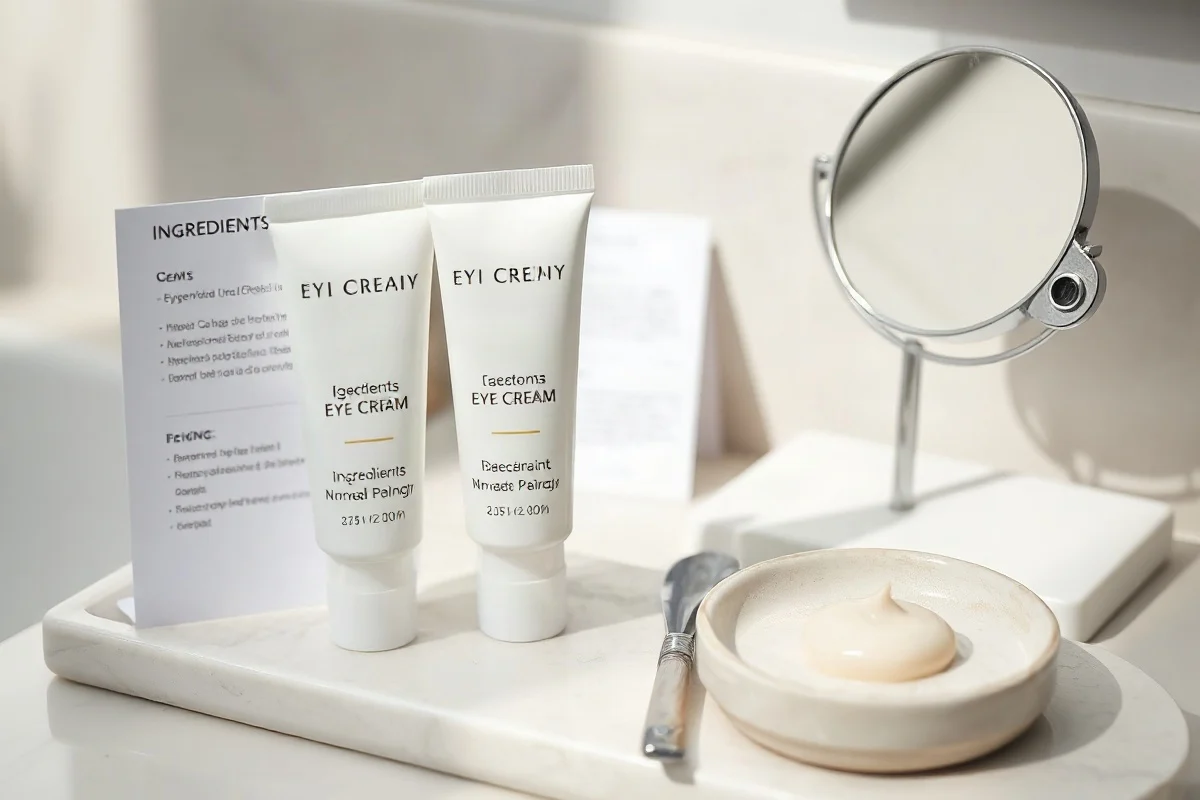
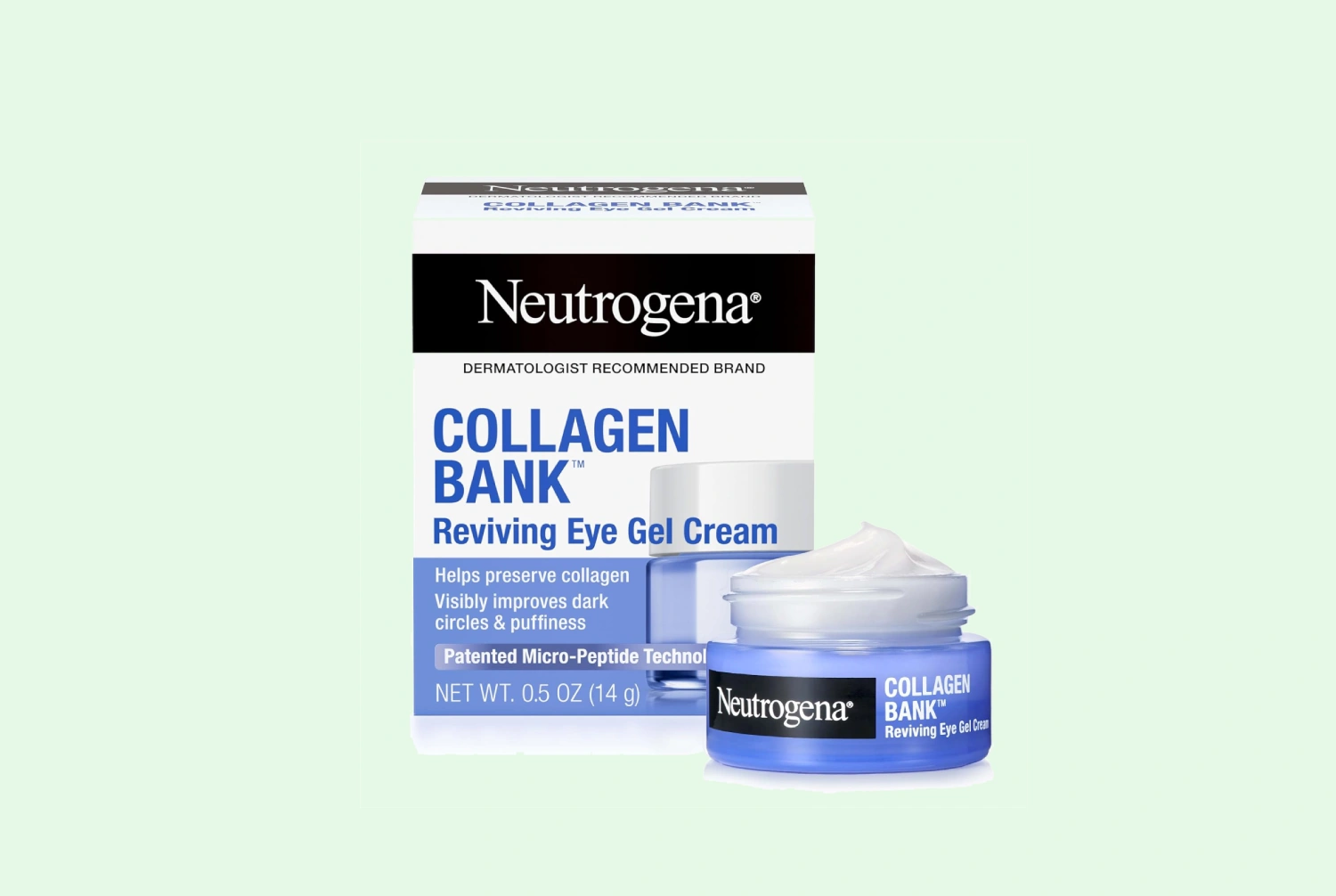
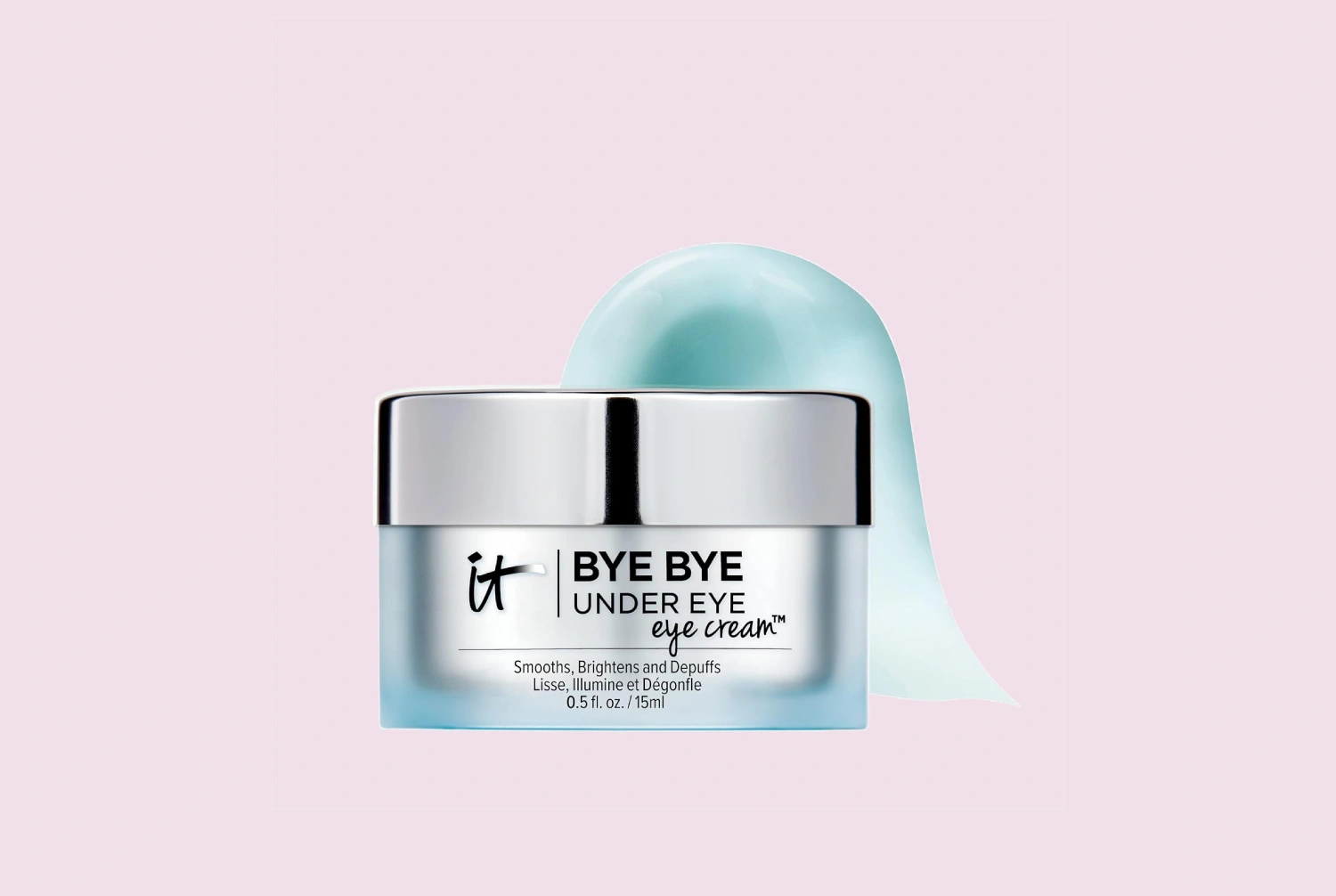
The best way to compare two drugstore eye creams is to evaluate them against the same checklist: your main under-eye concern, the ingredient list, the formula’s potential for irritation, packaging, texture, and price only after those factors. A longer ingredient list does not automatically mean a better product, and a familiar ingredient does not guarantee that either cream will change the appearance of your dark circles.
Start by deciding what you want the eye cream to do cosmetically. Under-eye darkness may look brown, gray, blue, purple, or shadowed because of facial structure. Puffiness, dryness, visible blood vessels, and fine lines can also affect how the area appears. An eye cream may help the skin look more hydrated, temporarily refreshed, or smoother, but it cannot diagnose the reason for discoloration or guarantee a specific result.
Define the problem before comparing formulas
Two eye creams can make very different promises while serving similar everyday needs. Before reading the labels, identify the concern that matters most to you:
- Dryness or a tight feeling: Look for a comfortable moisturizing formula that helps reduce the look of crepiness caused by dehydration.
- Temporary morning puffiness: A lightweight formula may feel more comfortable, while ingredients such as caffeine are commonly used in products marketed for a temporarily refreshed appearance.
- Fine lines: Hydration and gentle smoothing can make lines look less noticeable, especially when dryness emphasizes them.
- Uneven-looking tone: Antioxidant or tone-focused ingredients may be appealing, but visible changes vary and depend on the underlying cause of the darkness.
- Sensitivity: A short, uncomplicated formula may be easier to tolerate than one containing several potentially irritating actives, fragrance ingredients, or essential oils.
If your main concern is persistent swelling, sudden discoloration, pain, itching, a rash, or a change affecting only one eye, an eye cream comparison is not a substitute for medical advice. Consider speaking with a qualified healthcare professional about symptoms that concern you.
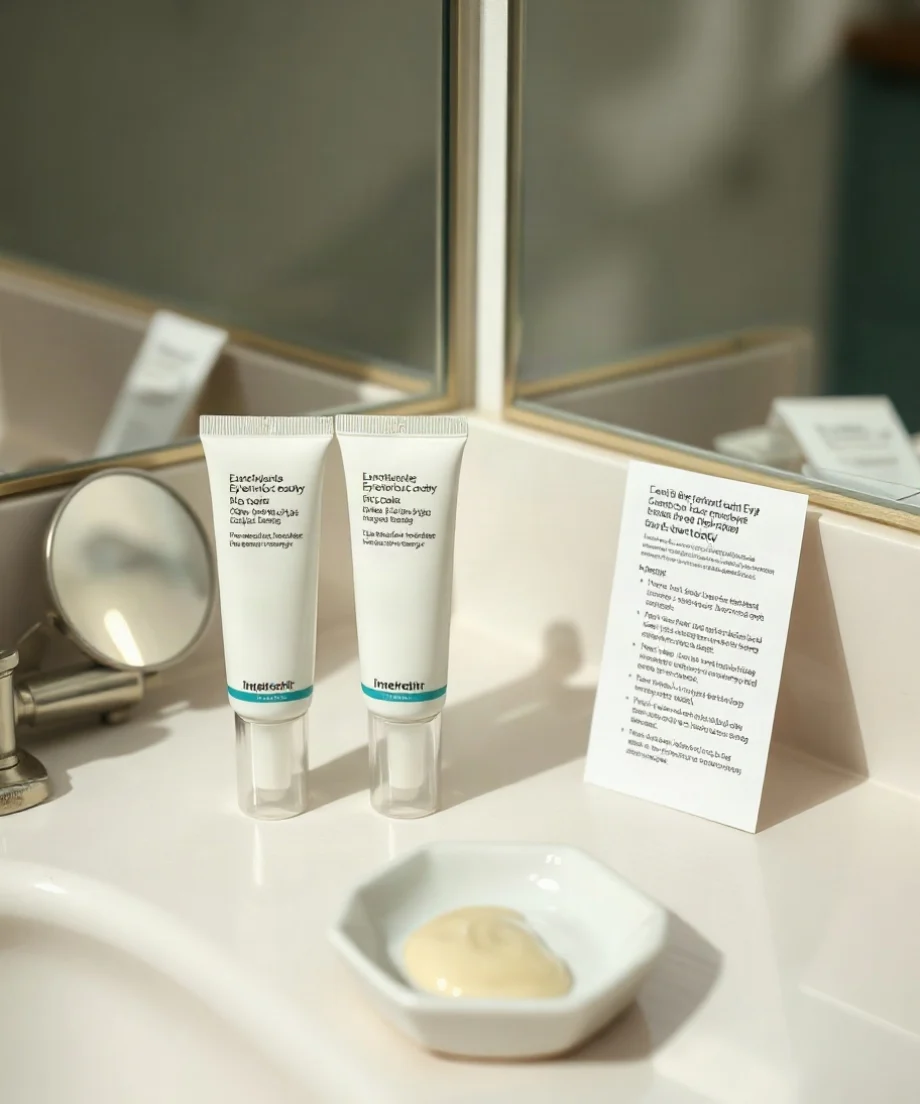
Compare the ingredient lists in categories
Instead of counting ingredients, sort them by their likely cosmetic role. This gives you a more useful comparison between two drugstore eye creams.
Moisturizers and skin conditioners
Humectants such as glycerin and hyaluronic acid help attract and hold water at the skin’s surface. Emollients and occlusive ingredients can help soften the feel of dry skin and reduce moisture loss. These ingredients are often useful when the under-eye area looks crepey because it is dry, although they do not permanently remove fine lines.
When comparing two formulas, consider whether one contains several types of moisturizing ingredients or whether the formula is likely to feel too light for your skin. A very light gel may suit someone who dislikes residue, while a richer cream may be more comfortable for dry skin. Neither texture is automatically superior.
Caffeine and other ingredients used for a refreshed look
Caffeine is frequently included in products designed for the appearance of puffiness or tired-looking eyes. Its cosmetic effect may be temporary and will not necessarily address every reason the area looks swollen or dark. Treat it as one factor in the formula rather than a guarantee.
Cooling sensations can also make the eye area feel awake, but a cooling sensation is not proof that a product is improving the underlying concern. If a product stings, burns, or causes persistent redness, stop using it.
Retinoids and other potentially irritating actives
Some eye creams contain retinol or related vitamin A ingredients. These products are often chosen for routines focused on the appearance of fine lines and uneven texture. The eye area can be sensitive, so follow the product label carefully and introduce an active formula gradually if the label allows it.
Retinoid products may not be appropriate for everyone. People who are pregnant, trying to become pregnant, breastfeeding, using prescription treatments, or managing a skin condition should ask a qualified healthcare professional about whether a particular active is suitable. Keep the product away from the eye itself, and stop use if irritation develops.
Brightening and antioxidant ingredients
Vitamin C derivatives, niacinamide, licorice-related ingredients, and other antioxidants may appear in formulas marketed for a brighter or more even-looking under-eye area. Their performance depends on the specific ingredient, formula, packaging, and individual skin response. Do not assume that two products with the same headline ingredient are equivalent.
For a broader overview of common ingredients and their cosmetic roles, you can review this eye cream ingredient guide.
Read the label for potential irritants
The skin around the eyes is delicate, but sensitivity varies from person to person. Fragrance, essential oils, strong exfoliating ingredients, and some active ingredients may be uncomfortable for certain users. A product can be well formulated and still not suit your skin.
Do not rely only on front-label language such as “brightening,” “firming,” or “dermatologist tested.” Those phrases do not tell you how your skin will respond. Read the full current ingredient list and check the package directions. Formulas can change, so verify the label on the product you are considering or consult the manufacturer’s current ingredient information when product-specific details matter.
If you have sensitive skin, patch-test as directed when possible and introduce only one new eye product at a time. Apply a small amount away from the lash line, avoid getting it in the eye, and discontinue use if you develop burning, swelling, a rash, or continuing irritation. Seek medical care for a severe or worsening reaction.
Compare packaging, not just the cream inside
Packaging affects how consistently you can use a product and how well the formula is protected. An opaque tube or pump may help limit exposure to air and light compared with an open jar, although packaging alone does not prove that one formula is more effective.
Consider these practical questions:
- Can you dispense a small amount without touching the opening?
- Is the package easy to close securely?
- Does the label provide clear directions and warnings?
- Can you see the current ingredient list?
- Will the container be convenient for your morning or evening routine?
Good packaging can make it easier to apply a consistent amount and reduce unnecessary contact with the product. Store the cream according to its label rather than assuming refrigeration is required or beneficial.
Judge texture and layering for your routine
The better eye cream is often the one you can use comfortably and consistently. A thick formula may feel nourishing but pill under concealer. A gel may layer neatly but leave dry skin wanting more moisture. A formula that feels sticky can encourage rubbing, which is not ideal around the eyes.
When comparing two products, assess how each one fits with sunscreen, moisturizer, makeup, and any treatment you already use. Apply a small amount by gently tapping it onto the surrounding orbital area rather than dragging the skin. More product is not necessarily better; excess can migrate into the eyes or make makeup slide.
If you use an active eye cream at night, keep your morning routine simple and include broad-spectrum sunscreen on exposed skin as directed. Sunscreen should not be applied inside the eye or directly onto the mucous membrane. Sunglasses and shade can also help limit squinting and sun exposure that may make the area look more lined over time.
Use claims as clues, not proof
Marketing language can help you identify a product’s intended use, but it should not be treated as independent evidence. Words such as “instant,” “intensive,” “lifting,” or “resurfacing” may describe a temporary cosmetic effect, the brand’s positioning, or the feel of the product. They do not establish that the cream will erase dark circles, remove bags, or permanently change wrinkles.
Look for specific, understandable information instead. Does the label explain how often to apply the product? Does it identify the featured ingredients? Does it provide warnings for sensitive skin or eye contact? Is the current ingredient list easy to find? Clear instructions are more useful than a dramatic promise.
Make a simple comparison chart
When two products seem similar, write down the information rather than comparing them from memory. A basic chart can include:
| Category | Eye Cream A | Eye Cream B |
|---|---|---|
| Main concern | What appearance goal does it address? | What appearance goal does it address? |
| Moisturizing feel | Light, medium, or rich? | Light, medium, or rich? |
| Featured ingredients | Humectants, caffeine, antioxidants, or retinoid? | Humectants, caffeine, antioxidants, or retinoid? |
| Potential irritants | Fragrance, essential oils, or strong actives? | Fragrance, essential oils, or strong actives? |
| Packaging | Tube, pump, or jar? | Tube, pump, or jar? |
| Routine fit | Works with your other products? | Works with your other products? |
This process helps separate meaningful differences from attractive packaging or persuasive wording. It also makes it easier to choose a product based on your priorities instead of trying to find a universally “best” eye cream.
Set realistic expectations about dark circles
Dark circles are not one single cosmetic issue. Shadows from facial structure, visible vessels, natural pigmentation, dryness, allergies, lack of sleep, and other factors can contribute to the way the under-eye area looks. A topical product may improve hydration or make the skin look temporarily smoother, but it may have limited effect on darkness caused by anatomy or pigmentation.
Take consistent photos only if you find that helpful, using similar lighting and no filters. Avoid judging a product after one application, but do not keep using it through irritation in the hope of a better result. Follow the label’s directions, and remember that a product’s suitability is determined by more than a single featured ingredient.
A practical final choice
Choose the drugstore eye cream that best matches your primary concern, feels comfortable, has a current ingredient list you understand, fits your tolerance level, and works with the rest of your routine. If both products are similar, favor the one with clearer directions, more convenient packaging, and a texture you are likely to use consistently.
For help organizing products around dryness, puffiness, fine lines, or dark-looking areas, the site’s under-eye routine builder can provide a starting framework. You can also browse drugstore eye creams and compare categories without treating any single product as a guaranteed solution.

Comments
0No comments yet. Be the first to share a helpful note or question.
Leave a Comment
Your email address will not be published. Comments are reviewed before appearing on the site.