
Yes, you can have dark circles even when you sleep enough. Under-eye darkness is not caused by sleep alone. Genetics, natural pigmentation, visible blood vessels, thinning skin, dehydration, irritation, allergies, facial structure, and shadows from puffiness or hollowness can all affect how the area looks. Better sleep may reduce a tired appearance, but it cannot change every factor that contributes to dark circles.
The most useful first step is to think about what kind of darkness you are seeing. Brown or gray-brown color may be related to pigmentation. Blue, purple, or reddish tones can be more noticeable when the skin is thin and underlying vessels show through. A darker area that changes with lighting may be a shadow caused by puffiness, hollowness, or the shape of the eye socket. Many people have more than one type at the same time.
Why sleep is only one piece of the picture
Insufficient sleep can make the under-eye area look dull, puffy, or more shadowed, but getting adequate rest does not necessarily remove established darkness. Sleep affects how refreshed the skin appears; it does not erase inherited pigmentation, alter facial anatomy, or permanently thicken delicate under-eye skin.
Sleep quality can also differ from the number of hours spent in bed. Stress, an irregular schedule, nighttime congestion, alcohol, and frequent waking may contribute to a fatigued appearance. Even so, persistent dark circles should not automatically be interpreted as proof of poor sleep or a specific health problem.
Common causes of dark circles despite adequate sleep
Genetics and natural skin tone
Some people naturally have more pigment around the eyes or a facial structure that creates stronger shadows. Dark circles may run in families and can be noticeable from an early age. If close relatives have similar under-eye coloring, genetics may be an important part of the explanation.
Inherited darkness can look brown, gray, bluish, or mixed depending on skin tone, lighting, and the thickness of the skin. Skincare may improve the surface appearance, but it cannot change inherited anatomy or guarantee that the area will match the surrounding skin.
Sun exposure and visible pigmentation
Ultraviolet exposure can encourage excess pigment and make uneven tone more noticeable. The skin around the eyes is easy to overlook when applying sunscreen, sunglasses, or a hat. Rubbing the eyes after sun exposure can also increase irritation and may contribute to lingering discoloration in some people.
Daily broad-spectrum sunscreen applied carefully around the orbital area, along with sunglasses and shade, can help limit additional sun-related discoloration. Follow the product directions and avoid getting sunscreen directly in the eyes. If a sunscreen stings, choose a different formula rather than continuing to use an irritating product.
Thin skin and visible blood vessels
The under-eye area has relatively delicate skin. When the skin is thin or translucent, blood vessels beneath it can be easier to see, creating a blue, purple, or reddish appearance. This can become more noticeable with age, dryness, temporary congestion, or changes in circulation near the surface.
Moisturizing ingredients can make dry skin look smoother and less creased, which may soften the overall appearance. However, a moisturizer cannot reliably hide visible vessels or permanently change the thickness of the skin.
Hollowing and facial shadows
Sometimes what looks like discoloration is partly a shadow. A tear trough or natural hollow beneath the eye can catch overhead light and make the area appear darker, especially in photographs or strong indoor lighting. This type of darkness may look different when you change the angle of your face or move into softer, front-facing light.
Topical eye products can support the skin’s surface and improve hydration, but they cannot reshape the underlying facial structure. Makeup, lighting adjustments, and professional cosmetic procedures are separate options with different considerations. A qualified medical professional would need to discuss procedure-related questions.
Puffiness and fluid-related shadows
Puffiness can create a shadow underneath the eye, making the area appear darker even if the skin itself is not heavily pigmented. Morning puffiness, salty meals, seasonal congestion, crying, and sleeping with the head in a particular position may influence how prominent this looks from day to day.
Cooling products or a cool compress may temporarily make puffiness look less noticeable for some people. Avoid applying ice directly to the skin and do not press firmly on the delicate eye area. For more information about this separate concern, see our guide to puffiness and eye bags.
Dryness, rubbing, and irritation
Dry or irritated skin can look dull, rough, or darker. Frequent rubbing may worsen the appearance by causing temporary redness and repeated friction. Eye makeup, makeup removers, fragrances, lash products, and active skincare ingredients can all irritate some people, especially when used too close to the eyes.
A simple routine can help you identify whether irritation is contributing to the problem. Use a gentle cleanser, avoid scrubbing, apply a basic moisturizer, and remove eye makeup without pulling at the skin. Introduce only one new product at a time. If a product burns, causes persistent redness, swelling, itching, or discomfort, stop using it and seek appropriate medical advice if symptoms do not settle.
Allergies and congestion
Seasonal allergies or nasal congestion can contribute to rubbing, watery eyes, and temporary discoloration. Some people notice a darker, tired-looking area during allergy seasons even when they are sleeping normally. This article cannot determine whether allergies or another medical issue are responsible for your symptoms.
If under-eye swelling is sudden, severe, one-sided, painful, associated with vision changes, or accompanied by other concerning symptoms, contact a qualified health professional. Persistent itching, rash, or swelling also deserves medical attention rather than repeated experimentation with cosmetic products.
Ingredients that may improve the appearance
The right ingredient depends on what is making the area look dark. No cosmetic ingredient works equally well for every type of dark circle, and results are usually limited to improving the appearance of the skin rather than removing the underlying cause.
- Humectants: Ingredients such as glycerin and hyaluronic acid help attract water to the skin’s surface. Better hydration may make fine dryness and crepey texture look less prominent.
- Emollients and occlusives: These help soften the skin and reduce moisture loss. They may be useful when dryness makes the under-eye area look rough or dull.
- Caffeine: Caffeine is commonly used in eye products intended to make temporary puffiness look less noticeable. Its cosmetic effect is not a guarantee of lasting change.
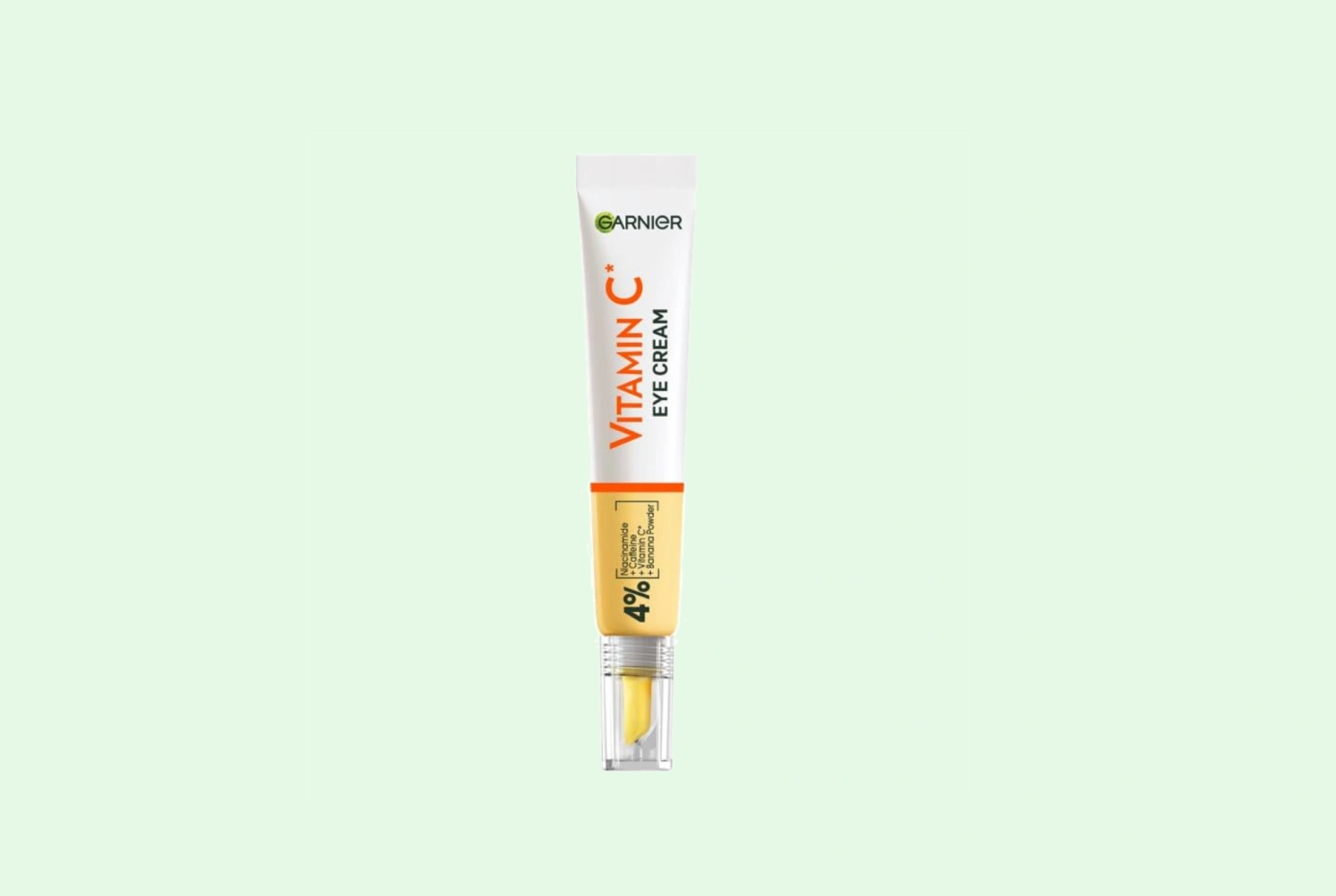
- Vitamin C derivatives: Some formulas use vitamin C or its derivatives to support a brighter-looking, more even appearance. These products can vary considerably, so check the current ingredient list and follow the label.
- Niacinamide: This ingredient may support the appearance of an even skin tone and a stronger moisture barrier for some users. Tolerance depends on the individual formula and skin.
- Retinoids: Retinol and related ingredients are used in some eye products for the appearance of fine lines and uneven texture. They can be irritating, especially on delicate skin, so follow the product directions, introduce cautiously, and stop if irritation develops.
For a broader overview of ingredient categories, use our eye cream ingredient guide. Product formulas can change, so verify the current packaging and manufacturer ingredient list before buying or applying a product.
How to choose an eye product when sleep is not the issue
Start by choosing the appearance concern you want to address. If the area is dry, look for a fragrance-free moisturizer with hydrating and barrier-supporting ingredients. If puffiness is the main issue, a lightweight product may feel more comfortable, and a cool compress may provide a temporary cosmetic improvement. If uneven tone is your priority, consider a formula marketed for brightening while avoiding aggressive combinations that may irritate the eye area.
People with sensitive skin may benefit from shorter ingredient lists and fragrance-free formulas. Apply a small amount only to the skin around the eye, staying within the product’s directions and avoiding the eyelids or lash line unless the label specifically says the product is appropriate there. Patch-test new products when practical, introduce one active at a time, and stop using any product that causes irritation.
You can also use the site’s under-eye routine builder to organize product choices around dryness, puffiness, fine lines, or uneven tone.
What can make dark circles look less noticeable?
A consistent, uncomplicated routine is often more useful than repeatedly switching products. Apply moisturizer to slightly damp skin, protect the area from sun exposure, avoid rubbing, and give new products enough time to show whether they agree with your skin. Makeup can provide the most immediate cosmetic change: a lightweight concealer or color corrector may visually reduce the contrast, although it does not change the underlying cause.
Lighting also matters. Overhead lighting can deepen shadows beneath the eyes, while soft light from in front of the face may make the area look more even. Comparing your appearance in different lighting can help you distinguish surface discoloration from structural shadowing.
When to get medical guidance
Dark circles are often a cosmetic concern, but new or unusual changes should not be self-diagnosed. Seek medical guidance for sudden discoloration, marked swelling, pain, significant itching, a rash, vision changes, or symptoms affecting only one side. A healthcare professional can evaluate symptoms that go beyond the appearance of ordinary dark circles.
For persistent darkness without warning signs, a dermatologist or other qualified professional may be able to explain which factors are most likely involved and discuss suitable options. Cosmetic skincare can support hydration, texture, and the appearance of tone, but it cannot guarantee that dark circles will disappear—especially when genetics, facial structure, or visible vessels play a major role.

Comments
0No comments yet. Be the first to share a helpful note or question.
Leave a Comment
Your email address will not be published. Comments are reviewed before appearing on the site.