
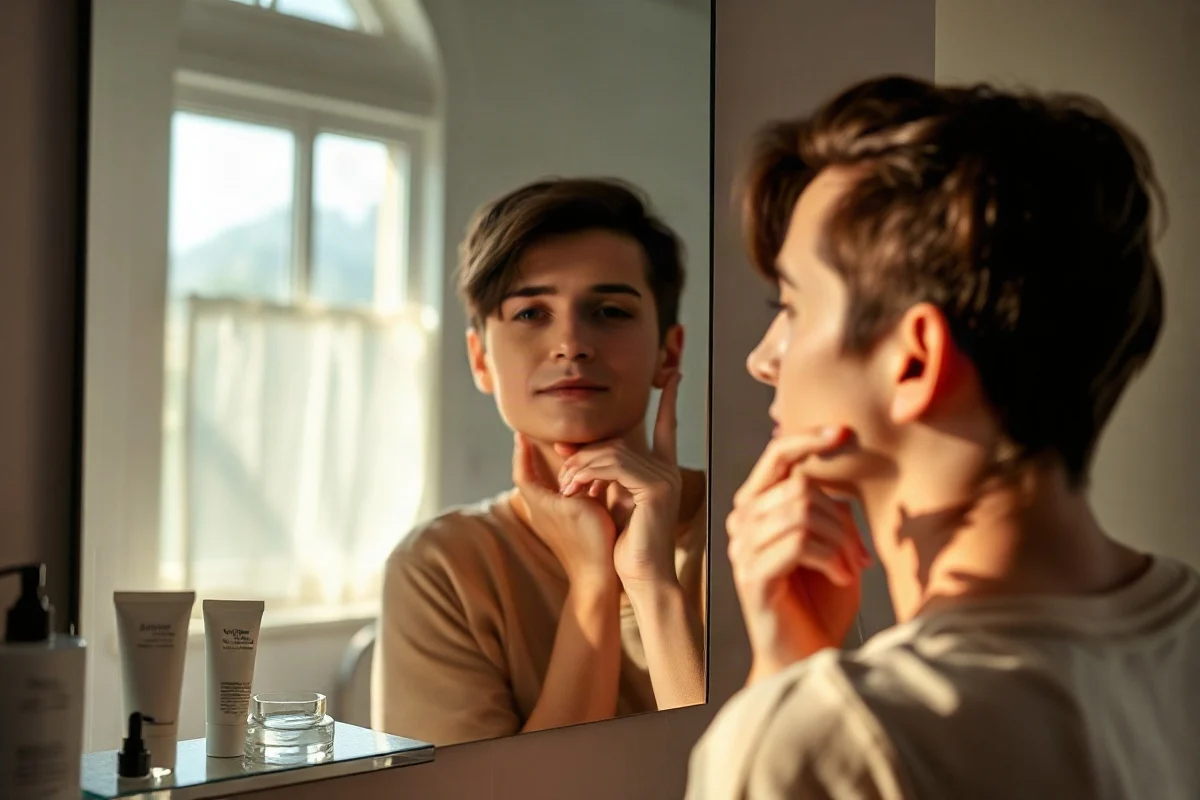
Having enough sleep does not guarantee that dark circles will disappear. Under-eye darkness can be influenced by genetics, natural skin thickness, pigmentation, visible blood vessels, tear-trough shadows, allergies, dehydration, irritation, and age-related changes. Sleep may make tired-looking eyes less noticeable, but it cannot change every factor that affects the appearance of the area.
The first step is to work out what your “dark circles” look like. Brown or gray discoloration may suggest a pigmentation-related appearance, while blue, purple, or reddish tones can be more noticeable through thin skin. A hollow under the eye may create a shadow that looks darker in certain lighting. Puffiness can also cast a shadow, making the area appear more pigmented than it actually is.
These are cosmetic descriptions, not a diagnosis. If discoloration appears suddenly, affects only one side, comes with swelling, pain, a rash, vision changes, or other concerning symptoms, consider seeking medical advice rather than relying only on an eye cream.
Why sleep may not be the main cause
Genetics and natural facial structure
Some people naturally have thinner under-eye skin, a deeper tear trough, more visible vessels, or a tendency toward pigmentation in the area. These traits can run in families and may be present even after a consistent night of sleep.

Facial structure matters because the under-eye area is not flat. A hollow or recessed area can create a shadow where the upper cheek meets the lower eyelid. That shadow may look stronger under overhead lighting, in photographs, or when the face is slightly dehydrated. Topical skincare may support the condition and appearance of the skin, but it cannot substantially reshape the underlying anatomy.
Thin skin and visible blood vessels
The skin beneath the eyes is delicate and often appears more translucent than skin elsewhere on the face. When the skin is thin, the color of blood vessels beneath it may be easier to see. Blue, violet, or reddish tones can therefore remain visible even when you are well rested.
Rubbing, irritation, and dryness may make this appearance more noticeable temporarily. A gentle routine that supports the skin barrier can help the area look smoother and more comfortable, although it may not remove the underlying color.
Pigmentation from sun exposure or irritation
Brown or gray under-eye darkness may be associated with melanin and can become more noticeable after sun exposure. Repeated rubbing from allergies, makeup removal, or irritated skin may also contribute to a darker-looking appearance in some people.
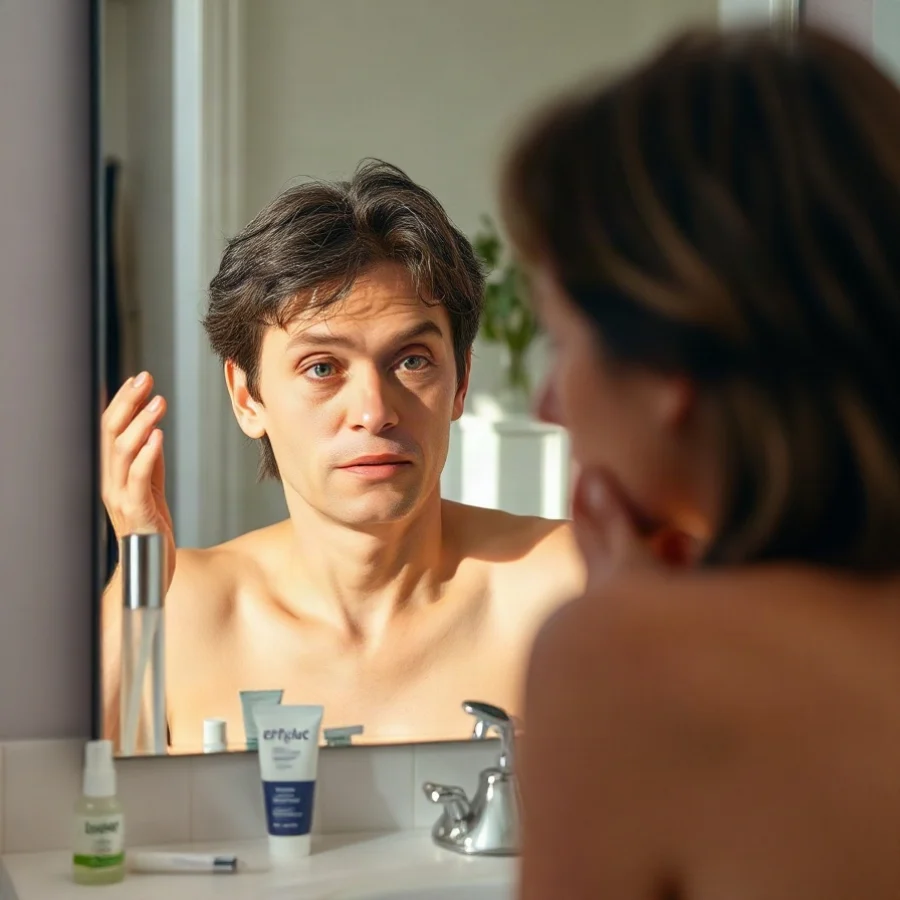
Daily sun protection can help limit additional visible discoloration. Because sunscreen can sting the eyes, choose a product that you can apply comfortably around the orbital area, follow its directions, and use sunglasses or a hat for additional protection. Avoid applying products directly to the lash line unless the label specifically allows it.
Allergies and eye rubbing
Seasonal allergies, sensitivity to dust, or irritation from cosmetics can cause itching and rubbing. That rubbing may leave the area looking darker or more swollen. It can also disrupt the skin barrier and make dryness more apparent.
Instead of repeatedly rubbing the area, try identifying possible irritants and use a gentle, fragrance-free routine if your skin tolerates it. Persistent itching, redness, scaling, or watering may warrant medical advice because an eye cream is not a substitute for evaluating an ongoing eye or skin problem.
Other reasons your under-eyes may look darker
Dehydration and dryness
Dehydrated or dry-looking skin can emphasize fine texture and make the under-eye area appear dull. This does not necessarily mean you are medically dehydrated. It may simply reflect a weakened skin barrier, dry air, hot water, harsh cleansing, or products that do not suit your skin.
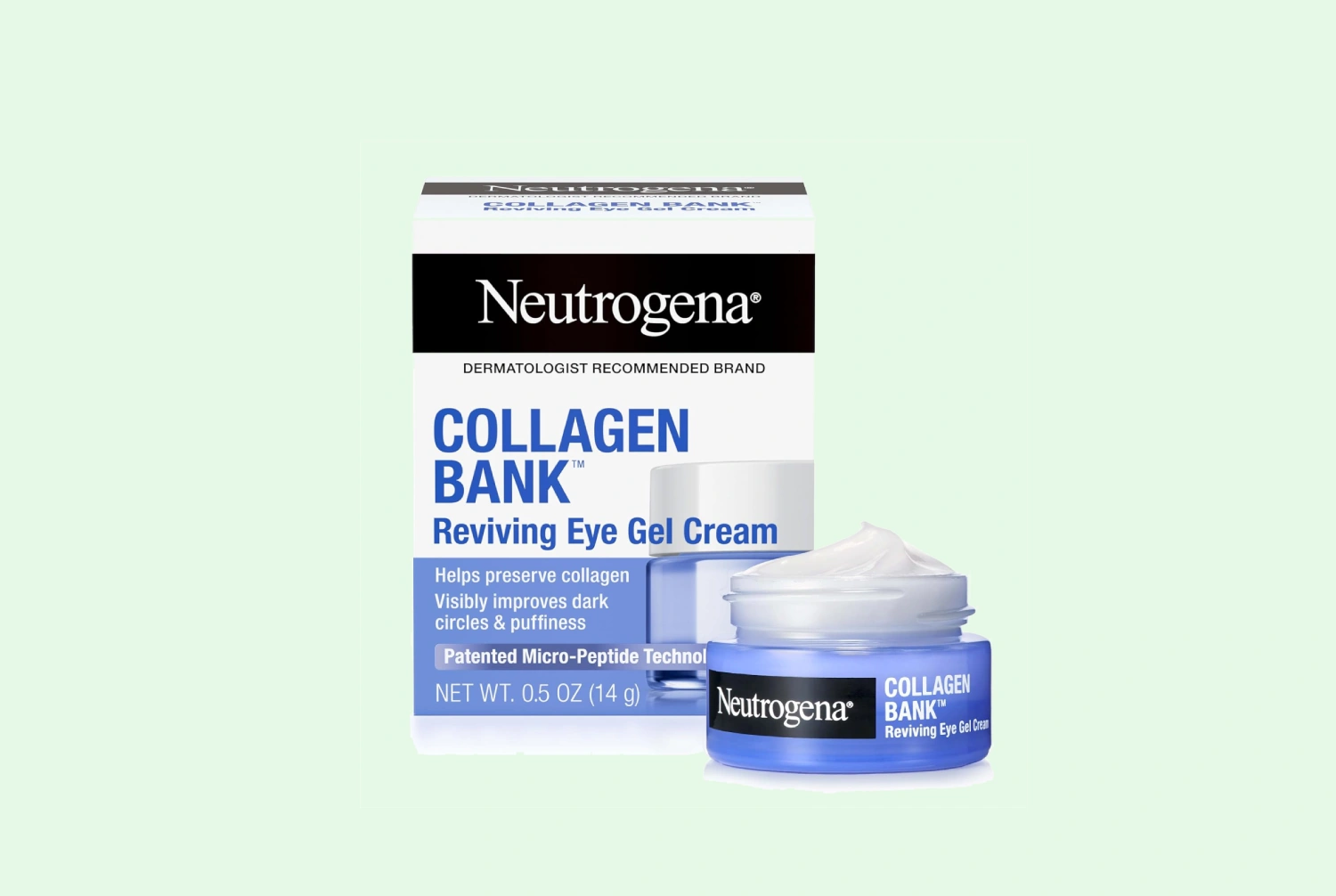
A simple moisturizer or eye product with barrier-supportive ingredients may temporarily make the surface look smoother and more comfortable. Ingredients such as glycerin, hyaluronic acid, squalane, and ceramides are commonly used for hydration or moisturization, but formulas differ. Check the current ingredient list before buying because products and packaging can change.
Puffiness and shadows
Fluid retention, crying, allergies, sleeping position, and individual anatomy can all affect the appearance of under-eye puffiness. A raised or puffy area may cast a darker shadow beneath it, creating the impression of more intense dark circles.
Cooling the area briefly with a clean, cool compress may make puffiness look less prominent for a short time. Avoid placing ice directly on the skin and do not press firmly on the eyelids. For more guidance, see our coverage of puffiness and eye bags.
Age-related changes
As skin matures, changes in collagen, elasticity, fat distribution, and facial contours can affect how light reflects around the eyes. Fine lines, laxity, and hollowness may create additional shadows. These changes are normal, but they can make dark circles appear more noticeable even if your sleep schedule has not changed.
Moisturizing products can improve the temporary look of dryness and texture. Some people also choose products containing retinoids or other active ingredients to support a smoother-looking appearance. However, eye-area skin can be particularly sensitive, and these products are not appropriate for everyone. Follow the label, introduce one active at a time, avoid the eye itself, and stop if you develop burning, persistent redness, swelling, or significant irritation.
How to choose an eye product for your type of dark circle
Choosing an eye cream based only on the phrase “dark circles” can be frustrating because products may target different visible concerns. Start by identifying the feature you want to improve most.
- For a dry or crepey-looking surface: Look for a comfortable moisturizer with humectants and emollients. A richer texture may be useful at night, while a lighter product may sit more comfortably under makeup.
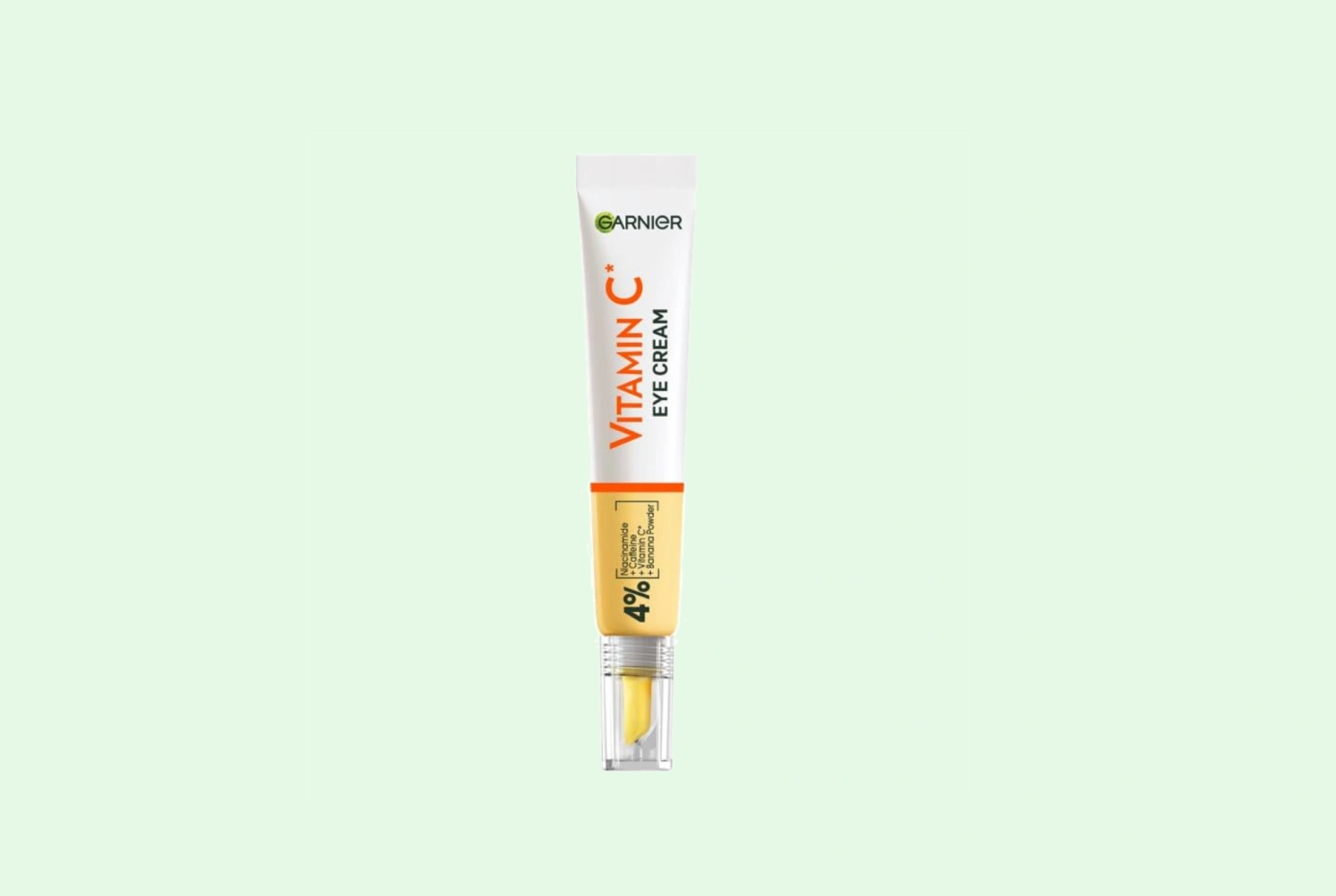
- For morning puffiness: A lightweight formula and a gentle, cool application may help the area look temporarily more refreshed. Caffeine is commonly included in products marketed for this concern, but it should not be treated as a permanent solution.
- For uneven-looking tone: Look for products marketed around brightening or tone-evening ingredients, and pair them with consistent sun protection. Results vary, and irritation can make discoloration look worse.
- For shadows caused by hollowness: Topical skincare has practical limits. Hydration may soften the look of surface texture, but a cream cannot reliably fill or reshape a tear trough.
- For sensitive skin: Keep the routine short and avoid adding several new actives at once. Our sensitive-skin guide can help you compare gentler routine considerations.
For ingredient explanations, use an eye cream ingredient guide and verify the current manufacturer ingredient list before purchase. Product names and formulas may change, and marketing language does not always explain which type of under-eye darkness a formula is best suited for.
A realistic routine for persistent dark circles
Morning
- Cleanse gently, or rinse with water if cleansing is unnecessary for your skin.
- Apply a small amount of moisturizer or eye product to the orbital bone area rather than rubbing it into the eyelid or lash line.
- Use sun protection that you can tolerate around the eyes, following the product directions.
- If desired, use makeup or a color-correcting concealer for immediate cosmetic coverage.
Evening
- Remove makeup without scrubbing or pulling at the skin.
- Apply a simple moisturizer or eye cream to slightly damp skin if comfortable.
- If using an active ingredient, follow the label carefully and introduce it gradually rather than layering multiple potentially irritating products.
- Stop using a product if it causes persistent stinging, redness, scaling, swelling, or worsening discomfort.
Apply products with your ring finger or another light touch, but do not assume that using more product will improve results. Keeping the product out of the eye is important, and contact with the eye should be handled according to the product directions.
What skincare can and cannot do
Skincare may help the under-eye area look more hydrated, smoother, brighter, or temporarily less puffy. Concealer can provide the most immediate visible change, while a consistent routine may support a better-looking skin surface over time.
However, an eye cream is unlikely to erase every type of dark circle. It cannot reliably change inherited facial structure, eliminate a deep shadow, or guarantee permanent results. Even products with appealing ingredients may work differently from person to person, and visible improvement can be subtle.
Be cautious with claims that promise to permanently remove dark circles, replace sleep, or deliver dramatic results in a short time. Look for clear instructions, a tolerable texture, transparent ingredient information, and a return policy that suits your needs. If the product includes an active ingredient, check the current label and use it only as directed.
When to ask a healthcare professional
Dark circles that have been present for years and remain stable are often a cosmetic concern, but skincare cannot determine the cause. Seek professional guidance if the change is sudden, one-sided, painful, associated with marked swelling, accompanied by a rash or vision symptoms, or linked with other new symptoms.
You may also want medical advice for persistent itching, inflammation, or eye discomfort. A healthcare professional can help assess symptoms that fall outside ordinary cosmetic skincare. For routine planning and product categories, you can also explore our under-eye routine builder.
Sleeping enough is still worthwhile for overall well-being and may help reduce a tired, puffy appearance. But if your dark circles remain, that does not mean you are doing something wrong. Genetics, pigmentation, translucency, facial shadows, irritation, and normal aging can all play a role. A gentle, consistent routine and realistic expectations are usually more useful than continually searching for a single miracle product.

Comments
0No comments yet. Be the first to share a helpful note or question.
Leave a Comment
Your email address will not be published. Comments are reviewed before appearing on the site.