
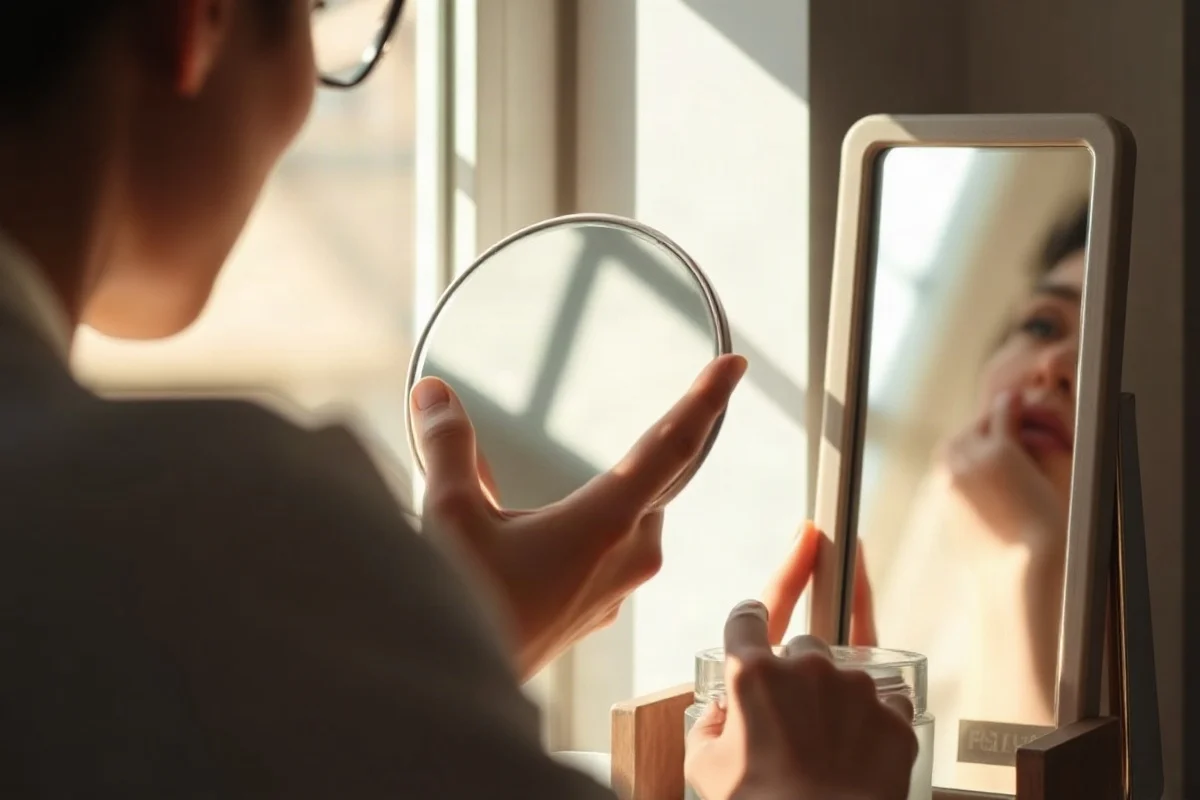
Dark circles and under-eye shadows can look similar, but they are not always caused by the same visual factors. A shadow usually changes with lighting, facial position, or the angle of your head, while discoloration tends to remain visible across different settings. Hollows, puffiness, thin skin, visible blood vessels, irritation, and surface pigmentation can also overlap, so one person may have several contributors at once. Understanding what you are seeing can help you choose more suitable cosmetic care, although an appearance check cannot diagnose a medical condition.
What is the difference between a dark circle and an under-eye shadow?
An under-eye shadow is generally a darker-looking area created by the way light falls across the contours around the eye. A tear trough or natural hollow can cast a soft gray or brown-looking shadow beneath the lower eyelid. Puffiness can create a raised area above a darker groove, making the contrast more noticeable. Shadows may look stronger from overhead lighting, in photographs, or when your face is tilted downward.
A dark circle, in the everyday cosmetic sense, is a persistent darker appearance around or beneath the eyes. It may come from excess pigment, the visibility of blood vessels through relatively thin skin, a combination of pigment and facial structure, or irritation that makes the area look uneven. Darker-looking skin can also be more noticeable after rubbing or exposure to sunlight. The word “dark circle” describes an appearance rather than a single cause.
This distinction matters because a topical product may improve the look of dryness, dullness, or uneven tone without changing the facial hollow that creates a shadow. Likewise, reducing the look of puffiness may soften contrast but may not remove pigmentation.
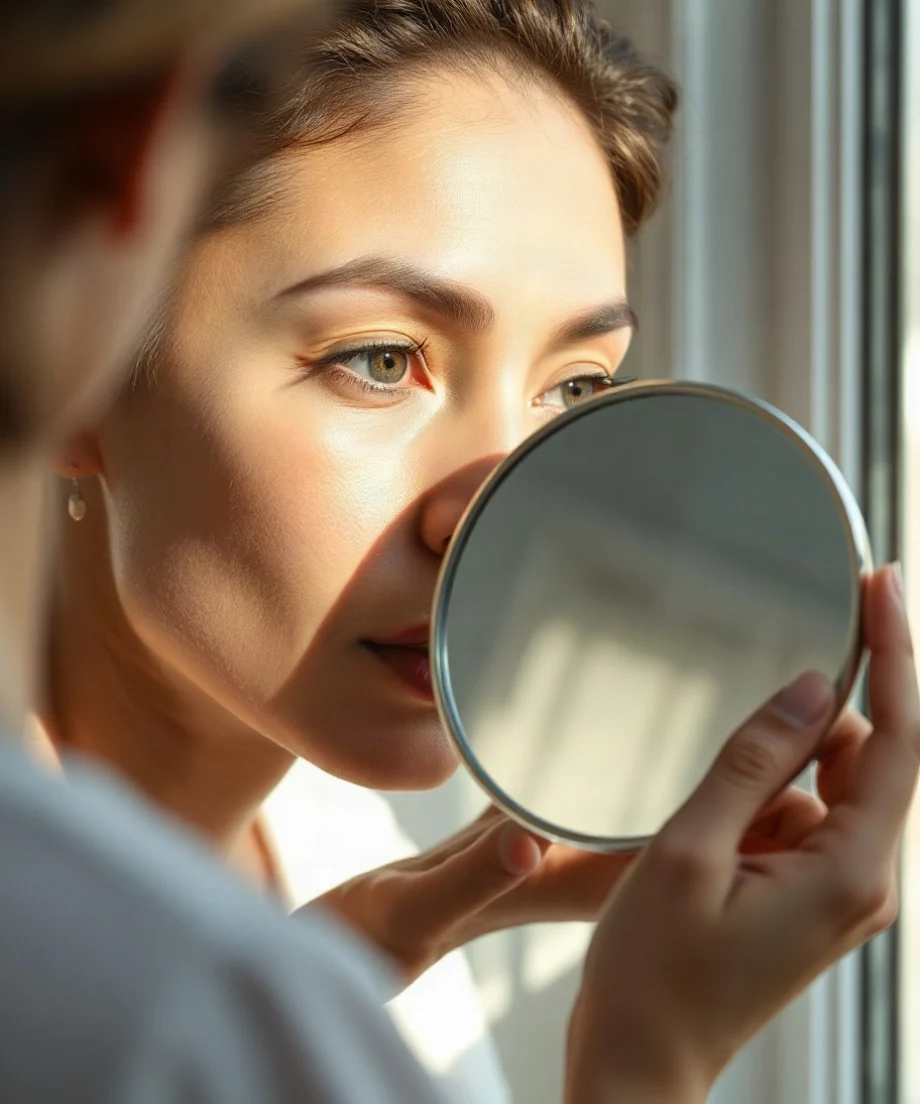
A simple way to check what you are seeing
Try observing the under-eye area in soft, even daylight rather than judging it only in a bathroom mirror or a phone photograph. Keep your head level, relax your face, and then compare the area while looking slightly upward and slightly downward. You can also observe it under diffuse light coming from in front of you instead of strong overhead light.
Signs that structure or lighting may be involved
- The darkness changes noticeably when you move your head or change the light source.
- The area looks lighter when the light comes from the front and darker under overhead lighting.
- A groove, hollow, or raised area appears to create a distinct line of contrast.
- Puffiness makes the lower eyelid look more prominent at certain times of day.
- The “darkness” appears mainly below a contour rather than across the entire under-eye area.

Signs that discoloration may be involved
- The tone remains relatively similar in different lighting conditions.
- Color appears across a broader area of skin, including the upper or lower eyelid.
- The area looks brown, gray-brown, or uneven rather than simply recessed.
- The appearance became more noticeable after frequent rubbing, irritation, or sun exposure.
- The color is still visible when the surrounding contours are evenly illuminated.
These observations are only a practical cosmetic guide. They cannot identify the underlying reason for a change in skin color or texture. If discoloration appears suddenly, affects one side only, comes with swelling or other symptoms, or concerns you, consider speaking with a qualified health professional.
Common contributors to an under-eye shadow
Natural hollows and facial contours
The lower eyelid transitions into the cheek through a naturally curved area. For some people, that transition creates a visible groove or hollow. As light passes over the face, the recessed area may look darker even when the skin itself is not substantially more pigmented. Genetics, age-related changes, and individual facial anatomy can all influence how prominent this contrast appears.
Topical skincare can support the condition of the surface skin, but a cream cannot be expected to reshape a hollow or replace lost volume. Makeup, carefully placed concealer, and lighting adjustments may provide a more immediate cosmetic change in this situation. Professional procedures are a separate medical or aesthetic topic and require an appropriately qualified provider.
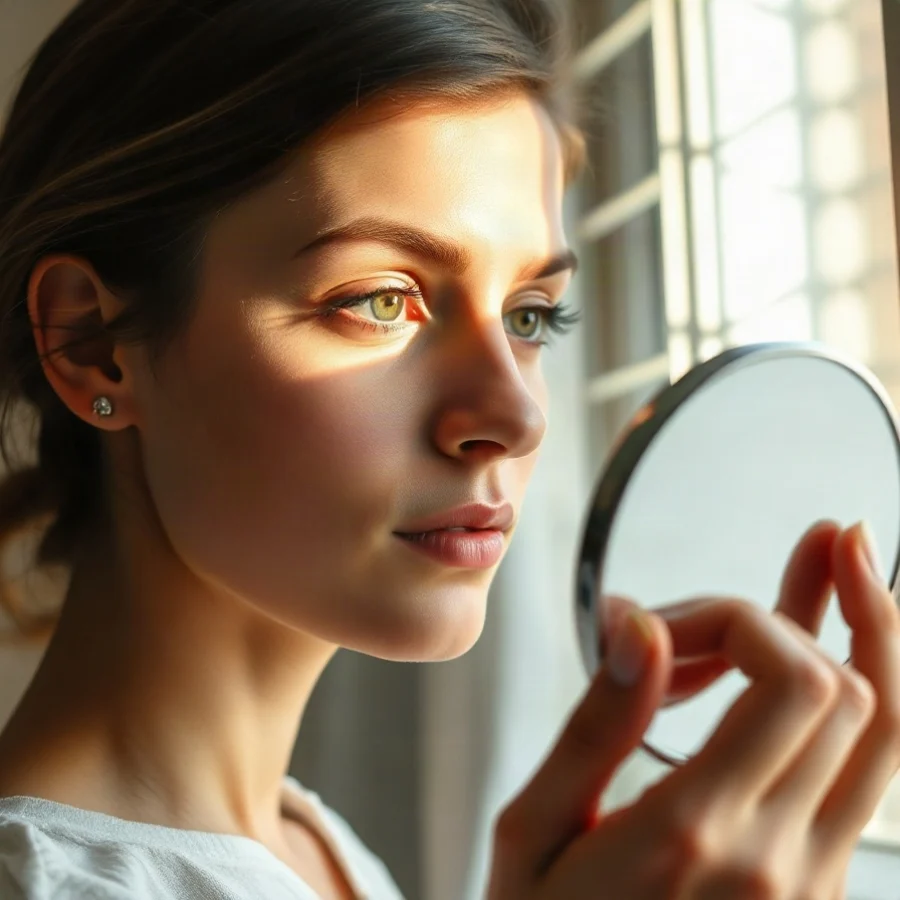
Puffiness and eye bags
Temporary puffiness can make a shadow look deeper by creating a raised border around a recessed area. It may be more noticeable after poor sleep, crying, seasonal allergies, salty meals, or prolonged screen time, although individual triggers vary. Persistent or pronounced swelling should not automatically be assumed to be a cosmetic issue.
Cooling products or a cool compress may temporarily make the area feel more comfortable and may reduce the look of mild morning puffiness for some people. Use a clean, cool—not freezing—compress, and avoid pressing or rubbing the delicate skin. For more information about this separate concern, see our guide to puffiness and eye bags.
Thin skin and visible blood vessels
The skin around the eyes is delicate, and its relative thinness can make underlying blood vessels more visible. This may give the area a blue, purple, or reddish cast, particularly when the skin is dry or the lighting is harsh. A richer moisturizer may improve the look of dehydration temporarily, but it will not necessarily change the visibility of underlying vessels.
Common contributors to true discoloration
Surface or deeper pigmentation
Brown or gray-brown color may reflect increased pigmentation in the skin. Sun exposure can make uneven tone more noticeable, and some people naturally have more pigment around the eyes. Because the eye area is easy to irritate, aggressive attempts to brighten it can create more dryness or inflammation and make the appearance seem worse.
Daily broad-spectrum sunscreen applied carefully around the orbital area, while avoiding direct contact with the eyes, can help limit additional sun-related darkening. Sunglasses and a hat can also reduce direct exposure. Follow the sunscreen label and take care not to apply products too close to the eye if they sting or migrate.
Rubbing and irritation
Rubbing can temporarily cause redness and may contribute to a darker-looking or uneven appearance over time. Fragrances, strong exfoliating products, makeup removal, and poorly tolerated actives may also irritate sensitive skin. If the area burns, stings, flakes, or becomes increasingly red, simplify the routine and stop the product that appears to be causing the reaction. Seek medical advice if the irritation is severe, persistent, or associated with other symptoms.
How skincare can help—and where it has limits
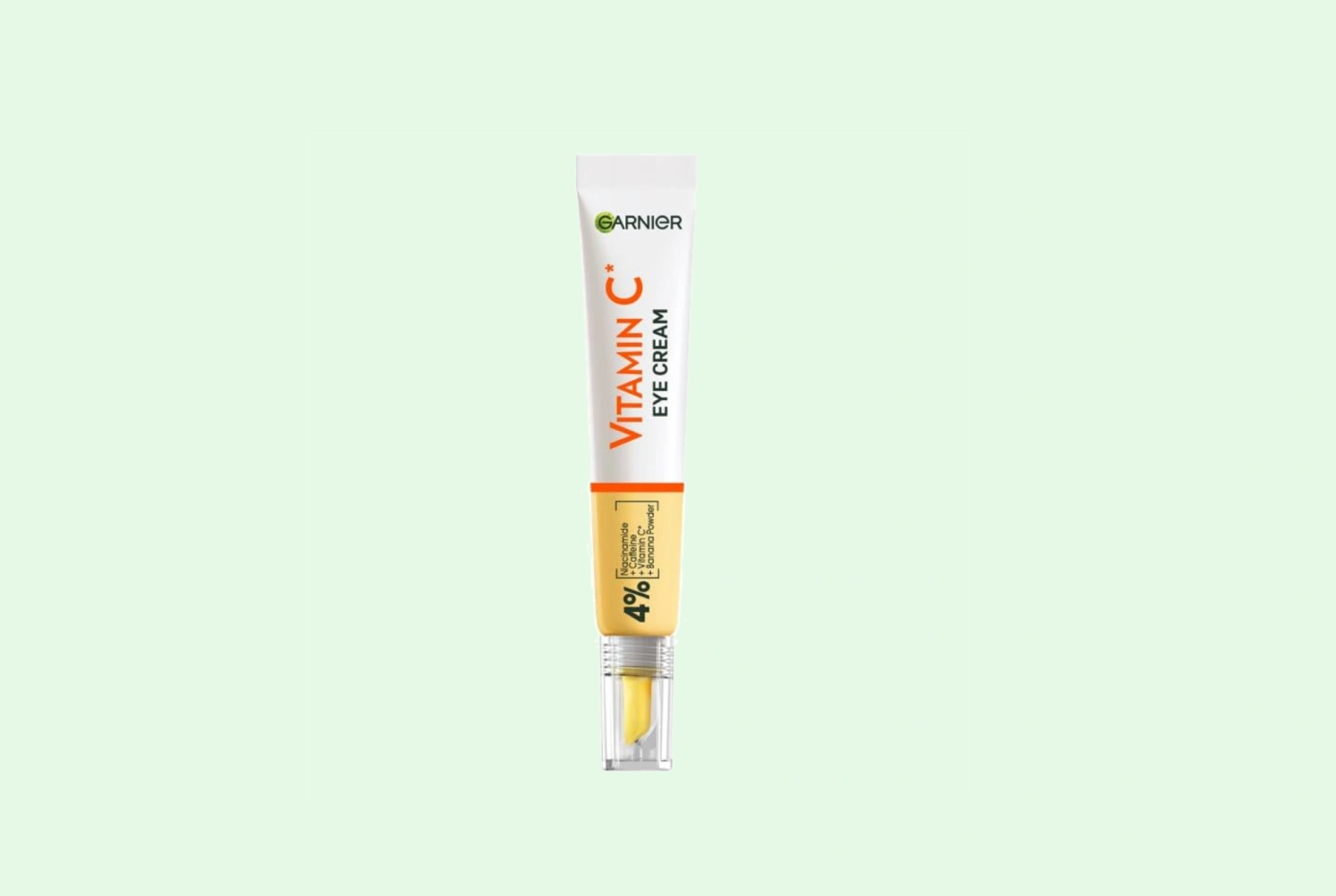
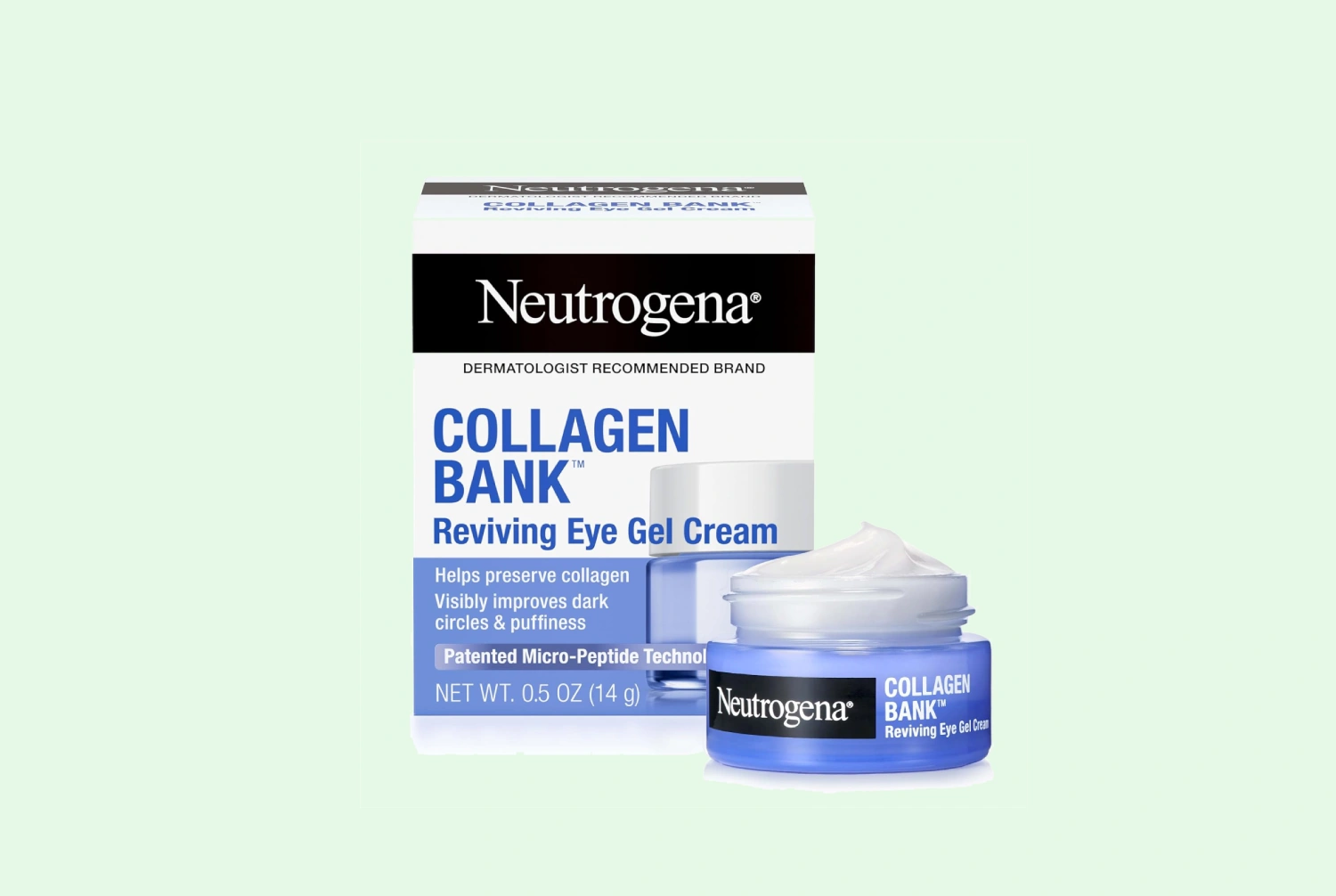
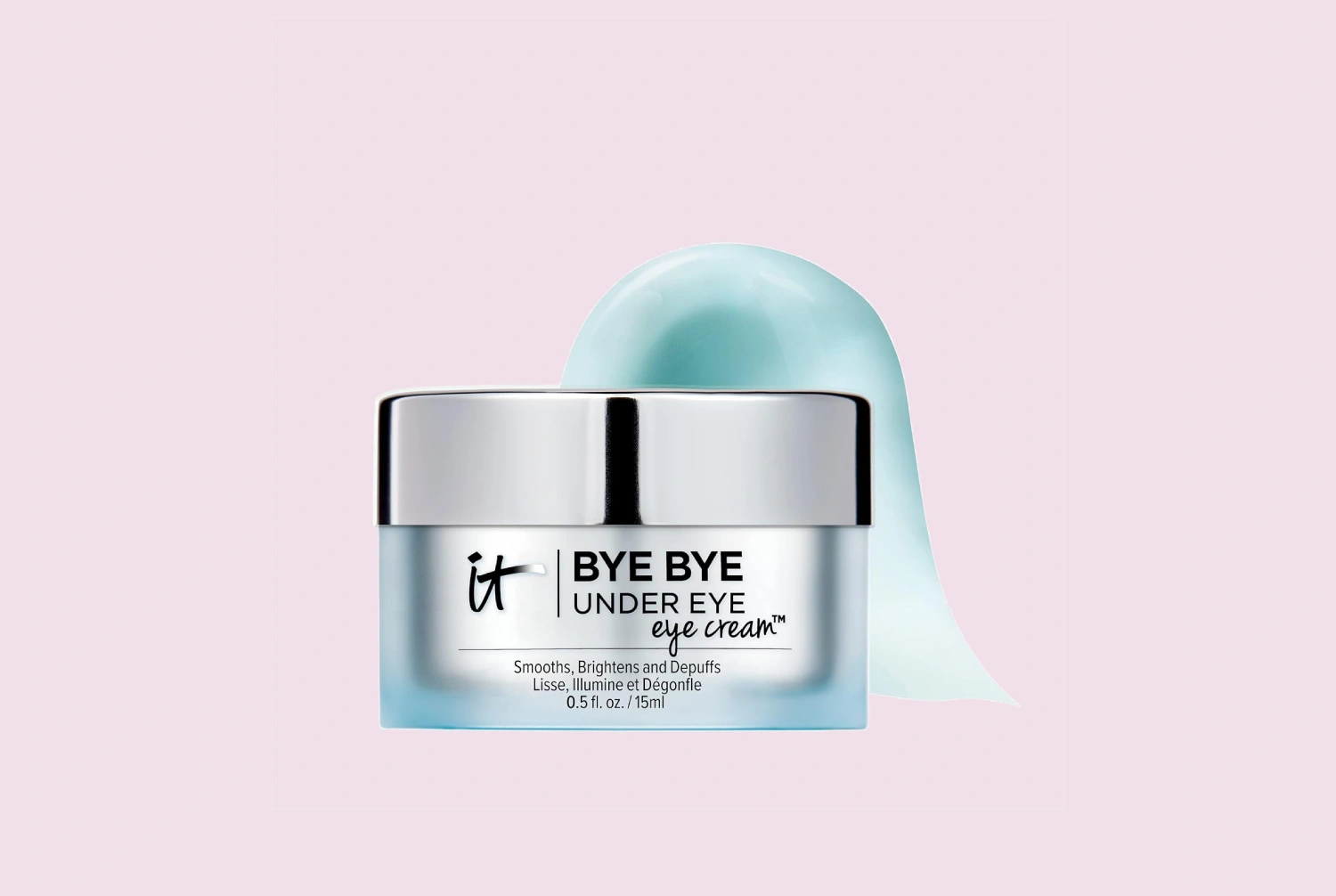
Choose products according to the feature you want to improve rather than the label “dark circles” alone. A gentle moisturizer can reduce the look of dryness and make fine surface lines less noticeable. Ingredients such as caffeine are commonly used in eye products aimed at the temporary appearance of puffiness, while vitamin C derivatives, niacinamide, or other tone-supporting ingredients may be included in products designed for uneven-looking skin. The effect depends on the complete formula, your skin, and the reason for the discoloration.
Retinoids may support smoother-looking skin over time, but the eye area is especially prone to irritation. If you use a retinol eye product, follow the package directions, introduce it cautiously, avoid the lash line and eye itself, and wear sun protection during the day. Do not combine multiple potentially irritating actives around the eyes without a clear reason. Review our eye cream ingredient guide for a broader explanation of common ingredients.
Because formulas can change, check the current packaging and the manufacturer’s ingredient list when a specific product detail matters. Patch testing can be sensible for sensitive skin, although it cannot guarantee that a product will not irritate the eye area. Stop use if you develop burning, swelling, rash, or persistent discomfort.
How to choose an eye product for your concern
- For a shadow caused mainly by a hollow: prioritize hydration and comfortable texture expectations, but do not expect a topical cream to alter facial structure.
- For mild puffiness: look for a lightweight, non-irritating product and consider whether a cool compress or routine changes are more useful.
- For dry-looking skin: choose a fragrance-free moisturizer if your skin is sensitive, and apply a small amount without rubbing.
- For uneven tone: consider gentle, well-tolerated brightening ingredients and consistent sun protection rather than aggressive exfoliation.
- For visible fine lines: hydration may temporarily soften their appearance, while retinoid products require particularly cautious use around the eyes.
Apply eye products with a light touch using a small amount on the orbital bone, unless the label gives different instructions. Avoid getting skincare into the eye, and wash your hands before application. More product is not automatically more effective and may increase the chance of migration or irritation.
When the appearance deserves professional attention
Cosmetic differences are common, but a new or rapidly changing appearance should not be dismissed automatically as ordinary dark circles. Contact a qualified health professional if one-sided swelling, significant pain, marked redness, vision changes, discharge, a new rash, or sudden discoloration develops. A clinician can assess symptoms that skincare guidance cannot.
For ordinary cosmetic concerns, set expectations around gradual and limited changes. A routine may improve hydration, surface texture, or the look of uneven tone, but it may not remove a genetic pattern, visible vessels, a pronounced hollow, or all effects of facial anatomy. Comparing your appearance in consistent lighting can help you judge changes more fairly. If you are unsure where to begin, the under-eye routine builder can help organize choices around your skin needs.
The most useful first step is to identify whether the darkness behaves more like a shadow, a color change, puffiness, or a combination. That simple distinction can steer you toward gentler, more realistic care—and away from products that promise to solve a problem they cannot address.

Comments
0No comments yet. Be the first to share a helpful note or question.
Leave a Comment
Your email address will not be published. Comments are reviewed before appearing on the site.