
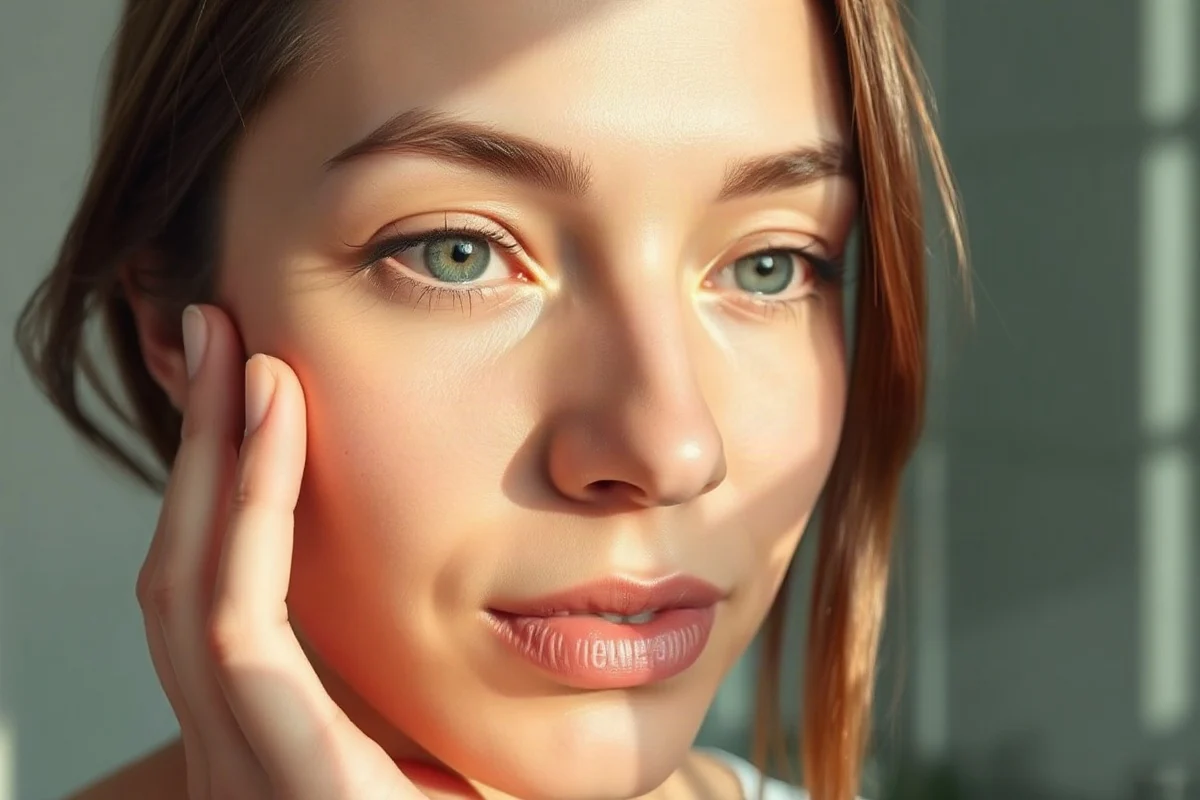
Yes, allergies can cause under-eye puffiness. Seasonal allergies, dust, pet dander, and other triggers may lead to watery or itchy eyes, rubbing, nasal congestion, and fluid buildup around the lower eyelids. This can make the under-eye area look swollen or darker, although puffiness can also have other causes, including sleep loss, genetics, irritation, fluid retention, and age-related changes.
Allergy-related puffiness is usually a temporary appearance concern connected with inflammation and congestion. An eye cream may help support the look and feel of the skin, but cosmetic products do not diagnose or treat an allergy. If eye symptoms are severe, persistent, painful, or affect vision, contact a qualified health professional rather than relying on skincare alone.
How allergies can make the under-eye area look puffy
When your immune system reacts to an allergen, the body can release inflammatory chemicals that contribute to itching, redness, watering, and swelling. The skin around the eyes is thin and delicate, so even modest swelling can be noticeable there.
Allergies can affect the under-eye area in several connected ways:
- Inflammation: Irritation around the eyes may make the surrounding tissue look fuller or swollen.
- Watery eyes: Excess tearing can leave the skin damp and uncomfortable, especially when combined with rubbing.
- Nasal congestion: A blocked or runny nose may contribute to a tired-looking appearance and temporary discoloration under the eyes.
- Eye rubbing: Scratching or rubbing can increase irritation and make swelling more noticeable.
- Poor sleep: Allergy symptoms can interfere with sleep, which may make puffiness and dark circles appear more prominent.
Some people also notice what is commonly called “allergic shiners”—a darker-looking area under the eyes associated with nasal congestion and changes in how blood is visible through the thin skin. The appearance may resemble a bruise, but it is not necessarily a sign of an injury.
What allergy-related puffiness usually looks like
Allergy-related swelling often appears alongside other symptoms rather than occurring by itself. You may notice itching, watery eyes, redness, sneezing, a runny or stuffy nose, or irritation in both eyes. The swelling may be more obvious during a season when your known triggers are present or after exposure to dust, animal dander, or another irritant.
By contrast, puffiness caused by a late night, salty food, crying, or sleeping with your face pressed into a pillow may improve as the day progresses. Age-related under-eye bags may remain more consistent because they can involve changes in skin elasticity, fat distribution, and the supporting tissues around the eye.
These patterns can offer useful context, but they cannot confirm the cause. Similar-looking symptoms may have different explanations, and an article about skincare cannot provide a medical diagnosis.
Allergies versus other common causes of under-eye puffiness
Under-eye puffiness is not always caused by allergies. Several factors can overlap, which is why it can be difficult to identify the cause based on appearance alone.
Sleep and daily habits
Short or disrupted sleep may make fluid retention, shadows, and facial swelling more noticeable. Alcohol, dehydration, crying, and some dietary patterns can also temporarily change the appearance of the area. These effects may improve with rest and a return to your usual routine, but individual responses vary.
Genetics and facial structure
Some people naturally have prominent tear troughs, under-eye bags, or thinner skin in this area. In those cases, allergies may make an existing feature look more pronounced without being its underlying cause.
Skin irritation or contact reactions
A new eye cream, makeup product, cleanser, fragrance, or hair product can irritate the delicate eye area. Irritation may cause burning, stinging, redness, itching, scaling, or swelling. If symptoms begin after introducing a product, stop using it and review the ingredient list. Product formulas can change, so check the current packaging or the manufacturer’s ingredient information when details matter.
Age-related changes
Over time, the skin may become less resilient, and the tissues around the eyes may change. This can contribute to persistent bags or fine lines that do not disappear when allergy symptoms settle. Skincare can support hydration and the appearance of texture, but it cannot reliably change underlying anatomy.
What may help the appearance of allergy-related puffiness
The most useful first step is to reduce exposure to known triggers when practical and follow advice from a qualified healthcare professional for allergy symptoms. Managing the trigger may do more for allergy-related swelling than adding several new cosmetic products.
For temporary cosmetic relief, some people find that a cool, clean compress helps the area look and feel less swollen. Use gentle pressure and avoid placing ice directly on the skin. Keeping the compress comfortably cool rather than painfully cold is especially important around the eyes.
Try not to rub or scratch the area. Rubbing can increase irritation and may make the skin look redder or darker temporarily. If your eyes are watering, pat the surrounding skin gently with a clean, soft material instead of dragging it across the eyelids.
Consistent sleep, adequate hydration, and a gentle skincare routine may also help the overall appearance of tired-looking eyes. These habits are supportive rather than a guaranteed solution, and they do not replace medical care for allergy symptoms.
Can an eye cream help?
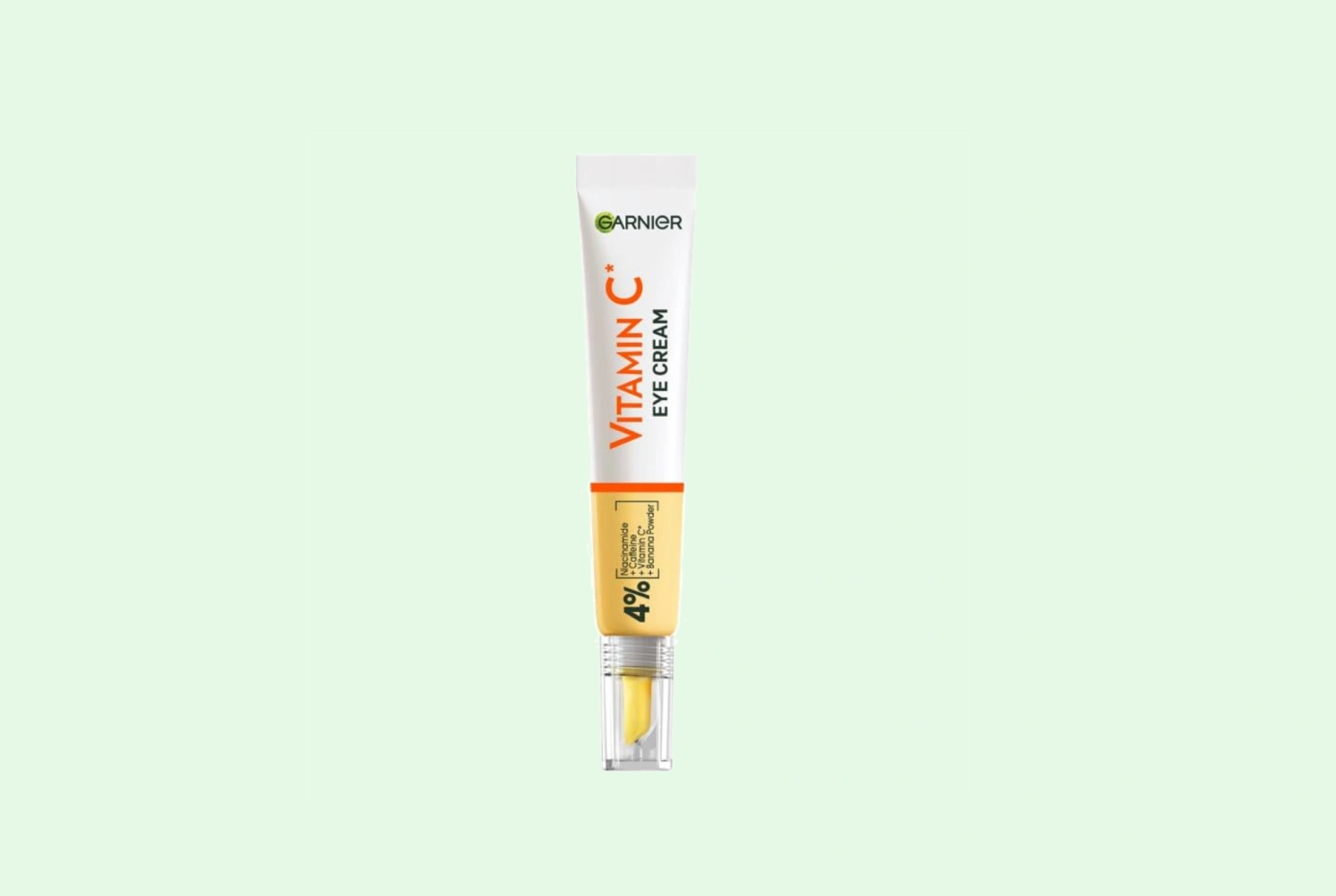
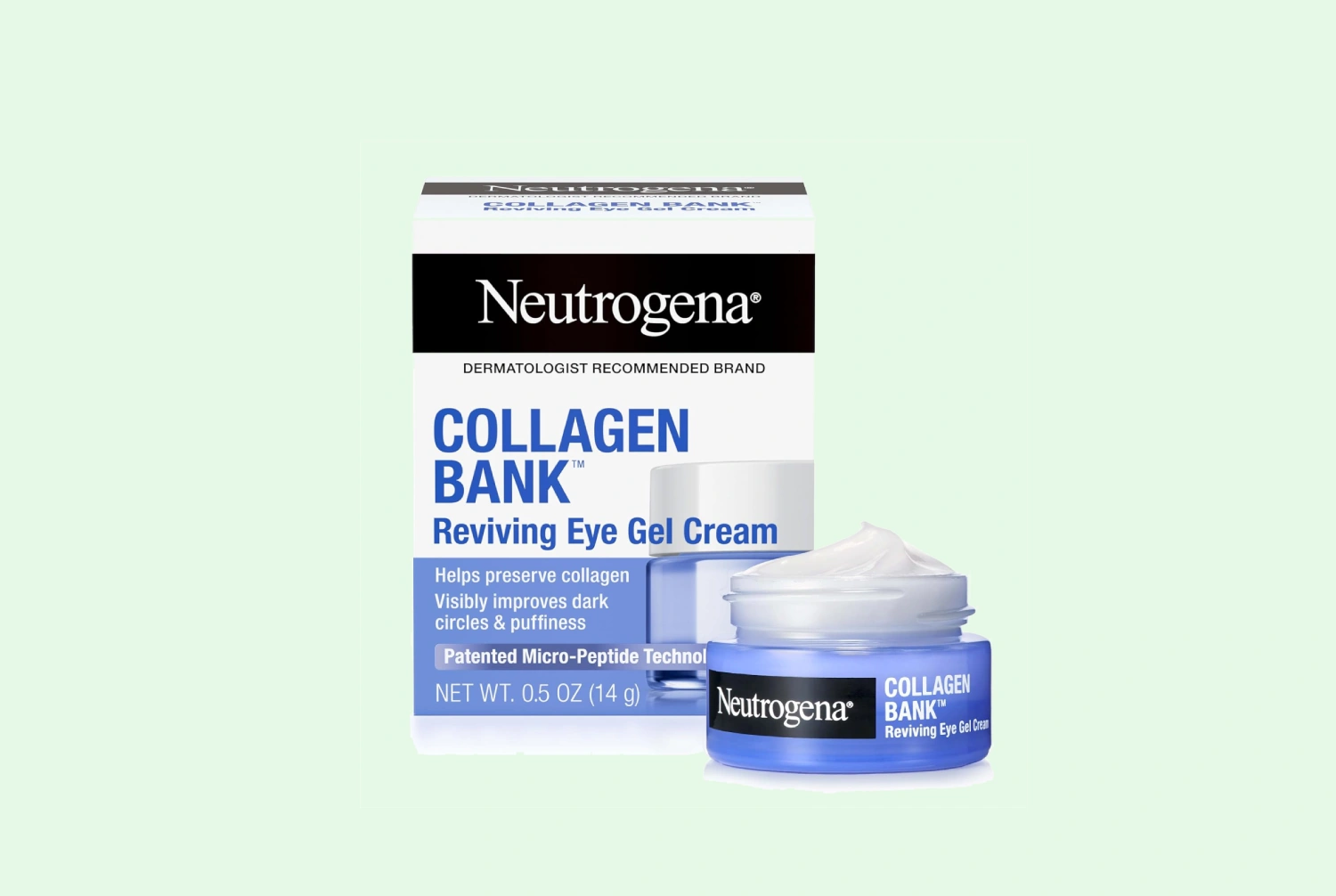
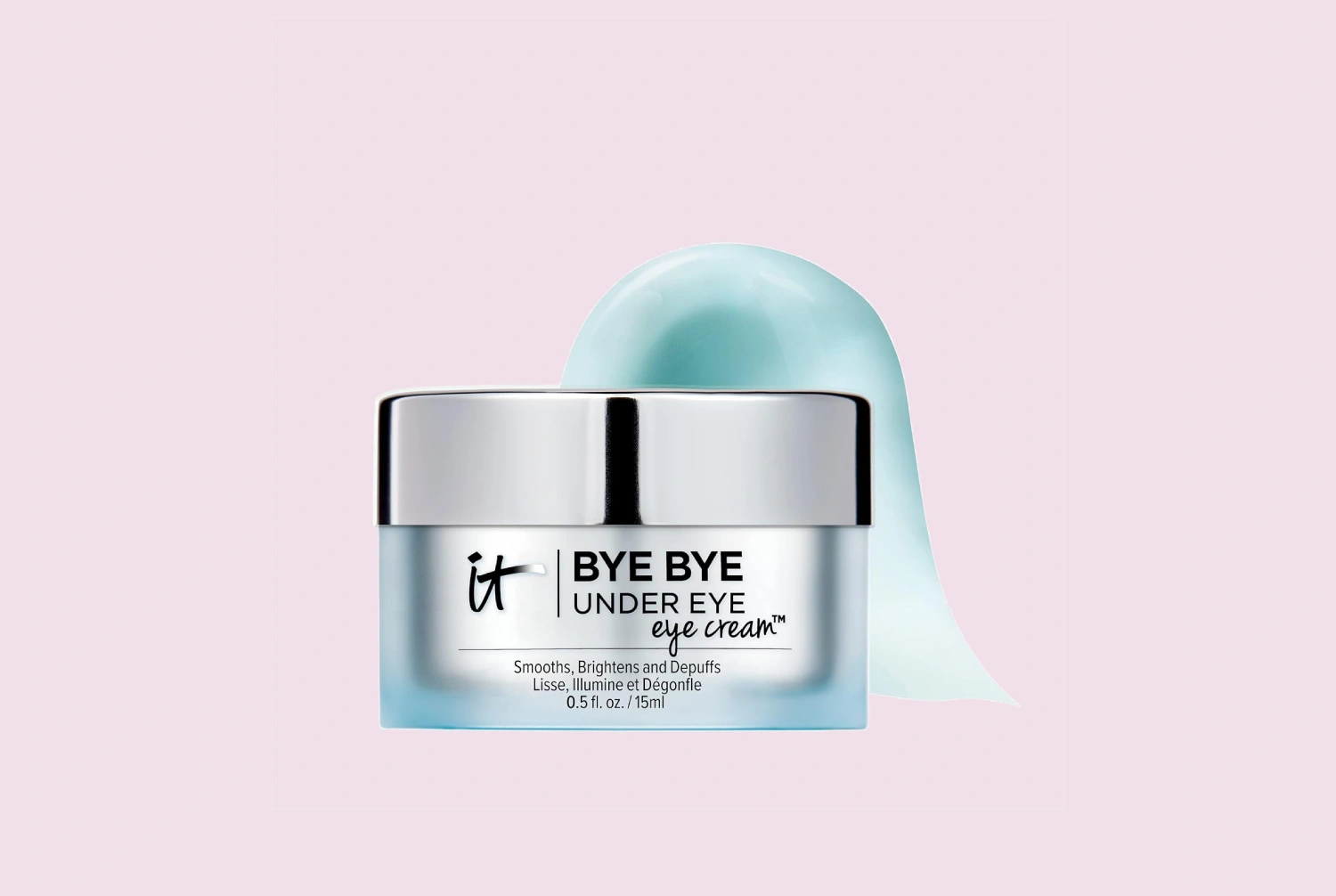
An eye cream may improve the cosmetic appearance of dryness, rough texture, or temporary dullness, depending on its formula and your skin’s response. A moisturizer with bland, skin-supportive ingredients may make dry skin look smoother and more comfortable. Products featuring caffeine are also commonly chosen for the appearance of temporary puffiness, but results can vary and should not be treated as a cure for allergies.
If you are researching ingredients, our eye cream ingredient guide can help you compare common options without assuming that one ingredient works for everyone. For a simple routine based on your concerns, you can also use the under-eye routine builder.
Apply products gently, using a small amount and avoiding direct contact with the eyes. Do not apply a cosmetic product to broken, actively irritated, or infected-looking skin unless a healthcare professional has advised you to do so. Follow the product label, patch-test new products when appropriate, and stop using a product if it causes burning, worsening redness, itching, or swelling.
Ingredients to approach carefully around irritated eyes
Many eye-area products contain active ingredients intended to address the appearance of fine lines, uneven tone, or texture. Retinoids, exfoliating acids, vitamin C products, fragrance, essential oils, and some preservatives may be irritating for certain people. Sensitivity depends on the specific formula and the individual, so the ingredient name alone does not predict how your skin will respond.
During an allergy flare or any period of noticeable irritation, it may be sensible to keep the routine simple. Consider pausing nonessential active products until the skin feels comfortable again, while following any guidance you have received from a healthcare professional. If you reintroduce an active, follow the label and use it cautiously. Stop if irritation develops or worsens.
For additional guidance on choosing products for reactive skin, see our coverage of eye creams for sensitive skin. The goal is not to find a guaranteed allergy-proof formula, but to reduce unnecessary exposure to ingredients that your skin does not tolerate.
When under-eye swelling needs medical attention
Seek prompt medical advice for swelling that is severe, sudden, one-sided, painful, hot, or accompanied by significant redness. Vision changes, light sensitivity, discharge, eye injury, fever, facial swelling, breathing difficulty, or swelling of the lips or tongue also warrant urgent attention. Breathing difficulty or rapidly developing facial swelling can be an emergency.
It is also worth contacting a healthcare professional if symptoms keep returning, do not improve, or interfere with sleep and daily activities. A clinician can help evaluate possible causes and recommend appropriate care. Do not use cosmetic eye products as a substitute for assessment or treatment.
How to think about recurring puffiness
Tracking when the swelling appears may help you discuss it more clearly with a professional. Note possible exposures, such as pollen, dust, pets, new cosmetics, or skincare products, along with related symptoms such as sneezing, itching, redness, congestion, or watering. Also note whether the puffiness affects one or both eyes and whether it changes during the day.
For a cosmetic routine, focus on gentle application, adequate moisturization, and realistic expectations. Allergy-related puffiness may improve when the underlying trigger is managed, while genetic bags, facial structure, and age-related changes may remain. An eye cream can support the appearance of the skin, but it cannot remove every cause of under-eye swelling.
If your main concern is persistent puffiness rather than seasonal symptoms, browse our puffiness and eye bags guide for more information about cosmetic factors, ingredient categories, and practical routine choices.

Comments
0No comments yet. Be the first to share a helpful note or question.
Leave a Comment
Your email address will not be published. Comments are reviewed before appearing on the site.