
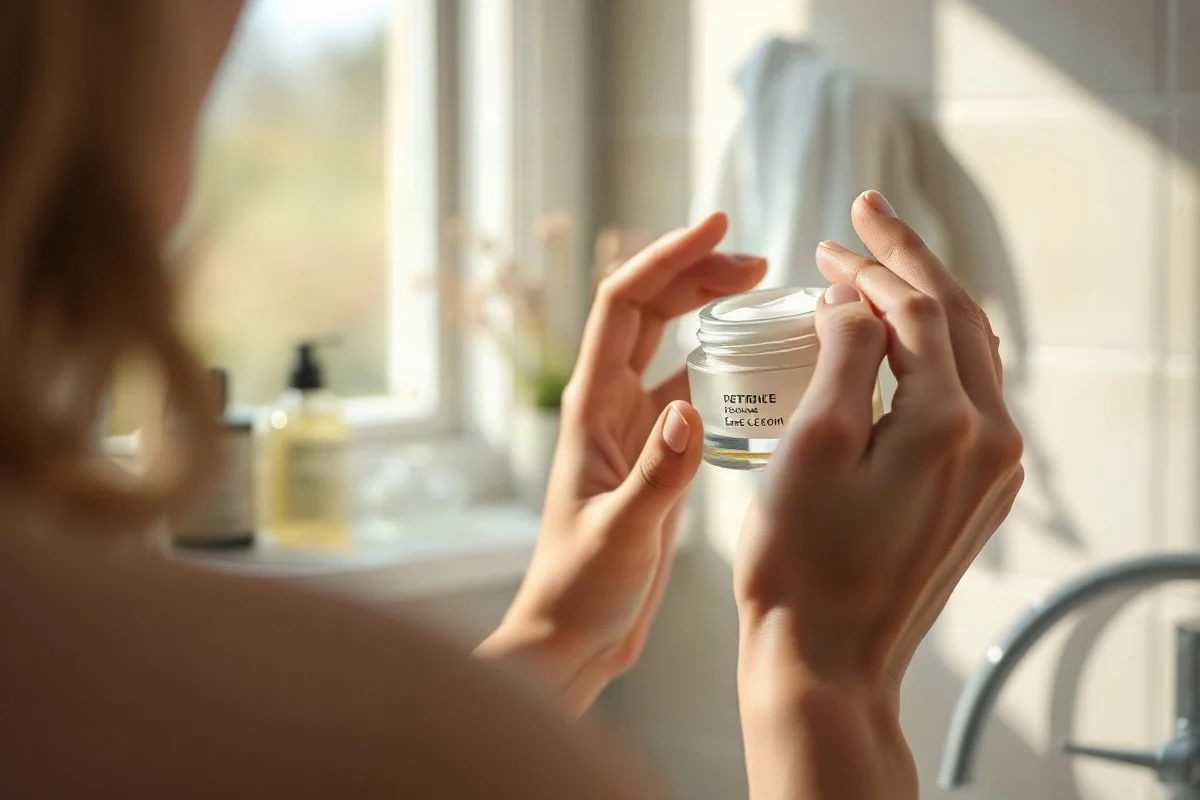
Yes, peptides may help improve the appearance of eye wrinkles, especially when they are used consistently in a well-formulated eye product. They are not an instant wrinkle eraser, and they cannot stop the natural movements, dryness, or structural changes that contribute to lines around the eyes. Their most realistic role is supporting a smoother, more hydrated-looking under-eye area over time.
Because “peptides” describes a broad group of ingredients rather than one single substance, the product formula matters. Different peptides are used for different cosmetic purposes, and the label may not explain exactly how much of each one is present or how the complete formula was evaluated. If you are comparing products, look at the full ingredient list, the product’s texture, and whether you are likely to use it consistently—not just the word “peptide” on the front of the package.
What are peptides in skin care?
Peptides are short chains of amino acids. Amino acids are building blocks involved in many processes in the body, while cosmetic peptides are used in skin-care formulas for their potential to support the look and feel of skin. Depending on the type, a peptide may be included to condition the skin, support a firmer-looking appearance, or complement ingredients focused on hydration and barrier care.
In an eye cream, peptides are usually part of a broader formula that may also contain moisturizers, humectants, emollients, antioxidants, or soothing ingredients. This matters because the visible improvement you notice may come from several parts of the formula working together. For example, hydration can temporarily make fine lines look less pronounced by making the skin surface appear more supple and reflective.
Ingredient names can be difficult to interpret because peptide names vary. Some appear as words that include “peptide,” while others use more technical names. For help reviewing labels, see our eye cream ingredient guide.
How peptides may improve the look of eye wrinkles
They can support a smoother-looking surface
Dryness can make under-eye lines look sharper. A peptide product that also contains effective moisturizing ingredients may help the area look softer and more even. This is a cosmetic effect, not a change to the underlying structure of the skin. The result may be most noticeable when the skin is dehydrated or when makeup tends to settle into fine lines.
They may support a firmer-looking appearance
Some cosmetic peptides are included in formulas designed to support the appearance of firmness. With regular use, a suitable product may make the eye area look somewhat smoother or more resilient. However, the outcome is not guaranteed, and a topical product cannot be expected to reproduce the effects of an in-office procedure or medical treatment.
They are often suitable for simple, consistent routines
Compared with some stronger active ingredients, peptide products are often positioned as a gentler option for people who want to focus on daily conditioning and hydration. “Gentler” does not mean irritation is impossible. Preservatives, fragrance, botanical extracts, or other active ingredients in the same formula may still cause discomfort, particularly around the eyes.
What peptides cannot do
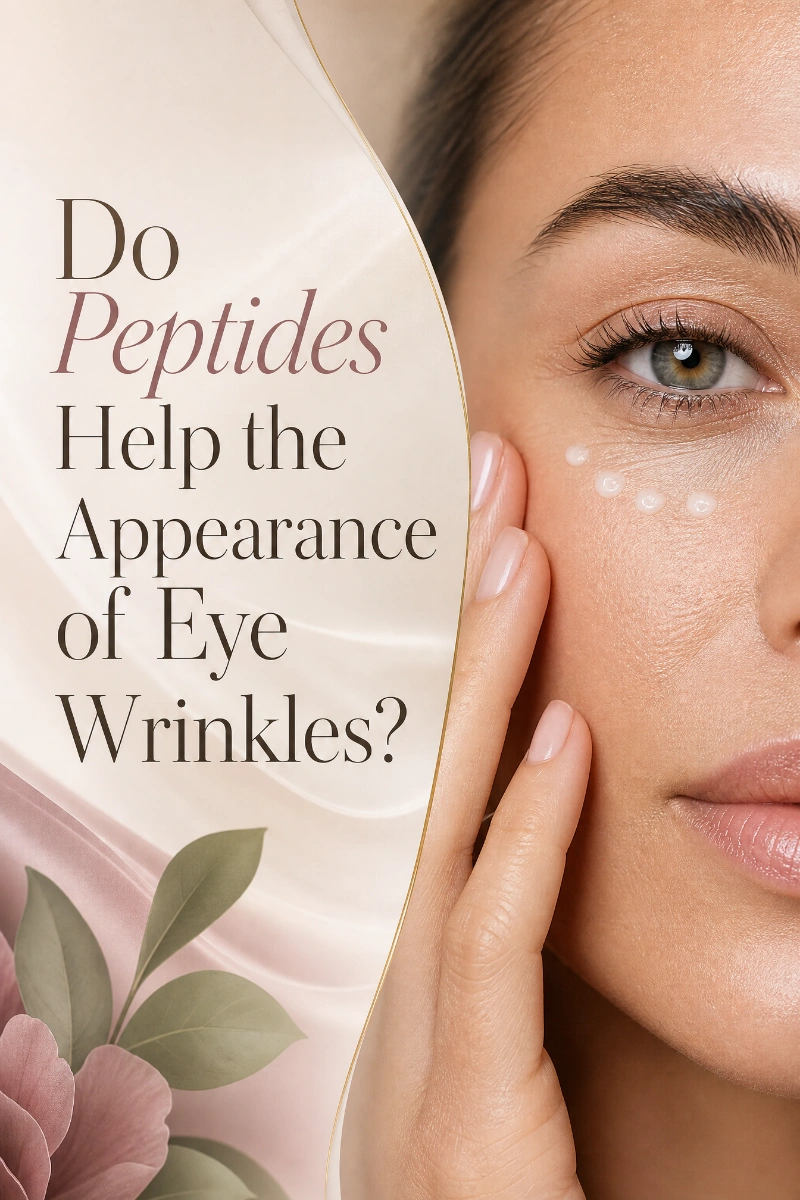
Peptides may help the appearance of fine lines, but they are not a universal solution for every change around the eyes. They are unlikely to fully remove etched wrinkles, folds caused by facial movement, or loose skin. They also do not address every type of dark circle or puffiness. Under-eye darkness can be influenced by visible blood vessels, shadows, pigmentation, thin skin, or facial structure, while puffiness may have different cosmetic or medical contributors.
That is why a peptide eye cream should be viewed as one option for improving the look of the area—not as a treatment for a diagnosed skin condition. If swelling, discoloration, rash, pain, or a sudden change concerns you, a qualified health professional can help determine whether medical evaluation is appropriate.
Peptides compared with other wrinkle-focused ingredients
The best ingredient depends on your priorities, tolerance, and routine. Peptides may be appealing if you want a conditioning product that fits easily into a basic morning or evening routine. Other ingredients may be more appropriate for different goals, but they can also carry a greater risk of dryness or irritation.
Peptides and retinoids
Retinoid-based products are commonly chosen for the appearance of fine lines and uneven texture, but the eye area can be sensitive to them. If you use a retinol eye product, follow its label carefully and introduce it gradually if the instructions allow. Do not assume that a face product is automatically suitable for the eyelids or under-eye area. Our guide to retinol eye cream covers considerations for choosing and using these products.
Peptides and antioxidants
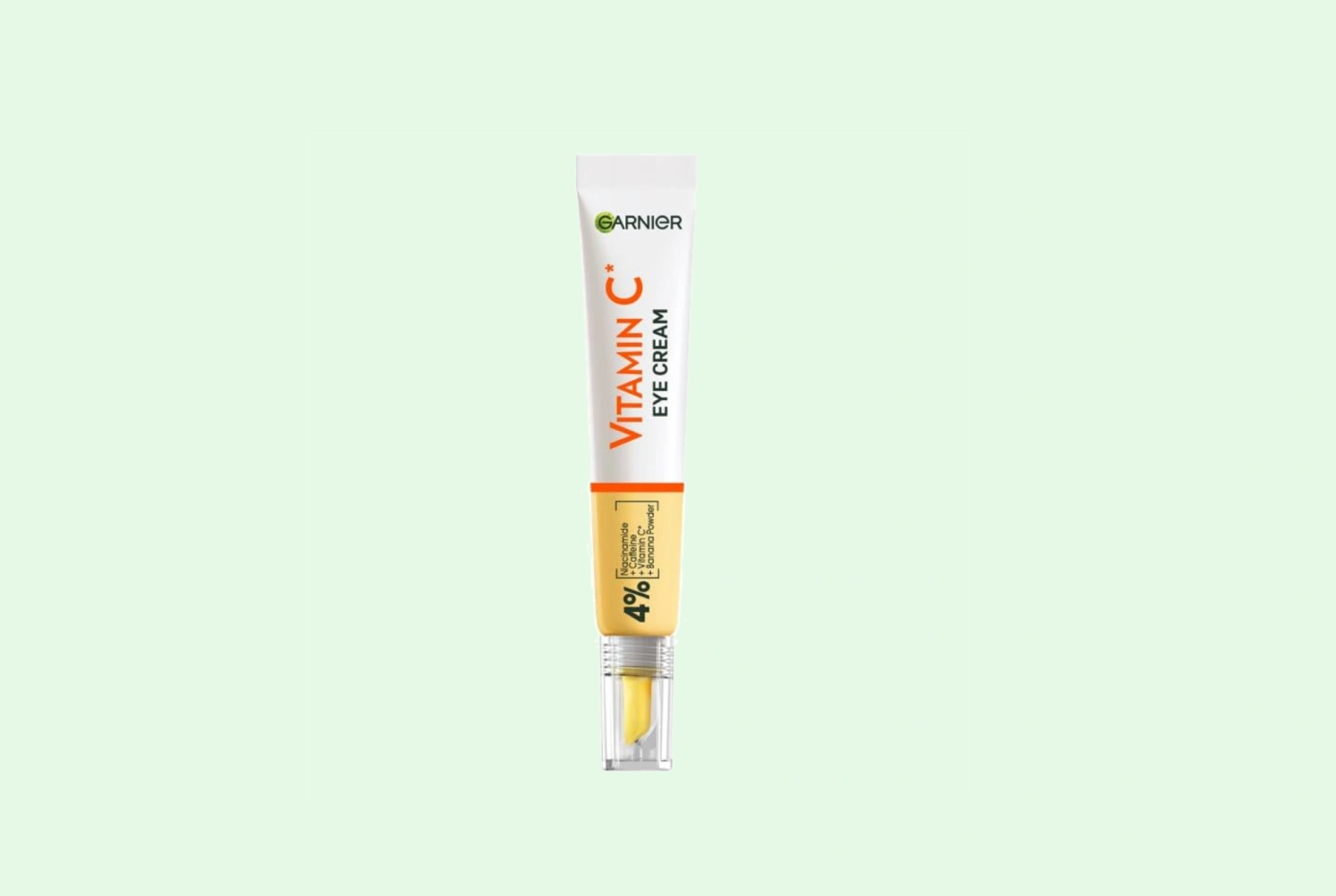
Antioxidants such as vitamin C are often used in products intended to improve the appearance of uneven tone and signs of environmental exposure. Formulas vary widely, and some vitamin C products may feel irritating around the eyes. Peptides and antioxidants can appear in the same formula, but one ingredient does not make the other unnecessary.
Peptides and moisturizing ingredients
Humectants, emollients, and occlusive ingredients can help reduce the look of dryness by drawing in water, softening the skin, or reducing water loss. If your main concern is crepey-looking skin that feels dry, a peptide formula with reliable moisturization may be more useful than a peptide product with a lightweight texture that leaves the area feeling tight.
How to choose a peptide eye product
Read beyond the front label
Check the current ingredient list and directions rather than relying only on marketing language. Product formulas can change, and packaging information may differ between versions or regions. When product-specific details matter, verify the current packaging or the manufacturer’s ingredient list.
Consider the entire formula
A peptide may be a useful part of a formula, but it is not the only factor that affects how the product performs cosmetically. Look for a texture you can apply without rubbing, and consider whether the product includes ingredients that support your skin’s comfort. If your eyes are easily irritated, a simpler, fragrance-free option may be easier to tolerate, although no formula is irritation-proof.
Match the product to your skin type
Dry skin may benefit from a richer cream or balm-like texture, while oily or combination skin may prefer a lighter lotion or gel. Mature skin can also be dry or sensitive, but age alone does not determine which formula will work best. More detail on choosing products for different needs is available in our guides to dry skin and sensitive skin.
How to use peptides around the eyes
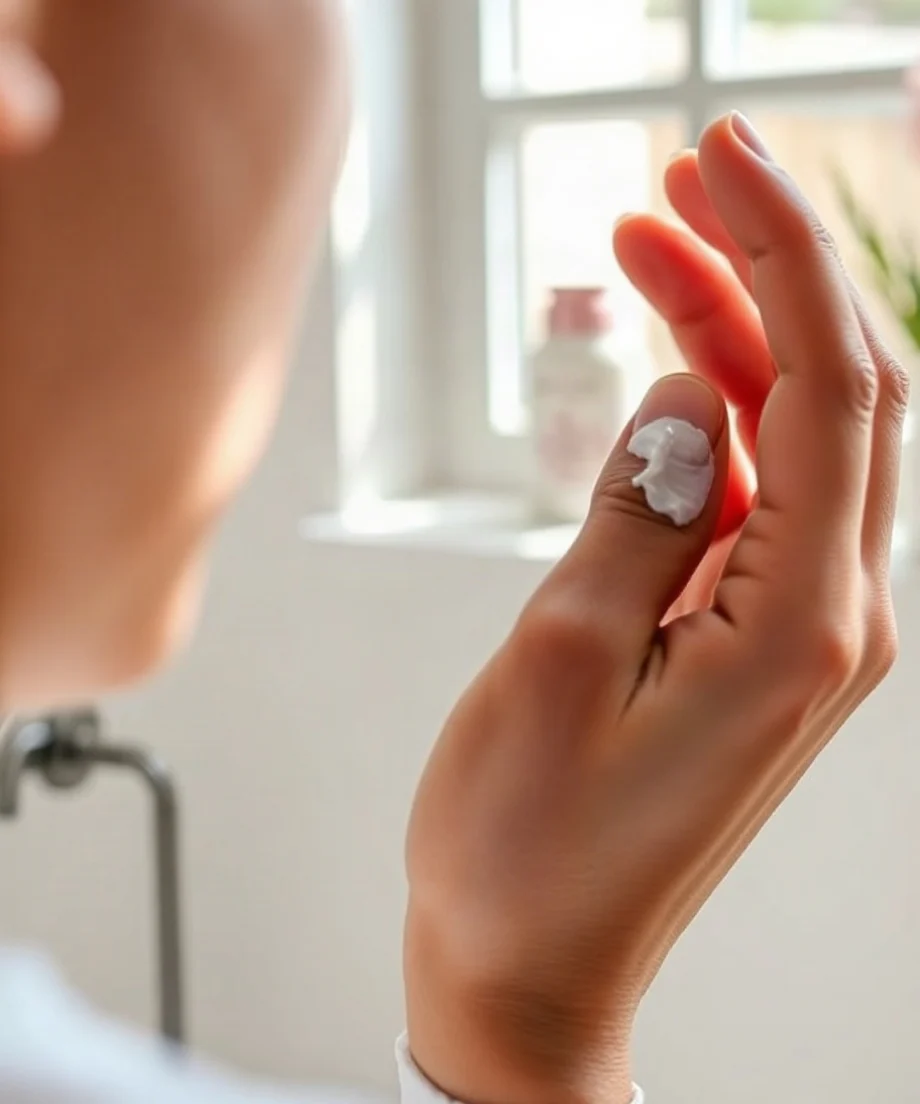
Apply the product according to its label. In general, use a small amount on clean skin and keep it on the orbital area rather than placing it directly into the eye or too close to the lash line. Patting gently may be more comfortable than pulling or rubbing the skin. More product is not necessarily better, and applying too much can increase the chance of migration into the eyes or cause makeup to pill.
If you are adding several new products at once, it can be difficult to identify the source of a reaction. Consider introducing one new product at a time. A patch test can provide useful information, although testing on another area cannot guarantee that the delicate eye area will tolerate the product. Follow the product directions, and stop using it if you experience burning, persistent redness, itching, swelling, or other irritation.
Daily sun protection is also important for the appearance of skin aging. Use a sunscreen that is labeled for your intended area and comfortable enough to apply consistently, while taking care not to get it in the eyes. Sunglasses and shade can provide additional protection from bright sunlight and repeated squinting.
When should you expect results?
Hydration-related changes may be visible sooner than improvements in the appearance of fine lines. A smoother surface can make the area look temporarily refreshed, while changes associated with consistent skin care generally require patience. There is no universal timeline because results depend on the formula, application habits, the depth of the lines, baseline dryness, sun exposure, and individual skin characteristics.
Take progress photos under similar lighting if you want a more reliable way to compare appearance. Avoid judging a product immediately after application, when smoothing ingredients or temporary hydration can make a difference that does not last throughout the day. If a product causes ongoing discomfort, visible irritation, or worsening dryness, continuing to use it is unlikely to be helpful.
The practical answer for your routine
Peptides are a reasonable option if your goal is to support a hydrated, smoother-looking eye area with a routine you can maintain. Choose based on the complete formula, your skin’s tolerance, and the product’s directions—not on the assumption that every peptide product works the same way. A basic routine that includes gentle cleansing, comfortable moisturization, and sun protection may be more valuable than repeatedly switching between highly promoted products.
If your primary concern is deep expression lines, pronounced laxity, persistent swelling, or a significant change in pigmentation, an eye cream may have limited cosmetic impact. You can explore additional routine considerations in our under-eye routine builder, while keeping expectations realistic: peptides may improve the appearance of eye wrinkles for some people, but they do not erase them or provide a guaranteed result.

Comments
0No comments yet. Be the first to share a helpful note or question.
Leave a Comment
Your email address will not be published. Comments are reviewed before appearing on the site.