
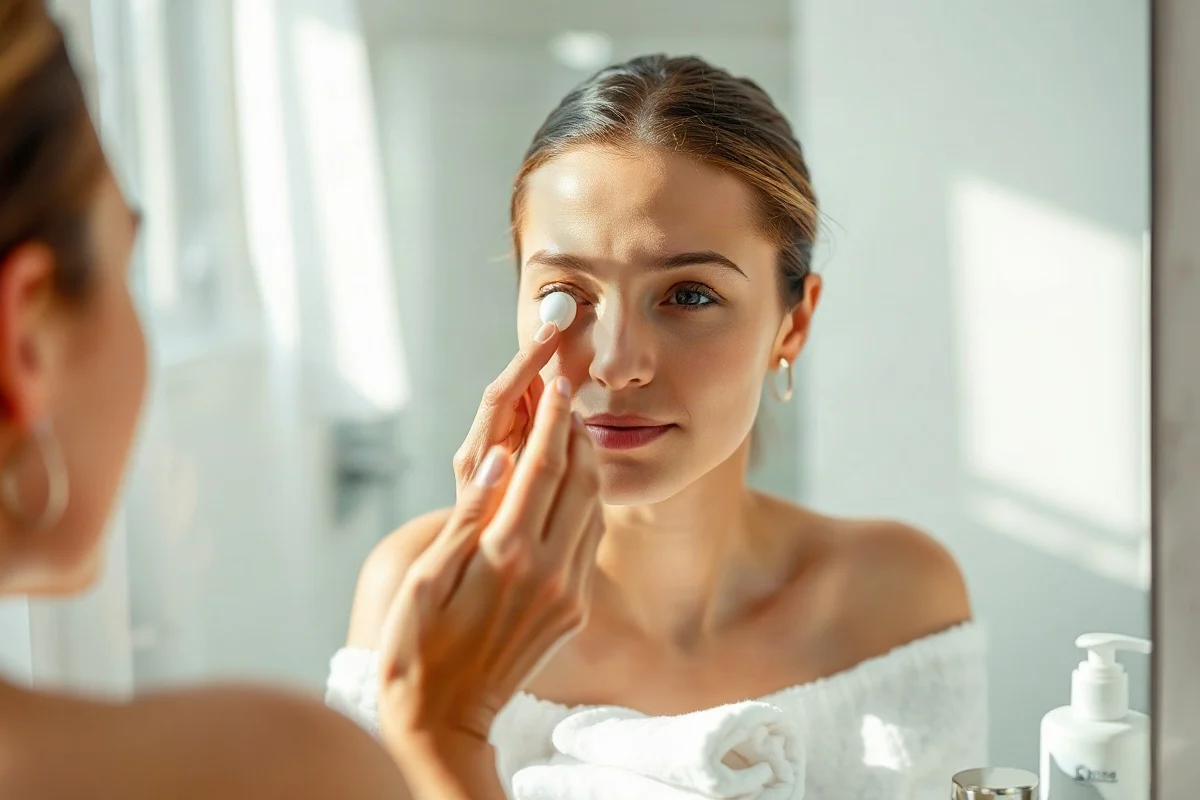
Yes, caffeine may temporarily reduce the appearance of under-eye puffiness, especially when the swelling is mild and related to fluid buildup, fatigue, or temporary irritation. It does not permanently remove eye bags, change facial anatomy, or treat an underlying medical condition. In an eye cream or serum, caffeine is best viewed as a targeted cosmetic ingredient that may make the eye area look more awake for a limited time.
Results vary from person to person. Some people notice a short-term tightening or less puffy appearance, while others see little visible change. The product’s overall formula, the cause of the puffiness, application technique, and daily habits can all matter. If swelling is persistent, one-sided, painful, itchy, or associated with vision changes, consult a qualified healthcare professional rather than relying on an eye product.
How caffeine may affect the look of puffy eyes
Caffeine is a stimulant that is commonly used in skin-care formulas designed for the eye area. When applied topically, it may temporarily make blood vessels appear less prominent and may support a tighter-looking appearance. It is also used in products intended to help the skin look less tired.
Under-eye puffiness can have several visible causes. Temporary fluid retention may be more noticeable after sleep, salty meals, alcohol, crying, or lying flat for a long period. Lack of sleep and seasonal irritation can also make the area look heavier. Caffeine may be more helpful for this type of short-term, mild puffiness than for structural under-eye bags caused by fat pads, loose skin, or the natural shape of the eye socket.
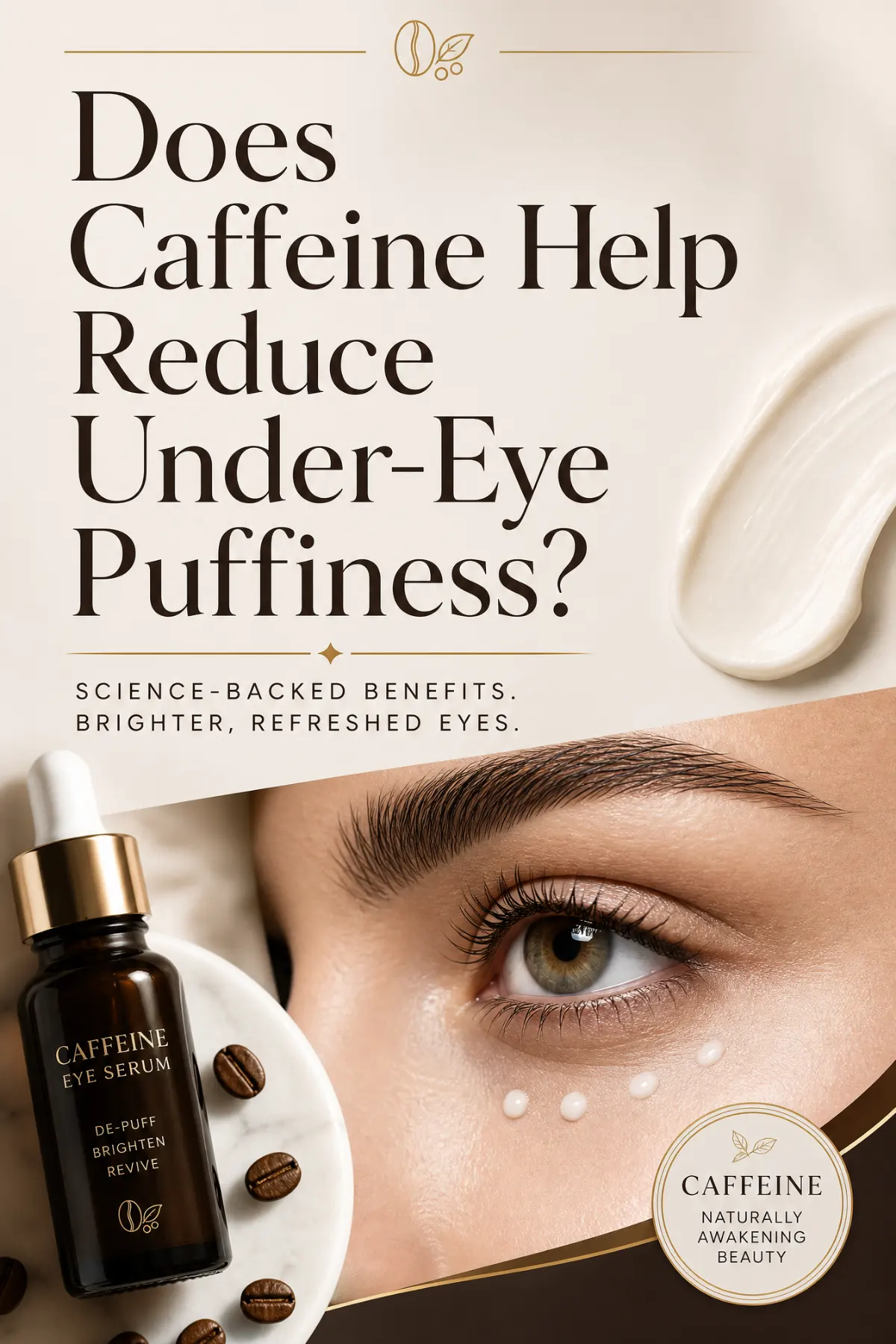
That distinction is important. An eye cream cannot reposition fat, remove excess skin, or permanently alter the contours beneath the eyes. If the fullness remains similar throughout the day and is part of your natural facial structure, a caffeine product may provide only a subtle surface-level improvement.
What kind of results should you expect?
Caffeine is not a guaranteed solution, and it should not be evaluated as though it were a permanent fix. A reasonable expectation is a temporary cosmetic improvement: the skin may look slightly less swollen, smoother, or more refreshed after application. The effect may fade as the product wears off or as the underlying fluid retention returns.
Some caffeine eye products are paired with moisturizing ingredients, film-forming ingredients, or soothing components. Those additions may improve the overall look and feel of the area, but they do not necessarily mean caffeine itself is responsible for every visible change. Because formulas differ, read the current package and manufacturer ingredient list when a specific product’s contents matter. Product formulas can change over time.
Photography, lighting, makeup, facial expression, and hydration can also affect how much puffiness appears to change. For a more useful personal assessment, compare the area under similar lighting and at a similar time of day instead of judging immediately after applying a product.
When caffeine may be worth trying
A caffeine eye cream or serum may be a reasonable option if you want a lightweight product for occasional morning puffiness or a tired-looking eye area. It may appeal to people who prefer a simple routine and do not want to begin with stronger exfoliating or retinoid-based ingredients.
It may be particularly practical when puffiness is variable rather than constant. For example, the area may look fuller in the morning and gradually appear less swollen later. In that situation, a caffeine product may complement basic habits such as sleeping consistently, avoiding rubbing the eyes, and giving the skin adequate moisture.
For ingredient background, you can review our eye cream ingredient guide or browse the site’s caffeine eye cream resources. These references can help you compare caffeine with other ingredients without assuming that one active works the same way for everyone.
How to use a caffeine eye product
Apply a small amount
Use the amount directed on the product label. More is not necessarily better, and applying too much can increase the chance of migration into the eyes, pilling under makeup, or unnecessary irritation. Gently tap the product around the orbital area rather than rubbing or pulling the skin.
Keep the product out of the eyes
The under-eye area is not the same as the eyelid margin or the inside of the eye. Avoid applying skin-care products directly to the eyes or along the inner lash line unless the product is specifically labeled for that use. If the product gets into your eyes, rinse according to the label’s instructions and stop using it if discomfort continues.
Consider morning use
Many people choose caffeine products in the morning because temporary depuffing is most relevant after waking. A cool, clean application can feel refreshing, but cooling itself may contribute to the immediate sensation of reduced swelling. That does not prove the product has changed the underlying cause.
Use sunscreen during the day
If the eye product is followed by daytime exposure, use sun protection as appropriate for the surrounding face and follow the sunscreen label. Sun protection will not instantly reduce puffiness, but it supports a broader skin-care routine and may help limit visible changes related to cumulative sun exposure.
What to look for when choosing a caffeine eye cream
Start with the texture and packaging. A lightweight gel may suit people who dislike rich products or wear makeup, while a creamier formula may be more comfortable for dry skin. Neither texture automatically makes caffeine more effective. Choose a format you can apply gently and use consistently.
Look for a complete ingredient list and consider whether the rest of the formula fits your needs. Hydrating ingredients may be useful if dryness makes the under-eye area look crepey. Soothing ingredients may be preferable if the skin is easily reactive. If you are concerned about fine lines as well as puffiness, you may want to compare caffeine with products formulated around other ingredients, while remembering that stronger actives can require more careful use.
People with sensitive skin should be especially cautious around the eyes. Follow the product directions, consider patch testing on a less delicate area first, and introduce one new product at a time. Stop using the product if you develop burning, persistent redness, swelling, rash, or other irritation. If symptoms do not settle, seek medical advice.
For routine ideas based on different needs, the under-eye routine builder can help organize product choices. You can also explore our guidance for sensitive skin before adding a new formula.
Caffeine versus cold compresses and lifestyle changes
A caffeine product is only one possible way to make temporary puffiness look less noticeable. A cool compress may provide a short-lived soothing and tightening sensation without adding another cosmetic ingredient. Use a clean, comfortably cool cloth rather than placing extreme cold directly on the skin.
Daily habits may also influence how prominent puffiness appears. Consistent sleep, managing known allergy triggers with appropriate medical guidance, avoiding eye rubbing, and keeping the head slightly elevated during sleep may be useful for some people. These steps are not guaranteed, and they do not diagnose the reason for swelling, but they can support a practical routine.
If you regularly wake with pronounced puffiness, consider whether a new product, environmental trigger, or personal habit coincides with the change. Do not assume every under-eye concern is caused by fatigue. Persistent or worsening swelling deserves professional evaluation.
When caffeine is unlikely to be enough
Caffeine may have limited value when the main concern is hollowing, pronounced fat-pad fullness, loose skin, pigmentation, or a medical cause of swelling. It also may not address dark circles caused by visible blood vessels, shadows from facial structure, or increased pigment. Puffiness and dark circles often overlap, but they are not the same concern.
If the appearance is mainly a shadow from a hollow beneath the eye, a depuffing ingredient cannot fill that area. If the concern is brown or gray discoloration, a product selected for pigment-related care may be more relevant, although cosmetic products still have limits. If dryness emphasizes fine lines, a moisturizer may improve the surface appearance more than a caffeine-focused product alone.
Seek medical advice for sudden swelling, swelling on only one side, pain, warmth, significant itching, discharge, breathing symptoms, or changes in vision. A healthcare professional can assess symptoms that an eye cream is not designed to diagnose or treat.
A realistic way to decide if it works for you
Use the product as directed for a consistent trial period, but avoid treating a single morning as proof of success or failure. Take occasional photos in similar lighting and note whether the concern is puffiness, discoloration, dryness, or shadowing. This can help you judge the cosmetic change more realistically.
Keep the rest of your routine stable while evaluating a new caffeine product. Adding several products at once makes it difficult to identify which one caused improvement or irritation. If the product stings, causes redness, or makes the eye area uncomfortable, discontinue it rather than trying to push through the reaction.
Caffeine can be a sensible, low-commitment ingredient for temporary under-eye puffiness, particularly in a morning routine. Its benefits are usually modest and cosmetic, and they depend heavily on why the area looks swollen in the first place. Choose a formula that suits your skin, apply it gently, verify current product information, and keep expectations realistic.

Comments
0No comments yet. Be the first to share a helpful note or question.
Leave a Comment
Your email address will not be published. Comments are reviewed before appearing on the site.