
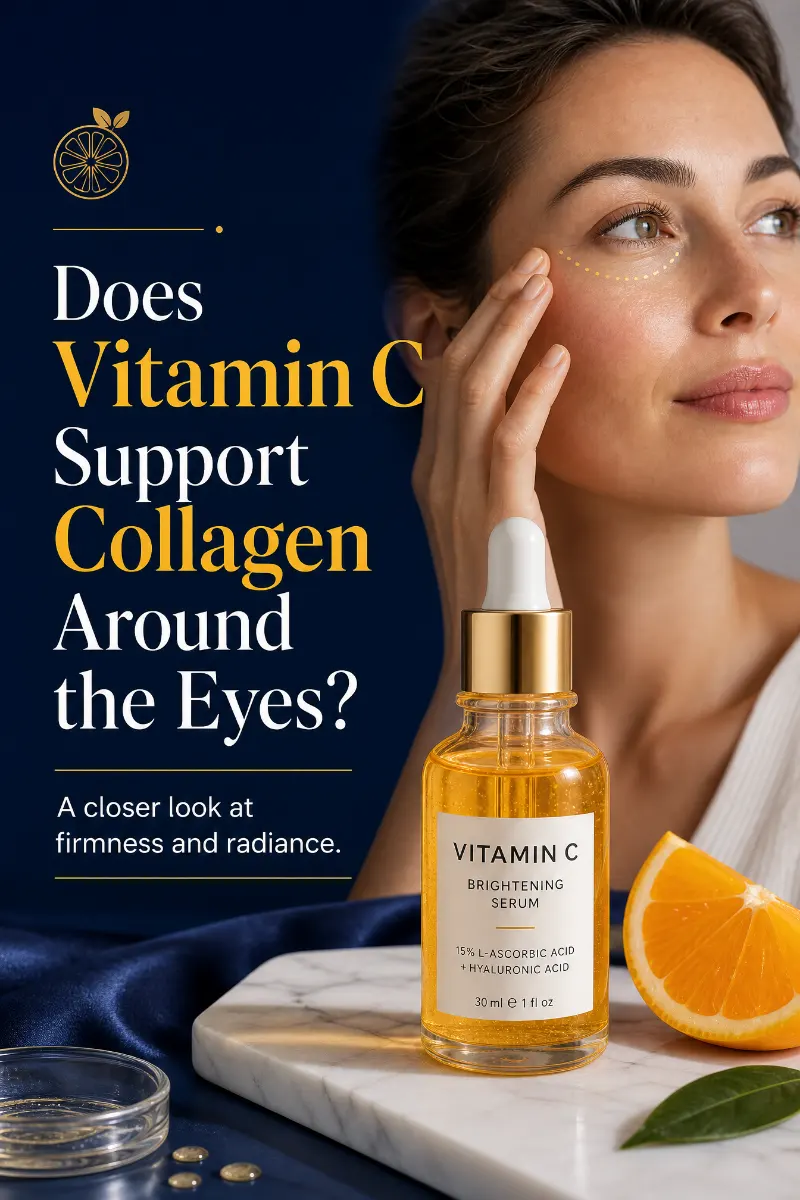
Yes—vitamin C can support the skin’s collagen-forming processes, and a well-formulated eye product may help the under-eye area look brighter, smoother, or more even over time. However, it is not a guaranteed way to remove dark circles, puffiness, or fine lines. The delicate skin around the eyes can also be more reactive than the skin on the rest of the face, so the product’s form, packaging, and your application routine matter.
Collagen is a structural protein that helps give skin strength and support. As skin changes with age and environmental exposure, reduced firmness and fine lines may become more noticeable. Vitamin C is involved in collagen production in the skin, which is why it appears in many skincare routines focused on visible signs of aging. Still, a cosmetic product can only influence appearance; it cannot diagnose or treat the medical causes of changes around the eyes.
What vitamin C may do for the under-eye area
Vitamin C is an antioxidant ingredient, meaning it can help neutralize certain reactive molecules generated by environmental stressors. Topical vitamin C is also used in skincare for the appearance of uneven tone and dullness. These potential benefits are relevant to the eye area because under-eye discoloration may look more noticeable when the skin is thin, dry, or unevenly pigmented.
Support a smoother-looking texture
Because vitamin C participates in collagen-related processes, regular use may support a smoother-looking surface over time. That does not mean it fills lines or rebuilds skin in the same way a medical procedure might. If fine lines are partly emphasized by dryness, a moisturizing eye product may make them look temporarily less obvious by improving the skin’s surface hydration. Vitamin C may be one part of that routine, rather than the only ingredient responsible for a visible change.
Improve the appearance of uneven tone
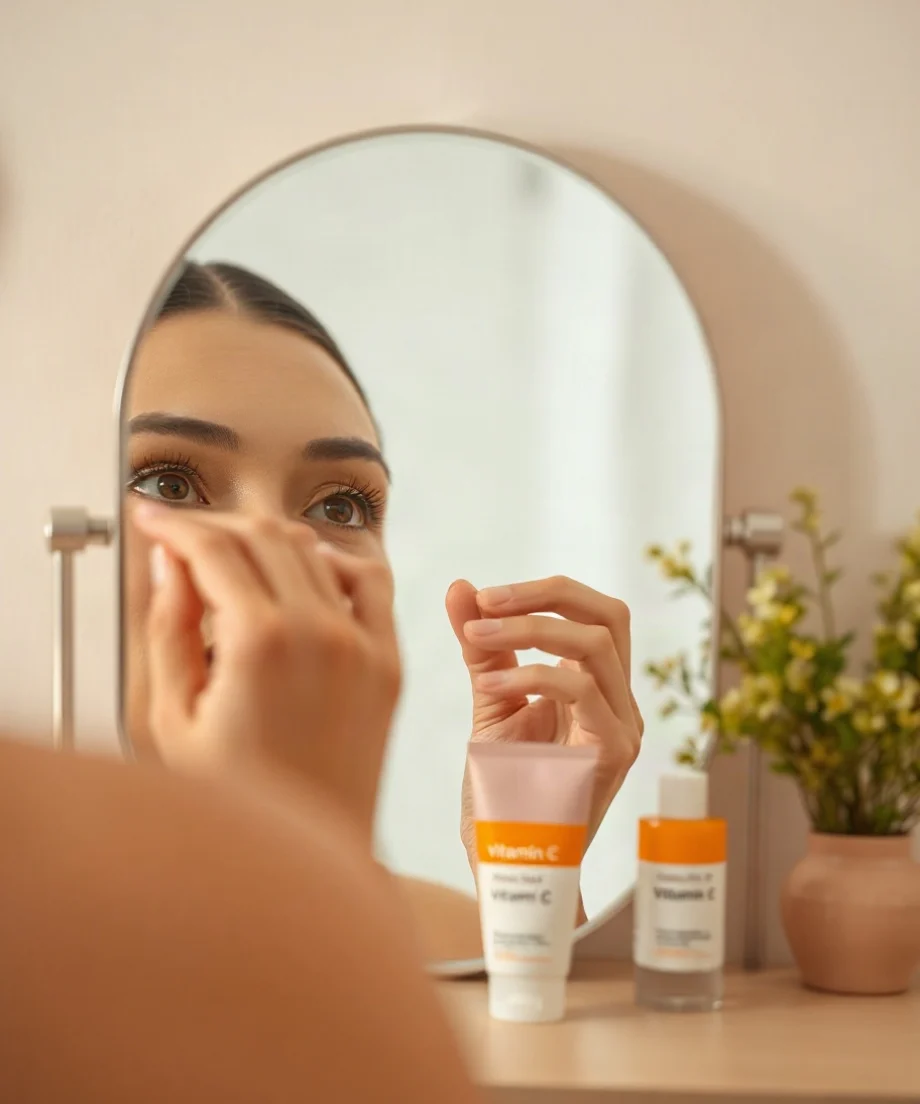
Some vitamin C products are designed to help the skin look brighter and more even. This may be useful when discoloration is a prominent part of the under-eye concern. Dark circles, however, have many possible contributors, including visible blood vessels, shadows from facial structure, pigment, thin or dry skin, and temporary changes in appearance. A topical product may be more helpful for some types of discoloration than others.
If you are unsure what is causing persistent or newly appearing discoloration, skincare alone may not answer the question. A qualified healthcare professional can evaluate concerning or unusual changes. This is different from choosing a cosmetic product to improve the look of ordinary under-eye dullness.
Why the vitamin C formula matters
“Vitamin C” is not a single formula. Products can use different forms of the ingredient, and they may differ in texture, stability, packaging, and supporting ingredients. A product’s ingredient list does not always tell you how it will feel or perform for your particular skin, and formulas can change.
Some vitamin C products use a direct form of vitamin C, while others use vitamin C derivatives. Direct forms may be more prone to irritation for some people, especially when used near the eyes. Derivatives are often selected for formulation reasons, but a gentler feel does not guarantee that every user will tolerate them. If the exact form matters to your decision, check the current packaging and the manufacturer’s ingredient information rather than relying on an old product description.
Packaging is also relevant. Exposure to air, light, heat, or moisture can affect some vitamin C formulas. Follow the storage directions on the label, and pay attention to changes in color, smell, or texture. These changes do not provide a complete safety assessment, so when a product seems notably different from when it was opened, replacing it may be more sensible than continuing to use it.
For a broader explanation of how common eye-care ingredients are used, see our eye cream ingredient guide.
Can vitamin C reduce dark circles?
It may improve the appearance of some types of under-eye discoloration, but it cannot be expected to work equally well for every dark circle. The term “dark circles” describes a visible concern, not one single condition. Pigment, shadows, vascular color, facial anatomy, irritation, and lack of sleep can all affect how the area looks.
Vitamin C is most logically considered when uneven tone or dullness is part of the concern. It is less likely to change a shadow caused mainly by a hollow or facial structure, and it should not be presented as a treatment for a medical condition. Changes caused by allergies, eczema, inflammation, or another health issue may require a different type of evaluation.
Sun protection is also important when discoloration is a concern. The eye area needs careful application because sunscreen can sting if it migrates into the eyes. Sunglasses, hats, shade, and a sunscreen product that you can comfortably use around the orbital area may complement a brightening-focused routine. Follow the sunscreen label and avoid applying products directly into the eyes.
Choosing a vitamin C eye product
Look for a product made for the eye area
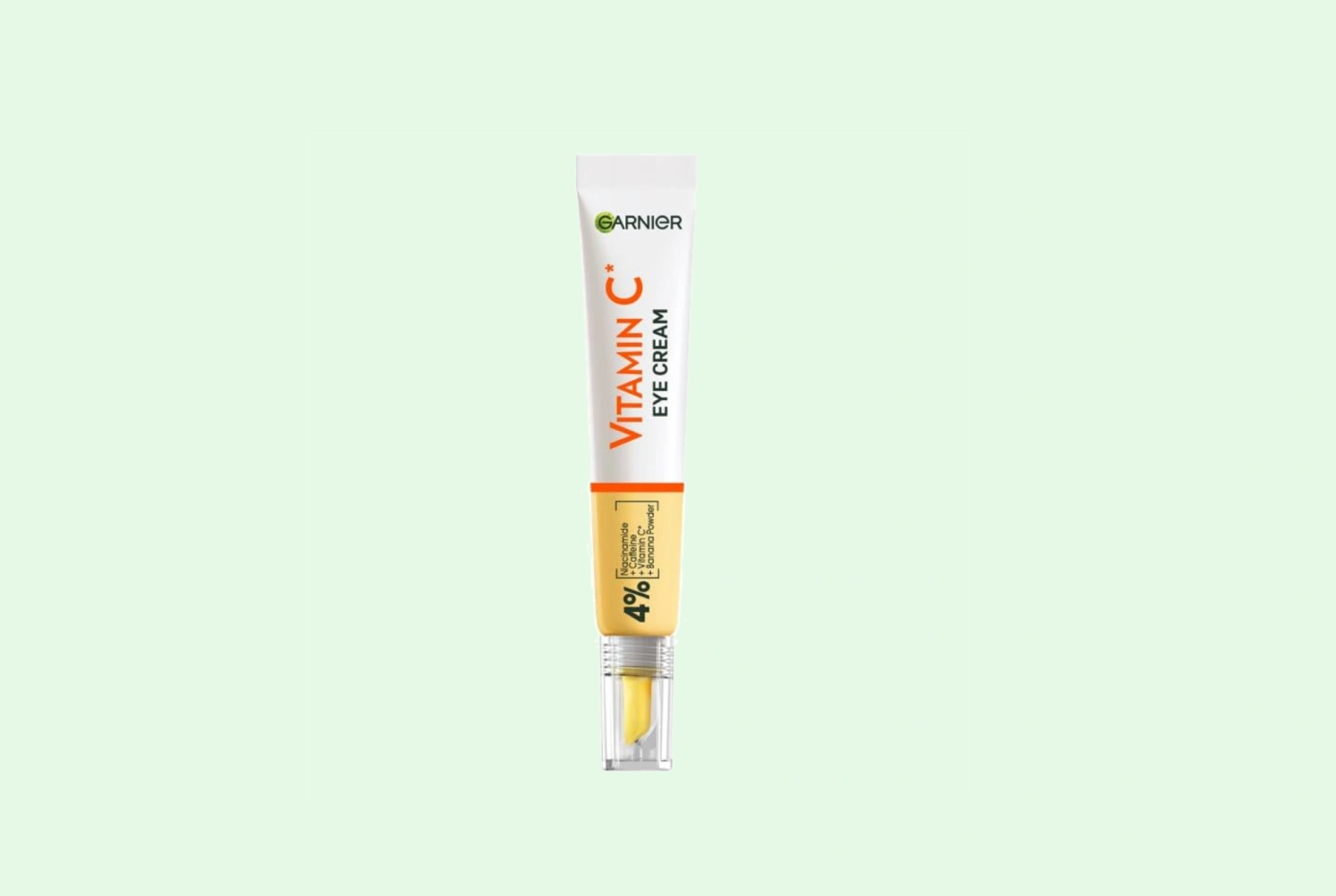
A product labeled for the eye area may have been designed with that region’s application needs in mind, but the label is not a promise that irritation cannot occur. Facial serums can contain ingredients or textures that are uncomfortable near the eyes, particularly if they spread or migrate. If you decide to use a face product near the eyes, follow its directions carefully and avoid the eyelids or lash line unless the instructions specifically allow that use.
Consider your skin’s tolerance
People with sensitive, dry, or easily irritated skin may prefer a simpler formula and a less frequent starting schedule. Fragrance, exfoliating acids, retinoids, and other active ingredients can add to the overall irritation potential of a routine. More active ingredients do not automatically mean better results.
Patch-test according to the product directions when possible, and introduce one new active product at a time. Keep it away from the eye itself. If you experience burning, persistent stinging, swelling, a rash, or worsening redness, stop using the product. Seek medical advice for severe, persistent, or unusual symptoms.
Prioritize moisture and comfort
Dryness can make fine lines and texture look more prominent. A vitamin C eye product that leaves the area tight or irritated may not be a good fit, even if the ingredient is appealing on paper. Look for a texture that feels comfortable and consider pairing it with a basic moisturizer appropriate for the eye area if the product directions permit it.
For more options tailored to reactive skin, browse our guide to eye care for sensitive skin.
How to use vitamin C around the eyes
- Start with clean, dry skin unless the product label gives different instructions.
- Use a small amount. Applying more will not necessarily improve results and may increase the chance of migration into the eyes.
- Press the product gently around the orbital bone rather than rubbing aggressively.
- Avoid direct contact with the eyes, inner eyelid, and lash line unless the product is specifically directed for those areas.
- Begin less often if you are concerned about sensitivity, then follow the label and your skin’s response.
- Use daytime sun-protection habits when appropriate, especially if uneven tone is one of your concerns.
Do not combine every active in your routine at once. Using vitamin C alongside several exfoliating products or a retinoid may be uncomfortable for some people. If you already use a strong active, alternate application times or days only when that approach fits the product instructions and your skin tolerates it. Our under-eye routine builder can help organize product choices without requiring a crowded routine.
What results should you realistically expect?
Cosmetic changes are usually gradual and can be subtle. A routine may help the under-eye area look more hydrated, even-toned, or smooth, but individual results vary. Lighting, facial expression, sleep, seasonal dryness, and makeup can all change how the area appears from day to day.
Vitamin C will not permanently remove dark circles, erase wrinkles, rebuild lost volume, or guarantee firmer-looking skin. It also cannot replace sleep, allergy care, or medical evaluation when those factors are relevant. If your main concern is puffiness, the product may need to be considered alongside the temporary effects of fluid retention, irritation, sleep disruption, or facial structure. For that concern, see our coverage of puffiness and eye bags.
When comparing products, focus on whether the formula is clearly labeled, comfortable enough to use consistently, packaged appropriately, and suitable for your skin. Verify the current ingredient list and directions because formulas, packaging, and product claims can change. A straightforward routine used carefully is often more useful than a complicated routine that causes irritation.
When vitamin C may not be the right first choice
If the skin around your eyes is already irritated, peeling, itchy, or unusually red, adding a new active may make the situation less comfortable. Consider pausing new products and using a gentle, simple routine until the area settles. If symptoms persist, recur, or affect the eyes themselves, consult a qualified healthcare professional.
You may also choose a different starting point if your priority is dryness rather than uneven tone. In that case, a bland moisturizing product may be easier to assess. If your priority is the appearance of expression lines, product selection may involve other ingredients, but those options also require careful use around the eyes. No single ingredient addresses every visible under-eye concern.
Where vitamin C fits in an eye-care routine
Vitamin C can be a reasonable ingredient to consider for people who want antioxidant support, a brighter-looking appearance, or a routine focused on the look of fine lines. Its value depends on the complete formula, consistent use, tolerance, and the reason the under-eye area looks darker or less smooth.
Think of it as one optional tool, not a guaranteed solution. Choose an eye-area product with clear directions, introduce it cautiously, protect the area from environmental exposure, and stop if irritation develops. That approach keeps expectations realistic while giving vitamin C a fair chance to support the appearance of the skin around your eyes.

Comments
0No comments yet. Be the first to share a helpful note or question.
Leave a Comment
Your email address will not be published. Comments are reviewed before appearing on the site.