
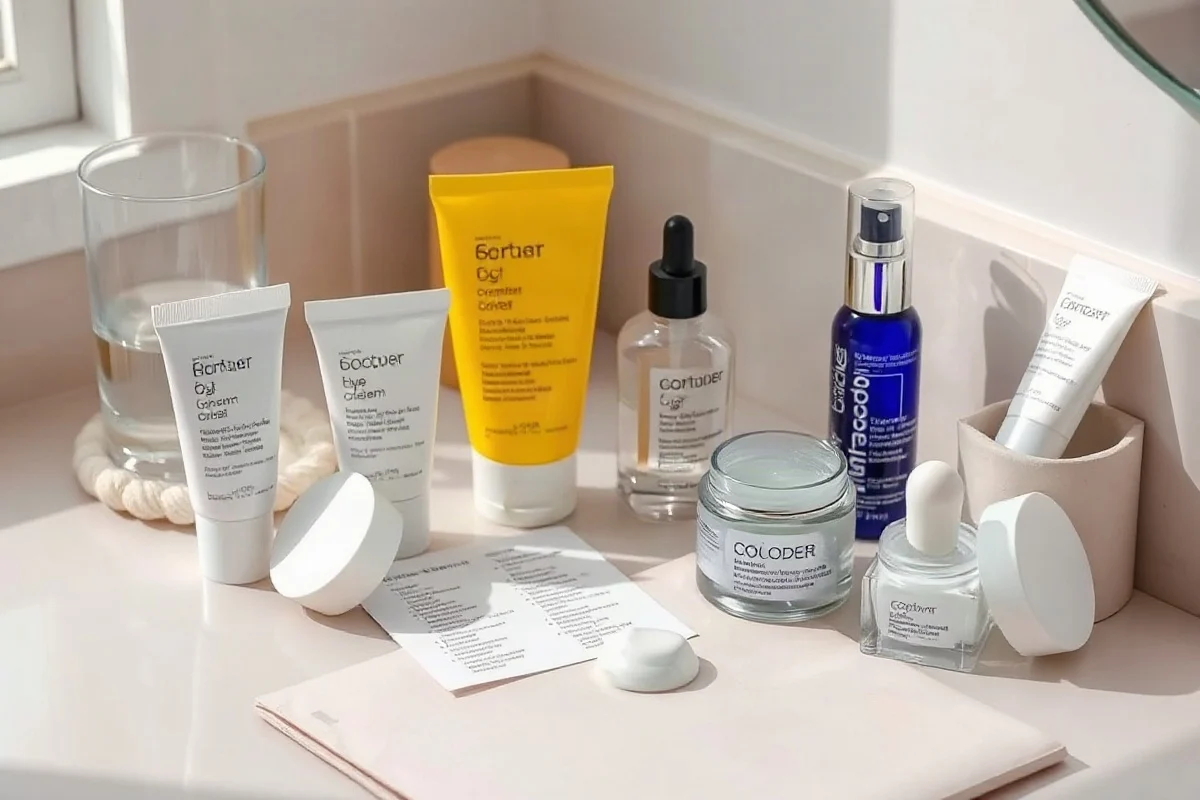
The drugstore eye cream ingredients that matter most depend on what you want to improve. For dry, crepey-looking skin, look for humectants, emollients, and barrier-supporting ingredients. For the temporary appearance of puffiness, caffeine may be worth considering. For uneven-looking tone, ingredients such as niacinamide or a gentle vitamin C derivative may fit your routine. Retinoids can be useful for the look of fine lines, but they also require the most careful introduction. No eye cream can address every type of dark circle, and cosmetic products cannot diagnose or treat an underlying medical condition.
Price alone does not tell you whether an eye cream is well formulated. A simple, fragrance-free moisturizer may be a better choice for dry or sensitive under-eyes than a product with a long list of highly active ingredients. Before buying, focus on the ingredient list, the product’s texture, your skin’s tolerance, and whether the formula is designed for the concern you actually have.
Start with the reason your under-eyes look dark
“Dark circles” can describe several visible features. The skin may look brown or gray because of pigmentation, appear blue or purple because of visible blood vessels, or seem darker because hollowness creates a shadow. Dryness, irritation, lack of sleep, and puffiness can also make the area look less even. These differences matter because an eye cream ingredient is more likely to help one aspect than all of them.
Topical skincare generally has its clearest cosmetic role when the problem is dryness, surface texture, mild discoloration, or temporary puffiness. A cream is less likely to change structural hollows or naturally visible vessels. If discoloration is new, one-sided, painful, swollen, itchy, or accompanied by other symptoms, consider speaking with a qualified healthcare professional rather than relying on cosmetic skincare alone.
For a broader overview of possible causes and appearance-focused care, see our guide to dark circles.
Ingredients worth looking for in a drugstore eye cream
Humectants for dehydration and a smoother surface
Humectants attract and hold water near the skin’s surface. Common examples include glycerin, hyaluronic acid, sodium hyaluronate, panthenol, and some forms of aloe. These ingredients can make dry under-eyes look temporarily plumper and smoother by improving surface hydration. That can soften the appearance of fine lines caused or emphasized by dehydration.
Humectants work best in a complete formula rather than on their own. If the product also contains emollients or occlusive ingredients, it may help reduce the feeling of tightness and slow water loss. If your under-eyes sting easily, a basic hydrating formula may be a sensible starting point before adding stronger actives.
Emollients and barrier-supporting ingredients
Emollients help soften rough-feeling skin, while occlusive ingredients form a protective layer that can reduce moisture loss. You may see ingredients such as squalane, dimethicone, petrolatum, shea butter, fatty alcohols, ceramides, and various plant oils. The best choice depends on texture preference and how dry your skin is.
Ceramides and other barrier-supporting ingredients may be especially appealing if the eye area feels tight or becomes irritated easily. A richer cream can be helpful at night, although people prone to milia or small bumps may prefer a lighter texture. Those bumps have multiple possible causes, so a cosmetic product should not be treated as a guaranteed solution.
Caffeine for the look of temporary puffiness
Caffeine is common in eye products marketed for puffiness. Applied topically, it may make the eye area look temporarily less puffy for some people, particularly when puffiness is most noticeable after waking. It does not permanently remove eye bags, change facial structure, or eliminate every cause of swelling.
Packaging may pair caffeine with cooling applicators or lightweight gel textures. The cooling sensation can feel refreshing, but it should not be confused with a lasting change in the skin. If puffiness is persistent, sudden, painful, or associated with other symptoms, cosmetic skincare is not a substitute for medical evaluation. More appearance-focused guidance is available in our coverage of puffiness and eye bags.
Niacinamide for tone and barrier support
Niacinamide, a form of vitamin B3, is used in skincare for several cosmetic purposes. Depending on the formula and concentration, it may support the skin barrier and improve the look of uneven tone over time. It can also be useful in a straightforward moisturizer for people who want one ingredient with more than one potential role.
The under-eye area is delicate, and even generally well-tolerated ingredients can cause discomfort in some formulas. Check the label, keep the product away from the lash line, and introduce it gradually if your skin is reactive. Do not assume that a higher amount is automatically better; manufacturers do not always disclose the percentage, and product formulas can change.
Vitamin C and its derivatives for uneven-looking tone
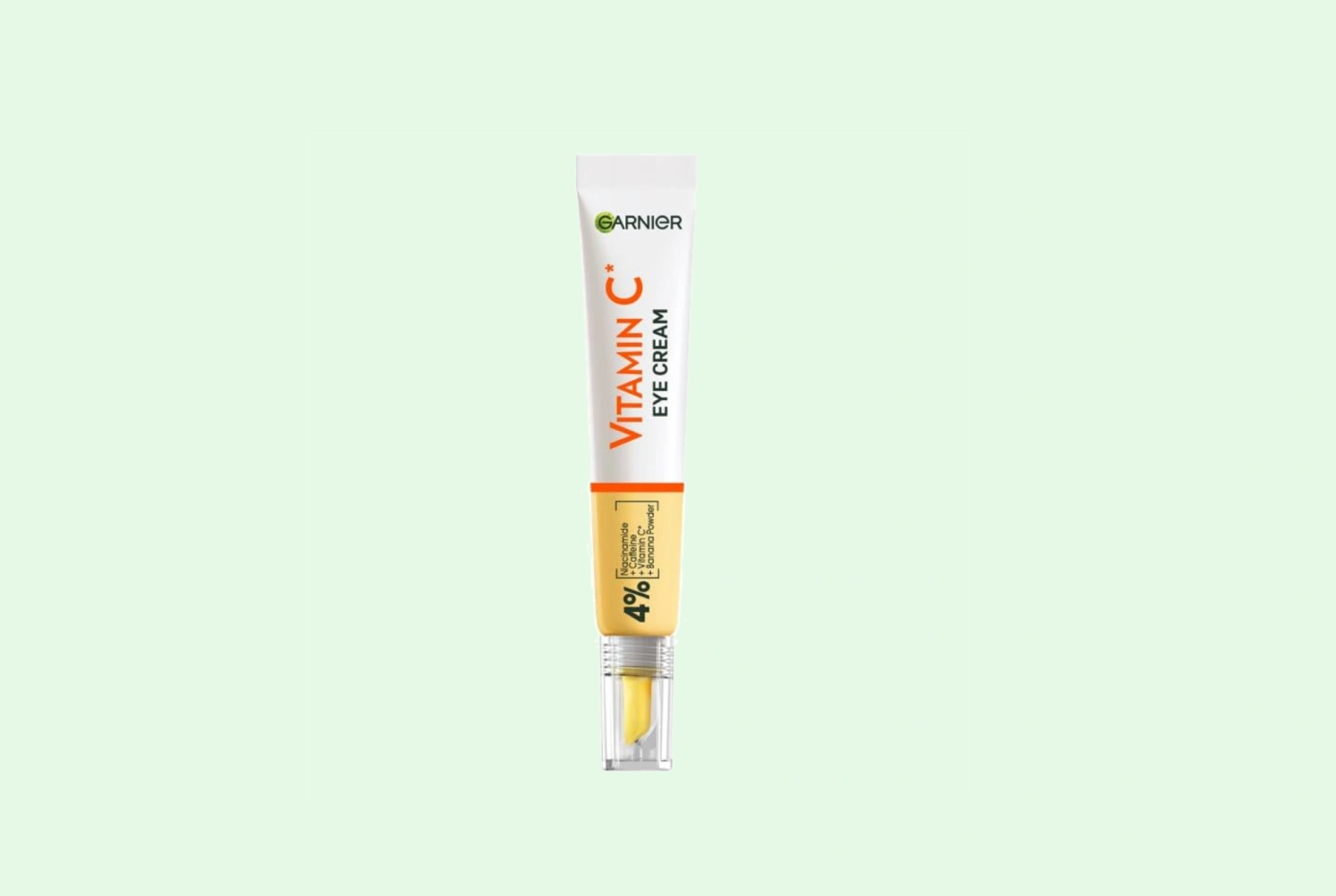
Vitamin C products are often chosen to support a brighter, more even-looking appearance. Formulas may contain pure ascorbic acid or a vitamin C derivative, and these forms can differ in stability, texture, and irritation potential. The ingredient list alone may not tell you how the finished product performs.
Vitamin C is not a guaranteed treatment for dark circles, especially when shadows or visible vessels are the main concern. It may also sting, particularly if the formula is acidic or includes other potentially irritating ingredients. Use the product as directed, avoid getting it in the eye, and stop using it if burning, persistent redness, swelling, or a rash develops. Daily sunscreen on the surrounding face can also help limit the appearance of uneven tone, although sunscreen should not be applied into the eye.
Retinoids for the look of fine lines
Retinol and related retinoids are included in some eye creams aimed at fine lines and texture. With consistent use, a suitable retinoid product may support a smoother-looking surface, but it is not an instant solution and is not appropriate for everyone. Retinoids can cause dryness, peeling, redness, or stinging, which may make the eye area look worse temporarily.
If you choose a retinoid eye cream, follow the product label closely and introduce it slowly rather than applying more in an attempt to speed up results. Use a small amount on the orbital area as directed, not directly on the eyelids or too close to the eyes unless the label specifically says otherwise. Avoid combining several potentially irritating actives at the same time when you are starting. If irritation continues, stop use. You can learn more in our guide to retinol eye cream.
Peptides for a conditioning, smoother-looking finish
Peptides appear in many drugstore eye creams because they can complement moisturizing formulas and support a conditioned, smoother-looking appearance. “Peptides” is a broad category, and different peptide ingredients are not interchangeable. Marketing language may also be more general than the ingredient list.
Think of peptides as an optional part of a well-tolerated formula, not a reason to ignore basic moisturization or sun protection. Since product-specific evidence and formula details vary, check the current packaging and manufacturer information if a particular peptide claim is important to you.
Ingredients and features to approach carefully
Fragrance, essential oils, strong exfoliating acids, and heavily mentholated ingredients may be uncomfortable around the eyes, especially if your skin is sensitive. “Natural” does not automatically mean non-irritating, and a cooling or tingling sensation is not proof that a product is working.
Exfoliating ingredients such as alpha hydroxy acids or beta hydroxy acids may appear in products marketed for texture or tone. Because the eye area is thin and easily irritated, do not use an exfoliant there unless the product is specifically intended for that area and the label gives clear directions. Keep active products away from the eye itself.
Preservatives are also necessary in many water-based skincare products to reduce the risk of contamination. Avoiding every preservative is not a practical quality test. Instead, consider your known sensitivities and choose a formula that your skin can tolerate.
How to choose among drugstore formulas
- For dry under-eyes: prioritize glycerin, hyaluronic acid, panthenol, ceramides, dimethicone, or other moisturizing ingredients.
- For morning puffiness: consider a lightweight caffeine formula, while keeping expectations limited to a temporary cosmetic effect.
- For uneven-looking tone: look for niacinamide or a suitable vitamin C derivative, and consider whether the formula is likely to irritate you.
- For fine lines: start with hydration and barrier support; consider a retinoid only if you are prepared to introduce it cautiously.
- For sensitive skin: a short, fragrance-free ingredient list may be easier to evaluate than a formula packed with multiple actives.
Texture also matters. A gel may feel comfortable in the morning or under makeup, while a cream or balm may be more suitable for nighttime dryness. Packaging can influence freshness and ease of use, but it does not guarantee a better formula. Compare the full ingredient list instead of relying only on front-label claims.
How to apply an eye cream without overdoing it
Use the amount and frequency listed on the product label. In general, a small amount is enough for both eyes. Apply with a clean fingertip using gentle tapping or spreading motions over the orbital area, avoiding direct contact with the eyes and the immediate lash line unless the directions state otherwise.
Patch testing can help you identify obvious irritation, although it cannot guarantee that a product will never cause a reaction. Add one new active product at a time so you can identify what is bothering your skin if redness or stinging develops. Stop using the product if irritation occurs, and seek medical advice for significant swelling, persistent discomfort, or symptoms that do not settle.
Apply moisturizer as needed, and use sun protection on exposed facial skin during the day. If you want help organizing products by concern and tolerance, try the under-eye routine builder.
What realistic results look like
A suitable eye cream may make the area feel more comfortable, reduce the look of dryness, temporarily soften the appearance of fine lines, or make morning puffiness look less noticeable. Changes are usually gradual and depend on the cause of the concern, the formula, consistent use, and your skin’s response.
Dark circles caused mainly by hollowness, bone structure, visible vessels, or inherited pigmentation may not change substantially with an over-the-counter cream. That does not make a moisturizer useless; it simply sets a realistic boundary around what topical skincare can do. If your priority is choosing by ingredient rather than brand, compare the current label with the product’s intended concern and remember that formulas can change. When product-specific details matter, verify the latest packaging or manufacturer ingredient list before purchasing.

Comments
0No comments yet. Be the first to share a helpful note or question.
Leave a Comment
Your email address will not be published. Comments are reviewed before appearing on the site.