
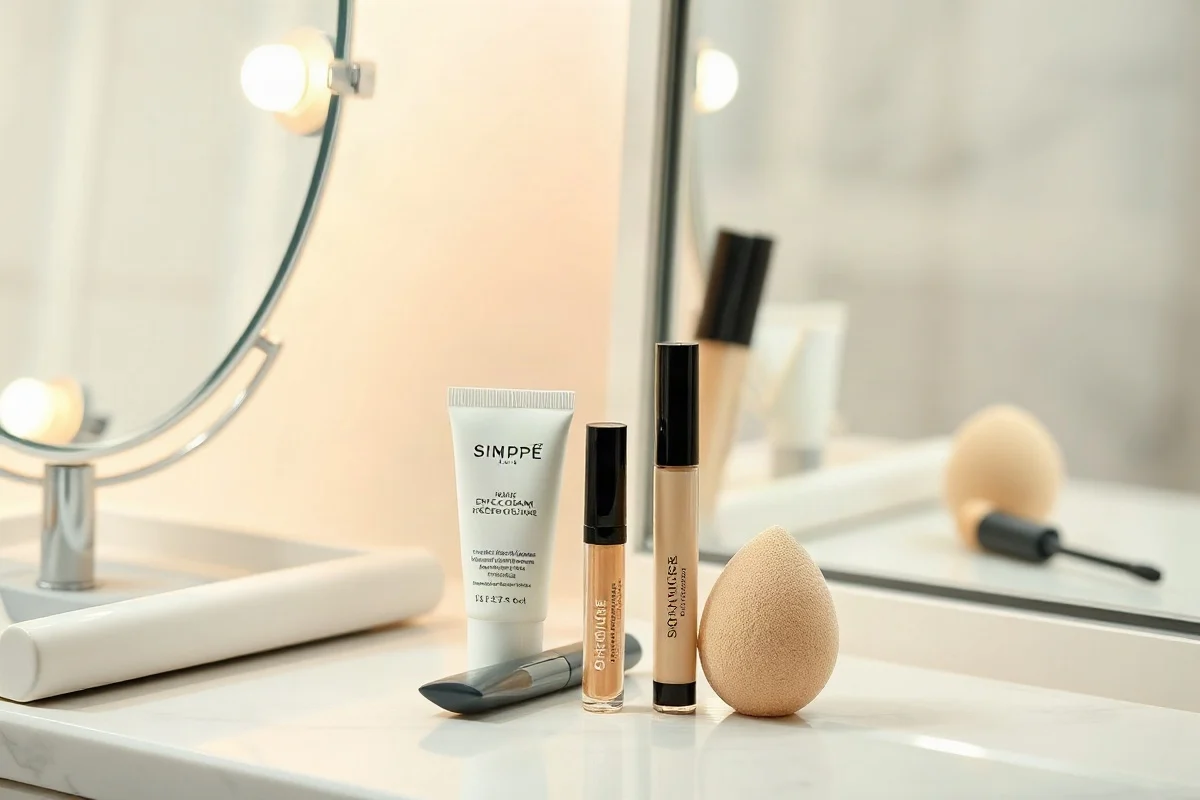
The best drugstore eye creams for wearing under makeup are lightweight, fast-absorbing formulas that provide enough hydration without leaving a greasy film. Look for a simple lotion, gel-cream, or serum texture, apply a small amount, and give it time to settle before concealer. Ingredients such as humectants, lightweight emollients, and skin-supporting hydrators can help the under-eye area look smoother and more comfortable, but no eye cream can guarantee that dark circles, puffiness, or fine lines will disappear.
Under-eye makeup can look uneven when the skin is very dry, when too much eye cream is applied, or when skincare and makeup formulas do not layer well together. Choosing the right texture matters as much as choosing a particular ingredient. A product that feels rich and nourishing at night may be difficult to use in the morning, especially if it causes concealer to slide, separate, or collect in fine lines.
What makes an eye cream makeup-friendly?
A makeup-friendly eye cream should moisturize without remaining noticeably wet or oily on the skin. It should spread easily with gentle pressure and leave the area feeling soft rather than coated. These qualities can make concealer application more predictable, although results vary with the eye cream, concealer, primer, skin type, and amount used.
Choose a light, flexible texture
Gel-creams, lotions, and thin emulsions are often practical choices for daytime use. They can provide hydration while leaving less surface residue than a dense balm. This does not mean a rich cream is automatically unsuitable. Very dry skin may need a more cushioning formula, but using a smaller amount and allowing extra settling time can help reduce makeup movement.
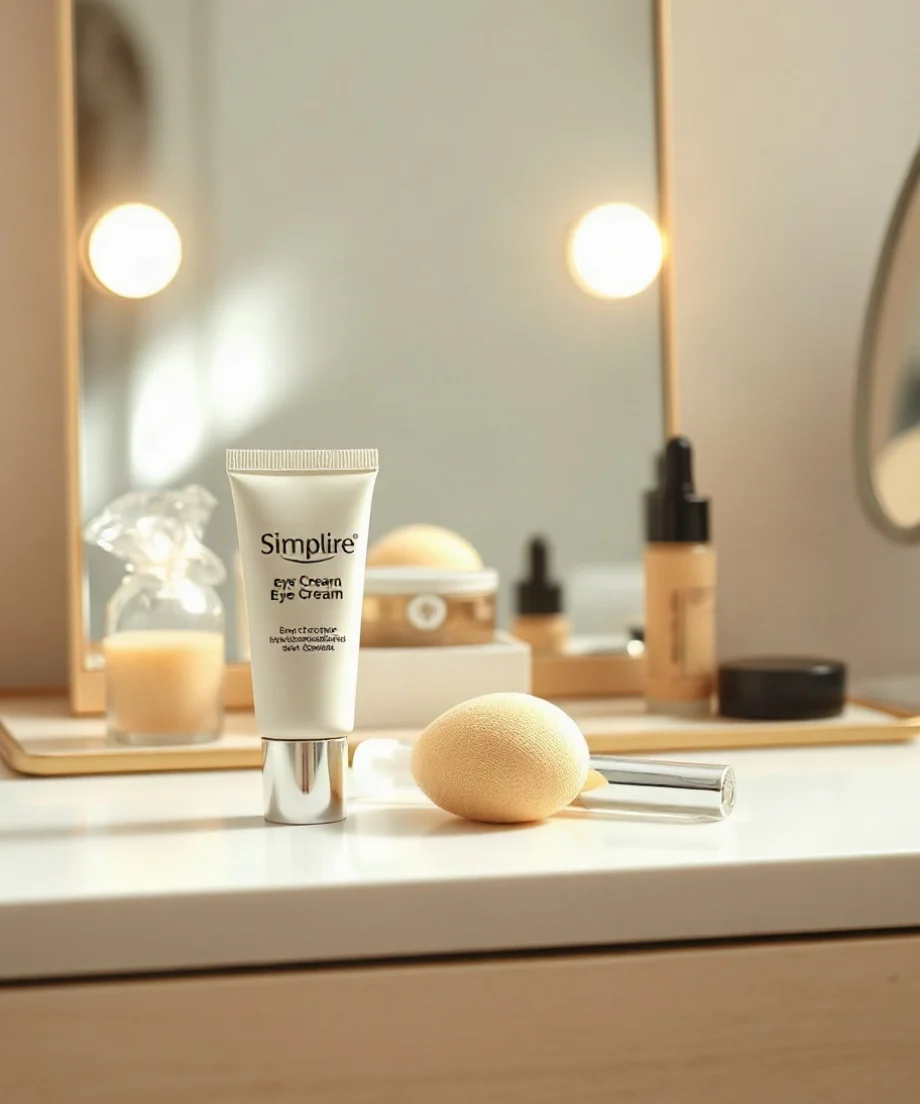
If the eye cream feels slippery several minutes after application, it may be better suited to an evening routine. If it feels tight or disappears immediately without relieving dryness, it may not provide enough comfort for your skin. Texture is personal, so the goal is to find a balance between hydration and a relatively clean surface for makeup.
Look for hydration-focused ingredients
Humectants such as glycerin and hyaluronic acid can attract water to the outer layers of the skin and help the area feel less dry. Emollients can help soften rough-feeling skin, while ingredients that support the skin barrier may be useful when the under-eye area feels easily irritated or tight. Product labels vary, and the presence of an ingredient does not guarantee a particular cosmetic result.
For a broader explanation of common ingredients and their typical cosmetic roles, see this eye cream ingredient guide. When comparing products, check the current packaging or the manufacturer’s ingredient list because formulas can change.
Ingredients that may suit a daytime eye cream
There is no single best ingredient for every type of dark circle or every makeup routine. Dark circles can have different visible causes, including shadowing, variation in skin tone, dryness, or the appearance of blood vessels through thinner-looking skin. An eye cream may improve hydration and surface smoothness, but it may not address every reason the area looks darker.
Glycerin and other humectants
Glycerin is commonly used in moisturizers because it helps support hydration at the skin’s surface. A hydrated under-eye area may look less crepey, which can help makeup sit more evenly. Other humectants may serve a similar purpose. These ingredients are generally selected for moisture support rather than for changing the underlying cause of dark circles.
Ceramides and barrier-supporting ingredients
Ceramides and related skin-supporting ingredients may be useful when dryness contributes to a rough or flaky texture. They are not instant smoothing treatments, and their value depends on the overall formula. If the skin barrier feels compromised, a straightforward moisturizer may be a more sensible daytime choice than a product packed with multiple active ingredients.
Caffeine
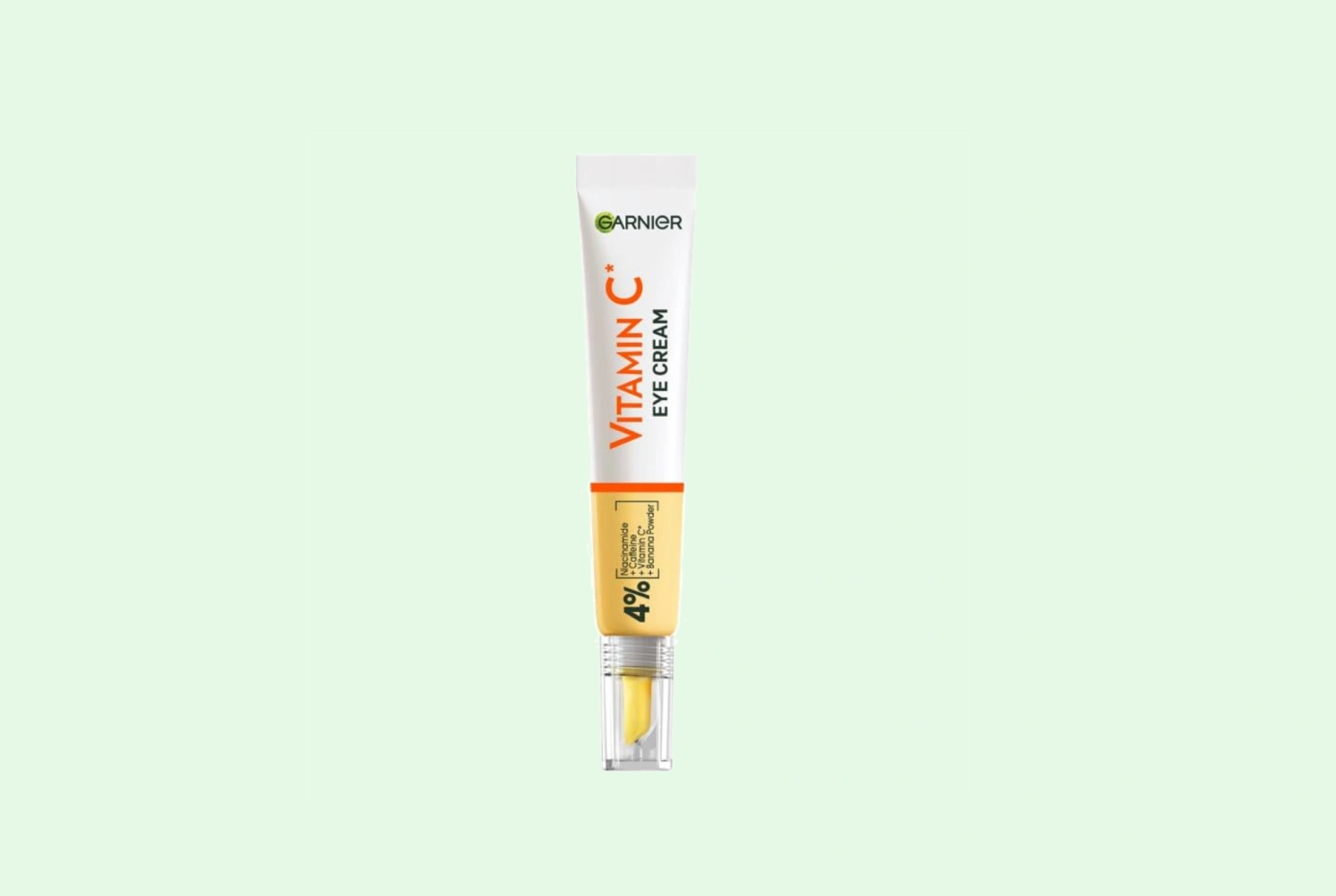
Caffeine is included in some eye products intended for a temporarily more refreshed appearance. Some people choose it for morning puffiness, but an eye cream should not be treated as a medical treatment for swelling or an underlying condition. The visible effect, if any, may be subtle and variable. Explore more options in our guide to caffeine eye creams.
Niacinamide
Niacinamide is used in many skincare products and may support the appearance of a more even, comfortable-looking complexion. A lower-complexity formula can be easier to layer under makeup, especially for people who are sensitive to multiple active ingredients. As with any product, follow the label and stop using it if burning, persistent redness, or other irritation develops.
Actives that may be better for nighttime
Some shoppers want one eye cream to provide hydration, address fine lines, and work under makeup. In practice, a separate nighttime product may be easier to manage. Retinoids, exfoliating acids, and some brightening ingredients can be more prone to irritation, particularly around the eyes. They may also require a gradual introduction and careful attention to the product’s directions.
Retinol eye creams are commonly marketed for the appearance of fine lines, but retinol can be irritating and is not ideal for every skin type or routine. If you use one, follow the product label, start cautiously if the directions allow, avoid getting it in the eyes, and stop if irritation occurs. During the day, use sun protection as directed for exposed skin. Learn more about this category in our overview of retinol eye creams.
Keeping the morning formula simple can make it easier to identify what causes pilling or discomfort. A basic hydrating eye cream in the morning and a carefully introduced active product at night may be more practical than layering several products before makeup.
How to apply eye cream before concealer
- Use a small amount. A thin layer is usually more makeup-friendly than a generous coating. Start with less and add only if the area still feels dry.
- Apply around the orbital area. Use gentle tapping rather than rubbing. Keep the product away from the eye itself and follow the package directions.
- Let it settle. Waiting a few minutes can allow excess moisture and slip to diminish. If your routine includes other skincare, give each layer enough time to feel comfortable before adding the next one.
- Blot excess shine if needed. If the skin remains slick, lightly press a clean tissue over the area. Do not rub.
- Use concealer sparingly. A thick layer can emphasize texture regardless of the eye cream underneath. Apply where coverage is needed and blend with light pressure.
- Set selectively. If you use powder, apply a minimal amount only where creasing occurs. Too much powder can make dryness and fine lines look more noticeable.
How to prevent pilling and creasing
Pilling happens when products form small rolls or flakes as they are rubbed. It can result from applying too many layers, using too much product, rubbing instead of pressing, or combining formulas that do not layer well. The issue is not always caused by the eye cream alone.
To troubleshoot, simplify the morning routine for several days. Try using a smaller amount of eye cream, waiting longer before applying concealer, and pressing makeup into the skin instead of repeatedly sweeping over it. If pilling continues, test the concealer with a different moisturizer or use the eye cream only at night. A small patch of product near the outer eye can help you compare textures before applying makeup across the entire area.
Creasing is also normal because the under-eye area moves when you blink and smile. Hydration may make the surface look more comfortable, but it cannot keep makeup completely motionless. A thin concealer layer and targeted setting generally look more natural than heavy coverage and large amounts of powder.
Choosing a drugstore eye cream by skin type
Dry or flaky under-eyes
Choose a cream with a comfortable, cushioning texture and hydration-focused ingredients. Avoid applying a thick layer directly into the creases, where it may mix with concealer and migrate. If flaking, stinging, or redness continues, pause new products and use a simple routine until the skin feels more comfortable.
Oily or combination skin
A lightweight gel or lotion may be easier to wear under makeup. You may not need a separate eye cream if your facial moisturizer is gentle, suitable for the eye area according to its label, and does not cause discomfort. Use only enough to prevent tightness.
Sensitive skin
Look for a short, straightforward ingredient list and be cautious with fragrance and potentially irritating actives. Patch testing can help you screen for a reaction, but it cannot guarantee that a product will be suitable for the delicate eye area. Follow the label and stop using the product if you experience burning, swelling, persistent redness, or other concerning irritation. Seek medical advice for symptoms that are severe, recurring, or involve the eye itself.
What an eye cream cannot do
Drugstore eye creams can support hydration and temporarily improve the look of dryness or surface texture. They cannot reliably erase dark circles, permanently remove bags, or guarantee a wrinkle-free appearance. Puffiness that changes quickly may be influenced by sleep, fluid retention, allergies, or other factors, while persistent or unusual swelling may need professional evaluation rather than a cosmetic product.
For more help distinguishing cosmetic concerns and product options, browse our guides to dark circles and puffiness and eye bags. A skincare product can improve how the area looks, but it is not a substitute for diagnosis or treatment.
A simple morning routine for smoother-looking makeup
Start with gentle cleansing if needed, followed by a small amount of a lightweight eye cream. Allow it to settle, apply sunscreen to the surrounding exposed skin as directed, and then use concealer only where coverage is wanted. Keep the layers thin and adjust the amount based on how your skin and makeup behave that day.
The most useful drugstore eye cream is not necessarily the richest, most active, or most expensive option. It is the one whose texture suits your skin, whose label you can follow comfortably, and whose finish works with your makeup. Check current packaging and manufacturer information before buying, since ingredients and formulas may change over time.

Comments
0No comments yet. Be the first to share a helpful note or question.
Leave a Comment
Your email address will not be published. Comments are reviewed before appearing on the site.